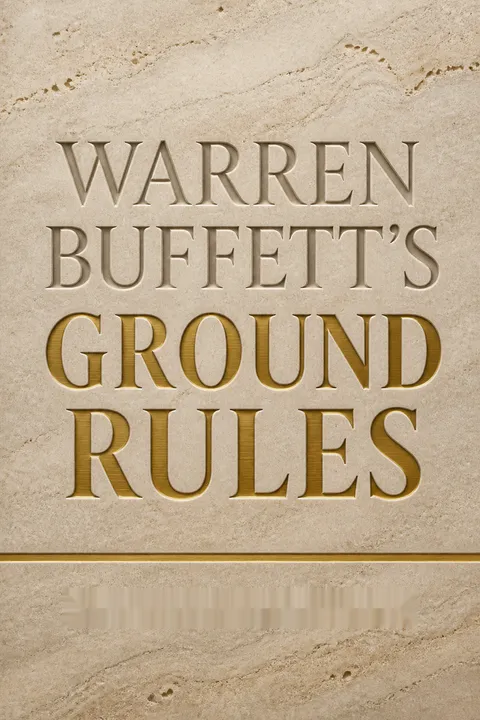

核心要点
1. 投资于企业,而非股票
“股票不仅仅是可以买卖的纸张,它们代表着对企业的所有权,许多股票都可以被分析和评估。”
像企业主一样思考。 当你购买一只股票时,实际上是在购买企业的一部分。这种思维转变促使投资者关注企业的基本面,而非短期价格波动。通过分析企业的资产、盈利能力、竞争地位和管理质量,投资者能够更明智地判断其长期价值。
寻找内在价值。 巴菲特强调,确定企业的内在价值——基于其资产和未来盈利潜力的真实价值——至关重要。这种方法帮助投资者发现被低估的机会,避免为热门但高估的股票支付过高价格。评估内在价值时应考虑的关键因素包括:
- 财务报表(资产负债表、利润表、现金流量表)
- 竞争优势或“护城河”
- 行业趋势与市场地位
- 管理层的素质与业绩记录
2. 接受“市场先生”的情绪波动
“你持有的企业权益(股票)报价应始终视为一种资产,若时机合适可加以利用。若报价变得极端,你就应当利用这一点。”
市场波动创造机会。 巴菲特借用本杰明·格雷厄姆的“市场先生”比喻,说明股市常被情绪驱动而非理性。聪明的投资者不会被情绪左右,而是利用市场的情绪波动获利。
别人恐惧时你要贪婪。 市场下跌往往为长期投资者提供最佳买入机会。保持冷静,专注基本面,你可以:
- 在恐慌时以折扣价买入优质企业
- 避免因股价短暂下跌而卖出强势公司
- 采取逆向投资策略,在他人悲观时寻找价值
耐心至关重要。 市场终将认可真正价值,哪怕需要时间。不要让短期波动动摇你对经过充分研究投资的信心。
3. 利用复利的力量
“授人以鱼不如授人以套利之道,后者能让他终生受益。”
世界第八大奇迹。 复利是投资中最强大的力量之一。通过不断再投资收益并让其随时间增长,投资者能获得指数级回报。巴菲特的成功很大程度上归功于对这一原则的理解和应用。
时间是你最好的盟友。 投资期限越长,复利效应越显著。应注意:
- 尽早开始投资,最大化复利周期
- 避免频繁交易,减少税费侵蚀收益
- 尽可能再投资分红和资本利得
- 保持耐心,让投资在数十年中成长,而非仅仅几年
微小差异的巨大威力。 即使是年均回报率从8%提升到10%,30年后财富几乎会翻倍。
4. 大多数投资者应考虑被动投资
“道琼斯指数作为投资对手并非易事,全国绝大多数投资基金都难以超越,甚至难以匹配其表现。”
指数投资是一种可行策略。 巴菲特承认,大多数主动投资者,无论专业还是个人,长期难以持续跑赢市场。因此,他推荐低成本指数基金作为大多数投资者的优选。
被动投资的优势:
- 费用低,长期复利效果显著
- 广泛分散,涵盖众多公司和行业
- 省时省力
- 避免主动投资常见的行为偏差
认清自身局限。 除非你有时间、专业知识和情绪纪律深入研究个股,否则通过指数基金进行被动投资更可能获得长期优异回报。巴菲特甚至指示将其妻子遗产的90%投资于低成本的标普500指数基金。
5. 以市场为基准衡量表现
“我们工作的好坏不应以年度盈亏衡量,而应以道琼斯工业平均指数、领先投资公司等证券市场的整体表现为参照。”
相对回报比绝对回报更重要。 巴菲特强调,投资表现应以相关基准(通常是整体市场)为标准,这样才能判断投资者或基金经理是否真正创造了价值。
采用合适的时间跨度。 短期结果易受市场波动和运气影响,巴菲特建议:
- 至少用3年时间评估表现
- 最好5年或更长时间,以获得更有意义的判断
- 在牛市和熊市中均衡考察表现
警惕短视思维。 许多投资者和基金经理过分关注季度或年度业绩,导致决策短视。采取长期视角,你可以:
- 避免对暂时市场波动反应过度
- 给投资假设时间发挥作用
- 减少频繁换仓带来的交易成本和税负
6. 集中投资于最有信心的标的
“如果你能找到六个极好的企业,这就是你所需的全部分散。你将赚取丰厚回报。”
质量重于数量。 虽然分散投资有助于降低风险,但巴菲特认为过度分散会导致回报平庸。他主张将资金集中于最有信心的投资标的。
集中投资的好处:
- 促使对每项投资进行深入分析
- 让你真正了解所持企业
- 最大化最佳投资对整体回报的贡献
- 简化投资组合管理和监控
明确你的能力圈。 专注于你真正擅长和了解的领域。精通少数行业或公司胜过对众多领域一知半解。
保持安全边际。 即使投资集中,也要确保每项投资有足够的安全边际,以防意外风险或分析错误。
7. 区分传统与真正的保守投资
“我认为,投机‘贪婪且善变的公众会给收益打多高倍数’根本谈不上保守。”
挑战传统观念。 巴菲特强调,所谓“保守”投资与基于基本面分析和估值的真正保守投资有本质区别。
真正的保守投资:
- 关注内在价值和安全边际
- 避免投机和市场时机判断
- 强调资本保全与增长并重
- 依赖深入研究和理性决策
警惕伪保守:
- 盲目跟风或买入“蓝筹股”而不顾估值
- 以过去表现预测未来收益
- 仅靠分散而忽视资产内在价值
- 追求短期稳定而牺牲长期财富增长
独立思考。 建立基于合理原则的投资哲学,而非盲从流行趋势或传统智慧。
8. 重视税后回报胜过避税
“许多投资错误往往源于‘税务考虑’,即使是相当聪明的人也难免如此。”
关注总回报。 虽然税务效率重要,但不应成为投资决策的首要驱动力。巴菲特警告不要让税务因素主导投资选择。
税务驱动投资的潜在陷阱:
- 为避资本利得税而持有劣质资产
- 选择低收益的免税债券而非税后回报更优的应税投资
- 参与复杂避税方案,增加不必要风险和成本
利用递延优势。 长期投资自然带来资本利得递延优势。专注优质企业并长期持有,可享受:
- 未实现收益的复利增长
- 较低的长期资本利得税率
- 继承时可能的成本基础调整
平衡税务与投资价值。 投资决策应以资产的内在质量和价值为主,税务因素作为次要考量。
9. 警惕规模对投资表现的影响
“我们的投资想法总是领先于资金规模约10%。若情况改变,你一定会听到我的声音。”
认识资产规模的影响。 随着投资组合或基金规模扩大,获取超额回报变得愈发困难,原因包括:
- 大额投资机会有限
- 无法利用小型且潜在更高收益的机会
- 大规模买卖对市场的冲击
随着资产增长调整策略:
- 扩大能力圈,涵盖更大企业
- 考虑更多投资类型(如私募股权、整公司收购)
- 准备接受较低回报以换取更大资本基数
懂得说“不”。 巴菲特多次关闭合伙企业或限制新资金,确保投资机会与资本规模匹配,维护投资质量和现有投资者利益。
10. 在市场狂热中保持纪律
“我宁愿因过度保守而承受惩罚,也不愿因采纳‘新时代’理念而遭受可能的永久资本损失。”
抵制投机诱惑。 市场狂热时,放弃稳健投资原则追求快速收益的诱惑很大。巴菲特强调保持纪律和怀疑精神的重要性。
市场狂热的警示信号:
- 广泛认同“这次不同”
- 估值指标达到历史极端
- 投机性金融产品泛滥
- 大量资金涌入热门行业或资产类别
坚持投资流程。 不追逐热点,专注于:
- 基本面分析与估值
- 保持安全边际
- 在机会稀缺时愿意持有现金
- 为市场调整做好准备
从历史中学习。 研究过去泡沫及其后果,强化纪律和理性投资的重要性。
11. 实现管理者与投资者利益一致
“我选择合伙人及后续合作的关键,是确保我们使用同一标准。”
激励机制至关重要。 巴菲特高度重视管理者与投资者利益的一致性,这有助于确保管理者为客户最大利益行事。
利益一致的关键要素:
- 管理者自有资金与客户资金共同投资
- 费用结构奖励长期业绩而非资产规模
- 透明沟通投资策略与表现
- 在机会有限时愿意限制管理资产规模
警惕利益冲突。 评估管理者或基金时,应关注:
- 其报酬方式及激励导向
- 个人对策略的投资
- 是否优先考虑投资者利益
- 是否在适当时关闭新资金
将原则应用于自身。 自主管理投资时,确保决策过程和时间视角与长期财务目标一致。
12. 在坚守核心原则的同时不断进化投资方法
“本会说我现在的做法合理,但他也会说大多数人很难做到。”
适应变化。 虽然巴菲特的核心投资原则始终如一,但他根据市场环境和资本规模的变化不断调整投资策略。
演进的关键领域:
- 从深度价值“雪茄烟蒂”投资转向高质量复利机器
- 从纯粹的公开市场投资扩展到整公司收购
- 在新行业和投资类型中积累专业知识
- 随着资产增长调整仓位大小和集中度
保持学习心态。
读者评价
《沃伦·巴菲特的基本法则》汇集了巴菲特早期的投资信件,展现了他在尚未掌控伯克希尔·哈撒韦之前的价值投资理念。读者普遍认可书中对巴菲特投资策略演变的剖析,从“雪茄烟蒂”式的投资转向优质企业的选择。内容既适合初学者,也对资深投资者具有参考价值。尽管部分读者认为书中结构重复且部分内容显得过时,但更多人珍视其中蕴含的永恒智慧。总体来看,本书是理解巴菲特投资哲学与人格特质的重要资料,尽管对其可读性和现代适用性的评价存在分歧。
其他人还在读





常见问题
What's Warren Buffett's Ground Rules about?
- Investment Philosophy Overview: The book compiles Warren Buffett's early partnership letters, focusing on his investment philosophy and strategies from 1956 to 1970. It highlights value investing and the importance of a long-term perspective.
- Key Investment Strategies: It categorizes investments into Generals, Workouts, and Controls, explaining Buffett's approach to each. The book emphasizes understanding intrinsic value and market behavior.
- Lessons for Investors: The letters provide timeless principles for both novice and experienced investors, aiming to make Buffett's teachings accessible and relevant for modern readers.
Why should I read Warren Buffett's Ground Rules?
- Learn from a Master: Gain insights directly from Warren Buffett, one of the most successful investors in history, through his practical advice and strategies.
- Timeless Investment Principles: The book distills Buffett's core investment philosophies, applicable regardless of market conditions, to help make informed investment decisions.
- Comprehensive Resource: It serves as a reference for Buffett's early investment strategies, offering a structured learning experience through key excerpts from his letters.
What are the key takeaways of Warren Buffett's Ground Rules?
- Value Investing Focus: Emphasizes buying undervalued securities and understanding intrinsic value, with the belief that the market will reflect true value over time.
- Long-Term Perspective: Advocates for focusing on the underlying business rather than short-term market fluctuations, helping to mitigate emotional decision-making.
- Risk Management: Highlights the importance of maintaining a margin of safety to minimize potential loss and achieve sustainable long-term returns.
What are the best quotes from Warren Buffett's Ground Rules and what do they mean?
- “If I was running $1 million, or $10 million for that matter, I’d be fully invested.”: Reflects Buffett's confidence in finding value opportunities and the power of being fully invested.
- “The availability of a quotation for your business interest (stock) should always be an asset to be utilized if desired.”: Emphasizes viewing market prices as opportunities rather than constraints.
- “We do not want to get active merely for the sake of being active.”: Highlights the preference for thoughtful, strategic action over unnecessary activity, reinforcing patience and discipline.
What is the concept of "Generals" in Warren Buffett's Ground Rules?
- Definition of Generals: Refers to generally undervalued stocks characterized by low market prices relative to intrinsic value, often lacking immediate market sponsorship.
- Investment Strategy: Buffett concentrated investments in a few Generals, aiming for significant price appreciation over time.
- Long-Term Holding: Generals were held for extended periods, aligning with Buffett's philosophy of long-term investing.
How does Buffett define "Workouts" in Warren Buffett's Ground Rules?
- Definition of Workouts: Securities whose financial results depend on corporate actions like mergers or reorganizations, with a predictable timeline for returns.
- Arbitrage Opportunities: Viewed as a form of arbitrage, capitalizing on the difference between current market price and expected payout, typically yielding stable returns.
- Risk Assessment: Success relies on accurately assessing deal closure likelihood and potential risks, emphasizing thorough due diligence.
What are "Controls" in Warren Buffett's Ground Rules?
- Definition of Controls: Situations where Buffett acquired a significant ownership stake, allowing influence over management decisions, often evolving from Generals.
- Active Management: In control, Buffett took an active role in improving operations, sometimes replacing management to unlock shareholder value.
- Valuation Focus: Emphasizes assessing intrinsic value, with investment value determined by business performance rather than market fluctuations.
What is the significance of "compounding" in Warren Buffett's Ground Rules?
- Power of Compounding: Critical for wealth creation, emphasizing reinvesting gains for exponential growth over time, foundational to Buffett's philosophy.
- Long-Term Strategy: Illustrates how patience enhances compounding effects, encouraging focus on long-term potential.
- Real-World Examples: Uses anecdotes to demonstrate compounding's impact, showing how small, consistent gains lead to substantial wealth.
How does Buffett approach risk management in Warren Buffett's Ground Rules?
- Margin of Safety: Emphasizes buying below intrinsic value to protect against permanent loss, a key principle for sustainable returns.
- Long-Term Focus: Advocates for a long-term horizon to ride out volatility, focusing on business performance over market fluctuations.
- Diversification Strategy: Suggests a diversified portfolio across Generals, Workouts, and Controls to mitigate individual investment risks.
What lessons can modern investors learn from Warren Buffett's Ground Rules?
- Value Investing Principles: Focus on intrinsic value and long-term growth rather than short-term trends for sustainable success.
- Patience and Discipline: Importance of avoiding impulsive decisions based on market noise, staying true to a well-defined strategy.
- Understanding Your Circle of Competence: Know strengths and limitations, focusing on investments within one's expertise for better decisions.
How does Buffett define conservatism in investing in Warren Buffett's Ground Rules?
- Knowledge and Reason: True conservatism is based on correct facts and sound reasoning, not popular opinion.
- Independent Thinking: Encourages thinking independently, warning against crowd influence and emphasizing thorough analysis.
- Concentration Strategy: A concentrated strategy can be conservative when confidence in analysis is high, focusing on minimal loss chances.
How does Buffett's approach to investing evolve throughout Warren Buffett's Ground Rules?
- From Quantitative to Qualitative: Evolves from strict quantitative focus to incorporating qualitative business assessments.
- Concentration Strategy: Becomes more comfortable with concentration, moving away from diversification principles.
- Long-Term Value Orientation: Emphasizes long-term value creation, focusing on high-quality businesses for compounding value over time.
下载 PDF
下载 EPUB
.epub digital book format is ideal for reading ebooks on phones, tablets, and e-readers.








































