أهم النقاط
1. صعود الحضارة اليونانية: ثورة فلسفية وثقافية
"في كل التاريخ، لا شيء يثير الدهشة أو يصعب تفسيره مثل الظهور المفاجئ للحضارة في اليونان."
قفزة فكرية غير مسبوقة. مثلت الحضارة اليونانية تحولًا مذهلاً في الفكر الإنساني، حيث تخلت عن التفسيرات الأسطورية واعتمدت على البحث العقلاني. فبدلًا من الاعتماد على التقاليد الموروثة كما في الحضارات السابقة، طور اليونانيون منهجًا فريدًا لفهم العالم من خلال التفكير النقدي والفلسفة والملاحظة المنهجية.
ابتكار ثقافي. أحدث اليونانيون ثورة في مجالات متعددة من المعرفة الإنسانية:
- اخترعوا الرياضيات والمنهج العلمي
- طوروا أنظمة فلسفية متقدمة
- ابتكروا مناهج جديدة في التاريخ والتوثيق
- تحدوا الأعراف الدينية والاجتماعية السائدة
حرية فكرية. ما ميز النهج اليوناني هو استعدادهم للتشكيك في المعتقدات الموروثة واستكشاف الأفكار دون قيود الأرثوذكسية التقليدية. فقد اعتبروا البحث الفكري مسعى إنسانيًا جوهريًا، وخلقوا ثقافة تقدر الحوار العقلاني والفحص النقدي للمعرفة القائمة.
2. الفلاسفة ما قبل سقراط: ميلاد البحث العقلاني
"تبدأ الفلسفة مع طاليس، الذي يمكن تأريخه بفضل توقعه لخسوف حدث في عام 585 قبل الميلاد حسب الفلكيين."
الأصول العلمية. مثل الفلاسفة ما قبل سقراط المحاولة الأولى المنهجية لفهم العالم عبر التفسير العقلاني بدلًا من السرديات الأسطورية. سعى مفكرون مثل طاليس وأنكسيماندر وهيراقليطس إلى شرح الظواهر الطبيعية عبر مبادئ قابلة للملاحظة بدلًا من التدخل الإلهي.
المناهج الفلسفية الرئيسية:
- طاليس: اعتبر الماء العنصر الأساسي للكون
- أنكسيماندر: قدم مفهوم المادة الأولية اللانهائية والأبدية
- هيراقليطس: أكد على التغير الدائم ووحدة الأضداد
شجاعة فكرية. أظهر هؤلاء الفلاسفة الأوائل شجاعة فكرية استثنائية بتحدي نظم المعتقدات القائمة واقتراح تفسيرات مبنية على الملاحظة والمنطق، مما مهد الطريق للمنهج العلمي.
3. سقراط: شرارة التفكير النقدي
"أنا أعقل من هذا الرجل، لأنه عندما لا أعرف، لا أظن أنني أعرف."
المنهج الفلسفي. أحدث سقراط ثورة في البحث الفلسفي من خلال منهجه الجدلي الذي يركز على التساؤل حول الافتراضات وكشف التناقضات المنطقية. كان يؤمن أن الحكمة الحقيقية تبدأ بالاعتراف بالجهل والسعي المستمر للفهم.
الأسس الأخلاقية:
- شدد على الفحص الذاتي الأخلاقي
- ربط بين المعرفة والفضيلة
- تحدى الأعراف الاجتماعية من خلال التساؤل المستمر
- أظهر شجاعة أخلاقية استثنائية أثناء محاكمته وإعدامه
الإرث الفكري. حول سقراط الفلسفة من تمرين فكري مجرد إلى نهج عملي لفهم السلوك الإنساني والأخلاق، مؤثرًا في أجيال من الفلاسفة والمفكرين.
4. نظرية الأفكار لأفلاطون: جسر بين الواقع والإدراك
"الأمر المهم حقًا ليس معرفة وجود عالم كهذا، بل إيجاد الطريق للوصول إليه."
الإطار الميتافيزيقي. قدم أفلاطون فهمًا ثوريًا للواقع، مميزًا بين عالم الظواهر المادية وعالم مثالي أبدي للأشكال الكاملة. اقترحت نظريته أن ما ندركه ليس سوى ظل لواقع أعمق وأبدي لا يتغير.
التداعيات الفلسفية:
- تحدى الاعتماد على الحواس كمصدر موثوق للمعرفة
- اقترح أن الفهم الحقيقي يأتي من التأمل العقلي
- أكد على وجود مفاهيم كونية وأبدية تتجاوز الحالات الفردية
رؤية تحويلية. وفرت نظرية الأفكار لأفلاطون إطارًا عميقًا لفهم المعرفة، مقترحة أن الإنسان قادر على تجاوز التجارب الحسية المباشرة ليدرك حقائق أعمق وأساسيات أكثر جوهرية.
5. الميتافيزيقا لأرسطو: أساس الفلسفة الغربية
"هدف الفن ليس تمثيل المظاهر الخارجية للأشياء، بل معانيها الداخلية."
المنهج الفلسفي المنهجي. طور أرسطو نظامًا فلسفيًا شاملاً جمع بين المنطق والميتافيزيقا والأخلاق والعلوم الطبيعية. قدم مفاهيم رائدة مثل الجوهر والشكل والإمكانات التي أثرت في الفكر الغربي لقرون طويلة.
المساهمات الفلسفية الرئيسية:
- طور المنطق المنهجي والمنهج العلمي
- قدم مفهوم الغائية (الفهم القائم على الغرض)
- أنشأ إطارًا لفهم الظواهر الطبيعية
- أسس الأخلاق كعلم فلسفي منهجي
التوليف الفكري. مثل عمل أرسطو لحظة محورية في الفكر الفلسفي، مقدمًا نهجًا أكثر تجريبية ومنهجية لفهم العالم مقارنة بسابقه.
6. الفلسفة الهلنستية: مواجهة اللايقين والتحول الشخصي
"السعادة التي يجب أن تسعى إليها الدولة... هي أنشطة السلام."
التكيف الفلسفي. طور الفلاسفة الهلنستيون مثل الرواقيين والأبيقوريين أنظمة فلسفية تركز على الصمود الفردي والطمأنينة الشخصية في عالم يزداد تعقيدًا ولايقينًا.
الردود الفلسفية:
- الرواقية: أكدت على الفضيلة الشخصية وقبول الظروف الخارجية
- الأبيقورية: ركزت على تحقيق السلام الداخلي وتقليل المعاناة
- الشكوكية: شككت في اليقين المطلق وشجعت التفكير النقدي
الحكمة العملية. قدمت هذه المناهج الفلسفية استراتيجيات عملية للحفاظ على التوازن النفسي وسط الاضطرابات الاجتماعية والسياسية، مؤكدة دور الفلسفة في التكيف النفسي الفردي.
7. البحث عن المعنى في عالم متغير
"لم تعد الفلسفة عمود النار الذي يقود قلة من الباحثين الجريئين عن الحقيقة، بل أصبحت كسيارة إسعاف تلاحق صراع الوجود وتلتقط الضعفاء والجرحى."
تطور فلسفي. أظهرت الفلسفة اليونانية سعيًا مستمرًا لفهم الوجود الإنساني، متحولة من تفسيرات كونية إلى استفسارات أكثر شخصية ووجودية.
التقدم الفكري:
- من فهم العالم الخارجي إلى استكشاف التجربة الإنسانية الداخلية
- تحول من النظريات الكونية إلى استراتيجيات نفسية فردية
- تطوير مناهج فلسفية أكثر عملية
إرث دائم. أسست التقاليد الفلسفية اليونانية إطارًا للاستكشاف الفكري المستمر، مؤكدة قدرة الإنسان على الفهم العقلاني والنمو الشخصي.
ملخص المراجعات
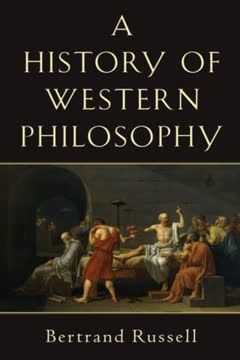
يُعتبر كتاب "تاريخ الفلسفة الغربية" مرجعًا شاملاً يحظى بإشادة واسعة لما يقدمه من نظرة عامة متكاملة، ولأسلوب راسل الواضح في الكتابة. ومع ذلك، يوجه بعض النقاد انتقادات لميوله الشخصية وتفسيراته الذاتية. يثمن القراء روح الدعابة التي يتمتع بها راسل ونهجه السياقي الذي يربط بين الفلاسفة وظروفهم التاريخية. يُنظر إلى الكتاب كمدخل ممتاز لفهم الفلسفة الغربية، رغم وجود تبسيطات أحيانًا. يجد الكثيرون في نقد راسل رؤى ثاقبة، رغم أن تعامله مع بعض الفلاسفة يُعتبر غير عادل. وبشكل عام، يُعد الكتاب مصدرًا قيمًا لفهم تطور الفكر الفلسفي، مع التنويه إلى أنه يعكس وجهات نظر راسل الشخصية.
الأسئلة الشائعة
What's A History of Western Philosophy about?
- Comprehensive Overview: Bertrand Russell's book provides a detailed examination of Western philosophy from ancient Greece to the modern era, covering key philosophers and their ideas.
- Three Main Sections: It is divided into three parts: ancient philosophy, Catholic philosophy, and modern philosophy, each exploring significant thinkers and movements.
- Philosophical Development: The book discusses the evolution of philosophical thought, highlighting how earlier ideas influenced later thinkers and the cultural contexts in which they arose.
Why should I read A History of Western Philosophy?
- Intellectual Foundation: The book offers a foundational understanding of Western philosophical traditions, essential for anyone interested in philosophy, history, or the humanities.
- Engaging Style: Bertrand Russell writes in an accessible and engaging manner, making complex ideas understandable for readers without a philosophical background.
- Critical Insights: It not only presents philosophical ideas but also critiques them, encouraging readers to think critically about the evolution of thought.
What are the key takeaways of A History of Western Philosophy?
- Philosophy as a Living Tradition: The book emphasizes that philosophy is not static; it evolves through dialogue and critique among thinkers across generations.
- Interconnected Ideas: Russell illustrates how philosophical ideas are interconnected, showing how one philosopher's work often responds to or builds upon another's.
- Importance of Context: The historical and cultural contexts in which philosophers worked are crucial for understanding their ideas and contributions.
Who are the key philosophers discussed in A History of Western Philosophy?
- Socrates, Plato, and Aristotle: These foundational figures of ancient philosophy are extensively covered, with discussions on their contributions to ethics, metaphysics, and epistemology.
- Modern Thinkers: The book also addresses modern philosophers like Descartes, Kant, Hegel, and Nietzsche, exploring their impact on contemporary thought.
- Diverse Perspectives: Russell includes a variety of philosophical traditions, including Catholic philosophy and the Enlightenment, providing a broad view of Western thought.
How does Bertrand Russell characterize Plato's philosophy in A History of Western Philosophy?
- Theory of Ideas: Russell discusses Plato's theory of forms, which posits that non-material abstract forms represent the most accurate reality.
- Philosopher-Kings Concept: Plato's idea that rulers should be philosophers is highlighted as a significant contribution to political philosophy, advocating for governance by the wise.
- Critique of Sensory Knowledge: Russell notes Plato's belief that true knowledge comes from intellectual insight rather than sensory experience, a view that has been both influential and controversial.
What is the significance of Socrates in A History of Western Philosophy?
- Moral Philosophy Pioneer: Socrates is portrayed as a foundational figure in moral philosophy, emphasizing the importance of ethics and the examined life.
- Dialectical Method: He is known for the Socratic method, a form of cooperative argumentative dialogue that stimulates critical thinking and illuminates ideas.
- Legacy of Inquiry: Socrates' commitment to questioning and seeking truth laid the groundwork for future philosophical inquiry, influencing Plato and Aristotle.
What are the main criticisms of Aristotle's philosophy in A History of Western Philosophy?
- Stagnation of Thought: Russell argues that Aristotle's authority became an obstacle to progress in philosophy and science for centuries after his death.
- Lack of Originality: While Aristotle made significant contributions, Russell suggests that he often diluted the more dynamic ideas of his predecessors, particularly Plato.
- Teleological Bias: Aristotle's emphasis on purpose in nature is critiqued for leading to a less scientific understanding of the world compared to the mechanistic views of later thinkers.
How does A History of Western Philosophy address the relationship between philosophy and religion?
- Philosophy as a Critique: Russell discusses how many philosophers, particularly in the Enlightenment, challenged religious dogma and sought to establish ethical systems based on reason.
- Integration into Theology: He examines how early Christian thinkers, such as Augustine, incorporated Platonic and Stoic ideas into their theological frameworks, shaping Christian doctrine.
- Ongoing Tension: The book highlights the persistent conflict between philosophical inquiry and religious belief, illustrating how this dynamic has evolved over time.
What is the significance of Kant's philosophy in A History of Western Philosophy?
- Critical Philosophy: Kant's work is portrayed as a turning point in philosophy, establishing the limits of human understanding and the role of the mind in shaping experience.
- Synthetic A Priori Judgments: Russell explains Kant's argument that certain knowledge, such as mathematics and geometry, is both synthetic and a priori, challenging previous notions of knowledge.
- Moral Philosophy: Kant's categorical imperative is discussed as a foundational principle of ethics, emphasizing duty and the intrinsic worth of individuals.
How does Russell view the relationship between philosophy and science in A History of Western Philosophy?
- Philosophy as Foundational: Russell posits that philosophy provides the underlying principles that guide scientific inquiry, particularly in ethics and epistemology.
- Evolution of Scientific Thought: The book traces how philosophical ideas influenced the development of scientific methods and theories, particularly during the Enlightenment.
- Ongoing Dialogue: Russell emphasizes the importance of maintaining a dialogue between philosophy and science, as both fields contribute to a deeper understanding of reality.
What is the role of utilitarianism in A History of Western Philosophy?
- Pleasure as the Good: Russell outlines Bentham's principle that pleasure is the only intrinsic good, forming the basis of utilitarian ethics.
- Critique of Rights: Bentham's dismissal of natural rights as "nonsense on stilts" reflects the utilitarian focus on outcomes rather than inherent rights.
- Influence on Social Reform: The book discusses how utilitarianism shaped social and political reforms in the 19th century, advocating for laws and policies that maximize happiness.
How does A History of Western Philosophy conclude regarding the future of philosophy?
- Need for Rationalism: Russell emphasizes the importance of a rational approach to philosophy, advocating for a return to logical analysis and empirical methods.
- Critique of Dogmatism: The conclusion warns against the dangers of dogmatic thinking, whether in philosophy, politics, or religion, urging open-mindedness and critical inquiry.
- Philosophy's Relevance: Russell asserts that philosophy must adapt to contemporary challenges, remaining relevant by addressing the complexities of modern life and thought.