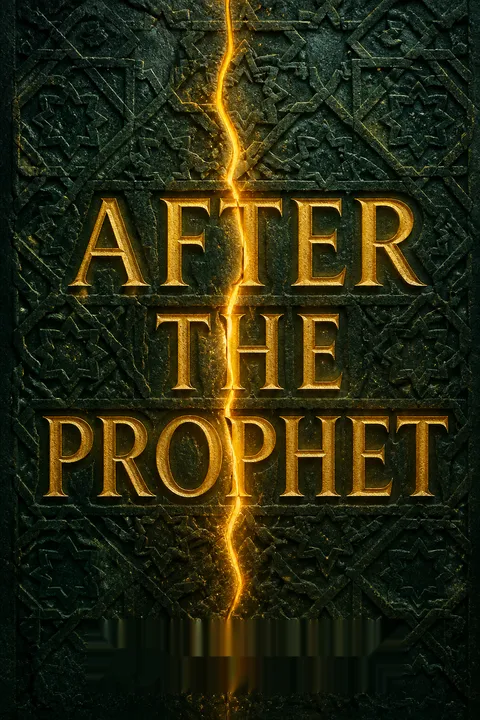

Summary Temporarily Unavailable
This summary is temporarily unavailable and is currently being updated. You can still explore the FAQs and other metadata below.
أهم النقاط
1. وفاة محمد أشعل بذور الانقسام
لو كان له ابن، ربما كان تاريخ الإسلام مختلفًا.
فراغ الخلافة. وفاة النبي محمد عام 632م خلقت فراغًا في السلطة داخل المجتمع الإسلامي الناشئ. عدم تحديده لخليفة واضح أو وضع نظام محدد للخلافة أدى إلى نزاعات فورية حول القيادة. هذا الغياب لخليفة معين فتح الباب أمام فصائل متعددة للتنافس على السيطرة، مما مهد الطريق لصراعات مستقبلية.
غياب وريث ذكر. عدم وجود وريث ذكر على قيد الحياة زاد من تعقيد مسألة الخلافة. رغم أن لمحمد بنات، إلا أن العادات القبلية السائدة كانت تفضل القيادة الذكورية. هذا الغياب لخليفة ذكر واضح غذى الجدل حول من هو الأنسب لقيادة الأمة الإسلامية، وساهم في اتساع الانقسامات.
القيادة السياسية والدينية. السؤال حول ما إذا كان يجب اختيار الخليفة بناءً على الجدارة الدينية، أو التقاليد القبلية، أو الروابط العائلية أصبح نقطة خلاف مركزية. هذا الخلاف الجوهري حول طبيعة القيادة ومعايير الخلافة وضع الأساس للانقسام بين السنة والشيعة.
2. حادثة العقد: نقطة تحول مثيرة للجدل
كانت تعتبر هذا العقد أغلى من الألماس، لأنه هدية من محمد في يوم زفافهما.
عقد عائشة المفقود. "حادثة العقد"، وهي واقعة تبدو بسيطة تتعلق بفقدان عائشة، زوجة النبي المفضلة، لعقدها خلال غزوة عسكرية، تحولت إلى شرارة عداء عميق. الشائعات والاتهامات بالزنا التي تلت الحادثة كشفت عن توترات قائمة داخل المجتمع الإسلامي.
الأبعاد السياسية. استغلّت الفصائل المختلفة هذا الفضيحة لتقويض سلطة محمد وزرع الفتنة. الحادثة أبرزت هشاشة أسرة النبي أمام المناورات السياسية والهجمات الشخصية، مما زاد من تعقيد الانقسامات القائمة.
صراع عائشة وعلي. الحادثة عمّقت التنافس بين عائشة وعلي، ابن عم النبي وصهره. نصيحة علي لمحمد بشأن الوضع زادت من استياء عائشة الدائم تجاهه، وساهمت في الصراعات المستقبلية التي مزقت المجتمع الإسلامي.
3. علي: أسد الله، نموذج الإيمان
"أنا من علي وعلي مني. هو ولي كل المؤمنين بعدي."
فضائل علي. علي، ابن عم النبي وصهره وأحد أوائل من أسلموا، كان محل تقدير لإيمانه الثابت، وحكمته، وشجاعته. علاقته الوثيقة بالنبي ودوره كحامي للمجتمع الإسلامي جعلاه مرشحًا طبيعيًا للخلافة.
تصريحات محمد. أدلى محمد بعدة تصريحات بدت وكأنها تشير إلى علي كخليفته المقصود. هذه التصريحات، رغم عدم وضوحها كتعين رسمي، فسّرها أنصار علي كدليل على قيادته المرسومة إلهيًا.
وجهة نظر الشيعة. أتباع علي، المعروفون بالشيعة، اعتقدوا أن محمد عيّنه وريثًا شرعيًا وأن قيادة الأمة الإسلامية يجب أن تبقى في نسله. هذا الاعتقاد شكل حجر الزاوية في الإسلام الشيعي وميّزهم عن أغلبية السنة.
4. الحج الأخير: خلافة بلا حل
"من كنت مولاه فعلي مولاه."
غدير خم. خلال حجه الأخير إلى مكة، أعلن محمد في غدير خم: "من كنت مولاه فعلي مولاه." هذه العبارة، رغم غموضها، اعتبرها أنصار علي تأييدًا واضحًا لقيادته.
الغموض والتفسير. رغم هذا الإعلان، لم يحدد محمد عليًا خليفة له بشكل صريح وواضح. هذا النقص في الوضوح سمح بتفسيرات مختلفة وأشعل الجدل حول من هو الأنسب لقيادة الأمة.
بذور الفتنة. الأحداث المحيطة بحج محمد الأخير وتصريحاته عن علي زادت من حدة التوترات داخل المجتمع الإسلامي. هذه القضايا غير المحلولة سرعان ما انفجرت في صراعات مفتوحة بعد وفاة النبي.
5. الشورى: ظهور الخليفة الأول
"لمن عبد محمد فقد مات محمد، ولمن عبد الله فالله حي لا يموت."
حدث السقيفة. بعد وفاة محمد، اجتمع عدد من كبار المسلمين في السقيفة لاختيار خليفة. هذا الاجتماع، المعروف بحدث السقيفة، استبعد علي وأنصاره، مما أثار تساؤلات حول شرعيته.
انتخاب أبو بكر. تم اختيار أبو بكر، رفيق محمد وصهره، كأول خليفة عبر عملية اعتبرها البعض متسرعة وغير ديمقراطية. هذا القرار قوبل بمعارضة من أنصار علي الذين رأوا أنه حُرم من حقه الشرعي في القيادة.
وجهة نظر السنة. يرى المسلمون السنة أن انتخاب أبو بكر كان تعبيرًا شرعيًا عن إجماع الأمة وخطوة ضرورية لضمان استقرار الدولة الإسلامية الناشئة. وهم يعتقدون أن حكمة الجماعة قادتهم إلى القرار الصحيح.
6. المهجورون: أسرة النبي في تيه
"ملأت الغبار عيني، وملأت الأشواك فمي."
مقاومة علي الأولية. رفض علي في البداية الاعتراف بسلطة أبو بكر، معتقدًا أنه حُرم من حقه الشرعي في القيادة. هذا الرفض زاد من الانقسامات داخل المجتمع الإسلامي وأشعل الاستياء بين أنصاره.
الولاء القسري. تحت ضغط من أبو بكر وحلفائه، استسلم علي في النهاية وأعلن الولاء للخليفة الجديد. لكن هذا الولاء القسري لم يخفف من التوترات والاستياء الكامن تحت السطح.
شكاوى فاطمة. فاطمة، ابنة محمد وزوجة علي، شعرت أيضًا بالظلم من تصرفات أبو بكر. كانت ترى أنها حُرمت من ميراثها الشرعي وأن أسرة النبي تُهمش من قبل القيادة الجديدة.
7. الدولة الأموية: بذور الفساد
"أبكي لأن المال دائمًا ما يجلب العداوة والاستياء."
محسوبية عثمان. عثمان، الخليفة الثالث، عين أفرادًا من عشيرته الأموية في مناصب حكومية مهمة. هذه المحسوبية أدت إلى فساد واسع النطاق واستياء بين الفصائل الأخرى في المجتمع الإسلامي.
الفوارق الاقتصادية. سياسات عثمان فضّلت النخبة الأموية، مما أدى إلى تزايد الفوارق الاقتصادية والاضطرابات الاجتماعية. هذا التوزيع غير العادل للثروة والسلطة عزز شعور المهمشين بالاستبعاد.
الرد والاغتيال. الاستياء المتزايد من حكم عثمان أدى في النهاية إلى اغتياله على يد مجموعة من المسلمين الغاضبين. هذا العنف أغرق المجتمع الإسلامي في فوضى أكبر ومهد الطريق للحرب الأهلية الأولى.
8. معركة الجمل: اندلاع حرب أهلية
"اللهم ارحم من يخلفني."
تمرد عائشة. عائشة، مدفوعة بعدائها الطويل لعلي ورغبتها في الانتقام لمقتل عثمان، قادت تمردًا ضد سلطة علي. هذا التمرد بلغ ذروته في معركة الجمل، صراع دموي بين المسلمين.
معركة الجمل. كانت معركة الجمل لحظة حاسمة في التاريخ الإسلامي المبكر، حيث بدأت أول حرب أهلية كبرى داخل المجتمع الإسلامي. المعركة واجهت قوات علي مع أنصار عائشة، وأسفرت عن خسائر كبيرة للطرفين.
نصر علي وتكلفته. خرج علي منتصرًا من المعركة، لكن النصر جاء بثمن باهظ. المعركة عمّقت الانقسامات داخل المجتمع الإسلامي وتركت إرثًا من المرارة والاستياء استمر لقرون.
9. استشهاد الحسين: إرث التضحية
"الموت بكرامة خير من الحياة بذل."
خلافة يزيد. بعد اغتيال علي، رسخت الدولة الأموية سلطتها تحت حكم معاوية وابنه يزيد. حكم يزيد اعتبره كثيرون غير شرعي وظالم، مما زاد من الاستياء تجاه الأمويين.
تمرد الحسين. الحسين، ابن علي وحفيد محمد، رفض مبايعة يزيد، معتبرًا إياه حاكمًا جائرًا. هذا التمرد مهد لاستشهاده في كربلاء، وهو حدث محوري في الإسلام الشيعي.
معركة كربلاء. في عام 680م، قُتل الحسين ومجموعة صغيرة من أتباعه بوحشية على يد قوات يزيد في كربلاء. أصبح استشهاد الحسين رمزًا للمقاومة ضد الظلم وأساسًا لهوية الشيعة.
10. الخوارج: صعود التطرف
"الحكم لله وحده."
ثورة الخوارج. الخوارج، فرقة متطرفة نشأت في عهد علي، رفضت علي ومعاوية، مؤمنين بأن قيادة الأمة يجب أن تكون فقط للمتقين والأكفاء. تطرفهم وعنفهم شكل تهديدًا كبيرًا لاستقرار الدولة الإسلامية.
اغتيال علي. اغتال الخوارج علي عام 661م، معتبرين إياه زنديقًا لأنه تفاوض مع معاوية. هذا العنف زاد من زعزعة استقرار المجتمع الإسلامي وأشعل دوامة العنف والانتقام.
إرث التطرف. إرث الخوارج من التطرف والعنف ما زال يتردد صداه في العصر الحديث، ملهمًا جماعات متطرفة تسعى لفرض تفسيرها الضيق للإسلام على المجتمع.
11. الانقسام السني الشيعي: تاريخ من السلطة والسياسة
"القرآن بين هذين الغلافين، وما بينهما هو كلام الله."
الأصول السياسية. الانقسام بين السنة والشيعة، الذي بدأ كخلاف حول الخلافة، تطور إلى شبكة معقدة من الاختلافات اللاهوتية والسياسية والثقافية. الصراع على السلطة والسيطرة على الإمبراطورية الإسلامية لعب دورًا كبيرًا في تشكيل هويات الطائفتين.
الاختلافات اللاهوتية. مع مرور الوقت، طور السنة والشيعة تفسيرات مختلفة للشريعة الإسلامية، واللاهوت، والتاريخ. هذه الاختلافات، رغم دقتها أحيانًا، ساهمت في استمرار التوترات والصراعات بين المجموعتين.
الإرث المستمر. الانقسام السني الشيعي لا يزال مصدرًا رئيسيًا للصراع وعدم الاستقرار في العالم الإسلامي اليوم. فهم الجذور التاريخية لهذا الانقسام ضروري لمعالجة التحديات التي تواجه المنطقة وتعزيز السلام والمصالحة.
12. الإرث الدائم: دروس للحاضر
"كل يوم عاشوراء، وكل مكان كربلاء."
دورة العنف. تاريخ الإسلام المبكر يتسم بدورة متكررة من العنف والخيانة والمناورات السياسية. فهم هذا التاريخ يمكن أن يساعدنا على كسر أنماط الصراع وبناء مستقبل أكثر سلامًا.
أهمية الوحدة. الانقسامات داخل المجتمع الإسلامي غالبًا ما استُغلت من قوى خارجية لمصالحها الخاصة. إدراك أهمية الوحدة والتعاون ضروري لتجاوز هذه التحديات وبناء عالم إسلامي أقوى وأكثر صلابة.
الحاجة إلى العدالة. السعي لتحقيق العدالة والمساواة يظل موضوعًا مركزيًا في الفكر الإسلامي. من خلال التمسك بهذه القيم والعمل على خلق مجتمع أكثر عدلاً وإنصافًا، يمكننا تكريم إرث محمد وأتباعه وبناء مستقبل أفضل للجميع.
آخر تحديث:
Report Issueملخص المراجعات
يحظى كتاب "بعد النبي" بتقييمات متباينة. يثني كثيرون على أسلوبه السردي الجذاب وقدرته على تقديم مقدمة مبسطة للانقسام بين السنة والشيعة، في حين ينتقده آخرون بسبب دقته التاريخية المحتملة وتحامل قد يظهر في عرضه. يقدر القراء مهارة هازلتون في السرد، لكنهم يحذرون من اعتباره تاريخًا نهائيًا. يجد بعض المسلمين أن الكتاب مبسط بشكل مفرط أو قد يحمل إساءة. بشكل عام، يُنصح به لمن يرغب في فهم أولي لتاريخ الإسلام المبكر وأصول الانقسام بين السنة والشيعة، مع التنويه إلى ضرورة الاطلاع على مصادر إضافية للحصول على رؤية أكثر شمولاً.
قرأ الآخرون أيضًا
الأسئلة الشائعة
1. What is "After the Prophet: The Epic Story of the Shia-Sunni Split in Islam" by Lesley Hazleton about?
- Historical account of the split: The book provides a narrative history of the origins and development of the Shia-Sunni split in Islam, focusing on the events following the death of the Prophet Muhammad.
- Focus on key figures: It centers on the lives, relationships, and conflicts among Muhammad’s family, companions, and early Muslim leaders, especially Ali, Aisha, and Muawiya.
- Modern relevance: Hazleton connects the historical schism to contemporary conflicts in the Muslim world, showing how the ancient divide still shapes politics and identity today.
- Storytelling approach: The book uses vivid storytelling, drawing from early Islamic sources, to bring to life the personalities and drama of the era.
2. Why should I read "After the Prophet" by Lesley Hazleton?
- Accessible introduction to Islamic history: The book is written for general readers, making complex historical and theological issues understandable without prior knowledge.
- Insight into current events: Understanding the Shia-Sunni split is crucial for making sense of many modern Middle Eastern conflicts and global Islamic dynamics.
- Humanizes historical figures: Hazleton’s narrative style brings out the emotions, motivations, and humanity of the key players, making the history engaging and relatable.
- Balanced perspective: The author draws from both Sunni and Shia sources, aiming to present a nuanced view of the events and their interpretations.
3. What are the key takeaways from "After the Prophet" by Lesley Hazleton?
- Political roots of religious schism: The Shia-Sunni split originated from political disputes over succession after Muhammad’s death, not from doctrinal differences.
- Role of personal rivalries: Personal animosities, especially between Aisha and Ali, played a significant role in shaping early Islamic history and the eventual split.
- Enduring impact: The events of the 7th century continue to influence Muslim identity, sectarian politics, and conflicts up to the present day.
- Power of narrative: The way these early events are remembered and retold has shaped collective memory and sectarian identities for centuries.
4. How does Lesley Hazleton explain the origins of the Shia-Sunni split in "After the Prophet"?
- Succession crisis: The split began with the question of who should succeed Muhammad as leader—whether it should be chosen by consensus (Sunni view) or by bloodline, specifically Ali (Shia view).
- Absence of clear guidance: Muhammad did not leave explicit instructions for succession, leading to disputes among his companions and family.
- Political maneuvering: The selection of Abu Bakr as the first caliph, bypassing Ali, set the stage for ongoing tensions and rival claims to leadership.
- Early civil wars: The assassination of the third caliph, Uthman, and the subsequent battles (notably the Battle of the Camel and the Battle of Siffin) entrenched the division.
5. Who are the main historical figures discussed in "After the Prophet," and what roles did they play?
- Ali ibn Abi Talib: Muhammad’s cousin and son-in-law, regarded by Shia as the rightful successor; his leadership and eventual assassination are central to the narrative.
- Aisha bint Abu Bakr: Muhammad’s widow and daughter of the first caliph, a key political actor who opposed Ali and led forces against him in the Battle of the Camel.
- Muawiya ibn Abi Sufyan: Governor of Syria and later founder of the Umayyad dynasty, he challenged Ali’s authority and established a rival caliphate.
- Husayn ibn Ali: Ali’s son and Muhammad’s grandson, whose martyrdom at Karbala became the defining event for Shia identity.
6. What are the most significant events covered in "After the Prophet" by Lesley Hazleton?
- Death of Muhammad: The uncertainty and disputes over succession immediately following the Prophet’s death.
- First civil war (Fitna): The battles between Ali and his opponents, including Aisha, Talha, and Zubayr (Battle of the Camel), and Muawiya (Battle of Siffin).
- Assassination of Uthman: The murder of the third caliph, which triggered further conflict and accusations.
- Martyrdom at Karbala: The killing of Husayn and his followers by Umayyad forces, which became a central symbol of Shia suffering and resistance.
7. How does "After the Prophet" by Lesley Hazleton portray the role of women, especially Aisha and Fatima?
- Aisha’s political influence: The book highlights Aisha’s intelligence, charisma, and political acumen, showing her as a major player in early Islamic politics.
- Aisha’s rivalry with Ali: Her personal and political opposition to Ali is depicted as a key factor in the unfolding conflict.
- Fatima’s marginalization: Fatima, Muhammad’s daughter and Ali’s wife, is portrayed as a symbol of the Prophet’s family’s suffering and exclusion from power.
- Women as symbols: Both women become enduring symbols—Aisha for Sunni tradition and Fatima for Shia piety and legitimacy.
8. What is the significance of the Battle of Karbala in "After the Prophet," and how does it shape Shia identity?
- Martyrdom of Husayn: The book details how Husayn’s refusal to submit to Umayyad rule and his death at Karbala became the ultimate act of sacrifice.
- Symbol of resistance: Karbala is depicted as the defining moment of Shia identity, symbolizing resistance against tyranny and injustice.
- Ritual commemoration: The annual Ashura rituals, mourning Husayn’s death, are shown as central to Shia religious life and collective memory.
- Enduring narrative: The story of Karbala is used to inspire political and spiritual movements throughout Islamic history, including in modern times.
9. How does Lesley Hazleton address the use and manipulation of religious narratives in "After the Prophet"?
- Political exploitation: The book shows how both Sunni and Shia leaders have used the stories of early Islam to legitimize their rule and demonize opponents.
- Creation of sectarian identities: The retelling and ritualization of events like Karbala have solidified group identities and justified ongoing conflict.
- Modern parallels: Hazleton draws connections between historical narrative manipulation and contemporary sectarian propaganda and violence.
- Critical perspective: The author encourages readers to recognize the power of narrative in shaping history and warns against accepting any single version as absolute truth.
10. What are the main differences between Sunni and Shia Islam as explained in "After the Prophet"?
- Leadership and authority: Sunnis emphasize community consensus and the legitimacy of the first four caliphs; Shia believe leadership should remain within the Prophet’s family, specifically through Ali and his descendants.
- Religious practices: While sharing core beliefs, Shia and Sunni have developed distinct rituals, especially regarding the commemoration of Karbala and the role of imams.
- Historical memory: Each group has its own version of early Islamic history, with different heroes, martyrs, and villains.
- Political implications: The split has led to different attitudes toward religious and political authority, with Shia often emphasizing resistance to unjust rulers.
11. How does "After the Prophet" by Lesley Hazleton connect the early Islamic schism to modern conflicts?
- Continuity of sectarianism: The book traces how the Shia-Sunni divide has persisted and been reignited in various historical periods, including the modern Middle East.
- Instrumentalization by powers: Colonial and post-colonial powers, as well as local rulers, have exploited the split for political gain.
- Contemporary violence: Events like the 2004 Ashura bombings in Karbala and the destruction of Shia shrines are shown as direct descendants of the ancient conflict.
- Call for understanding: Hazleton argues that understanding the roots and narratives of the split is essential for addressing current sectarian violence.
12. What are the best quotes from "After the Prophet" by Lesley Hazleton, and what do they mean?
- "No place is not Karbala, no day is not Ashura." This Shia saying, highlighted in the book, encapsulates the idea that the struggle against injustice is ongoing and universal.
- "History is not what happened, but what is remembered." Hazleton uses this to emphasize the power of narrative and memory in shaping identity and conflict.
- "The seeds of division were sown with the Prophet’s death." This quote underscores the book’s central thesis that the roots of the Shia-Sunni split are found in the immediate aftermath of Muhammad’s passing.
- "The story never ends." The book closes with this reflection, reminding readers that the consequences of the early schism continue to unfold in the present.
عن المؤلف
ليزلي هازلتون كاتبة بريطانية الأصل عاشت في الشرق الأوسط لسنوات عديدة وتستقر الآن في شمال غرب المحيط الهادئ. تشتهر بأعمالها السردية غير الخيالية التي تتناول موضوعات دينية وتاريخية، من بينها كتابها "ييزابل: القصة غير المروية لملكة الزناة في الكتاب المقدس". تصف هازلتون نفسها بأنها "لاأدرية غنوصية" وتفضل تناول الغرابا كمشروب مفضل لديها. يتميز أسلوبها الكتابي بمزج البحث التاريخي بالسرد الجذاب، مما يجعل المواضيع الدينية والتاريخية المعقدة في متناول القراء العاديين. كثيرًا ما تستكشف أعمال هازلتون شخصيات مثيرة للجدل أو مغلوطة الفهم في التاريخ الديني، مقدمة بذلك رؤى جديدة للنصوص التقليدية.
كتب أخرى لـ ليزلي هازلتون
تحميل PDF
تحميل EPUB
.epub digital book format is ideal for reading ebooks on phones, tablets, and e-readers.








































