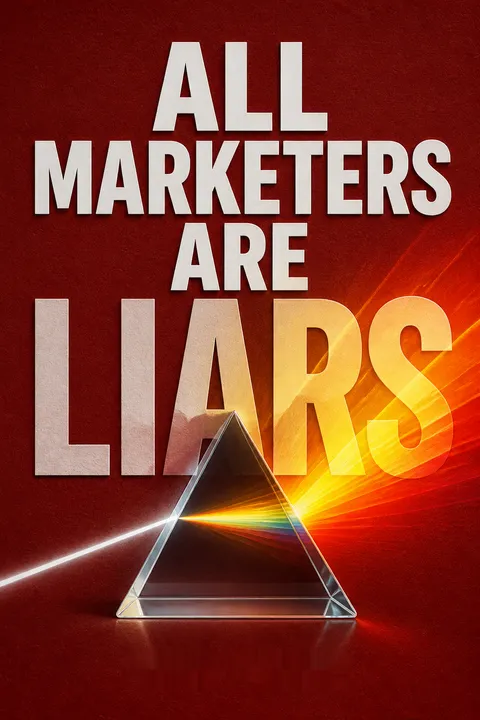
أهم النقاط
1. التسويق هو سرد قصص حقيقية تتناغم مع وجهات نظر المستهلكين
المسوقون ليسوا كاذبين، بل هم رواة قصص. أما المستهلكون فهم من يختلقون الأكاذيب.
القصص تحرك سلوك المستهلك. النجاح في التسويق لا يكمن في عرض الحقائق فقط، بل في صياغة سرديات تتوافق مع معتقدات ورغبات المستهلكين القائمة. هذه القصص تتيح للمستهلكين أن يبرروا لأنفسهم "أكاذيب" تدعم قراراتهم الشرائية وسلوكياتهم.
وجهات النظر تشكل الإدراك. لكل مستهلك مجموعة فريدة من الانحيازات والقيم والافتراضات التي تشكل نظرته للعالم. هذه النظرة تؤثر على كيفية تفسيرهم لرسائل التسويق واتخاذهم للقرارات. لذا يجب على المسوقين فهم هذه الرؤى وتلبية احتياجاتها للوصول بفعالية إلى جمهورهم المستهدف.
الأصالة هي الأساس. رغم أن المسوقين يصنعون القصص، إلا أن هذه السرديات يجب أن تكون متجذرة في الحقيقة ومتسقة مع هوية العلامة التجارية. فالمستهلكون سريعو الملاحظة ويرفضون الجهود التسويقية غير الصادقة أو التلاعبية. أنجح القصص هي تلك التي يؤمن بها المسوقون أنفسهم ويجسدونها.
2. يركز المسوقون الناجحون على صياغة قصصهم بما يتناسب مع المعتقدات القائمة
لا يمكنك اختلاق القصة. القصة تحدث معك أو بدونك.
الإطار مهم. يجب على المسوقين تقديم قصصهم بطريقة تتناسب مع وجهات نظر المستهلكين الحالية. وهذا يتطلب استخدام لغة وصور ومفاهيم تتناغم مع معتقدات وتوقعات الجمهور المستهدف.
تغيير العقول صعب. من الأكثر فعالية أن تجد جمهورًا يشارك بالفعل رؤية متوافقة بدلاً من محاولة تغيير المعتقدات الأساسية للناس. لذا ينبغي للمسوقين التركيز على تحديد واستهداف الجماهير التي تتوافق وجهات نظرها مع المنتج أو الخدمة.
الاتساق ضروري. يجب أن تكون القصة متماسكة في جميع جوانب العلامة التجارية، من تصميم المنتج إلى خدمة العملاء. أي تناقض قد يكسر الوهم ويفقد المستهلكين ثقتهم في السرد.
3. يتخذ المستهلكون أحكامًا سريعة بناءً على الانطباعات الأولى ومعلومات محدودة
الإنسان قادر على اتخاذ أحكام معقدة في جزء من الثانية. ومتى ما استخلص هذا الحكم، فإنه يقاوم تغييره.
القرارات السريعة هي المسيطرة. يشكل المستهلكون آراءهم عن المنتجات والخدمات والعلامات التجارية خلال ثوانٍ من التعرف عليها. هذه الأحكام السريعة تستند إلى معلومات محدودة وتتأثر بشدة بالانحيازات والتوقعات المسبقة.
الانطباعات الأولى مهمة. التفاعل الأول للمستهلك مع العلامة التجارية أو المنتج يحدد نغمة جميع التفاعلات المستقبلية. لذا يجب على المسوقين ضمان أن كل نقطة اتصال، من التغليف إلى الإعلان، تنقل القصة المرغوبة بشكل متسق.
التنافر المعرفي يؤثر على الإدراك. بعد تكوين الرأي، يميل المستهلكون إلى البحث عن معلومات تؤكد حكمهم الأول وتجاهل الأدلة المخالفة. لذلك من الضروري للمسوقين أن يضبطوا القصة بشكل صحيح منذ البداية.
4. القصص العظيمة تكون دقيقة، متسقة، وتستهدف العواطف أكثر من المنطق
أفضل القصص لا تعلم الناس شيئًا جديدًا، بل تتفق مع ما يؤمن به الجمهور بالفعل وتجعلهم يشعرون بالذكاء والأمان عندما يتذكرون مدى صحة معتقداتهم الأصلية.
العاطفة تتفوق على المنطق. القصص التسويقية الناجحة تستهدف مشاعر ورغبات المستهلكين بدلاً من تقديم حجج عقلانية بحتة. فالناس يتخذون قراراتهم بناءً على كيف تجعلهم المنتجات أو الخدمات يشعرون، وليس فقط على فوائدها العملية.
الدقة لها قوة. أكثر القصص تأثيرًا هي تلك التي تتيح للمستهلكين استنتاج الرسالة بأنفسهم بدلاً من التصريح بها صراحة. هذا يخلق شعورًا بالاكتشاف والارتباط الشخصي بالعلامة التجارية.
الاتساق في نقاط الاتصال. يجب أن يعزز كل جانب من جوانب وجود العلامة التجارية القصة الأساسية، من تصميم المنتج إلى تفاعلات خدمة العملاء. هذا يخلق سردًا متماسكًا يسهل على المستهلكين فهمه واحتضانه.
5. الأصالة ضرورية للنجاح طويل الأمد في التسويق
إذا لم تكن صادقًا، فستجني فائدة عملية بيع واحدة فقط، وليس مئة. تكلفة خداعك مرتفعة جدًا.
الثقة تبني الولاء. القصص الأصيلة التي تتماشى مع قيم وأفعال العلامة التجارية الحقيقية تخلق ثقة مع المستهلكين. وهذه الثقة تؤدي إلى علاقات طويلة الأمد وأعمال متكررة.
الشفافية مهمة. في عصر وسائل التواصل الاجتماعي وتبادل المعلومات الفوري، تُكشف محاولات الخداع بسرعة. لذا يجب على العلامات التجارية أن تكون صادقة بشأن منتجاتها وممارساتها وقيمها للحفاظ على مصداقيتها.
عيش القصة. المسوقون الناجحون لا يروون القصص فقط، بل يجسدونها. يجب أن يعكس كل جانب من جوانب المنظمة ويعزز السرد الأساسي، من قرارات القيادة إلى سلوك الموظفين.
6. يجب على المسوقين أن يذهبوا إلى الأطراف ليخلقوا قصصًا مميزة وقابلة للانتشار
لا توجد قصص صغيرة، بل مسوقون صغار فقط.
تميز عن الآخرين. في عالم مليء برسائل التسويق، يصبح التميز ضروريًا لجذب الانتباه. وغالبًا ما يتطلب ذلك اتخاذ مواقف جريئة وغير متوقعة تدفع الحدود.
استهدف جماهير متخصصة. التركيز في البداية على مجموعات صغيرة وشغوفة يمكن أن يؤدي إلى قصص أكثر أصالة وقابلية للانتشار. هؤلاء المتبنون الأوائل يمكن أن يصبحوا دعاة أقوياء للعلامة التجارية.
احتضان الجدل. أحيانًا، اتخاذ موقف قوي في قضايا مثيرة للانقسام يمكن أن يخلق قصصًا أكثر جذبًا وذاكرة. لكن يجب موازنة هذا مع الأصالة وقيم العلامة التجارية.
7. التفاعلات الشخصية هي المفتاح لتغيير تصورات وسلوكيات المستهلكين
التفاعل الشخصي يخترق كل الفلاتر.
الاتصال الإنساني مهم. التفاعلات المباشرة والشخصية بين المستهلكين وممثلي العلامة التجارية لها تأثير قوي على التصورات والسلوكيات. هذه اللقاءات يمكن أن تتجاوز الأفكار المسبقة وتخلق انطباعات دائمة.
تمكين الموظفين. السماح للموظفين بالتفاعل بصدق مع العملاء، بدلاً من اتباع نصوص جامدة، يمكن أن يؤدي إلى تفاعلات أكثر معنى وإقناعًا.
الاستفادة من الكلام المتداول. تشجيع وتسهيل التوصيات الشخصية بين المستهلكين يمكن أن يكون أكثر فعالية من الإعلانات التقليدية في نشر قصص العلامة التجارية.
8. الاعتبارات الأخلاقية ضرورية في صياغة ونشر قصص التسويق
التسويق اليوم قوي جدًا لدرجة أن المسوقين يتحملون مسؤولية جديدة.
العواقب طويلة الأمد مهمة. يجب على المسوقين مراعاة التأثير الأوسع لقصصهم على الأفراد والمجتمع. السرد الأخلاقي يبني علامات تجارية مستدامة ويتجنب ردود الفعل السلبية المحتملة.
تجنب الخداع الضار. رغم أن كل تسويق ينطوي على سرد قصصي، فإن تضليل المستهلكين عمدًا أو الترويج لمنتجات ضارة أمر غير أخلاقي ويؤدي في النهاية إلى نتائج عكسية.
تمكين المستهلكين. يجب أن يهدف التسويق الأخلاقي إلى تحسين حياة المستهلكين وتمكينهم من اتخاذ قرارات مستنيرة، بدلاً من التلاعب بهم لتحقيق مكاسب قصيرة الأمد.
ملخص المراجعات
يقدم كتاب "جميع المسوقين كذابون" نهجًا جديدًا في عالم التسويق، يركز على سرد القصص الأصيلة التي تتناسب مع وجهات نظر المستهلكين الحالية. يؤكد غودين في هذا الكتاب أن المسوقين الناجحين هم من يبدعون قصصًا جذابة تتناغم مع جمهورهم المستهدف، بدلاً من محاولة تغيير معتقداتهم. يسلط الكتاب الضوء على أهمية تأطير المنتجات ضمن قصص تتوافق مع رؤى المستهلكين، مع التركيز على المستخدمين الأوائل لنشر الرسالة بشكل فعّال. وعلى الرغم من أن بعض القراء وجدوا المحتوى متكررًا أو مبسطًا بشكل مفرط، إلا أن الكثيرين أشادوا برؤاه حول تقنيات التسويق الحديثة وقابليتها للتطبيق في مختلف الصناعات.
قرأ الآخرون أيضًا

الأسئلة الشائعة
What's "All Marketers Are Liars" about?
- Storytelling in Marketing: The book explores the power of storytelling in marketing, emphasizing that successful marketers tell stories that resonate with consumers' worldviews.
- Consumer Beliefs: It argues that consumers buy products not just for their utility but because of the stories they believe about them.
- Authenticity Matters: The book stresses the importance of authenticity in storytelling, as consumers are quick to spot and reject inauthentic stories.
- Marketing in a Low-Trust World: It addresses the challenges marketers face in a world where consumers are skeptical and less trusting of traditional advertising.
Why should I read "All Marketers Are Liars"?
- Understand Consumer Behavior: The book provides insights into why consumers make purchasing decisions based on stories rather than facts.
- Improve Marketing Strategies: It offers practical advice on crafting authentic stories that align with consumer worldviews, which can enhance marketing effectiveness.
- Navigate a Low-Trust Environment: The book helps marketers understand how to build trust with consumers through genuine storytelling.
- Broaden Marketing Perspective: It challenges traditional marketing approaches, encouraging readers to think creatively about how they communicate with their audience.
What are the key takeaways of "All Marketers Are Liars"?
- Stories Over Facts: Consumers prefer stories that align with their beliefs over factual information when making purchasing decisions.
- Authenticity is Crucial: Authentic stories that resonate with consumers' worldviews are more likely to be believed and shared.
- Worldviews Matter: Understanding and targeting specific consumer worldviews can significantly enhance the effectiveness of marketing efforts.
- Marketing as Storytelling: Successful marketing is about telling compelling stories that consumers want to believe and share.
What are the best quotes from "All Marketers Are Liars" and what do they mean?
- "We believe what we want to believe, and once we believe something, it becomes a self-fulfilling truth." This highlights the power of belief in shaping consumer behavior and the importance of aligning marketing stories with those beliefs.
- "The only way your story will be believed...is if you tell the truth." This emphasizes the necessity of authenticity in storytelling to build trust with consumers.
- "Marketing is powerful. Use it wisely." This serves as a reminder of the ethical responsibility marketers have in influencing consumer decisions.
- "Tell your story to people who are inclined to believe it." This suggests targeting marketing efforts towards audiences whose worldviews align with the story being told.
How does Seth Godin define "worldview" in "All Marketers Are Liars"?
- Consumer's Lens: Worldview refers to the rules, values, beliefs, and biases that a consumer brings to a situation.
- Influence on Decisions: It affects how consumers perceive and interpret marketing messages and ultimately influences their purchasing decisions.
- Pre-existing Beliefs: Worldviews are shaped by a consumer's past experiences, culture, and environment, and they determine what stories a consumer is likely to believe.
- Targeting Worldviews: Marketers should identify and target specific worldviews to effectively communicate their stories.
What is the role of "frames" in marketing according to "All Marketers Are Liars"?
- Leverage Worldviews: Frames are used to present a story in a way that aligns with a consumer's existing worldview, making it more likely to be accepted.
- Storytelling Tool: They are the elements of a story—words, images, interactions—that reinforce a consumer's biases and make the story more compelling.
- Influence Perception: Frames help shape how a consumer perceives a product or service, often by highlighting certain aspects that resonate with their beliefs.
- Essential for Success: Using the right frames is crucial for marketers to ensure their stories are noticed and believed by the target audience.
How does "All Marketers Are Liars" suggest marketers handle competition?
- Differentiate Your Story: Instead of trying to outdo competitors with the same story, tell a different story that appeals to a different aspect of the consumer's worldview.
- Avoid Direct Competition: Competing directly with a well-established story is difficult; instead, find a unique angle or underserved market segment.
- Split the Community: Identify subgroups within a market that have distinct worldviews and tailor your story to appeal specifically to them.
- Focus on Authenticity: Ensure that your story is authentic and consistent, as this builds trust and differentiates you from competitors.
What does Seth Godin mean by "authenticity" in "All Marketers Are Liars"?
- Consistency in Storytelling: Authenticity means that the story a marketer tells is consistent with the reality of the product or service.
- Building Trust: Authentic stories build trust with consumers, as they are more likely to be believed and shared.
- Living the Story: Marketers must live the story they tell, ensuring that every aspect of their business aligns with the story's message.
- Avoiding Deception: Authenticity involves avoiding deceitful marketing practices that can damage consumer trust and brand reputation.
How does "All Marketers Are Liars" address the ethical responsibilities of marketers?
- Power of Marketing: The book acknowledges the significant influence marketing has on consumer behavior and the responsibility that comes with it.
- Avoiding Harm: Marketers should avoid telling stories that could lead to negative consequences for consumers or society.
- Long-term Impact: Ethical marketing practices build long-term trust and brand loyalty, while deceitful practices can lead to short-term gains but long-term damage.
- Transparency and Honesty: Marketers are encouraged to be transparent and honest in their storytelling to maintain credibility and consumer trust.
What is the significance of "first impressions" in "All Marketers Are Liars"?
- Instant Judgments: Consumers make snap judgments about products and services based on first impressions, which are often difficult to change.
- Importance of Authenticity: Authenticity in storytelling helps ensure that first impressions align with the reality of the product or service.
- Every Interaction Counts: Marketers must ensure that every consumer interaction supports the story being told, as any inconsistency can undermine the first impression.
- Influence on Perception: First impressions shape how consumers perceive a brand and can significantly impact their purchasing decisions.
How does "All Marketers Are Liars" suggest marketers use "personal interaction"?
- Cut Through Filters: Personal interaction is a powerful way to change or reinforce the story a consumer believes, as it cuts through preconceived notions.
- Human Connection: Genuine, human interactions can build trust and credibility, making the story more believable.
- Empower Employees: Allowing employees to engage authentically with consumers can enhance the storytelling process and strengthen the brand's message.
- Direct Impact: Personal interactions have a direct impact on consumer perceptions and can be a decisive factor in their decision-making process.
What are some examples of successful storytelling in "All Marketers Are Liars"?
- Kiehl’s Since 1851: The brand tells a story of authenticity and personal care, which resonates with consumers seeking unique and genuine products.
- Riedel Wine Glasses: Riedel tells a story that their glasses enhance the wine-tasting experience, which consumers believe and share, despite scientific evidence to the contrary.
- Whole Foods Market: The chain tells a story of health and sustainability, appealing to consumers who value organic and environmentally friendly products.
- Puma Sneakers: Puma creates a story of fashion and individuality, which resonates with consumers looking to express their personal style.
عن المؤلف
كتب أخرى لـ سيث غودين






تحميل PDF
تحميل EPUB
.epub digital book format is ideal for reading ebooks on phones, tablets, and e-readers.








































