
أهم النقاط
1. الكتابة الإعلانية الفعالة تعتمد على تواصل واضح وموجه
"الكتابة الإعلانية ليست مجرد نسخ، بل هي تواصل بطريقة أصلية."
حدد هدفك بدقة. تبدأ الكتابة الإعلانية الفعالة بفهم واضح لأهدافك. سواء كنت تكتب للإعلان، أو بناء العلامة التجارية، أو وصف المنتجات، يجب أن يكون لنصك هدف محدد وجمهور مستهدف واضح.
ركّز على الفوائد لا على المواصفات. بدلاً من سرد ما يفعله المنتج، اشرح كيف سيحسن حياة القارئ. دائماً استبق أسئلة القارئ وأجب عنها قبل أن يطرحها.
اجعل النص بسيطاً وموجزاً. استخدم كلمات قصيرة وواضحة وبنى جمل بسيطة. تجنب المصطلحات المعقدة أو اللغة الفنية المفرطة. تذكر أن هدفك هو التواصل بفعالية، لا استعراض مفرداتك.
2. فهم جمهورك أمر حاسم لكتابة مقنعة
"نقطة البداية هي أن تضع جانباً الأنا، وتنسى كل الأفكار عن التعبير عن آرائك الشخصية، وترتدي زي الشركة."
أنشئ ملفات تعريف مفصلة للجمهور. كوّن صورة واضحة عن القارئ المستهدف، تشمل بياناته الديموغرافية، اهتماماته، مشاكله، وطموحاته. استخدم هذه المعلومات لتخصيص رسالتك ونبرة صوتك.
تحدث بلغتهم. تبنَّ مفردات وأسلوب تواصل يتناسب مع جمهورك. قد يعني هذا استخدام مصطلحات متخصصة لجمهور الأعمال أو نبرة أكثر ودية للشباب.
لبّ احتياجاتهم ودوافعهم. افهم ما يحفز جمهورك وصغ نصك ليخاطب هذه الدوافع. سواء كان حل مشكلة، تحقيق هدف، أو إشباع رغبة، يجب أن يوضح نصك كيف يلبي منتجك أو خدمتك هذه الاحتياجات.
3. اصنع صوت علامة تجارية قوي من خلال رسائل متسقة
"تُوصف العلامة التجارية بطرق مختلفة مثل 'تجربة أي شخص معك'، أو 'الحدس الذي يشعر به شخص تجاه منظمتك'، أو 'ما يقوله الناس عنك عندما تغادر الغرفة'."
طور دليل شامل لنبرة الصوت. أنشئ وثيقة تحدد شخصية علامتك التجارية، قيمها، وأسلوب تواصلها. أدرج أمثلة على ما يجب وما لا يجب فعله لضمان الاتساق في جميع المواد المكتوبة.
كن أصيلاً ومميزاً. يجب أن يعكس صوت علامتك التجارية شخصية شركتك وقيمها الفريدة. تجنب تقليد المنافسين، وركز على ما يجعل علامتك مميزة وواصل توصيل ذلك بثبات.
حافظ على الاتساق عبر جميع المنصات. سواء كان إعلان مطبوع، نص موقع إلكتروني، أو منشور على وسائل التواصل، يجب أن يبقى صوت علامتك معروفاً ومتسقاً. هذا الاتساق يبني الثقة والاعتراف لدى جمهورك.
4. هيكل كتابتك لتوجه وتشد القارئ
"لا تخف من الصفحة البيضاء، فحالة انسداد الكاتب أسطورة لا وجود لها."
استخدم تسلسل معلومات واضح. نظم محتواك بعناوين رئيسية وفرعية ونقاط مرقمة لتسهيل التصفح. هذا الهيكل يساعد القارئ على إيجاد المعلومات بسرعة.
ابدأ بقوة وأنهِ بتأثير. اصنع عناوين جذابة وجمل افتتاحية تشد القارئ. اختم بدعوة واضحة لاتخاذ إجراء أو بعبارة تترك أثراً تعزز رسالتك الأساسية.
وظف تقنية "الوعد، التنفيذ، التذكير".
- الوعد: قدم ما سيتعلمه أو سيكسبه القارئ.
- التنفيذ: قدم المعلومات أو الفوائد التي وعدت بها.
- التذكير: عزز النقاط الرئيسية وكيف تفيد القارئ.
5. خصص أسلوبك لأشكال التسويق المختلفة
"كتابة رسائل مخصصة للعملاء، من العروض الترويجية إلى إعلانات المتاجر، ومن اللافتات الإرشادية إلى وعود خدمة العملاء، ليست صعبة بحد ذاتها."
النصوص الإعلانية:
- ركز على خلق فكرة قوية ولا تُنسى
- استخدم لغة مقنعة ونبرات عاطفية
- اجعل النص موجزاً وذو تأثير
التسويق المباشر:
- خصص رسالتك لكل عميل
- أدرج دعوة واضحة وجذابة لاتخاذ إجراء
- أبرز الفوائد الفورية أو العروض المحدودة زمنياً
الكتيبات والكتالوجات:
- نظم المعلومات بشكل منطقي
- استخدم نصوصاً وصفية تركز على الفوائد
- أدرج صوراً عالية الجودة تدعم النص
نصوص البيع بالتجزئة:
- اكتب أوصاف منتجات واضحة وموجزة
- استخدم تنسيقاً موحداً لتسهيل المقارنة
- أبرز الميزات والفوائد الرئيسية
6. أتقن فن المحتوى الرقمي الموجز والمؤثر
"الناس لا يقرؤون على الإنترنت، بل يمسحون النص بحثاً عن المادة التي دخلوا الموقع من أجلها."
اكتب للماسحين، لا للقراء. استخدم فقرات قصيرة، نقاط مرقمة، وعناوين فرعية لتقسيم النص وجعله سهل التصفح.
ضع المعلومات المهمة في البداية. قدم أهم التفاصيل في بداية الفقرات والجمل، لأن كثيرين لن يقرأوا حتى النهاية.
حسّن لمحركات البحث:
- استخدم كلمات مفتاحية ذات صلة بشكل طبيعي في النص
- اكتب عناوين ووصفات ميتا غنية بالكلمات المفتاحية
- أنشئ عناوين فرعية قابلة للبحث وغنية بالمعلومات
اصنع دعوات لاتخاذ إجراء جذابة. استخدم لغة تحفيزية وخلق إحساس بالعجلة لتشجيع التفاعل والتحويلات.
7. ارتقِ بنصوصك من خلال التحرير المستمر والتنقيح
"سر الكتابة الرائعة يكمن في طريقة تحرير المسودة الأصلية."
اكتب بحرية، وحرر بقسوة. دون أفكارك دون القلق من الكمال، ثم راجع ونقح نصك عدة مرات.
احذف الكلمات غير الضرورية. تخلص من التكرار، الكلمات الحشو، والعبارات المعقدة. يجب أن يخدم كل كلمة غرضاً.
اقرأ نصك بصوت عالٍ. هذا يساعدك على اكتشاف العبارات المحرجة، الجمل الطويلة، وأماكن يمكن تحسين السلاسة فيها.
احصل على ملاحظات وآراء جديدة. شارك نصك مع زملاء أو اختبره مع جمهورك المستهدف. كن منفتحاً على النقد البناء ومستعداً لإجراء التعديلات.
واصل تطوير مهاراتك.
- ادرس أمثلة ناجحة في الكتابة الإعلانية
- تابع أحدث الاتجاهات وأفضل الممارسات في المجال
- مارس بانتظام وتعلم من كل مشروع تخوضه
ملخص المراجعات
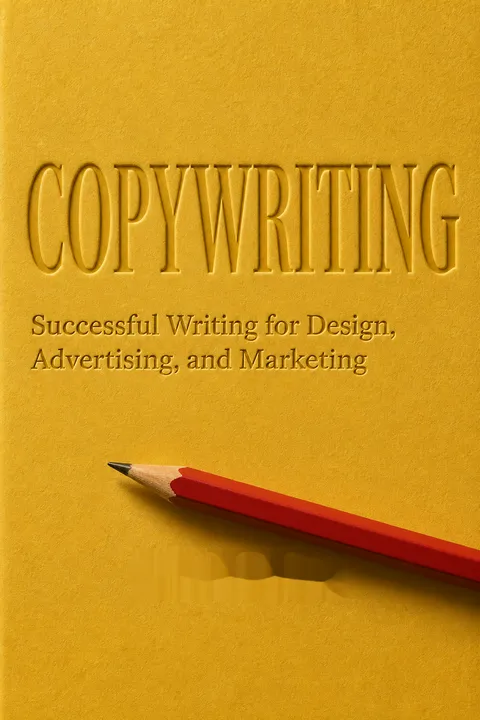
يحظى كتاب "الكتابة الإعلانية" لمارك شو بتقييمات إيجابية بشكل عام، حيث يبلغ متوسط تقييمه 4.06 من 5. يجد القراء أن الكتاب مفيد للمبتدئين والمحترفين على حد سواء، مشيدين بتناوله الشامل لتقنيات الكتابة الإعلانية، مع تقديم أمثلة واقعية ودراسات حالة تعزز الفهم. يُقدَّر الكتاب لبنيته الواضحة، ونصائحه العملية، وفائدته المتنوعة عبر مختلف الوسائط. من بين الانتقادات التي وُجهت له وجود بعض المحتوى التسويقي الرقمي القديم، والحاجة إلى المزيد من الأمثلة غير المرتبطة بالشركات الكبرى. وبشكل عام، يوصي المراجعون به كمصدر قيم لتطوير مهارات الكتابة الإعلانية وفهم هذا الفن.
قرأ الآخرون أيضًا






الأسئلة الشائعة
What is Copywriting: Successful Writing for Design, Advertising, and Marketing by Mark Shaw about?
- Comprehensive copywriting guide: The book explores the principles and techniques of copywriting for design, advertising, and marketing, focusing on creative communication rather than just grammar or sales tactics.
- Brand and audience focus: It emphasizes understanding brand values, tone of voice, and audience needs to craft effective, original messages.
- Practical tools and examples: Includes case studies, interviews with industry professionals, and exercises to help readers apply concepts in real-world scenarios.
Why should I read Copywriting: Successful Writing for Design, Advertising, and Marketing by Mark Shaw?
- Essential modern skills: The book teaches how to create clear, compelling messages that stand out in today’s crowded media landscape.
- Global relevance: Mark Shaw’s techniques are applicable internationally, reflecting the unified nature of branding and messaging.
- Strategic and creative insights: It’s valuable for copywriters, designers, marketers, and brand managers seeking to integrate copywriting with broader marketing strategies.
What are the key takeaways from Copywriting: Successful Writing for Design, Advertising, and Marketing by Mark Shaw?
- Copywriting is brand-centric: Writers must set aside personal ego to become the brand’s voice, focusing on client values and audience needs.
- Benefits over features: Effective copy highlights how products or services improve customers’ lives, always answering the “so what?” question.
- Preparation and editing: The majority of time should be spent organizing material and editing for clarity, impact, and conciseness.
What are the core principles of copywriting according to Mark Shaw in Copywriting: Successful Writing for Design, Advertising, and Marketing?
- Audience understanding: Deeply profile target audiences to ensure messages resonate and prompt action.
- Creative concept development: Use lateral thinking to brainstorm original ideas and avoid clichés.
- Editing for impact: Ruthlessly cut unnecessary words and tighten messages to transform good copy into great copy.
How does Mark Shaw define and recommend taking a great copy brief in Copywriting: Successful Writing for Design, Advertising, and Marketing?
- Active briefing process: Copywriters should ask clarifying questions and never passively accept information, ensuring no assumptions are made.
- Three essential elements: A strong brief includes a detailed audience profile, a clear core message, and a compelling benefit or unique selling proposition (USP).
- Collaboration and research: Interview stakeholders, conduct research, and share the copy brief early for approval to avoid issues later.
What is Mark Shaw’s process for writing great copy in Copywriting: Successful Writing for Design, Advertising, and Marketing?
- Thorough preparation: Spend about 70% of the time processing and organizing material before drafting.
- Creative brainstorming: Develop original concepts that connect product benefits to audience lifestyles.
- Rigorous editing: Edit mercilessly for clarity, brevity, and impact, ensuring the final copy is polished and effective.
How does Copywriting: Successful Writing for Design, Advertising, and Marketing by Mark Shaw address tone of voice and brand consistency?
- Reflect brand personality: Tone of voice must be appropriate, credible, and consistent across all communications.
- Use tone-of-voice guides: Employ brand essence documents, word banks, and sample copy to help maintain consistency.
- Training and control: Limit who writes high-profile copy and provide training to ensure all messaging aligns with brand values.
What advice does Mark Shaw give on naming brands and products in Copywriting: Successful Writing for Design, Advertising, and Marketing?
- Strategic and creative process: Naming requires vision, creativity, and commitment to ensure resonance and market fit.
- Brainstorming and shortlisting: Use dictionaries, word amalgamations, and lateral thinking to generate and refine name options.
- Trademark and research checks: Always verify name availability and use research to inform, but not dictate, the final decision.
How does Mark Shaw differentiate between advertising and direct marketing copywriting in Copywriting: Successful Writing for Design, Advertising, and Marketing?
- Advertising as one-way communication: Focuses on raising awareness and influencing habits through creative, conceptual messages.
- Direct marketing as two-way communication: Targets specific audiences for immediate responses via mailers, telemarketing, or email.
- Copywriting approach differences: Advertising copy is often more emotional and conceptual, while direct marketing copy is benefit-led with strong calls to action.
What are Mark Shaw’s recommendations for writing copy for retailing and product packaging in Copywriting: Successful Writing for Design, Advertising, and Marketing?
- Support the customer journey: Retail copy guides, informs, and entices shoppers from signage to packaging.
- Simplicity and clarity: Messages should be concise, benefit-focused, and consistent with the retailer’s brand personality.
- Collaboration and control: Work closely with designers and marketing teams to manage tone, word count, and legal requirements.
How does Copywriting: Successful Writing for Design, Advertising, and Marketing by Mark Shaw approach digital content, websites, and social media?
- Write for scanning: Online copy must be brief, punchy, and structured for easy navigation and quick comprehension.
- Plan and structure: Develop logical site plans, collaborate with designers, and prepare for ongoing updates and SEO.
- Engage with personality: Use conversational tone and multimedia to engage audiences, while maintaining professionalism and brand consistency.
What are the best quotes from Copywriting: Successful Writing for Design, Advertising, and Marketing by Mark Shaw and what do they mean?
- “If you don’t get noticed, you don’t have anything…” — Leo Burnett: Stresses the importance of authentic creativity that attracts attention without gimmicks.
- “Good things, when short, are twice as good.” — Baltasar Gracián: Highlights the value of brevity and concise messaging.
- “Don’t Make Me Think” — Steve Krug: Encourages intuitive, user-friendly web content that respects users’ time and attention.
- “The Internet has rapidly become the tool of choice…” — Naomi Klein: Reflects on the transparency and accountability challenges brands face in the digital age.
تحميل PDF
تحميل EPUB
.epub digital book format is ideal for reading ebooks on phones, tablets, and e-readers.








































