أهم النقاط
1. الحكم الجمالي شكل فريد من أشكال الإدراك
"حكم الذوق هو حكم جمالي، ويختلف عن الأحكام المعرفية والعملية."
ما وراء الإدراك العقلاني. يرى كانط أن الحكم الجمالي هو قدرة ذهنية مستقلة تعمل بطريقة تختلف عن الفهم العلمي أو التفكير الأخلاقي. فهو ينطوي على تفاعل حر بين الخيال والفهم لا يعتمد على قواعد مفهومية صارمة أو نتائج محددة سلفًا.
خصائص الحكم الجمالي:
- ذاتي لكنه يدعي الصلاحية العالمية
- لا يستند إلى مفاهيم حاسمة
- يمنح متعة فورية دون مصلحة عملية
- يتضمن تفاعلًا متناغمًا بين القدرات المعرفية
نمط إدراكي فريد. يسمح الحكم الجمالي لنا بتجربة الأشياء والظواهر بطريقة تتجاوز الإدراك الحسي البسيط أو التحليل المنطقي، فهو يمثل نمطًا خاصًا من التفاعل مع العالم يجمع بين الطابع الشخصي والإمكانية التواصلية.
2. الجمال ذاتي لكنه عالمي
"الجمال هو شكل الغائية في الشيء، بقدر ما يُدرك فيه منفصلًا عن تمثيل الغاية."
مفارقة التجربة الجمالية. يستكشف كانط كيف يمكن للجمال أن يكون شخصيًا وعالميًا في آن واحد. فبينما يختلف الذوق الفردي، تسعى الأحكام الجمالية إلى نوع من الفهم المشترك الذي يتجاوز التفضيل الشخصي البحت.
مكونات الجمال الأساسية:
- متعة خالية من المصلحة
- خالية من الفائدة العملية
- تدعي إمكانية التواصل العالمي
- تنشأ من تفاعل معرفي متناغم
عالمية ذاتية. الجمال ليس قابلًا للتعريف الموضوعي، بل هو تجربة ذاتية تسعى مع ذلك إلى اتفاق الآخرين، مما يجعل الحكم الجمالي شكلًا فريدًا من الإدراك الإنساني يجسر بين التجربة الفردية والفهم الجماعي.
3. السامي يتجاوز التجربة الحسية العادية
"السامي هو القدرة الخالصة على التفكير التي تدل على قدرة عقلية تتجاوز كل معيار من معايير الحواس."
تجارب مهيبة. يمثل السامي لحظات تتحدى فيها قدراتنا الحسية والمعرفية تجارب تتجاوز الفهم العادي، مثل المشاهد الطبيعية الشاسعة، الظواهر الطبيعية القوية، أو المفاهيم الفكرية العميقة.
الديناميات النفسية:
- يولد مزيجًا من الخوف والرهبة
- يكشف عن قدرات العقل البشري
- يظهر قوة العقل على حدود الحواس
- يثير شعورًا بالتجاوز والسمو
التوسع الروحي والفكري. تذكرنا المواجهات مع السامي بقدرتنا على التفكير خارج القيود المادية الفورية، مما يبرز إمكاناتنا للنمو الفكري والأخلاقي.
4. الخيال والفهم يخلقان المتعة الجمالية
"الذوق هو القدرة على الحكم على شيء أو نمط تمثيل من خلال المتعة أو النفور بعيدًا عن أي مصلحة."
تناغم معرفي. تنشأ المتعة الجمالية من تفاعل عفوي متناغم بين الخيال والفهم، حيث يسمح هذا اللعب الحر بإدراك إبداعي غير مقيد بالقواعد المفهومية الصارمة.
تفاعل إبداعي:
- يوفر الخيال تمثيلًا مرنًا
- يوفر الفهم تماسكًا هيكليًا
- لا يهيمن أحدهما على الآخر
- يخلق تجربة معرفية ممتعة
الإبداع الذهني. يبرز هذا التفاعل مرونة العقل البشري، موضحًا كيف يمكننا توليد تجارب ذات معنى تتجاوز الأطر المنطقية الجامدة.
5. الفن يكشف الصلة الرمزية بين التجارب الحسية والأخلاقية
"الجمال هو رمز الأخلاق."
جسر جمالي-أخلاقي. يوفر الفن والتجارب الجمالية لغة مجازية تربط بين الإدراك الحسي والفهم الأخلاقي، حيث يصبح الجمال وسيلة لتجربة وتعبير المفاهيم الأخلاقية.
التمثيل الرمزي:
- تشير الأشكال الجمالية إلى صفات أخلاقية
- يستثير الجمال الحساسيات الأخلاقية
- ينقل الفن أفكارًا معقدة تتجاوز الوصف الحرفي
- يوفر رؤى أخلاقية حدسية
الأهمية الثقافية والنفسية. يفسر هذا الارتباط سبب شعور بعض التجارب الجمالية بالعمق والمعنى والإمكانية التحولية.
6. الطبيعة تظهر تصميمًا هادفًا يتجاوز التفسير الميكانيكي
"الطبيعة تنظم نفسها، وتفعل ذلك في كل نوع من منتجاتها المنظمة."
منظور غائي. يرى كانط أن بعض الظواهر الطبيعية لا يمكن تفسيرها بالكامل من خلال السببية الميكانيكية، بل تتطلب فهمًا عبر مفهوم الغائية.
مبادئ التصميم الطبيعي:
- الكائنات الحية تظهر قدرات تنظيم ذاتي
- الأنظمة الطبيعية تظهر غائية جوهرية
- التفسيرات الميكانيكية غير كافية للكائنات المعقدة
- الطبيعة تعرض منطقًا تنظيميًا فطريًا
الآثار الفلسفية. يتحدى هذا الرأي الفهم الميكانيكي البحت للطبيعة، مقترحًا وجود مبدأ أعمق وربما ذكي وراءها.
7. الحكم الغائي يساعدنا على فهم الأنظمة العضوية
"المنتج الطبيعي المنظم هو الذي يكون فيه كل جزء متبادل كغاية ووسيلة."
تعقيد عضوي. تظهر الأنظمة الحية شكلًا فريدًا من السببية حيث تولد الأجزاء بعضها البعض وتحافظ على الكل، بخلاف الأنظمة الميكانيكية ذات العلاقات السببية الخطية.
خصائص الكائنات الحية:
- تنتج وتحافظ على نفسها ذاتيًا
- الأجزاء تؤدي وظائف أداتية وتوليدية
- تظهر ترابطًا معقدًا متبادلًا
- لا يمكن اختزالها إلى تفاعلات ميكانيكية بسيطة
الأهمية العلمية والفلسفية. يوفر هذا المنظور إطارًا لفهم تعقيد الحياة يتجاوز النهج العلمي الاختزالي.
8. الذوق يعكس قدراتنا المعرفية والأخلاقية
"الذوق هو القدرة على الحكم على تقديم الأفكار الأخلاقية من حيث الحواس."
تنقية معرفية. يمثل الذوق قدرة ذهنية متطورة تدمج الإدراك الحسي، الفهم المعرفي، والحساسية الأخلاقية.
تطوير الذوق:
- يتطلب تنمية القدرات الذهنية
- يعكس التنشئة الثقافية والشخصية
- يربط التجربة الحسية بالمجالات الفكرية والأخلاقية
- يدل على مرونة معرفية
الأهمية الشخصية والاجتماعية. تطوير الذوق يتجاوز التقدير الجمالي ليعبر عن نمو فكري وأخلاقي.
9. التجربة الجمالية تجسر بين العوالم الحسية والفكرية
"الجميل هو ما يسرّ مباشرة من خلال مقاومته لمصلحة الحواس."
إدراك متسامٍ. توفر التجارب الجمالية نمطًا فريدًا من الفهم يتجاوز المدخلات الحسية البحتة أو التجريد الفكري.
آليات الجسر:
- يخلق الخيال تمثيلات ذات معنى
- يوفر الفهم تماسكًا هيكليًا
- تولد التجربة الجمالية رؤى جديدة
- تظهر مرونة معرفية
الأهمية الفلسفية. يكشف هذا المنظور عن الإمكانات الإبداعية والتحولية للإدراك البشري.
10. الإبداع الإنساني يتجلى من خلال العبقرية والتعبير الفني
"العبقرية هي الموهبة لإنتاج ما لا يمكن إعطاء قاعدة محددة له."
العفوية الإبداعية. تمثل العبقرية الفنية قدرة إنسانية فريدة على توليد أشكال تعبير أصلية وغير مسبوقة لا يمكن اختزالها إلى قواعد موجودة.
خصائص العبقرية:
- تنتج أعمالًا جديدة تتجاوز القواعد
- تظهر قدرات خيالية استثنائية
- تخلق تعبيرات ذات معنى عالمي
- تمثل الإمكانات الإبداعية البشرية
الأهمية الثقافية. تكشف العبقرية عن قدرة الإنسان على الابتكار الثقافي والفكري المستمر.
ملخص المراجعات
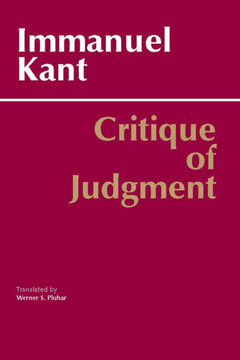
يحظى كتاب "نقد الحكم" بتقييمات متباينة، حيث يثني البعض على عمق رؤاه في مجال الجماليات والغاية، بينما يجد آخرون أسلوب كانط في الكتابة صعب الفهم. يقدّر القراء استكشاف كانط لمفاهيم الجمال، والسمو، والهدفية في الطبيعة، إلا أن اللغة الفلسفية الكثيفة تشكل عائقًا للبعض. يُعتبر هذا العمل من الكتب المحورية في نظام كانط الفلسفي، إذ يشكل جسرًا بين نقديه السابقين. تُعد مناقشات الكتاب حول الجماليات، والحكم، والغاية مؤثرة، رغم أن بعض القراء يرون أن الأجزاء المتعلقة بالغاية أقل جاذبية مقارنة بأجزاء الجماليات.
الأسئلة الشائعة
What's Critique of Judgment about?
- Philosophical Exploration: Immanuel Kant's Critique of Judgment explores the nature of aesthetic and teleological judgments, examining how we perceive beauty and purpose in both art and nature.
- Two Main Parts: The book is divided into two sections: the critique of aesthetic judgment, focusing on beauty and the sublime, and the critique of teleological judgment, addressing purposefulness in nature.
- Connection to Reason: Kant argues that judgments of taste and purpose are grounded in a priori principles, connecting our cognitive faculties to the world.
Why should I read Critique of Judgment by Immanuel Kant?
- Foundational Philosophy: This work is essential for understanding Kant's ideas on aesthetics and teleology, influencing fields like art, ethics, and science.
- Influence on Modern Thought: Kant's exploration of aesthetic judgment has significantly impacted contemporary philosophy, art criticism, and psychology.
- Critical Thinking Development: Engaging with Kant's arguments encourages reflection on subjective versus objective judgments and the principles underlying them.
What are the key takeaways of Critique of Judgment?
- Judgment of Taste: Aesthetic judgments are subjective but claim universal validity, based on a feeling of pleasure or displeasure from the harmony of cognitive faculties.
- Purposiveness in Nature: Kant discusses "purposiveness" in nature, suggesting that natural products can be understood as ends when recognized for their intrinsic organization.
- Moral Connection: The book emphasizes the link between aesthetic experiences and moral law, suggesting that beauty appreciation can deepen moral understanding.
What are the best quotes from Critique of Judgment and what do they mean?
- "Taste is the faculty...": This quote defines taste as the ability to judge beauty in a way that resonates universally, transcending individual preferences.
- "The beautiful is the symbol...": Kant suggests that beauty reflects moral values, elevating our perception of art and nature.
- "The beautiful is that which pleases...": This highlights that beauty is a universal experience of pleasure, not tied to specific concepts.
What is Kant's definition of aesthetic judgment in Critique of Judgment?
- Subjective Experience: Aesthetic judgment arises from pleasure or displeasure in response to an object, based on harmony between imagination and understanding.
- Universal Validity: Despite being subjective, aesthetic judgments claim universal acceptance by all rational beings.
- Disinterested Pleasure: These judgments are characterized by "disinterested pleasure," free from personal gain or desire.
How does Kant differentiate between the beautiful and the sublime in Critique of Judgment?
- Nature of Experience: The beautiful is associated with harmony and pleasure, while the sublime evokes awe and respect, often linked to vastness or power.
- Judgment Characteristics: Beauty judgments are calm and satisfying, whereas sublime judgments involve complex emotions, including pleasure and pain.
- Moral Implications: The sublime is connected to moral ideas, inspiring duty and respect for greater forces.
What is the role of teleological judgment in Critique of Judgment?
- Purposefulness in Nature: Teleological judgment perceives purpose and design in nature, essential for understanding the natural world.
- Reflective Nature: These judgments are reflective, seeking to understand the purposes of natural phenomena.
- Connection to Ethics: Recognizing purpose in nature informs moral reasoning, appreciating ethical responsibilities toward the natural world.
How does Critique of Judgment relate to ethics?
- Beauty and Morality: Kant links beauty appreciation to moral sensibilities, suggesting beauty symbolizes moral goodness.
- Moral Law: Aesthetic judgments can deepen understanding of moral law, encouraging reflection on values and principles.
- Cultural Development: Engaging with beauty enhances moral character and contributes to cultural development.
What is the significance of the concept of "purposiveness without purpose" in Critique of Judgment?
- Aesthetic Experience: This concept allows for pure aesthetic experiences, appreciating beauty without practical considerations.
- Subjective Purposiveness: It highlights the personal nature of aesthetic judgment, claiming universal validity.
- Connection to Nature: Suggests nature's beauty is independent of human use, deepening appreciation of the natural world.
How does Kant address the idea of common sense in Critique of Judgment?
- Common Sense as Principle: Kant introduces common sense as a subjective principle underlying aesthetic judgment, shared among individuals.
- Universality of Aesthetic Judgment: Aesthetic judgments rely on common sense for universal validity, resonating with others.
- Distinction from Understanding: Common sense pertains to pleasure and judgment conditions, emphasizing emotional aspects of aesthetic appreciation.
What is the relationship between art and nature in Critique of Judgment?
- Art as Reflection: Art reflects nature's beauty and purposiveness, engaging aesthetic sensibilities and highlighting human creativity.
- Aesthetic Experience: Both art and nature provide aesthetic experiences, enriching understanding of beauty.
- Moral Implications: Appreciation of beauty in art and nature enhances moral character, emphasizing responsibility toward both realms.
How does Kant's Critique of Judgment relate to modern philosophy?
- Influence on Aesthetics: Kant's work has profoundly influenced contemporary discussions on art, beauty, and taste.
- Moral Philosophy: The connection between aesthetics and ethics inspires exploration of how aesthetic experiences inform moral beliefs.
- Critical Theory: Kant's critique encourages examination of subjective experiences in broader social and political contexts.