أهم النقاط
1. التلاعب فن دقيق للتأثير، وليس بالضرورة ضارًا
"التلاعب هو الفن الدقيق لجعل شخص ما يفعل ما تريد، وهو أمر لم يكن ليفعله لو طلبته منه مباشرة."
تعريف التلاعب. التلاعب يعني التأثير على الآخرين ليقوموا بأفعال قد لا يقومون بها عادةً، وغالبًا دون وعي كامل منهم. إنه مهارة يمكن تعلمها وصقلها، وليست بالضرورة سلبية بطبيعتها.
التطبيقات والأخلاقيات. رغم أن التلاعب قد يُستخدم لتحقيق مكاسب شخصية، إلا أنه لا يعني دائمًا إلحاق الضرر بالآخرين. فهو جزء شائع من التفاعل البشري، ويُستخدم في مجالات متعددة مثل:
- السياسة والدبلوماسية
- المبيعات والتسويق
- العلاقات الشخصية
- القيادة والإدارة
تقنيات التلاعب الأساسية:
- بناء علاقة وثقة متبادلة
- استخدام المحفزات العاطفية
- صياغة المعلومات بشكل استراتيجي
- الاستفادة من الدليل الاجتماعي
- مبدأ المعاملة بالمثل والالتزام
2. فهم علم النفس البشري مفتاح الإقناع الفعّال
"لكي نفهم ما يجعل الناس قابلين للإقناع، علينا أولًا أن نعرف ما يحرك دوافعهم."
الاحتياجات والدوافع البشرية. الإقناع الفعّال يتطلب فهمًا عميقًا لعلم النفس البشري الأساسي. فالناس مدفوعون بحاجات جوهرية مثل:
- الأمان والاستقرار
- الانتماء والتواصل
- التقدير والاعتراف
- تحقيق الذات
مبادئ نفسية للإقناع:
- الاتساق: يفضل الناس التصرف بما يتوافق مع أقوالهم وأفعالهم السابقة
- السلطة: نميل إلى اتباع من يُنظر إليهم كخبراء أو أصحاب سلطة
- الندرة: تزداد قيمة الشيء عندما يكون محدودًا
- الإعجاب: نتأثر بسهولة بمن نحبهم أو نشعر بالتشابه معهم
التطبيق العملي. بفهم هذه المبادئ، يمكن تكييف الأسلوب ليكون أكثر إقناعًا من خلال:
- صياغة الطلبات بما يلبي الحاجات الأساسية
- بناء المصداقية والخبرة
- خلق شعور بالعجلة أو الحصرية
- إقامة علاقة حقيقية وتواصل مشترك
3. التأثير الخفي: قوة الرسائل المضمرة
"يُعتقد أن التأثير المضمَر يكمن في رسائل مخفية خلف أصوات وصور ومقاطع فيديو تبدو عادية."
تعريف التأثير المضمَر. الرسائل المضمرة تعني تقديم محفزات تحت مستوى الوعي الواعي، مما قد يؤثر على الأفكار والمشاعر والسلوكيات دون معرفة صريحة.
مفاهيم رئيسية:
- التمهيد: التعرض لمحفز يؤثر على الاستجابة لمحفز آخر
- تأثير التعرض المتكرر: الألفة تولد الإعجاب
- العدوى العاطفية: تقليد غير واعٍ لمشاعر الآخرين
الفعالية والقيود:
- الأبحاث تظهر نتائج متباينة حول قوة الرسائل المضمرة
- تكون أكثر تأثيرًا عندما تتماشى مع الأهداف أو الحاجات القائمة
- الأساليب غير المباشرة والأكثر دقة عادةً ما تنجح أكثر من المحاولات الصريحة
الاعتبارات الأخلاقية: رغم أن فكرة التلاعب المضمَر تثير القلق، إلا أن تأثيرها محدود عمومًا. فمن غير المحتمل أن تجعل الناس يتصرفون ضد قيمهم أو رغباتهم الأساسية، لكنها قد توجه سلوكهم في اتجاهات معينة.
4. تقنيات غسل الدماغ يمكن استخدامها لتحسين الذات بشكل إيجابي
"يمكن استخدام غسل الدماغ الذاتي كنوع من العلاج الذاتي لاستبدال أنماط التفكير القديمة وغير المفيدة ببرامج جديدة أكثر صحة تساعدنا على الاستفادة أكثر من الحياة."
إعادة صياغة مفهوم غسل الدماغ. رغم ارتباطه غالبًا بالإكراه والسيطرة، يمكن تكييف تقنيات غسل الدماغ للنمو الشخصي والتغيير الإيجابي.
خطوات غسل الدماغ الذاتي:
- تحديد أنماط التفكير السلبية
- الاعتراف بتأثير هذه الأنماط
- استخدام قوة الاقتراح لإدخال معتقدات إيجابية جديدة
- التكرار لتعزيز التغييرات المرغوبة
التطبيقات العملية:
- التغلب على المعتقدات المقيدة
- بناء الثقة بالنفس
- تطوير عادات جديدة
- تحسين الدافعية والتركيز
تحذير: غسل الدماغ الذاتي يتطلب التزامًا واستمرارية. ليس حلاً سريعًا، بل عملية إعادة برمجة تدريجية لأنماط التفكير والسلوك.
5. تقنيات البرمجة اللغوية العصبية تقدم أدوات قوية للتحكم في العقل
"البرمجة اللغوية العصبية تعلمك كيف تتجاوز العقل الواعي التحليلي (اختصارات ذهنية) بينما تستعين بالعقل اللاواعي – الجزء الأكثر تقبلاً في العقل."
أساسيات البرمجة اللغوية العصبية. تعتمد البرمجة اللغوية العصبية على نمذجة أنماط التفكير والسلوك للأشخاص الناجحين لتحقيق نتائج مماثلة.
تقنيات البرمجة اللغوية العصبية للتأثير:
- المحاكاة والمطابقة: تقليد لغة الجسد وأنماط الكلام بشكل دقيق
- التثبيت: ربط محفزات معينة بحالات عاطفية مرغوبة
- إعادة التأطير: تغيير سياق أو معنى موقف معين
- أنماط اللغة: استخدام كلمات محددة لتوجيه التفكير
التطبيقات العملية:
- المبيعات والتفاوض
- العلاج والإرشاد
- التنمية الشخصية
- القيادة والإدارة
الاعتبارات الأخلاقية. رغم قوتها، يجب استخدام تقنيات البرمجة اللغوية العصبية بمسؤولية وبموافقة الآخرين عند تطبيقها عليهم.
6. السياسة المكتبية: التنقل والاستفادة منها لتطوير المسار المهني
"بتعلم كيفية استخدامها بشكل صحيح، ستبدو أكثر كفاءة مقارنة بمن يسيئون استخدامها."
فهم ديناميكيات المكتب. السياسة المكتبية أمر لا مفر منه في أي بيئة عمل. بدلاً من تجنبها، فإن تعلم التنقل والاستفادة منها يمكن أن يعزز مسيرتك المهنية.
استراتيجيات رئيسية:
- رسم خريطة للسلطة غير الرسمية
- بناء علاقات على جميع المستويات
- تطوير شبكة قوية من الحلفاء
- تنظيم سلوكك وتواصلك
نصائح عملية:
- راقب وحلل ديناميكيات مكان العمل
- حدد المؤثرين وصناع القرار الرئيسيين
- ازرع سمعة للنزاهة والكفاءة
- شارك النجاح واعتراف بمساهمات الآخرين
- تجنب الصراعات الصغيرة والنميمة
توازن دقيق. التنقل الناجح في السياسة المكتبية يتطلب موازنة بين الحزم والدبلوماسية، والترويج الذاتي والعمل الجماعي.
7. الاعتبارات الأخلاقية في استخدام الإقناع والتلاعب
"معاييرك الأخلاقية الشخصية هي التي تحدد إلى أي مدى أنت مستعد للذهاب، أو مدى الانخفاض الذي قد تصل إليه لتحقيق هدف ما."
طيف الأخلاق. تقنيات الإقناع والتلاعب تتراوح بين التأثير البسيط والضغط الضار. من الضروري التفكير في الأبعاد الأخلاقية لاستخدامها.
الاعتبارات الأخلاقية الأساسية:
- النية: هل الهدف هو المساعدة أم الإضرار؟
- الموافقة: هل الأفراد مدركون لتأثيرك عليهم؟
- العواقب: ما هي النتائج المحتملة لجميع الأطراف؟
- ديناميكيات القوة: هل هناك استغلال للسلطة أو النفوذ؟
إرشادات للإقناع الأخلاقي:
- كن شفافًا بشأن نواياك متى أمكن
- احترم استقلالية الأفراد وحقهم في اتخاذ القرار
- تجنب استغلال نقاط الضعف أو التسبب في ضرر
- استخدم التقنيات لتحقيق منافع متبادلة أو نتائج إيجابية
المسؤولية الشخصية. في النهاية، يعود استخدام تقنيات الإقناع والتلاعب بشكل أخلاقي إلى حكم الفرد وقيمه. من الضروري مراجعة الأفعال وتأثيرها على الآخرين بشكل مستمر.
ملخص المراجعات
يحظى كتاب "علم النفس المظلم" بتقييمات متباينة، حيث يبلغ متوسط تقييمه 3.78 من 5 على موقع جودريدز. يثمن القراء في هذا الكتاب عرضه الشامل لتكتيكات التلاعب النفسي، بدءًا من الإقناع وصولًا إلى غسل الدماغ. يجد بعضهم المعلومات المقدمة مفيدة وقريبة من واقعهم، إذ يكتشفون أنهم قد مارسوا بعض هذه الأساليب دون وعي. بينما يعتبره آخرون مقدمة سريعة لعلم البرمجة اللغوية العصبية. ومع ذلك، يوجه بعض القراء نقدًا للفصل الأخير، معتبرينه يقلل من جودة الكتاب بشكل عام. ورغم تعدد الآراء، يبدو أن الكتاب يقدم رؤى قيمة في مجال التلاعب النفسي.
الأسئلة الشائعة
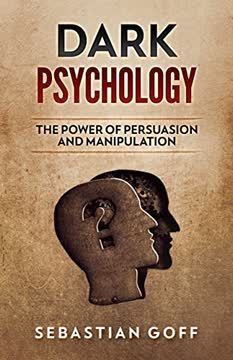
What’s "Dark Psychology: The Power of Persuasion and Manipulation" by Sebastian Goff about?
- Explores manipulation and persuasion: The book delves into the psychological techniques behind influencing others, both overtly and covertly, for personal gain.
- Covers ethical and unethical uses: It discusses both the positive and negative sides of persuasion, including its use in business, relationships, and even cults.
- Practical and theoretical insights: Readers learn about real-world applications, historical context, and psychological theories that underpin manipulation.
- Focuses on self-protection and influence: The book aims to teach readers how to recognize manipulation, protect themselves, and use these skills to achieve their own goals.
Why should I read "Dark Psychology: The Power of Persuasion and Manipulation" by Sebastian Goff?
- Gain awareness of manipulation: The book helps readers identify when they are being manipulated in everyday life, from media to personal relationships.
- Learn practical persuasion skills: It offers actionable techniques for influencing others ethically and effectively in various contexts.
- Protect yourself from harm: Understanding these tactics can help you defend against unethical manipulation and brainwashing.
- Improve communication and negotiation: The book provides tools to enhance your ability to persuade, negotiate, and build rapport in business and personal settings.
What are the key takeaways from "Dark Psychology: The Power of Persuasion and Manipulation" by Sebastian Goff?
- Manipulation is common and learnable: Everyone uses manipulation to some degree, and it can be honed as a skill.
- Persuasion relies on psychological needs: Techniques often target basic human needs like safety, belonging, and esteem.
- Ethical boundaries matter: The book stresses the importance of using these skills responsibly and being aware of their potential for harm.
- Recognize and resist manipulation: By understanding the methods, readers can better protect themselves from being exploited.
How does Sebastian Goff define manipulation and persuasion in "Dark Psychology: The Power of Persuasion and Manipulation"?
- Manipulation as subtle influence: Goff defines manipulation as getting someone to do what you want, often through deception or exploiting vulnerabilities.
- Persuasion as a softer approach: Persuasion is described as influencing others by appealing to their emotions, beliefs, and needs, often without direct confrontation.
- Not inherently evil: Both are presented as tools that can be used for good or ill, depending on the user’s intent.
- Universal human behavior: The book argues that everyone manipulates and persuades to some extent, consciously or unconsciously.
What are the main psychological techniques of persuasion discussed in "Dark Psychology: The Power of Persuasion and Manipulation"?
- Use of language and framing: Techniques like "What if," "Can you help please?" and "Would it help if" are highlighted for their persuasive power.
- Social proof and authority: Leveraging group behavior, likability, and perceived expertise to influence decisions.
- Consistency and commitment: Getting people to state their goals and then aligning requests with those goals to increase compliance.
- Storytelling and reverse psychology: Using narratives and suggesting the opposite of what you want to trigger desired behaviors.
How does "Dark Psychology: The Power of Persuasion and Manipulation" by Sebastian Goff describe the makeup of a manipulator?
- Skilled at reading people: Manipulators are adept at identifying psychological weaknesses and vulnerabilities in others.
- Conceal true intentions: They often appear likable, trustworthy, and empathetic to lower defenses.
- Use emotional detachment: Many manipulators can disconnect from guilt or empathy, making it easier to exploit others.
- Employ basic and advanced tactics: Techniques range from guilt-tripping and flattery to more sophisticated psychological games.
What are the ethical considerations of mind control and manipulation in "Dark Psychology: The Power of Persuasion and Manipulation"?
- Consent and intent matter: Ethical use is possible, such as in therapy or self-improvement, when consent is given and the intent is positive.
- Spectrum of influence: The book distinguishes between benign influence and destructive manipulation that strips autonomy.
- Self-awareness is key: Readers are encouraged to reflect on their own motives and the potential consequences of their actions.
- Societal prevalence: The book notes that manipulation is widespread in marketing, politics, and media, raising questions about where to draw ethical lines.
What is subliminal influencing, and how is it used according to "Dark Psychology: The Power of Persuasion and Manipulation"?
- Subconscious persuasion: Subliminal influencing involves sending messages below the threshold of conscious awareness to shape attitudes and behaviors.
- Media and advertising: The book discusses how corporations, governments, and media use priming, hidden messages, and environmental cues to influence choices.
- Effectiveness depends on context: Subliminal messages are most effective when they align with existing needs or desires and remain undetected.
- Everyday examples: Background music, word choice, and even scents can subtly guide decisions without overt persuasion.
How does "Dark Psychology: The Power of Persuasion and Manipulation" explain brainwashing and its stages?
- Systematic identity breakdown: Brainwashing involves isolating the victim, breaking down their sense of self, and instilling new beliefs.
- Lifton’s ten-stage model: The book details Robert Jay Lifton’s stages, including assault on identity, guilt, self-betrayal, breaking point, and eventual "rebirth."
- Use of isolation and dependency: Successful brainwashing requires control over the victim’s environment, information, and basic needs.
- Not always permanent: The effects can be reversed if the victim is removed from the manipulative environment and regains their original identity.
What is Neuro-Linguistic Programming (NLP), and how is it applied in "Dark Psychology: The Power of Persuasion and Manipulation"?
- Reprogramming through language: NLP uses language and behavioral patterns to influence thoughts, emotions, and actions.
- Techniques for influence: Methods like anchoring, mirroring, vague language, and mental shortcuts are explained for both self-improvement and manipulation.
- Rapport and matching: Building trust and likability by mirroring body language, speech, and emotional states.
- Everyday applications: NLP can be used in negotiations, problem-solving, and even casual conversations to steer outcomes.
How can the techniques in "Dark Psychology: The Power of Persuasion and Manipulation" be used in the workplace and career advancement?
- Navigating office politics: The book provides strategies for identifying power structures, building networks, and leveraging relationships.
- Subtle influence tactics: Methods like controlled approval, planting ideas, labeling, and positive reinforcement are discussed for workplace success.
- Persuasion theories: Concepts like reciprocity, scarcity, social proof, and amplification are applied to business and sales scenarios.
- Self-promotion and protection: Readers learn how to promote themselves ethically while guarding against manipulative colleagues.
What are the key methods of manipulation in love and relationships according to "Dark Psychology: The Power of Persuasion and Manipulation"?
- Emotional manipulation: Tactics include playing helpless, excessive praise, crying, nagging, and avoidance to control partners.
- Conditioning and jealousy: Using rewards, withdrawal, and jealousy to influence romantic interest and behavior.
- Authenticity over trickery: The book notes that genuine self-worth and confidence are more effective for attraction than manipulative tricks.
- Warning against abuse: It cautions that manipulation in relationships can be damaging and should be recognized and avoided for healthy connections.
What are the best quotes from "Dark Psychology: The Power of Persuasion and Manipulation" by Sebastian Goff, and what do they mean?
- "Manipulation is the subtle art of getting someone to do what you want, that they would otherwise not do if asked directly." — Highlights the covert nature of manipulation.
- "With the ability to influence we become much more powerful in life and therefore get more of our needs met." — Emphasizes the practical benefits of mastering persuasion.
- "Please leave your morals behind, as the aim of this book is to show you the darker side of getting what you want." — Sets the tone for exploring both ethical and unethical uses of these techniques.
- "The media's the most powerful entity on earth. They have the power to make the innocent guilty and to make the guilty innocent, and that's power. Because they control the minds of the masses." (Malcolm X, quoted) — Underlines the immense influence of media on public perception and thought.








































