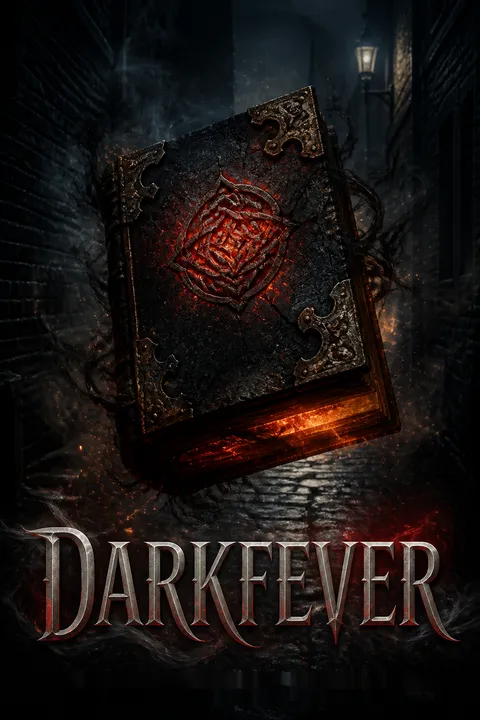

ملخص الحبكة
انهيار الحواجز بين العوالم
تتغير حياة ماكايلا لين بشكل دراماتيكي عندما تكتشف أن الحدود التي تفصل بين عالم البشر وعالم الفاي قد انهارت. الفاي، الذين كانوا مختبئين في السابق، أصبحوا الآن يتجولون بحرية، مما يشكل تهديدًا خطيرًا للبشر. ماك، التي تستطيع رؤية الفاي على حقيقتهم خلف الأوهام، تجد نفسها في واقع جديد محفوف بالمخاطر. محكمتا السيلي والأنسيلي، المنخرطتان في صراع قديم، جلبتا حربهما إلى عالم البشر، وماك أصبحت عالقة في المنتصف. حياتها التي كانت بسيطة أصبحت الآن معركة من أجل البقاء ضد مخلوقات تعتبر البشر فريسة سهلة.
وفاة أخت غامضة
مقتل أخت ماك، ألينا، يهز عالمها تمامًا. وفاة ألينا في دبلن تحيط بها الألغاز، والسلطات المحلية تخلت عن القضية. مدفوعة برسالة غامضة من ألينا تلمح إلى سر مظلم، تسافر ماك إلى أيرلندا لكشف الحقيقة. أثناء تحقيقها في ظروف وفاة أختها، تكتشف ماك أن ألينا كانت متورطة في عالم خطير يفوق خيالها، مما يضع ماك على طريق الاكتشاف والانتقام.
كشف أسرار دبلن المظلمة
في دبلن، تُلقى ماك في عالم سري من السحر والخطر. تتعلم أنها تمتلك قدرة "رؤية الفاي" التي تمكنها من رؤية الفاي على حقيقتهم. هذا الكشف يجذبها إلى لعبة قاتلة ذات رهانات حياة أو موت. تلتقي ماك بجيريكو بارونز، رجل غامض يعرف أكثر مما يظهر عن وفاة أختها وعالم الفاي. يشكلان معًا تحالفًا هشًا لكشف الحقيقة، في عالم نادر فيه الثقة والخطر يكمن في كل زاوية.
تشكيل تحالف خطير
رغم عدم الثقة المتبادلة، تدرك ماك وبارونز حاجتهما لبعضهما البعض. يسعى بارونز إلى العثور على "سينسار دوب"، كتاب مظلم وقوي، بينما تأمل ماك أن يقودها إلى قاتل أختها. أثناء تعاونهما، تتعلم ماك المزيد عن الفاي والعالم الخطير الذي دخلته. شراكتهما مليئة بالتوتر، لكنها ضرورية للبقاء على قيد الحياة في مواجهة التهديدات التي تكمن في الظلال، مما يختبر عزيمتهما وثقتهما.
وحوش تكمن في الظلال
مع تعمق ماك في عالم الفاي، تصادف مخلوقات مرعبة تتجاوز الخيال. كل مواجهة تختبر عزيمتها وتجبرها على مواجهة واقع حياتها الجديدة. الفاي ليسوا مجرد قصص؛ إنهم حقيقيون ويمثلون خطرًا قاتلًا. يجب على ماك أن تتعلم كيف تتنقل في هذا العالم مستخدمة قدراتها الفريدة للبقاء على قيد الحياة. رحلتها مليئة بالمخاطر، ويجب أن تعتمد على ذكائها ومعرفة بارونز للبقاء على قيد الحياة، في مواجهة التهديد المستمر للمجهول.
البحث عن الكتاب المظلم
"سينسار دوب"، كتاب السحر الأسود، يحمل مفتاح العديد من الألغاز، بما في ذلك وفاة ألينا. تنطلق ماك وبارونز في مهمة محفوفة بالمخاطر للعثور عليه، مع العلم أن آخرين يبحثون أيضًا عن هذا الكتاب القوي. تأثير الكتاب المظلم ملموس، ويجب على ماك مواجهة مخاوفها وشكوكها كلما اقتربت من كشف أسراره. البحث عن "سينسار دوب" هو سباق مع الزمن، وحياة ماك معلقة على المحك.
مواجهة خطيرة مع فليين
تجد ماكايلا لين نفسها في مواجهة خطيرة مع فليين، أمير الفاي الذي تقترب قواه الساحرة من السيطرة عليها. رغم محاولاته للتلاعب بها بجاذبيته القاتلة، تصمد ماك مستمدة قوتها من ذكرى أختها ألينا. يكشف فليين أنه يعرف الكثير عن ماك وقدراتها كرائية الفاي، ملمحًا إلى خطة أكبر تشملها. هذه المواجهة تترك ماك مهتزة لكنها أكثر إصرارًا على كشف الحقيقة وراء وفاة أختها والقوى المظلمة التي تحوم فوق دبلن.
عرض "سوار كروس"
يعرض فليين على ماك "سوار كروس"، قطعة أثرية قوية تعد بحمايتها من العديد من تهديدات الأنسيلي. مع ذلك، تحذر ماك من قبول الهدايا من الفاي، مدركة أنها غالبًا ما تحمل مخاطر خفية. يصر فليين على أن السوار هو تعبير عن حسن النية من ملكة السيلي، لكن ماك تظل متشككة. تمزقها بين الأمان المحتمل الذي يوفره السوار وخوفها من الانغماس أكثر في ألعاب الفاي الخطيرة.
كشف الأسرار والظلال
مع تعمق ماك في أسرار وفاة أختها، تكتشف عالمًا من الأسرار والظلال. تتعلم أن الفاي ليسوا التهديد الوحيد في دبلن؛ فهناك حلفاء وأعداء من البشر أيضًا. تصبح علاقة ماك بجيريكو بارونز أكثر تعقيدًا مع تزايد شكوكها في دوافعه وطبيعة تورطه الحقيقية مع الفاي. تتلاشى الحدود بين الصديق والعدو، مما يترك ماك في حيرة من أمرها حول من يمكنها الوثوق به.
اكتشاف قاتل في الليل
أثناء تجوالها في حي مهجور، تصادف ماك مشهدًا مرعبًا: الظلال، مخلوقات قاتلة من الظلام، قد قضت على عدة رجال. يكشف هذا الاكتشاف مدى الخطر الحقيقي الذي يكمن في ظلال دبلن. تدرك ماك أن المدينة تحت حصار قوى تفوق فهمها، ويجب عليها التنقل في هذا المشهد الغادر للبقاء على قيد الحياة. تعزز هذه المواجهة عزيمتها على العثور على "سينسار دوب"، الكتاب المظلم الذي يحمل مفتاح العديد من الألغاز.
تصاعد البحث عن قاتل ألينا
مصممة على الانتقام لمقتل أختها، تواصل ماك البحث عن قاتل ألينا. يقودها تحقيقها إلى سلسلة من الأدلة التي تشير إلى مؤامرة أعمق تشمل الفاي وحلفاءهم من البشر. مع تجميعها للقطع، تكشف ماك شبكة من الخداع والخيانة تهدد بابتلاعها. رحلتها مليئة بالمخاطر، لكن إصرار ماك على تحقيق العدالة لألينا يدفعها قدمًا، حتى مع تصاعد المخاطر.
كشف حقيقة صادمة
في تحول مدمر للأحداث، تكتشف ماك أنها وألينا تم تبنيهما، مما يهز إحساسها بالهوية والانتماء. تضيف هذه الحقيقة طبقة جديدة من التعقيد إلى رحلتها، حيث تصارع تداعيات أصلها الحقيقي. مع مواجهة ماك لهذا الواقع الجديد، يجب عليها أيضًا التعامل مع التهديد المتزايد من الأنسيلي والقوى المظلمة التي تسعى للسيطرة على "سينسار دوب". تصبح رحلتها ليست فقط بحثًا عن العدالة، بل أيضًا عن مكانها في عالم يتغير بسرعة.
الشخصيات
ماكايلا/ماك لين
ماكايلا، أو ماك، شابة تُلقى في عالم من الخطر والسحر بعد مقتل أختها. تكشف رحلتها في دبلن عن طبيعتها الحقيقية كرائية الفاي، قادرة على رؤية الفاي على حقيقتهم. مع كشفها لأسرار ماضيها وتورط أختها مع الفاي، يزداد إصرار ماك على تحقيق العدالة لألينا. تُختبر مرونتها وقدرتها على التكيف أثناء تنقلها في عالم مليء بالخداع والخطر.
جيريكو بارونز
جيريكو بارونز شخصية غامضة تمتلك معرفة عميقة بالفاي والكتاب المظلم "سينسار دوب". دوافعه غير واضحة وطبيعته الحقيقية محاطة بالغموض. رغم عدم الثقة المتبادلة، يشكل بارونز وماك تحالفًا هشًا في سعيهما للعثور على الكتاب. تعقيدات شخصيته وأجنداته الخفية تجعله حليفًا محتملاً وعدوًا خطيرًا في آن واحد.
ألينا لين
مقتل ألينا هو الشرارة التي أشعلت رحلة ماك. وفاتها محاطة بالغموض، وتورطها في عالم الفاي سر يجب على ماك كشفه. رسالتها الغامضة لماك تلمح إلى سر مظلم قد يغير كل شيء. حضورها يظل قويًا في القصة، دافعًا ماك لكشف الحقيقة والسعي لتحقيق العدالة لأختها.
فليين
فليين أمير من تواثا دي دانان، يمتلك جاذبية لا تقاوم يمكنها أن تغمر البشر. تفاعلاته مع ماك مليئة بالخطر، حيث يسعى للتلاعب بها لأغراضه الخاصة. نواياه الحقيقية غير واضحة، وحضوره تذكير دائم بالعالم الخطير الذي دخلته ماك.
اللورد ماستر
اللورد ماستر شخصية قوية تدير إطلاق سراح الأنسيلي من سجنهم. علاقته بألينا ودوره في وفاتها يجعلاه شخصية مركزية في رحلة ماك للعدالة. طبيعته الحقيقية ودوافعه محاطة بالغموض، ونفوذه يمتد بعيدًا خارج دبلن.
مالوسيه
مالوسيه مصاص دماء مرتبط باللورد ماستر ويحمل ضغينة شخصية ضد ماك. وجوده يضيف طبقة من الخطر إلى رحلة ماك، حيث يسعى لاستعادة حجر قوي تملكه. ولاؤه للورد ماستر وطموحاته الخاصة تجعله خصمًا لا يستهان به.
الرجل الرمادي
الرجل الرمادي هو فاي أنسيلي يسرق الجمال من ضحاياه. هو واحد من العديد من المخلوقات المرعبة التي تواجهها ماك في دبلن. وجوده يذكر بطبيعة الفاي المظلمة والخطيرة، والتهديد الذي يشكله على البشر. أفعاله تبرز الطبيعة المفترسة للأنسيلي والخطر المستمر الذي تواجهه ماك.
أدوات الحبكة
سينسار دوب
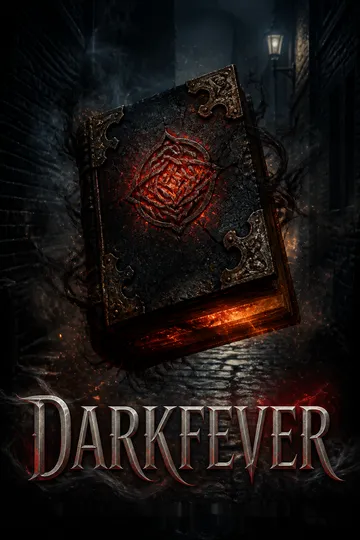
"سينسار دوب" هو أداة حبكة مركزية، كتاب سحر أسود يسعى الكثيرون لامتلاكه. قوته هائلة ويحمل مفتاح العديد من الألغاز، بما في ذلك وفاة ألينا. البحث عن "سينسار دوب" يحرك السرد، حيث تتسابق ماك وبارونز مع الزمن للعثور عليه قبل أن يقع في الأيدي الخطأ. تأثير الكتاب المظلم حاضر باستمرار، يشكل أحداث القصة وأفعال الشخصيات.
قدرات رائية الفاي
قدرات ماك كرائية الفاي هي أداة حبكة حاسمة، تمكنها من رؤية الفاي على حقيقتهم. تميزها هذه القدرات وتجعلها هدفًا، لكنها تمنحها أيضًا الأدوات اللازمة للبقاء في عالم الفاي الخطير. رحلتها لفهم واستغلال قدراتها هي عنصر رئيسي في القصة، تدفع تطور شخصيتها والحبكة إلى الأمام.
سوار كروس
"سوار كروس" هو قطعة أثرية من الفاي عرضها فليين على ماك، تعد بحمايتها من العديد من تهديدات الأنسيلي. قوته الحقيقية وتبعاته المحتملة غير معروفة، وماك حذرة من قبول الهدايا من الفاي. يمثل السوار التداخل المعقد للتحالفات والخيانات في عالم الفاي.
التحليل
"الحمى المظلمة" لكارين ماري مونينغ هي قصة مشوقة عن الاكتشاف والصمود والحدود الضبابية بين الخير والشر. من خلال رحلة ماكايلا لين، يستكشف الرواية موضوعات الهوية والثقة والسعي لتحقيق العدالة. تحول ماك من شابة طليقة إلى رائية فاي مصممة يبرز القوة والمرونة المطلوبة للتنقل في عالم مليء بالخداع والخطر. تغوص الرواية في تعقيدات التفاعلات بين البشر والفاي، مؤكدة على أهمية فهم الطبيعة الحقيقية للفرد وقوة التحالفات. في النهاية، "الحمى المظلمة" هي قصة تمكين، حيث تتعلم ماك استغلال قدراتها الفريدة ومواجهة القوى المظلمة التي تهدد عالمها.
قرأ الآخرون أيضًا

الأسئلة الشائعة
Synopsis & Basic Details
What is Darkfever about?
- A Southern Belle's Ordeal: MacKayla Lane, a seemingly ordinary Southern girl, is thrust into a hidden, perilous Dublin when her sister, Alina, is brutally murdered. Her quest for justice quickly unravels a world teeming with ancient, dangerous Fae creatures and powerful artifacts.
- Unveiling True Vision: Mac discovers she possesses "True Vision," making her a rare sidhe-seer capable of perceiving the Fae's true, often horrific, forms beyond their glamours. This unwelcome ability forces her to confront a reality far more sinister than she ever imagined.
- Reluctant Alliance for Survival: Drawn into the orbit of the enigmatic and ruthless Jericho Barrons, Mac forms a tense, co-dependent alliance. Their shared goal of finding the ancient, deadly Sinsar Dubh, a book of immense dark magic, becomes her only path to understanding Alina's death and surviving the escalating war between the Fae courts.
Why should I read Darkfever?
- Unique Narrative Voice: Experience a gritty urban fantasy through the eyes of Mac, a protagonist whose Southern charm and seemingly superficial interests (fashion, pop music) clash humorously and poignantly with the dark, brutal world she's forced to navigate. Her internal monologue is both witty and deeply vulnerable.
- Intriguing World-Building: Moning masterfully blends Irish mythology with a contemporary setting, creating a Dublin where ancient Fae lurk in shadows, unseen by most humans. The concept of the "Dark Zone" and the various Fae castes adds layers of chilling realism to the supernatural elements.
- Complex Character Dynamics: The evolving, often volatile, relationship between Mac and Jericho Barrons is a central draw. Their mutual distrust, forced reliance, and undeniable chemistry create a compelling dynamic that drives the story and promises deeper exploration in subsequent books.
What is the background of Darkfever?
- Fae-Human Compact Broken: The story is set in a world where "The Compact" between Man and Fae, established around 4000 B.C., has recently shattered. This ancient agreement forbade Fae from spilling human blood, but with the disappearance of the Seelie Queen, Aoibheal, the Unseelie are now free to hunt and kill sidhe-seers and prey on humans.
- Dublin as a Battleground: The city of Dublin itself becomes a character, a decaying urban landscape where the war between the Seelie (Light) and Unseelie (Dark) Fae is spilling into the human realm. Areas like the "abandoned neighborhood" (Dark Zone) are literal manifestations of this encroaching chaos, forgotten by human authorities.
- Ancient Relics and Power Struggles: The narrative is underpinned by the search for the Sinsar Dubh and other "Hallows"—eight ancient relics of immense power (four Light, four Dark). These artifacts are coveted by various factions, including Barrons, the Seelie Queen, and the mysterious Lord Master, indicating a larger, escalating conflict for control.
What are the most memorable quotes in Darkfever?
- "My philosophy is pretty simple—any day nobody's trying to kill me is a good day in my book." (Prologue): This opening line immediately establishes Mac's pragmatic, slightly cynical, yet ultimately resilient outlook, setting the tone for her unexpected journey into a world where good days are rare. It highlights her initial desire for normalcy against the backdrop of encroaching supernatural chaos.
- "There are two kinds of people in this world, Ms. Lane: those who survive no matter the cost, and those who are walking victims." (Chapter 4): Barrons' brutal assessment of humanity, delivered during a moment of physical intimidation, encapsulates his ruthless philosophy and the stark reality Mac must confront. It foreshadows her transformation from a naive "victim" to a determined "survivor" in the Fae-infested world.
- "You underestimate the pricelessness of brevity, Ms. Lane." (Chapter 19): Barrons' chilling comment regarding the Gray Man's victim, implying that a quick death is a mercy compared to prolonged suffering, reveals his dark pragmatism and the horrific nature of the Fae's cruelty. It underscores the novel's exploration of suffering and the value (or lack thereof) of human life in this new reality.
- "I used to walk on my feet. Now all I knew how to do was crawl." (Chapter 20): This poignant reflection from Mac after the adoption revelation perfectly captures her profound loss of identity and stability. It symbolizes her complete disorientation and the shattering of her perceived reality, marking a critical turning point in her psychological journey.
What writing style, narrative choices, and literary techniques does Karen Marie Moning use?
- First-Person, Conversational POV: The story is told entirely from Mac's perspective, characterized by her distinct, often humorous, and highly internal monologue. This allows readers direct access to her thoughts, fears, and evolving understanding, creating a strong sense of intimacy and immediacy, as seen in her frequent asides and self-corrections.
- Juxtaposition of Mundane and Mythic: Moning frequently contrasts Mac's "normal" Southern upbringing and consumerist interests (manicures, pop music, fashion) with the horrific supernatural reality she encounters. This juxtaposition highlights the absurdity and terror of her situation, making the Fae's intrusion into her familiar world even more jarring.
- Sensory and Visceral Detail: The author employs vivid, often grotesque, sensory descriptions, particularly when Mac encounters the Fae in their true forms. The "stench of decay," "oozing, open sores," and "slimy, reptilian" skin of the Unseelie are rendered with disturbing clarity, immersing the reader in Mac's revulsion and fear.
- Foreshadowing and Ambiguity: Moning uses subtle hints and unanswered questions to build suspense and mystery. Alina's cryptic voicemail, the old woman's warnings, and Barrons' veiled statements constantly foreshadow future revelations and keep the reader guessing about characters' true motives and the full scope of the Fae threat.
Hidden Details & Subtle Connections
What are some minor details that add significant meaning?
- Mac's "Pink" Aesthetic: Mac's consistent preference for pink, peach, and lavender, and her "I'm-Not-Really-a-Waitress-Pink" manicure, initially portray her as superficial and naive. However, as the story progresses, her refusal to abandon these colors, even when Barrons demands she "lose the Barbie look," becomes a subtle act of defiance and a clinging to her identity amidst chaos, symbolizing her inner resilience.
- The "Paper Husks" of Shades' Victims: The seemingly innocuous detail of "thick husks of porous yellowed parchment" blowing through the abandoned neighborhood (Chapter 3) gains horrifying significance when Mac later discovers they are the desiccated remains of Shades' victims (Chapter 17). This detail subtly foreshadows the true nature of the Dark Zone and the Fae's predatory feeding habits, revealing the hidden dangers of the city.
- Barrons' Car Collection as a Metaphor: Barrons' absurdly expensive and diverse car collection, from a "black Porsche 911 Turbo" to a "1975 Lamborghini Countach," is more than just a sign of wealth. It symbolizes his control, his ability to navigate different "worlds" (fast, dangerous, luxurious), and his predatory nature, as he selects vehicles for specific "hunts" or social engagements, much like a predator choosing its tools.
What are some subtle foreshadowing and callbacks?
- Alina's "You don't even know what you are": Alina's frantic voicemail, stating "You don't even know what you are!" (Chapter 1), subtly foreshadows Mac's sidhe-seer abilities and her true heritage as a Null. This early, unexplained line creates a deep mystery that drives Mac's initial investigation and sets up her later revelations.
- The Old Woman's "O'Connor" Insistence: The "nutty old woman" in the pub repeatedly calls Mac an "O'Connor" and tells her to "honor your bloodline" (Chapter 2). This seemingly random interaction is a direct foreshadowing of Mac's adoption and her true O'Connor lineage, a revelation that profoundly impacts her identity at the end of the book.
- Barrons' "City Beneath the City": Barrons' casual mention of "another city beneath the city" (Chapter 15) while navigating the sewers subtly foreshadows the hidden Fae portals and the deeper, unseen layers of Dublin's supernatural reality. It hints at the vast, concealed world that Mac is only just beginning to uncover.
What are some unexpected character connections?
- Fiona's Unrequited Devotion to Barrons: Fiona, Barrons' seemingly stoic assistant, is revealed to harbor a deep, unrequited love for him. Her fervent declaration, "I have never seen any more in you than I know you could be, if you wanted to, Jericho," (Chapter 14) highlights a hidden emotional depth and a long-standing, complex relationship that goes beyond mere employment, adding a layer of pathos to her character.
- The Old Woman as a Fellow Sidhe-seer: The "hostile crone" from Mac's first night in Dublin is later revealed to be a fellow sidhe-seer, who "had actually saved my life that night" (Chapter 14). This connection transforms a seemingly random, aggressive encounter into a crucial protective act, establishing a hidden network of those with True Vision.
- Alina's Romantic Involvement with the Lord Master: The shocking revelation that Alina's mysterious boyfriend, whom she "thought she was in love with," is none other than the Lord Master, the leader of the Unseelie (Chapter 24), creates a deeply personal and tragic connection between Mac's quest for vengeance and the overarching Fae conflict. This twist recontextualizes Alina's entire secret life and her death.
Who are the most significant supporting characters?
- Fiona: More than just Barrons' assistant, Fiona serves as a quiet guardian and a foil to Mac's impulsiveness. Her deep, unacknowledged affection for Barrons and her subtle attempts to protect Mac (e.g., her distress over Mac's injuries, her call to Barrons when Mac enters the Dark Zone) reveal a complex loyalty and a hidden emotional landscape.
- The Old Woman (Catherine): Initially perceived as a "nutty old woman," she is a crucial early warning system for Mac, demonstrating the existence of sidhe-seers and the dangers of the Fae. Her cryptic warnings and later insistence on Mac's O'Connor lineage provide vital, albeit confusing, clues that propel Mac's personal journey of discovery.
- The Gray Man: This specific Unseelie Fae, encountered twice by Mac, is significant not just as a monster but as a catalyst for Mac's acceptance of her sidhe-seer abilities and the brutal reality of the Fae world. His predatory nature and the horrific fate of his victims underscore the stakes of Mac's fight and her growing resolve to kill Fae.
Psychological, Emotional, & Relational Analysis
What are some unspoken motivations of the characters?
- Barrons' Obsession with the Sinsar Dubh: While Barrons claims to want the Sinsar Dubh because "It is priceless. I am a book collector," (Chapter 4) his extreme ruthlessness, willingness to kill, and the sheer depth of his knowledge about the Fae suggest a motivation far beyond mere acquisition. His unspoken drive hints at a personal stake or a deeper, perhaps darker, purpose tied to the book's power.
- Alina's Secrecy and Sacrifice: Alina's decision to keep her involvement with the Fae and her sidhe-seer abilities a secret from Mac, even to her dying breath, is motivated by a profound desire to protect her sister. Her message, "I thought I could keep you out of it until things were safer for us," (Chapter 1) reveals a self-sacrificing love, even if it ultimately left Mac unprepared.
- Mac's Drive for Control Amidst Chaos: Mac's meticulous list-making, her obsession with maintaining her appearance, and her insistence on "dignity and decorum" (Chapter 15) are unspoken coping mechanisms. These seemingly superficial habits are her way of imposing order and control on a life that has spiraled into terrifying unpredictability, a psychological anchor in her rapidly unraveling reality.
What psychological complexities do the characters exhibit?
- Mac's Denial and Gradual Acceptance: Mac initially exhibits strong denial, dismissing Fae encounters as "hallucinations" or "food poisoning." Her internal struggle to reconcile her "normal" worldview with the supernatural reality is a core psychological journey, culminating in her reluctant acceptance of her sidhe-seer identity and the brutal truth of her world.
- Barrons' Controlled Ruthlessness: Barrons is a study in controlled power and cynicism. His ability to remain detached and pragmatic even when orchestrating deaths (O'Bannion massacre) or inflicting pain (bruising Mac) reveals a deeply ingrained ruthlessness. Yet, fleeting moments, like his "ununguarded humor" (Chapter 15) or his "concern" for Mac's injuries, hint at a suppressed, complex humanity.
- Alina's Hidden Life and Betrayal: Alina's transformation from a diligent student to someone "agitated, edgy, nervous, almost paranoid" (Chapter 7) reveals the psychological toll of her secret life and her relationship with the Lord Master. Her final message, expressing betrayal and self-reproach ("God, I can't believe I was so stupid!"), paints a picture of a woman psychologically tormented by her choices and the deception she endured.
What are the major emotional turning points?
- Alina's Voicemail Revelation: The discovery and playback of Alina's frantic voicemail (Chapter 1) is the primary emotional catalyst for Mac. It shatters her perception of her sister and their relationship, igniting her quest for answers and vengeance, and plunging her into a profound sense of guilt for not being there.
- First Encounter with the Gray Man: Mac's initial "waking vision" of the Gray Man in the pub (Chapter 2) and her subsequent, undeniable second encounter (Chapter 7) force her to confront the reality of the Fae. This emotional shock pushes her past denial and towards seeking Barrons' help, marking her first step into active engagement with the supernatural world.
- The O'Bannion Massacre's Aftermath: Witnessing the "piles of clothing" and "dehydrated rinds of human matter" (Chapter 17) left by the Shades after Barrons' orchestrated trap is a brutal emotional turning point for Mac. It forces her to acknowledge her complicity and the "blood on my hands," irrevocably changing her moral landscape and sense of self.
- The Adoption Revelation: The phone call with her father confirming her adoption (Chapter 20) is a devastating emotional blow, shattering Mac's core identity and sense of belonging. This personal crisis, more than any Fae encounter, leaves her feeling "cold, lost and alone," driving her to seek connection with Alina's memory in the alley where she died.
How do relationship dynamics evolve?
- Mac and Barrons: From Antagonism to Co-dependence: Their relationship begins with intense distrust and open hostility, marked by Barrons' threats and Mac's defiance. It evolves into a reluctant, pragmatic alliance driven by shared goals (finding the Sinsar Dubh, surviving). By the end, they are co-dependent, with Mac relying on Barrons for protection and knowledge, and Barrons needing Mac's unique OOP-sensing abilities, creating a complex, almost symbiotic bond.
- Mac and Alina: Post-Mortem Discovery: Mac's relationship with her deceased sister transforms from one of assumed intimacy to a painful process of discovery. Alina's secrets, particularly her involvement with the Fae and her relationship with the Lord Master, force Mac to re-evaluate everything she thought she knew about her sister, leading to a deeper, albeit tragic, understanding and appreciation for Alina's sacrifices.
- Mac and Her Parents: Fractured by Grief: Alina's death severely strains Mac's relationship with her parents. Their grief manifests as overprotectiveness (Mom's refusal to let Mac go to Dublin) and withdrawal (Dad's drunkenness, his inability to discuss Alina's death). Mac's decision to pursue justice independently, and the later adoption revelation, further fracture these bonds, leaving her feeling isolated and rootless.
Interpretation & Debate
Which parts of the story remain ambiguous or open-ended?
- Barrons' True Nature and Motives: Despite his claims of being a "book collector" and his "other things" comment, Barrons' immense strength, knowledge, longevity, and ability to move unseen by Shades leave his true identity and ultimate goals highly ambiguous. His cryptic statements and lack of emotional transparency fuel ongoing debate about whether he is human, Fae, or something else entirely.
- The Full Extent of the Fae Invasion: While the novel establishes the "walls between Man and Faery came down" and the Unseelie are "smearing their bloody war all over our world," the precise scale and long-term implications of this invasion remain open-ended. The Lord Master's plan to "unleash the entire Unseelie prison" suggests a much larger, apocalyptic threat yet to unfold.
- The Sinsar Dubh's Ultimate Purpose: The Dark Book is described as holding "the deadliest of all magic" and being "so evil it corrupted anyone who touched it." However, its specific powers and the exact reason why so many factions desire it (beyond general power) are not fully revealed, leaving its ultimate role in the coming conflict open to interpretation.
What are some debatable, controversial scenes or moments in Darkfever?
- Barrons' "Training" Methods: Barrons' use of physical intimidation (slamming Mac against a wall, grabbing her throat) and emotional manipulation ("walking victim," "lose the Barbie look") to "train" Mac is highly controversial. Readers debate whether his methods are justifiable given the extreme danger, or if they constitute abuse, highlighting the blurred lines of morality in a desperate situation.
- Mac's "Pri-ya" Act with the Gray Man: Mac's decision to feign being "Pri-ya" (a Fae-addict/whore) to lure the Gray Man (Chapter 19) is a morally ambiguous moment. While it saves her life, it involves a deeply humiliating and sexually charged deception, raising questions about the lengths to which a protagonist should go for survival and the psychological cost of such acts.
- The O'Bannion Massacre: Barrons' deliberate act of turning off the floodlights to allow the Shades to kill O'Bannion and his men (Chapter 17) is a cold-blooded, calculated murder. The debate centers on whether this act, though effective in eliminating a threat and protecting Mac, makes Barrons (and by extension, Mac, through her complicity) as morally reprehensible as the criminals they fight.
Darkfever Ending Explained: How It Ends & What It Means
- The Sinsar Dubh's Corrupting Power Revealed: The novel concludes with Mac experiencing a debilitating, "knife through my skull" nausea upon the close proximity of the Sinsar Dubh, confirming its immense and corrupting power. This final sensory experience solidifies the book's status as a truly dangerous artifact, not just a mythical object, and underscores the immense challenge of its acquisition and control.
- The Lord Master's Identity and Alina's Betrayal: The shocking revelation that Alina's beloved boyfriend is the Lord Master, the Unseelie leader orchestrating the Fae invasion, provides a tragic answer to Alina's murder. It means Alina was not just a victim of circumstance but was intimately involved with and ultimately betrayed by the primary antagonist, adding a deeply personal dimension to Mac's quest for vengeance.
- Mac's Acceptance of Her Identity and the Impending War: Mac fully embraces her sidhe-seer and Null abilities, recognizing her unique role in the coming conflict. Her final realization that "A war was coming. I could feel it in my bones. A war to end all wars. And Mankind didn't even know it," signifies her complete transformation from a naive Southern girl to a hardened warrior, ready to fight for a world that remains oblivious to its impending doom. This ending sets the stage for a larger, apocalyptic struggle in subsequent books.
فيفر السلسلة
تحميل PDF
تحميل EPUB
.epub digital book format is ideal for reading ebooks on phones, tablets, and e-readers.








































