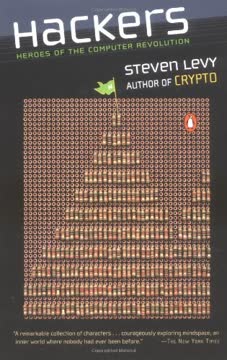
أهم النقاط
1. ولادة ثقافة الهاكرز في معهد ماساتشوستس للتكنولوجيا في خمسينيات وستينيات القرن العشرين
"يؤمن الهاكرز بأن الدروس الأساسية يمكن تعلمها عن الأنظمة—وعن العالم—من خلال تفكيك الأشياء، وفهم كيفية عملها، واستخدام هذه المعرفة لابتكار أشياء جديدة وأكثر إثارة."
أصول الهاكينغ. نشأت ثقافة الهاكرز في معهد ماساتشوستس للتكنولوجيا (MIT) في أواخر خمسينيات وأوائل ستينيات القرن الماضي. مجموعة من الطلاب المبدعين، الذين افتتنوا بإمكانات الحواسيب، بدأوا في استكشاف ودفع حدود الأجهزة المتاحة لهم. كان هؤلاء الهاكرز الأوائل مدفوعين بالفضول والإبداع والرغبة في فهم وتحسين الأنظمة التي يعملون معها.
الشخصيات الرئيسية والابتكارات. من بين الهاكرز الأوائل البارزين:
- بيتر سامسون: الذي أنشأ برنامجًا موسيقيًا لحاسوب TX-0
- آلان كوتوك: طور أول برنامج شطرنج للحاسوب
- ستيف راسل: برمج لعبة Spacewar، أول لعبة حاسوب تفاعلية
هؤلاء الرواد وضعوا الأساس للابتكارات المستقبلية في مجال الحوسبة وأسسوا ثقافة فريدة تتمحور حول استكشاف وإتقان التكنولوجيا.
2. أخلاقيات الهاكرز: فلسفة الانفتاح والمشاركة والاستكشاف العملي
"يجب أن يكون الوصول إلى الحواسيب—وأي شيء قد يعلمك شيئًا عن كيفية عمل العالم—غير محدود وكامل. استجب دائمًا لنداء العمل العملي!"
المبادئ الأساسية. أخلاقيات الهاكرز، التي تطورت في MIT، كانت مجموعة من القيم والمعتقدات التي وجهت مجتمع الهاكرز المبكر. من أهم مبادئها:
- الوصول الحر إلى المعلومات والتكنولوجيا
- لامركزية السلطة والسلطان
- الجدارة المبنية على المهارة والإبداع، لا على الشهادات الرسمية
- الإيمان بالقوة التحويلية للتكنولوجيا
تأثيرها على الحوسبة. أدت هذه الفلسفة إلى:
- المشاركة المفتوحة للكود والمعرفة
- حل المشكلات بشكل تعاوني
- التقدم التكنولوجي السريع
- ثقافة التعلم المستمر والتحسين
أخلاقيات الهاكرز أثرت بعمق على تطور الحوسبة، وأسست لمفاهيم مثل البرمجيات مفتوحة المصدر وتبادل الأفكار بحرية في عالم التكنولوجيا.
3. صعود هاكرز الأجهزة وثورة الحاسوب الشخصي
"كان هؤلاء نوعًا مختلفًا من الهاكرز عن السحرة المنعزلين في MIT، لكنهم ما زالوا يلتزمون بأخلاقيات الهاكرز التي ترفع من قيمة المصلحة العامة على حساب التملك والأنانية، مما يعني كل ما يمكن أن يساعد الناس على الهاكينغ بكفاءة أكبر."
تعميم التكنولوجيا. في السبعينيات، ظهر جيل جديد من الهاكرز ركز على جعل الحواسيب في متناول الجميع. هؤلاء الهاكرز المتخصصون في الأجهزة، المستوحون من قيم حركة الثقافة المضادة، سعوا إلى إخراج قوة الحوسبة من المؤسسات الأكاديمية والشركات إلى منازل الناس.
التطورات الرئيسية:
- ألتير 8800: أول مجموعة حاسوب شخصي، ألهمت العديد من الهاكرز
- تأسيس نوادي الحاسوب، حيث تبادل الهواة المعرفة والأفكار
- ابتكار واجهات وبرمجيات سهلة الاستخدام للحواسيب الشخصية
هذا التيار مهد الطريق لثورة الحاسوب الشخصي، محولًا الحوسبة من مجال متخصص إلى أداة للاستخدام اليومي وتمكين الأفراد.
4. نادي هومبرو كمحضن لصناعة الحواسيب الصغيرة
"كان الجو الخصيب في هومبرو هو الذي قاد ستيف وزنياك خلال فترة احتضان Apple II."
معمل الابتكار. تأسس نادي هومبرو للحاسوب في وادي السيليكون عام 1975، وأصبح مركزًا رئيسيًا لهواة الأجهزة وعشاق الحاسوب. وفر منصة لتبادل الأفكار، وعرض الاختراعات الجديدة، والتعاون في المشاريع.
تأثيره على الصناعة:
- كان منصة انطلاق للعديد من شركات الحاسوب
- ساعد في الانتشار السريع للمعرفة التقنية
- ألهم تطوير منتجات رائدة مثل Apple I و Apple II
جسد النادي أخلاقيات الهاكرز في الانفتاح والتعاون، كما رعى الروح الريادية التي دفعت نمو صناعة الحواسيب الشخصية.
5. Apple II: تحفة ستيف وزنياك من براعة الهاكرز
"كان Apple الخاص بوزنياك قصة مختلفة. نشأ في عائلة تقليدية في عالم ضواحي كاليفورنيا المحمي من المنازل الفردية، ومعارض العلوم، وبرغر ماكدونالدز، فكان يشعر بالأمان الداخلي. كان مرتاحًا لأخذ المخاطر، وترك التصميم يتطور حتى تصل خياله إلى أقصى حد."
تصميم ثوري. Apple II، الذي ابتكره ستيف وزنياك عام 1977، مثل ذروة براعة الهاكرز في الحوسبة الشخصية. من ميزاته الرئيسية:
- تصميم أنيق وفعال يستغل إمكانيات المكونات المتاحة إلى أقصى حد
- رسومات ملونة وصوت مدمجان
- بنية مفتوحة تشجع المستخدمين على التعديل والتوسيع
تأثيره على الحوسبة. Apple II:
- جعل الحوسبة الشخصية في متناول جمهور أوسع وجعلها جذابة
- ألهم جيلًا جديدًا من مطوري البرمجيات وعشاق الحاسوب
- ساعد في ترسيخ مكانة Apple كقوة رئيسية في صناعة الحواسيب الشخصية الناشئة
كان ابتكار وزنياك تجسيدًا لمثل الهاكرز في دفع حدود التكنولوجيا مع جعل الحوسبة أكثر سهولة وودية للمستخدم.
6. تسويق الهاكينغ: من هواية إلى صناعة
"مع كتابة شركات مثل On-Line وبيع المزيد من البرامج، بدأ الناس الذين لا يرغبون في أن يصبحوا مبرمجين، ناهيك عن هاكرز، بشراء الحواسيب بهدف تشغيل البرامج الجاهزة فقط."
تحول في التركيز. مع ازدياد شعبية الحواسيب الشخصية، بدأت ثقافة الهاكرز تتطور. انتقل العديد من الهاكرز من هواة إلى رواد أعمال، مؤسسين شركات لبيع إبداعاتهم. أدى هذا التحول إلى:
- تطوير منتجات برمجية تجارية
- نمو صناعة بيع الحواسيب بالتجزئة
- زيادة التركيز على واجهات وتطبيقات سهلة الاستخدام
تحديات لقيم الهاكرز. خلق تسويق الهاكينغ توترات داخل المجتمع:
- صراع بين المشاركة المفتوحة والبرمجيات المملوكة
- نقاش حول دور الربح في الابتكار التكنولوجي
- مخاوف من فقدان الروح الأصلية للهاكرز
مثل هذا التحول مثل نقطة فاصلة في علاقة الهاكرز بالعالم الأوسع، حيث أصبحت إبداعاتهم منتجات استهلاكية شائعة.
7. Sierra On-Line: ولادة صناعة ألعاب الحاسوب
"قرر كين ويليامز أنه يجب أن يمتلك واحدًا. ففي يناير 1980 جمع 'كل قرش كان لدي'، كما روى لاحقًا، واشترى Apple II."
ريادة في تطوير الألعاب. تأسست Sierra On-Line على يد كين وروبرتا ويليامز عام 1979، ولعبت دورًا حاسمًا في بروز صناعة ألعاب الحاسوب. من مساهماتهم الرئيسية:
- ابتكار أول لعبة مغامرات رسومية، "Mystery House"
- تطوير تقنيات تصميم وبرمجة ألعاب مبتكرة
- تأسيس نموذج عمل جديد لتوزيع البرمجيات
تأثيرها على الصناعة:
- أظهرت الإمكانات التجارية لألعاب الحاسوب
- ألهمت العديد من مطوري الألعاب والشركات الأخرى
- ساعدت في ترسيخ الألعاب كمحرك رئيسي لاعتماد الحواسيب الشخصية
نجاح Sierra On-Line برهن كيف يمكن توجيه إبداع الهاكرز نحو مشاريع تجارية ناجحة، ممهدًا الطريق لصناعة الألعاب الحديثة.
8. تطور ثقافة الهاكرز في ثمانينيات القرن العشرين
"كانت أخلاقيات الهاكرز تتغير، حتى وهي تنتشر في أنحاء البلاد. كان سفراؤها الحواسيب الصغيرة منخفضة التكلفة التي باعتها Apple وRadio Shack وCommodore (PET) وAtari."
انتشار ثقافة الهاكرز في المجتمع. مع انتشار الحواسيب الشخصية في الثمانينيات، بدأت جوانب من ثقافة الهاكرز تتغلغل في المجتمع الأوسع. أدى ذلك إلى:
- زيادة الاهتمام العام بالبرمجة وتكنولوجيا الحاسوب
- ظهور "مجتمعات المستخدمين" حول منصات حاسوبية محددة
- تزايد الاعتراف بأهمية الثقافة الرقمية
التحديات والتكيفات:
- توتر بين المثل الأصلية للهاكرز والواقع التجاري
- الحاجة إلى موازنة الانفتاح مع حقوق الملكية الفكرية
- جهود للحفاظ على روح الاستكشاف والإبداع في صناعة أكثر تنظيمًا
شهدت هذه الفترة تأثير ثقافة الهاكرز على المجتمع وتأثرها به، مع تحول الحوسبة إلى جزء لا يتجزأ من الحياة اليومية.
ملخص المراجعات
يحظى كتاب "الهاكرز" بتقييمات إيجابية إلى حد كبير، حيث يُثنى عليه لفهمه العميق لتاريخ الحواسيب المبكر وثقافة الهاكرز. يقدّر القراء السرد التفصيلي للشخصيات الرائدة والأسلوب الجذاب في السرد القصصي. ومع ذلك، ينتقد البعض طول الكتاب، وبعض الأخطاء التقنية العرضية، والنظرات القديمة المتعلقة بالجنس في مجال التكنولوجيا. ينقسم الكتاب إلى ثلاثة أجزاء، تتناول هاكرز معهد ماساتشوستس للتكنولوجيا، وهواة الأجهزة، والمطورين الأوائل لألعاب الفيديو. ويعتبره الكثيرون قراءة أساسية لكل من يهتم بتاريخ علوم الحاسوب، رغم بعض عيوبه.
قرأ الآخرون أيضًا


الأسئلة الشائعة
What's Hackers: Heroes of the Computer Revolution about?
- Exploration of hacker culture: The book delves into the lives and philosophies of early computer hackers, portraying them as adventurers and visionaries who saw computing as a revolutionary tool.
- Hacker Ethic: Steven Levy introduces the concept of the Hacker Ethic, which emphasizes sharing, openness, and the belief that access to computers should be unlimited.
- Historical context: The narrative spans from the 1950s to the 1970s, highlighting key figures and events that shaped the computer revolution, including the development of influential machines like the TX-0 and PDP-1.
Why should I read Hackers: Heroes of the Computer Revolution?
- Insight into technology's evolution: The book provides a fascinating look at how early hackers contributed to the development of modern computing.
- Understanding hacker mentality: Readers gain insight into the motivations and philosophies of hackers, helping to demystify the often misunderstood hacker culture.
- Cultural significance: Levy's work captures the spirit of innovation and rebellion that characterized the hacker movement, making it a compelling read for those interested in technology and society.
What are the key takeaways of Hackers: Heroes of the Computer Revolution?
- Hacker Ethic principles: The book outlines the Hacker Ethic, which includes beliefs such as "Access to computers—and anything that might teach you something about the way the world works—should be unlimited and total."
- Importance of collaboration: Levy emphasizes the collaborative nature of hacking, where knowledge is shared freely, leading to innovation and improvement of systems.
- Impact on society: The narrative illustrates how hackers have influenced not just technology, but also societal structures, advocating for decentralization and open access to information.
Who are the main figures in Hackers: Heroes of the Computer Revolution?
- Peter Samson: A key hacker who contributed to the development of the PDP-1 and was involved in various projects, including the famous LIFE simulation.
- Richard Greenblatt: Known for his work on AI and chess programming, Greenblatt exemplifies the hacker's dedication to systems and programming.
- Bill Gosper: A mathematician and hacker who became obsessed with the LIFE game, contributing significantly to its development and exploring its implications.
What is the Hacker Ethic as defined in Hackers: Heroes of the Computer Revolution?
- Access to information: The Hacker Ethic posits that "all information should be free," advocating for unrestricted access to knowledge and resources.
- Hands-On Imperative: Hackers believe in the necessity of direct interaction with systems to understand and improve them, emphasizing practical experience over theoretical knowledge.
- Mistrust of authority: The ethic promotes skepticism towards bureaucratic systems, encouraging decentralization and individual empowerment in the pursuit of knowledge.
How did the hacker culture evolve in the 1970s according to Hackers: Heroes of the Computer Revolution?
- Shift to hardware hacking: The 1970s saw a rise in hardware hackers who focused on building and modifying computers, moving away from the purely software-centric approach of earlier hackers.
- Community-driven projects: Initiatives like Community Memory emerged, aiming to bring computers to the public and promote the Hacker Ethic outside of academic and corporate environments.
- Spread of hacker ideals: As hackers migrated to new locations, such as Stanford, they carried their philosophies with them, influencing the development of new hacker cultures across the country.
What challenges did hackers face in Hackers: Heroes of the Computer Revolution?
- Bureaucratic restrictions: Hackers often encountered resistance from institutions that imposed strict rules and regulations, limiting their access to computers and resources.
- Public perception: The negative stereotypes of hackers as socially awkward or malicious individuals created barriers to understanding and acceptance of their contributions to technology.
- Internal conflicts: Tensions arose between hackers and academic or corporate entities, particularly regarding the direction of research and the prioritization of practical applications versus theoretical exploration.
How does Hackers: Heroes of the Computer Revolution relate to modern technology?
- Foundation of open-source movement: The principles of the Hacker Ethic laid the groundwork for the open-source software movement, which advocates for free access to software and collaborative development.
- Influence on tech culture: The book illustrates how the hacker mentality has permeated modern tech culture, promoting innovation, creativity, and a DIY approach to technology.
- Continued relevance of hacking: The challenges and philosophies discussed in the book remain pertinent today, as issues of privacy, access to information, and the role of technology in society continue to evolve.
What role did the Homebrew Computer Club play in the computer revolution?
- Networking Hub: The Homebrew Computer Club acted as a networking hub for hardware hackers, fostering collaboration and the exchange of ideas.
- Launchpad for Innovations: Many successful companies and products, including Apple, emerged from the ideas and innovations shared within the club.
- Community Spirit: The club embodied the spirit of the Hacker Ethic, promoting openness and the sharing of knowledge among its members.
How did the emergence of personal computers change the hacker landscape according to Hackers: Heroes of the Computer Revolution?
- Accessibility of Technology: Personal computers made technology accessible to a broader audience, allowing more people to engage in hacking and programming.
- Shift in Focus: The focus shifted from large, institutional systems to individual creativity and innovation, as more people began to see computers as tools for personal expression.
- Commercialization of Hacking: The rise of personal computers also led to the commercialization of hacking, with many hackers transitioning into successful entrepreneurs in the software industry.
How does Hackers: Heroes of the Computer Revolution address the commercialization of software?
- Shift in values: The book discusses how the rise of commercial interests has led to a departure from the original Hacker Ethic, prioritizing profits over creativity.
- Impact on innovation: It argues that commercialization can stifle innovation by imposing restrictions on how software can be used and shared.
- Examples of conflict: The narrative includes specific instances where hackers faced challenges from corporations, illustrating the ongoing struggle between idealism and profit.
What is the significance of the term "hacker" in Hackers: Heroes of the Computer Revolution?
- Positive connotation: The book emphasizes that "hacker" originally referred to someone who was innovative and skilled in programming, not a criminal or malicious figure.
- Cultural identity: It explores how the hacker identity has evolved over time, becoming associated with creativity, problem-solving, and a spirit of exploration.
- Misunderstanding and stigma: The book addresses the negative stereotypes that have emerged around hackers, particularly in the media, and advocates for a more nuanced understanding of their contributions.