
أهم النقاط
1. متلازمة توتر العضلات: ارتباط بين العقل والجسد يسبب الألم الجسدي
تتميز متلازمة توتر العضلات بألم جسدي، لكن هذا الانزعاج الحاد ناتج عن ظواهر نفسية أكثر من كونه بسبب تشوهات هيكلية أو نقص في العضلات.
الارتباط بين العقل والجسد. متلازمة توتر العضلات هي حالة يظهر فيها الألم الجسدي، غالبًا في الظهر أو الرقبة أو الكتفين، نتيجة لعوامل نفسية بدلاً من مشاكل هيكلية. هذا المفهوم يتحدى النظرة الطبية التقليدية التي تفترض أن الألم يجب أن يكون له سبب مادي واضح.
المفاهيم الخاطئة الشائعة. كثير من المرضى يعزون ألمهم إلى إصابات أو عمليات تنكسية أو تشوهات خلقية. لكن متلازمة توتر العضلات هي حالة حميدة ناجمة عن نقص طفيف في الأكسجين بالعضلات والأعصاب، يحدث بسبب المشاعر المكبوتة. فهم هذا الارتباط ضروري للتشخيص الصحيح والعلاج المناسب.
الانتشار الواسع. تؤثر متلازمة توتر العضلات على نسبة كبيرة من الناس، حيث يعاني أكثر من 80% من الأشخاص من آلام الظهر في مرحلة ما من حياتهم. وقد شهد هذا "الوباء" من الألم ارتفاعًا ملحوظًا خلال الثلاثين سنة الماضية، مما كلف أنظمة الرعاية الصحية مليارات الدولارات بسبب فقدان الإنتاجية.
2. الجانب النفسي لمتلازمة توتر العضلات: المشاعر المكبوتة
باختصار، سنستخدم كلمة "توتر" هنا للإشارة إلى المشاعر المكبوتة وغير المقبولة.
الجذور العاطفية. السبب الرئيسي لمتلازمة توتر العضلات هو المشاعر المكبوتة، لا سيما القلق والغضب. غالبًا ما تكون هذه المشاعر غير واعية، وتنشأ من سمات شخصية مثل الكمالية، والضمير الحي، والحاجة القوية لإرضاء الآخرين.
الدفاع اللاواعي. يعمل الألم كوسيلة لصرف الانتباه عن هذه المشاعر المزعجة، مما يحافظ على كبتها. وهذه العملية تتم بشكل لاواعي تمامًا، وليست خيارًا متعمدًا من المريض.
سمات شخصية شائعة:
- مجتهد ومسؤول
- كمالي وناقد ذاتي
- يميل لإرضاء الآخرين
- يجد صعوبة في التعبير عن الغضب
- ناجح بشدة ويحمل شعورًا قويًا بالواجب
3. الفسيولوجيا وراء متلازمة توتر العضلات: نقص الأكسجين في العضلات
نفترض أن الجهاز العصبي الذاتي في متلازمة توتر العضلات يقلل بشكل انتقائي تدفق الدم إلى عضلات وأعصاب وأوتار وأربطة معينة استجابةً لوجود مشاعر مكبوتة مثل القلق والغضب.
الجهاز العصبي الذاتي. تُحفز متلازمة توتر العضلات بواسطة الجهاز العصبي الذاتي في الدماغ، المسؤول عن الوظائف الجسدية اللاإرادية. استجابةً للمشاعر المكبوتة، يقلل هذا الجهاز تدفق الدم إلى مناطق محددة، مما يسبب نقصًا طفيفًا في الأكسجين.
أعراض نقص الأكسجين:
- ألم وتشنجات عضلية
- ألم الأعصاب، وخدر، ووخز
- ألم في الأوتار والأربطة
عدم وجود تلف هيكلي. على عكس العديد من التشخيصات التقليدية، لا تتضمن متلازمة توتر العضلات تلفًا فعليًا في العضلات أو الأعصاب أو الهياكل الأخرى. الألم حقيقي، لكنه ناتج عن تغيرات مؤقتة في تدفق الدم وليس عن إصابة أو تنكس.
4. تحدي التشخيصات التقليدية لألم الظهر
من تجربتي، نادرًا ما تسبب التشوهات الهيكلية في العمود الفقري ألم الظهر.
الإفراط في تشخيص المشكلات الهيكلية. كثير من التشخيصات الشائعة لألم الظهر، مثل الانزلاق الغضروفي، تضيق القناة الشوكية، أو مرض القرص التنكسي، غالبًا ما تكون نتائج عرضية وليست السبب الحقيقي للألم. هذه التشوهات الهيكلية موجودة في كثير من الأحيان لدى أشخاص لا يعانون من ألم.
الخطأ في نسب الأعراض. يميل الأطباء إلى نسب الألم إلى التشوهات المرئية في الفحوصات التصويرية، مما يؤدي إلى علاجات وجراحات غير ضرورية. هذا التركيز على المشكلات الهيكلية يعزز مخاوف المرضى ويؤدي إلى الألم المزمن.
أمثلة على الحالات التي يتم تشخيصها بشكل مفرط:
- الانزلاق الغضروفي
- تضيق القناة الشوكية
- متلازمة المفاصل الفقرية
- التهاب المفاصل في العمود الفقري
- الانزلاق الفقاري
5. علاج متلازمة توتر العضلات: المعرفة كدواء
المعلومات هي البنسلين الذي يعالج هذا الاضطراب.
التعليم كعلاج. العلاج الأساسي لمتلازمة توتر العضلات هو التوعية بالحالة. فهم السبب الحقيقي للألم يمكّن المرضى من كسر دائرة الخوف والتجنب التي غالبًا ما تطيل الحالة.
المكونات الأساسية لعلاج متلازمة توتر العضلات:
- التعرف على ارتباط العقل بالجسد
- إدراك دور المشاعر المكبوتة
- فهم أن الألم ليس ناتجًا عن تلف جسدي
- قبول أن استئناف الأنشطة الطبيعية آمن
كسر دائرة الألم. من خلال التعرف على الألم كوسيلة لصرف الانتباه عن المشكلات العاطفية، يمكن للمرضى أن يبدؤوا في معالجة هذه القضايا الأساسية بدلاً من التركيز فقط على الأعراض الجسدية.
6. التغلب على الخوف واستئناف النشاط البدني
ربما أهم (وأصعب) شيء يجب على المرضى القيام به هو استئناف كل الأنشطة البدنية، بما في ذلك الأكثر شدة.
الخوف كمسبب مستمر. كثير من المرضى الذين يعانون من الألم المزمن يطورون خوفًا من الحركة، معتقدين أن النشاط البدني قد يسبب ضررًا إضافيًا. هذا الخوف يؤدي غالبًا إلى تدهور اللياقة وزيادة حساسية الألم.
العودة التدريجية للنشاط. جزء أساسي من علاج متلازمة توتر العضلات هو التغلب على هذا الخوف واستئناف الأنشطة البدنية الطبيعية. هذه العملية تساعد في كسر دائرة الألم وتعزز الفهم بأن الألم ليس ناتجًا عن تلف جسدي.
خطوات استئناف النشاط:
- البدء بحركات لطيفة وزيادة الشدة تدريجيًا
- تحدي الأفكار المخيفة حول الحركة
- التركيز على الأهداف الوظيفية بدلاً من تقليل الألم
- المشاركة في الأنشطة والهوايات التي كانت محببة سابقًا
7. الأبعاد الأوسع لطب العقل والجسد
تجربة متلازمة توتر العضلات تتعارض مع كلا التحيزين. الاضطراب هو خلل فسيولوجي حميد (رغم الألم) في الأنسجة الرخوة (وليس العمود الفقري)، وينجم عن عملية عاطفية.
تحول في المفاهيم. فهم متلازمة توتر العضلات يتحدى النظرة الطبية التقليدية التي تفصل بين العقل والجسد. يثبت أن المشاعر يمكن أن تؤثر تأثيرًا عميقًا على الصحة الجسدية.
تداعيات على حالات أخرى. الارتباط بين العقل والجسد الذي نراه في متلازمة توتر العضلات قد يكون له دلالات لفهم وعلاج حالات أخرى مثل:
- اضطرابات الجهاز الهضمي (مثل متلازمة القولون العصبي)
- الحساسية والربو
- بعض أمراض القلب والأوعية الدموية
- بعض اضطرابات الجهاز المناعي
مستقبل الطب. إدراك دور المشاعر في الصحة الجسدية قد يؤدي إلى علاجات أكثر شمولية وفعالية لمجموعة واسعة من الحالات. هذا النهج يشجع على معالجة الجوانب الجسدية والعاطفية للصحة لتحقيق أفضل حالة من العافية.
ملخص المراجعات
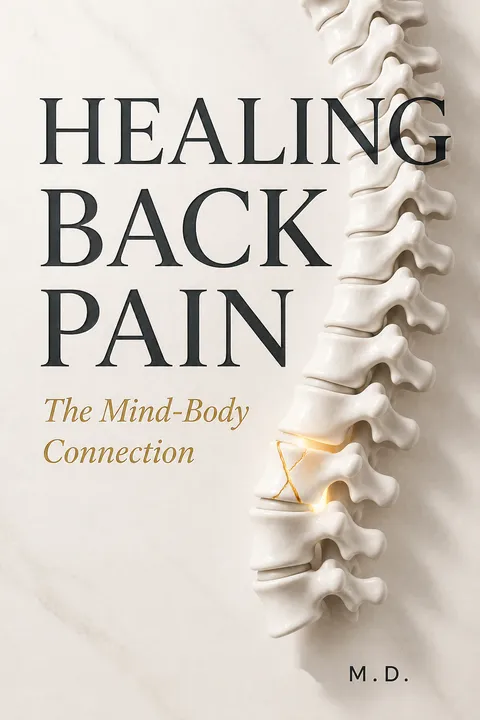
يحظى كتاب "شفاء آلام الظهر" بتقييمات متباينة، حيث يثني كثيرون عليه بوصفه تجربة مغيرة للحياة وعجيبة في تخفيف الآلام المزمنة. يروي القراء تحسناً ملحوظاً أو زوالاً كاملاً لألم الظهر بعد قراءة الكتاب وتطبيق نهج الدكتور سارنو الذي يربط بين العقل والجسد. في المقابل، يرى بعض النقاد أن أسلوب الكتابة متكرر وقديم، ويشككون في غياب الأدلة العلمية الداعمة. ومع ذلك، تبرز العديد من قصص النجاح التي تؤكد قدرة الكتاب على تحويل حياة الأفراد من خلال معالجة العوامل النفسية المرتبطة بالألم المزمن. وبشكل عام، ينصح القراء به كبديل قوي للعلاجات التقليدية لمن يعانون من آلام الظهر المستمرة.
قرأ الآخرون أيضًا








الأسئلة الشائعة
What's "Healing Back Pain: The Mind-Body Connection" by John E. Sarno about?
- Overview of TMS: The book explores Tension Myositis Syndrome (TMS), a condition where repressed emotions, particularly anger, cause chronic back pain.
- Mind-Body Connection: It emphasizes the psychological origins of physical pain, suggesting that understanding and addressing these emotions can alleviate symptoms.
- Case Studies: Dr. Sarno uses real patient histories to illustrate how awareness and understanding of TMS can lead to recovery.
- Challenge to Conventional Medicine: The book critiques the medical community's focus on structural abnormalities as the primary cause of back pain.
Why should I read "Healing Back Pain: The Mind-Body Connection"?
- Alternative Perspective: It offers a different approach to understanding and treating chronic back pain, focusing on psychological rather than physical causes.
- Empowerment Through Knowledge: The book provides tools and insights to help readers take control of their pain by addressing emotional factors.
- Proven Success: Many readers and patients have reported significant improvements or complete resolution of symptoms after applying Dr. Sarno's methods.
- Holistic Approach: It encourages a more comprehensive view of health, considering both emotional and physical aspects.
What are the key takeaways of "Healing Back Pain: The Mind-Body Connection"?
- TMS Diagnosis: Chronic back pain is often caused by repressed emotions, not structural issues.
- Mind Over Body: Understanding the psychological roots of pain can lead to significant relief.
- Reject Physical Treatments: Dr. Sarno advises against physical treatments, which may hinder recovery by reinforcing a structural view of pain.
- Resume Normal Activities: Patients are encouraged to overcome fear and resume normal physical activities to break the cycle of pain.
How does Dr. Sarno suggest treating TMS in "Healing Back Pain"?
- Education and Awareness: The primary treatment is educating patients about TMS and its psychological origins.
- Think Psychological: Patients should focus on emotional issues rather than physical symptoms.
- Talk to Your Brain: Dr. Sarno suggests patients assert control by mentally addressing their brain, rejecting the pain.
- Resume Physical Activity: Overcoming fear of physical activity is crucial for recovery.
What is Tension Myositis Syndrome (TMS) according to Dr. Sarno?
- Definition: TMS is a condition where repressed emotions, particularly anger, cause physical pain, primarily in the back.
- Physiological Mechanism: It involves mild oxygen deprivation to muscles, nerves, and tendons, leading to pain.
- Psychological Roots: The pain serves as a distraction from repressed emotions, keeping them from reaching consciousness.
- Common Misdiagnosis: TMS is often misdiagnosed as structural back issues, leading to ineffective treatments.
What are the common misconceptions about back pain addressed in "Healing Back Pain"?
- Structural Focus: The book challenges the belief that back pain is primarily due to structural abnormalities like herniated discs.
- Fear of Activity: It dispels the myth that physical activity is harmful to those with back pain, advocating for normal activity.
- Ineffective Treatments: Dr. Sarno criticizes treatments like surgery, physical therapy, and medication, which don't address the root cause.
- Role of Emotions: The book emphasizes the overlooked role of emotions in causing and perpetuating back pain.
How does Dr. Sarno explain the mind-body connection in "Healing Back Pain"?
- Historical Context: He references historical figures like Freud and Charcot, who recognized the impact of emotions on physical health.
- Repression and Defense: The mind uses physical symptoms as a defense to keep repressed emotions from consciousness.
- Scientific Skepticism: Dr. Sarno critiques the medical community's reluctance to accept emotional causes for physical symptoms.
- Holistic Understanding: He advocates for a holistic view of health, integrating emotional and physical aspects.
What are the psychological factors contributing to TMS in "Healing Back Pain"?
- Repressed Emotions: Anxiety, anger, and low self-esteem are key emotions that contribute to TMS.
- Personality Traits: Perfectionism, conscientiousness, and a strong sense of responsibility are common in TMS sufferers.
- Stress and Tension: Both external stressors and internal personality-driven stress contribute to the development of TMS.
- Narcissism and Anger: Narcissistic tendencies can lead to frustration and anger, which are often repressed and manifest as physical pain.
What role does fear play in perpetuating TMS according to "Healing Back Pain"?
- Fear of Pain: Fear of pain and physical activity can exacerbate and prolong symptoms.
- Conditioning: Patients often become conditioned to associate certain activities with pain, reinforcing the cycle.
- Psychological Defense: Fear keeps the focus on physical symptoms, preventing emotional issues from surfacing.
- Breaking the Cycle: Overcoming fear is essential for recovery, allowing patients to resume normal activities and reduce pain.
What are the traditional diagnoses and treatments critiqued in "Healing Back Pain"?
- Structural Diagnoses: Herniated discs, spinal stenosis, and arthritis are often incorrectly blamed for back pain.
- Symptomatic Treatments: Dr. Sarno criticizes treatments like surgery, physical therapy, and medication for not addressing the root cause.
- Placebo Effect: Many treatments may work temporarily due to the placebo effect rather than addressing the underlying issue.
- Ineffective Rest and Restrictions: Bed rest and physical restrictions are seen as counterproductive, reinforcing fear and inactivity.
How does Dr. Sarno's approach differ from conventional medicine in "Healing Back Pain"?
- Focus on Emotions: Unlike conventional medicine, Dr. Sarno emphasizes the psychological origins of pain.
- Educational Treatment: The treatment involves educating patients about TMS and encouraging them to think psychologically.
- Rejection of Physical Treatments: He advises against physical treatments, which may reinforce a structural view of pain.
- Empowerment and Activity: Patients are encouraged to take control of their recovery and resume normal activities without fear.
What are some of the best quotes from "Healing Back Pain" and what do they mean?
- "The pain is due to TMS, not to a structural abnormality." This quote encapsulates the book's central thesis that back pain is often psychological, not physical.
- "Think psychological, not physical." It emphasizes the importance of focusing on emotional issues rather than physical symptoms for recovery.
- "TMS is a trick your mind is playing on you—don’t fall for it." This quote highlights the deceptive nature of TMS, urging readers to see through the distraction.
- "The cure is knowledge." It underscores the book's message that understanding TMS and its causes is key to overcoming pain.
عن المؤلف
كتب أخرى لـ جون إي. سارنو

تحميل PDF
تحميل EPUB
.epub digital book format is ideal for reading ebooks on phones, tablets, and e-readers.








































