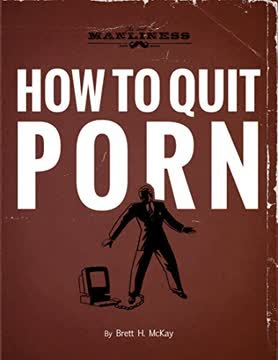
أهم النقاط
١. إدمان الإباحية متجذر في كيمياء الدماغ وعلم الأحياء التطوري
"يُفرز الدوبامين كلما واجهنا مكافآت، أو ما يُسمى بـ 'المعززات الطبيعية'، التي تساعدنا على البقاء."
كيمياء الدماغ هي المحرك الأساسي للسلوك. الدوبامين، الناقل العصبي الرئيسي، يحفزنا على السعي وراء مكافآت تطورية مفيدة مثل الطعام، الجنس، والجدة. الدماغ لا يميز بين الجنس الحقيقي والإباحية، فهو يفرز الدوبامين في الحالتين. وهذا ما يجعل الإباحية جذابة للغاية، لأنها تستغل أعمق دوافعنا البيولوجية.
التباين التطوري يخلق هشاشة. أدمغتنا التي تطورت في بيئة الصيادين وجامعي الثمار، حيث الندرة، لم تُصمم لمواجهة وفرة الجدة التي توفرها الإباحية على الإنترنت. هذا التباين بين دوافعنا المتطورة والتكنولوجيا الحديثة يخلق "محفزًا فائقًا" يمكنه اختطاف أنظمة المكافأة لدينا. فهم هذا الديناميكية أمر حاسم للتغلب على الاستخدام المفرط للإباحية.
٢. الإباحية على الإنترنت تخلق "محفزًا فائقًا" قويًا يعيد تشكيل الدماغ
"الإباحية على الإنترنت لا توفر فقط وصولًا إلى شركاء جنسيين جدد، بل إلى تجارب جنسية جديدة أيضًا."
الجدة والتنوع يعززان الإثارة. الإنترنت يمنح وصولًا غير محدود إلى محتوى جنسي جديد، مما يحفز إفراز الدوبامين بقوة أكبر من التجارب الجنسية الواقعية. هذه الجدة المستمرة تخلق دورة من الإثارة المتصاعدة والتعود.
المسارات العصبية تقوى مع الاستخدام. الاستخدام المتكرر للإباحية يعزز الروابط العصبية المرتبطة بهذا السلوك. مع مرور الوقت، قد يؤدي ذلك إلى:
- انخفاض الحساسية تجاه المكافآت الطبيعية
- زيادة الرغبة في الإباحية
- صعوبة في الإثارة مع الشركاء الحقيقيين
- تصعيد المحتوى إلى مستويات أكثر تطرفًا لتحقيق نفس درجة الإثارة
٣. استخدام الإباحية قد يؤدي إلى ضعف جنسي ومشاكل في العلاقات
"الكثير من الرجال يقرون بأنهم يحتاجون لمشاهدة الإباحية قبل أو أثناء العلاقة الجنسية مع شريكهم فقط ليتمكنوا من الانتصاب."
الضعف الجنسي نتيجة شائعة. الاستخدام المكثف للإباحية قد يؤدي إلى:
- ضعف الانتصاب
- تأخر القذف
- فقدان الاهتمام بالجنس الحقيقي
العلاقات تتأثر على عدة أصعدة. استخدام الإباحية يمكن أن يؤثر سلبًا على العلاقات من خلال:
- تقليل الرضا الجنسي لكلا الطرفين
- تقليل الحميمية العاطفية
- خلق توقعات غير واقعية عن الجنس
- شعور الشركاء بانخفاض جاذبيتهم أو رغبتهم
٤. تصنيف استخدام الإباحية كعادة بدلاً من إدمان يمنح قوة أكبر
"عندما تصف الإباحية بأنها إدمان، فإن ذلك يخبرك بأنها صعبة التحرر، وأنها صراع، وأن الانتكاس حتمي — وكلها أمور لا علاقة لها بالإباحية نفسها."
تصنيفها كإدمان قد يكون عائقًا. وسم استخدام الإباحية بالإدمان قد يؤدي إلى:
- تحويل مركز السيطرة إلى الخارج
- زيادة مشاعر العار واليأس
- خلق نبوءة تحقق ذاتها
تصنيفها كعادة يمنح القدرة على التغيير. النظر إلى استخدام الإباحية كعادة:
- يضع المسؤولية والسيطرة في يد الفرد
- يقلل من العار والوصمة الاجتماعية
- يتماشى مع استراتيجيات فعالة لتغيير العادات
- يؤكد على إمكانية التغيير من خلال الجهد المستمر
٥. الإقلاع عن الإباحية يتطلب معالجة القضايا الأساسية والإيمان بالتغيير
"التغيير ممكن. أنت لست محاصرًا بعاداتك السيئة، لكن عليك أن تؤمن بذلك لكي ينجح التغيير بالكامل."
تحديد الأسباب الجذرية. القضايا الأساسية الشائعة تشمل:
- الملل
- الاكتئاب
- القلق
- مشاكل العلاقات
- التوتر
تنمية الإيمان بالتغيير. الأبحاث تظهر أن الإيمان بإمكانية التغيير يزيد بشكل كبير من فرص النجاح. استراتيجيات لبناء هذا الإيمان:
- الانضمام إلى مجموعات دعم لرؤية نجاحات الآخرين
- ممارسة التعاطف مع الذات عند حدوث انتكاسات
- التركيز على أهداف صغيرة قابلة للتحقيق لبناء الزخم
- الاحتفال بالتقدم مهما كان بسيطًا
٦. خطوات عملية للإقلاع عن الإباحية تشمل حجب الوصول واستبدال العادات
"هدفك هو تحديد المحفزات التي تثير روتين تصفح الإباحية ثم استبدال هذا الروتين بشيء آخر مع الحفاظ على المكافأة نفسها (أو ما يشابهها)."
إنشاء حواجز أمام الوصول. خطوات عملية:
- تثبيت برامج حجب على الأجهزة
- استخدام ضوابط الأهل ومرشحات الإنترنت
- تعديل ملفات المضيف لحجب مواقع معينة
- وجود شريك مسؤول يدير كلمات المرور
اختراق حلقة العادة. تحديد المحفزات واستبدالها بسلوكيات صحية:
- الملل → ممارسة الرياضة أو متابعة هواية
- التوتر → تطبيق تقنيات الاسترخاء
- الوحدة → الاتصال بصديق أو أحد أفراد العائلة
تنفيذ خطط "إذا-فإن". وضع خطط عمل محددة للمحفزات الشائعة:
- "إذا شعرت بالرغبة في مشاهدة الإباحية، فسأخرج للمشي فورًا."
- "إذا صادفت صورة مثيرة على الإنترنت، فسأغلق المتصفح وأقوم بعشرة تمارين ضغط."
٧. التعافي يتطلب "إعادة تشغيل" الدماغ و"إعادة تشكيل" المسارات العصبية
"إعادة التشغيل تعني التوقف عن كل المحفزات الجنسية الاصطناعية حتى يتمكن الدماغ من استعادة وتجديد مستقبلات الدوبامين التي فقدت بسبب الإفراط في مشاهدة الإباحية."
إعادة التشغيل تستعيد الحساسية. الامتناع عن المحفزات الجنسية الاصطناعية يسمح للدماغ بـ:
- تجديد مستقبلات الدوبامين
- زيادة الحساسية تجاه المكافآت الطبيعية
- تقليل الرغبة في الإباحية
إعادة التشكيل تخلق أنماطًا جديدة. اختيار سلوكيات بديلة باستمرار يساعد على:
- إضعاف المسارات العصبية المرتبطة باستخدام الإباحية
- تقوية المسارات الخاصة بآليات التكيف الصحية والتعبير الجنسي السليم
التعافي يحتاج إلى وقت. العملية قد تختلف من شخص لآخر:
- بعضهم يلاحظ تحسنًا خلال ٢-٣ أسابيع
- قد يستغرق البعض الآخر من ٢ إلى ٦ أشهر للتعافي الكامل
- فقدان مؤقت للرغبة الجنسية ("الخط المسطح") أمر شائع ومؤقت
ملخص المراجعات
يحظى كتاب "كيف تتوقف عن مشاهدة الإباحية" بتقييمات إيجابية غالبة، حيث يشيد القراء بأسلوبه المباشر ومحتواه الغني بالمعلومات. يجد الكثيرون فيه عونًا لمواجهة الصراعات الشخصية أو لفهم تحديات الآخرين. يثمن المراجعون الشروحات العلمية والحلول العملية التي يقدمها الكتاب. كما يُشاد به لحياديته وابتعاده عن الخطابات الدينية التوعوية. يشير بعض القراء إلى قيمته حتى لمن لا يعانون من الإدمان. وعلى الرغم من أن الكتاب موجه أساسًا للرجال من ذوي التوجه الجنسي المغاير، إلا أنه يُعتبر مفيدًا لجمهور أوسع. ويذكر بعض المراجعين إيجابية اختصار الكتاب وقصره.
قرأ الآخرون أيضًا




 تجربة غامرة

الأسئلة الشائعة
What's "How to Quit Porn" by Brett McKay about?
- Overview: "How to Quit Porn" by Brett McKay explores the impact of pornography on the brain and offers strategies for quitting its use. The book delves into the science behind porn's allure and its potential negative effects on mental and sexual health.
- Author's Perspective: Brett McKay is not a therapist or psychologist but bases his insights on existing research and personal observations. He aims to provide a balanced view without moralizing, focusing on the scientific aspects of porn consumption.
- Content Structure: The book is divided into three main chapters: understanding the pull of porn, exploring its pitfalls, and providing practical advice on quitting. It also includes resources for further help.
Why should I read "How to Quit Porn" by Brett McKay?
- Understanding Porn's Impact: The book offers a comprehensive look at how pornography affects the brain, which can be enlightening for anyone curious about the topic.
- Practical Advice: It provides actionable strategies for those who wish to quit porn, making it a useful guide for individuals struggling with this habit.
- Balanced Approach: McKay presents a non-judgmental perspective, focusing on scientific research rather than moral arguments, which can appeal to a broad audience.
What are the key takeaways of "How to Quit Porn" by Brett McKay?
- Dopamine's Role: The book explains how dopamine drives the craving for porn and how internet porn creates a powerful "super-stimulus" that can rewire the brain's reward circuitry.
- Potential Pitfalls: It highlights the possible negative effects of porn, such as erectile dysfunction, relationship issues, and emotional problems like depression and anxiety.
- Quitting Strategies: McKay offers tips from cognitive and behavioral psychology to help individuals quit porn, emphasizing the importance of understanding and altering habit loops.
How does Brett McKay explain the allure of porn in "How to Quit Porn"?
- Dopamine and Reward System: McKay explains that dopamine is a neurotransmitter that drives the desire for rewards, including sexual stimuli. Pornography provides a significant dopamine hit, making it highly alluring.
- Novelty and the Coolidge Effect: The book discusses how the brain craves novelty, and internet porn offers endless new experiences, which keeps dopamine levels high and the habit strong.
- Neuroplasticity: McKay describes how repeated exposure to porn rewires the brain, creating strong neural pathways that make quitting difficult.
What are the possible pitfalls of porn according to "How to Quit Porn"?
- Sexual Dysfunction: The book highlights issues like erectile dysfunction and delayed ejaculation as potential consequences of heavy porn use.
- Relationship Strain: McKay discusses how porn can create unrealistic sexual expectations and lead to dissatisfaction in real-life relationships.
- Emotional and Cognitive Issues: The book notes that excessive porn use can contribute to depression, anxiety, and a decrease in impulse control.
What strategies does Brett McKay suggest for quitting porn in "How to Quit Porn"?
- Rebooting and Rewiring: McKay emphasizes the importance of taking a break from all artificial sexual stimuli to reset the brain's dopamine receptors.
- Habit Loop Hacking: He suggests identifying cues that trigger porn use and replacing the routine with healthier activities that provide similar rewards.
- Accountability and Support: The book recommends finding an accountability partner or joining forums for support and encouragement.
How does Brett McKay address the concept of porn addiction in "How to Quit Porn"?
- Habit vs. Addiction: McKay argues that framing porn use as a habit rather than an addiction can empower individuals to change by maintaining an internal locus of control.
- Religious Perspectives: He notes that religious individuals may be more likely to label their porn use as an addiction, even if it doesn't meet clinical criteria.
- Empowerment Through Language: By viewing porn use as a habit, individuals may feel more capable of overcoming it without the stigma of addiction.
What are the best quotes from "How to Quit Porn" by Brett McKay and what do they mean?
- "Porn is sexual junk food": This quote encapsulates McKay's view that porn is an exaggerated stimulus that offers little real benefit, similar to how junk food provides empty calories.
- "Neurons that fire together, wire together": This phrase highlights the concept of neuroplasticity, explaining how repeated behaviors strengthen neural connections, making habits hard to break.
- "Undertake what’s easy as if it were hard, and what’s hard as if it were easy": This advice encourages readers to approach quitting porn with a balanced mindset, acknowledging challenges while maintaining confidence in their ability to change.
How does Brett McKay suggest dealing with setbacks in "How to Quit Porn"?
- Acceptance of Setbacks: McKay advises readers to accept that setbacks may occur and to avoid excessive guilt or shame, which can trigger further porn use.
- Swift Recovery: He emphasizes the importance of quickly getting back on track after a setback, rather than dwelling on it.
- Consistent Feedback: Implementing a system of consistent, dispassionate feedback for slip-ups can help maintain progress without emotional turmoil.
What role does willpower play in quitting porn according to "How to Quit Porn"?
- Finite Resource: McKay explains that willpower is a finite resource that can be depleted by decision-making and self-control exercises throughout the day.
- Strengthening Willpower: He suggests focusing on a single goal, like quitting porn, to conserve willpower and create routines that minimize decision fatigue.
- Building Resilience: Strengthening willpower through practice and building resilience can help individuals resist the urge to use porn.
How does Brett McKay address the cultural normalization of porn in "How to Quit Porn"?
- Mainstream Acceptance: McKay notes that porn has become a normalized part of Western culture, often depicted as harmless in media and entertainment.
- Cultural Differences: He points out that what is considered normal in Western societies may not be the case globally, highlighting the influence of cultural norms on behavior.
- Critical Examination: The book encourages readers to critically examine the cultural messages about porn and consider its potential downsides.
What resources does Brett McKay recommend for overcoming porn use in "How to Quit Porn"?
- Books and Websites: McKay lists several resources, including "Your Brain on Porn" by Gary Wilson and websites like YourBrainOnPorn.com and Reboot Nation.
- Web Filters and Accountability Software: He suggests using tools like OpenDNS, K9 Protection, and CovenantEyes to block porn sites and maintain accountability.
- Support Forums: The book recommends joining forums like r/NoFap and Reboot Nation for community support and shared experiences.