أهم النقاط
1. إتقان الانطباعات الأولى: لغة الجسد وما بعدها
لغة الجسد والمظهر هما أول ما نُقدمه للآخرين.
قوة الحضور. قبل أن تنطق بكلمة، تعبر لغة جسدك ومظهرك عن الكثير. الوقوف منتصبًا مع إرجاع الكتفين قليلًا، ورفع الرأس، وإظهار اليدين يعكس الثقة والانفتاح. تقليد حركات الشخص الآخر يخلق علاقة ودية، فالألفة تولد الراحة.
دقائق التواصل البصري. التواصل البصري فن دقيق. النظرة الواثقة تعبر عن الاهتمام، أما النظرة المزعجة فتبعد الآخرين. تجنب فتح عينيك على مصراعيهما، أو عدم الرمش، أو التحديق لفترة طويلة، أو إظهار الغضب أثناء النظر. التواصل البصري المطول قد يكون مرهقًا للبعض، كأنه تعدٍ على المساحة الشخصية.
قراءة الإشارات غير اللفظية. الانتباه إلى لغة جسد الآخرين أمر ضروري. علامات الانزعاج تشمل الوقوف بزاوية، الابتعاد خطوة، وضع اليدين في الجيوب، وانخفاض الرأس. التعرف على هذه الإشارات يساعدك على تعديل أسلوبك وخلق تواصل أكثر راحة.
2. إشعال المحادثات: بدايات وتفاعل
بمجرد أن تتواصل، لا تكتشف الواقع، بل تخلق الواقع.
ما وراء الأحاديث السطحية. تجنب العبارات المبتذلة مثل "ماذا تعمل؟" أو "هل تسكن هنا؟" وبدلًا من ذلك، استخدم عبارات مثيرة أو أسئلة مفتوحة تثير نقاشًا شيقًا. ابتعد عن المواضيع الحساسة مثل السياسة، المال الشخصي، أو الدين في المراحل الأولى.
فن الإطراء. الإطراء المناسب يمكن أن يكون بداية رائعة. ركز على شيء اختاره الشخص، مثل تسريحة شعره أو ملابسه، بدلاً من الصفات الفطرية. الرجال، على وجه الخصوص، يقدرون المديح الصادق الذي يسرع بناء العلاقة.
الأسئلة الاستكشافية والشفافية. استخدم أسئلة مبتكرة لكسر الجليد والتعمق في الحديث وبناء الثقة. مشاركة قصة محرجة قليلاً عن نفسك تعطي إشارة بأنك مستعد للانفتاح، مما يشجع الطرف الآخر على فعل المثل. التعاطف، وليس مجرد التعاطف السطحي، هو مفتاح التواصل العاطفي.
3. التنقل في السياقات الاجتماعية: المنزل، العمل، والمرح
فن التواصل هو لغة القيادة.
ديناميات مكان العمل. احترم الجميع بغض النظر عن مناصبهم. تجنب التملق وكن قوة إيجابية. الصداقات في العمل قد تكون مجزية، لكن تحرك بحذر لأن الثقة تحتاج إلى بناء.
التواصل العائلي. التعاطف ضروري عند التواصل مع الأطفال. ضع في اعتبارك عمرهم ومرحلتهم التنموية، وامنحهم الأدوات للتعبير عن مشاعرهم. كن قدوة في التعبير الصحي عن العواطف وتجنب العقاب القائم على التهديد.
الزواج والعلاقات. التوافق في القيم أساسي للنجاح طويل الأمد. استمر في التفاعل مع شريك حياتك كما لو كنتما في مرحلة التعارف، قدم الإطراءات، وكن رومانسيًا، وابحث عن فهم وجهات نظره المتغيرة. التواصل المفتوح هو حجر الأساس للزواج السعيد.
4. التواصل القيادي: الإلهام والتوجيه
أي رجل يقول "أنا الملك" ليس ملكًا حقيقيًا...
تعزيز الثقة والتماسك. القيادة الفعالة تعتمد على بناء الثقة وتماسك الفريق. يتطلب ذلك خلق بيئة يشعر فيها الأعضاء بالتقدير والاحترام والراحة لمشاركة أفكارهم ومخاوفهم.
النقد البناء. تقديم النقد البناء مهارة قيادية حيوية. اجعله محددًا، تجنب الهجوم الشخصي، وأبرز ما قام به الشخص بشكل صحيح إلى جانب ما يحتاج إلى تحسين. صغ الحلول بشكل تعاوني باستخدام عبارات "نحن".
إدارة الاجتماعات. الاجتماعات المثمرة تحتاج إلى جدول أعمال واضح، حضور مناسب، وبيئة منظمة. تعامل مع المقاطعات بحكمة وامنح الجميع فرصة للتحدث. فكر فيما إذا كانت هناك حاجة حقيقية للاجتماع، فالكثير من القضايا يمكن حلها عبر البريد الإلكتروني أو محادثات قصيرة.
5. قوة الاستماع النشط: التعاطف والفهم
لدينا أذنان وفم واحد لكي نستمع مرتين أكثر مما نتكلم.
ما وراء السمع: المشاركة الفعالة. الاستماع النشط يعني الفهم، والتذكر، وتفسير ما يقوله الآخر، بما في ذلك نبرته، ولغة جسده، ومشاعره. يتطلب صبرًا وممارسة، مع مقاومة الرغبة في المقاطعة أو القفز إلى الاستنتاجات.
خمسة جوانب للاستماع النشط:
- عدم المقاطعة
- الحفاظ على الاهتمام
- تأجيل التقييم
- تنظيم المعلومات
- إظهار الاهتمام
التعاطف هو المفتاح. العنصر السري في الاستماع النشط هو التعاطف. ركز على الرد على مشاعر الآخر، بدلاً من فرض حلولك أو آرائك. أكد على مشاعرهم وأظهر أنك تفهم وجهة نظرهم.
6. فن الإقناع: بيع نفسك وأفكارك
إذا كنت ملتزمًا بما فيه الكفاية، يمكنك جعل أي قصة تنجح.
الأصالة والإيمان. البيع ليس خداعًا، بل تقديم نفسك وأفكارك بطريقة تتناغم مع الآخرين. يجب أن تؤمن بقيمتك وقدراتك، لأن أي شك سيظهر في تواصلك.
فهم جمهورك. صغ رسالتك حسب احتياجات ورغبات جمهورك. ركز على الفوائد التي سيحصلون عليها، بدلاً من سرد الميزات فقط. استخدم لغة بسيطة وتجنب المصطلحات المعقدة، مع الحفاظ على إظهار الكفاءة والخبرة.
قوة السرد القصصي. قدم عرضك كقصة تربط بين مشاعر العميل وطموحاته. بدلاً من بيع منتج أو خدمة، بيع التحول الذي سيحدثه في حياته. اجعل العميل نجم القصة.
7. التواصل الرقمي: آداب وتأثير
المحادثة هي الملك. المحتوى مجرد شيء نتحدث عنه.
آداب البريد الإلكتروني. اجعل رسائلك مختصرة، شاملة، ومهنية. تجنب الغموض وتأكد من وضوح تعليماتك. لا ترسل بريدًا وأنت غاضب، لأن غياب النبرة قد يؤدي إلى سوء فهم وتصعيد.
الوعي بوسائل التواصل الاجتماعي. كن واعيًا لحضورك على الإنترنت، لأنه يؤثر بشكل كبير على حياتك الشخصية والمهنية. احتفظ بحسابات منفصلة للاستخدام العام والخاص، وكن حذرًا فيما تشاركه.
الاجتماعات الافتراضية. جهز بيئتك لتبدو محترفة وقلل من المشتتات. حافظ على التواصل البصري مع الكاميرا وكتم الميكروفون عند عدم التحدث. راقب لغة جسدك واسعَ لخلق شعور بالاتصال رغم البعد.
8. ديناميات المواعدة: السحر، المزاح، والاتصال
السحر أثمن من الجمال. يمكنك مقاومة الجمال، لكن لا يمكنك مقاومة السحر.
صياغة ملف شخصي جذاب. كن صادقًا وأصيلًا وأظهر شخصيتك. استخدم صورًا حديثة وطبيعية تبرز أفضل ملامحك واهتماماتك. اكتب نبذة إبداعية وجذابة تتجنب الكليشيهات والسلبية.
فن المزاح. المزاح أداة قيمة لبناء الألفة، لكنه لا يجب أن يكون على حساب الآخرين. ابدأ بروح الدعابة الذاتية وراقب مدى راحة الطرف الآخر. الاستماع النشط وسرعة البديهة ضروريان للمزاح الناجح.
التعامل مع الموعد الأول. اختر مكانًا عامًا للقاء الأول واسمح للطرف الآخر بالمشاركة في اختيار المكان. مارس الاستماع النشط وشارك في محادثات عميقة تكشف عن قيمك وشخصيتك. كن واعيًا للتلامس الجسدي واحترم الحدود.
9. حل النزاعات: التهدئة والدبلوماسية
هناك الكثير من الناس في دور العزاء الذين كانوا على حق في الطريق.
البقاء هادئًا تحت الضغط. في مواقف النزاع، الهدوء أمر حاسم. تجنب تصعيد الموقف برفع الصوت أو الدفاعية. حافظ على التواصل البصري وأظهر يديك.
النهج المتعاطف. حاول فهم وجهة نظر الآخر واعتراف بمشاعره. دعهم يفرغون غضبهم ويعبرون عن إحباطهم. قدم خيارات وحلول لتمكينهم وتهدئة الموقف.
النهج الحازم. إذا فشل النهج المتعاطف، ضع حدودًا واضحة وواجه السلوك السيء. استخدم نبرة حازمة ولكن مهذبة وكن مستعدًا لاستدعاء السلطات إذا لزم الأمر. قدم سلامتك وراحتك في المقام الأول.
10. التغلب على الخجل: احتضان الانطواء
التواصل الفعال يساعد في بناء العلاقات مع الآخرين.
الممارسة تصنع التقدم. التغلب على الخجل يتطلب ممارسة مستمرة. ابدأ بتفاعلات صغيرة، مثل مدح أمين الصندوق أو بدء محادثة في مكان موسيقي. المواعدة السريعة توفر بيئة آمنة لممارسة مهارات المواعدة.
احتضان طبيعتك الهادئة. الانطواء ليس ضعفًا، بل يمكن أن يكون قوة. استغل هدوئك بالمراقبة، والاستماع، والتفكير قبل الكلام. لا تشعر بالضغط لملء كل صمت.
استراتيجيات مكان العمل. تحمل مسؤولية عملك وابدأ بشرح المفاهيم للآخرين. حضر جيدًا للعروض وتمرن أمام زميل تثق به. أعد صياغة أفكارك وركز على نقاط قوتك.
ملخص المراجعات
يحظى كتاب "كيف تتحدث مع أي شخص" بإشادات واسعة النطاق، حيث يثني الكثيرون على نصائحه العملية التي تهدف إلى تحسين مهارات التواصل. يقدّر القراء أسلوبه المباشر، والأمثلة القريبة من الواقع، والنصائح القابلة للتطبيق بسهولة. يُشاد به بشكل خاص لدوره في تعزيز التفاعلات في بيئة العمل، وتقوية العلاقات الأسرية، وزيادة الثقة بالنفس في المواقف الاجتماعية. كما تحظى رؤاه حول لغة الجسد، والاستماع الفعّال، والتواصل عبر الإنترنت باهتمام كبير. وعلى الرغم من أن بعض المراجعين اعتبروه بسيطًا، إلا أن الغالبية ترى فيه مصدرًا قيّمًا للتطوير الشخصي والمهني.
قرأ الآخرون أيضًا





الأسئلة الشائعة
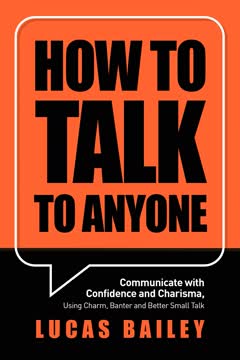
What's "How to Talk to Anyone" by Lucas Bailey about?
- Focus on Communication Skills: The book is a comprehensive guide to improving communication skills, focusing on confidence, charisma, charm, banter, and small talk.
- Practical Techniques: It offers practical techniques for reading people, making first impressions, and engaging in effective conversations in various settings.
- Wide Range of Contexts: The book covers communication in personal, professional, and social contexts, including virtual communication and dating.
- Self-Improvement: It emphasizes self-awareness and self-improvement, encouraging readers to practice and refine their communication skills.
Why should I read "How to Talk to Anyone" by Lucas Bailey?
- Enhance Communication Skills: The book provides valuable insights and techniques to enhance your communication skills, which are essential in both personal and professional life.
- Build Confidence and Charisma: It offers strategies to build confidence and charisma, helping you connect better with others and leave a lasting impression.
- Practical and Relatable: The book is filled with relatable examples and practical advice that can be easily applied in real-life situations.
- Comprehensive Coverage: It covers a wide range of topics, from making first impressions to handling difficult conversations, making it a comprehensive resource for anyone looking to improve their communication skills.
What are the key takeaways of "How to Talk to Anyone" by Lucas Bailey?
- First Impressions Matter: The book emphasizes the importance of first impressions and provides tips on how to make a positive impact through body language and appearance.
- Active Listening is Crucial: Active listening is highlighted as a key component of effective communication, allowing you to understand and connect with others better.
- Adaptability in Communication: The book stresses the importance of adapting your communication style to different contexts and audiences, whether at work, home, or social settings.
- Self-Improvement and Practice: It encourages continuous self-improvement and practice, suggesting that communication skills can be developed and refined over time.
How does Lucas Bailey suggest improving first impressions in "How to Talk to Anyone"?
- Body Language Awareness: Bailey advises being aware of your body language, such as standing straight, maintaining eye contact, and keeping your hands visible to convey confidence.
- Mirroring Technique: He suggests using the mirroring technique, where you subtly mimic the other person's gestures and speech patterns to build rapport.
- Appropriate Physical Contact: Understanding cultural norms and using appropriate physical contact, like a firm handshake, can enhance first impressions.
- Dress and Grooming: Paying attention to your appearance, including dressing appropriately for the occasion, can significantly impact the first impression you make.
What does Lucas Bailey say about active listening in "How to Talk to Anyone"?
- Types of Listeners: Bailey categorizes listeners into non-listeners, marginal listeners, evaluative listeners, and active listeners, emphasizing the importance of being an active listener.
- Five Aspects of Active Listening: He outlines five aspects: not interrupting, maintaining interest, postponing evaluation, organizing information, and showing interest.
- Empathy and Understanding: Active listening involves empathy and understanding, allowing you to connect with others on a deeper level by acknowledging their emotions and perspectives.
- Practical Application: The book provides practical tips for becoming an active listener, such as mirroring, asking follow-up questions, and validating the speaker's feelings.
How does "How to Talk to Anyone" address communication in professional settings?
- Respect and Positivity: Bailey emphasizes the importance of being respectful and positive in the workplace, avoiding gossip, and acknowledging everyone's contributions.
- Effective Meetings: The book offers strategies for conducting effective meetings, such as setting clear agendas, managing interruptions, and ensuring all voices are heard.
- Leadership Communication: It discusses the role of communication in leadership, highlighting the need for charisma, trust-building, and delivering constructive criticism.
- Balancing Professional Relationships: The book advises on maintaining professional boundaries while building rapport with colleagues and superiors.
What advice does Lucas Bailey give for virtual communication in "How to Talk to Anyone"?
- Email Etiquette: Bailey stresses the importance of email etiquette, advising readers to be brief, thorough, and avoid sending emails when angry.
- Social Media Awareness: He warns about the potential pitfalls of social media, suggesting maintaining separate personal and professional accounts to protect your reputation.
- Virtual Meeting Tips: The book provides tips for virtual meetings, such as setting up a professional background, maintaining eye contact with the camera, and minimizing distractions.
- Adapting Communication Style: It highlights the need to adapt your communication style for digital platforms, ensuring clarity and avoiding misunderstandings.
How does "How to Talk to Anyone" approach dating and relationships?
- Dating App Strategies: Bailey offers strategies for creating an appealing dating profile, emphasizing the importance of honest photos and creative bios.
- Banter and Charm: The book discusses the art of banter and charm, advising on how to engage in playful yet respectful conversations.
- Building Trust: It highlights the importance of building trust through active listening and meaningful conversations, rather than relying solely on humor or flirtation.
- Physical Contact Cues: Bailey provides guidance on reading and responding to physical contact cues, ensuring comfort and consent in dating scenarios.
What are some of the best quotes from "How to Talk to Anyone" and what do they mean?
- "Communication is the number one skill we all need to improve." This quote emphasizes the universal importance of communication skills in building and maintaining relationships.
- "Repetition is the mother of skill." It highlights the need for practice and persistence in developing effective communication skills.
- "You become interesting by showing interest in the other person." This quote underscores the value of active listening and genuine curiosity in forming connections.
- "Confidence is not easy and it takes energy, take a rest if you need it." It acknowledges the effort required to maintain confidence and the importance of self-care.
How does Lucas Bailey suggest handling difficult conversations in "How to Talk to Anyone"?
- Stay Calm and Composed: Bailey advises remaining calm and composed, using body language to convey confidence and control.
- Sympathetic Approach: He suggests using a sympathetic approach, acknowledging the other person's emotions and offering solutions to diffuse tension.
- Setting Boundaries: The book emphasizes the importance of setting boundaries and not allowing disrespectful behavior to continue.
- Switching Tactics: If the sympathetic approach fails, Bailey recommends switching to a more assertive tone, clearly stating expectations and consequences.
What role does self-improvement play in "How to Talk to Anyone" by Lucas Bailey?
- Continuous Practice: Bailey emphasizes the importance of continuous practice and self-improvement in developing communication skills.
- Self-Awareness: The book encourages self-awareness, understanding your strengths and weaknesses, and working on areas that need improvement.
- Modeling Success: It suggests modeling your communication style after successful communicators and adapting their techniques to fit your personality.
- Embracing Change: Bailey advocates for embracing change and being open to new experiences, as they can provide valuable learning opportunities.
How does "How to Talk to Anyone" address the challenges faced by introverts?
- Leveraging Quiet Nature: Bailey suggests leveraging the strengths of being an introvert, such as being comfortable with silence and having a thoughtful approach to communication.
- Exposure Therapy: The book recommends exposure therapy, gradually increasing social interactions to build confidence and reduce anxiety.
- Practicing in Safe Environments: It advises practicing communication skills in safe environments, like speed dating or casual interactions, to gain experience.
- Reframing Thoughts: Bailey encourages reframing negative thoughts and focusing on the positive aspects of being an introvert, such as being a good listener and observer.








































