أهم النقاط
1. المعاناة أمر لا مفر منه، لكن رد فعلنا تجاهها هو ما يحدد هويتنا
"يمكن أن يُنتزع من الإنسان كل شيء إلا شيئًا واحدًا: آخر الحريات الإنسانية — اختيار موقفه في أي ظرف من الظروف، واختيار طريقه الخاص."
قوة الموقف. في مواجهة المعاناة التي لا توصف في معسكرات الاعتقال النازية، اكتشف فيكتور فرانكل أنه رغم عدم قدرتنا على التحكم في ظروفنا دائمًا، إلا أن لدينا حرية اختيار رد فعلنا تجاهها. هذا الإدراك أصبح حجر الأساس لفلسفته ونهجه العلاجي.
تحويل المعاناة. لاحظ فرانكل أن السجناء الذين وجدوا معنى في معاناتهم كانوا أكثر قدرة على البقاء على قيد الحياة في المعسكرات. فهو يرى أن المعاناة تصبح محتملة عندما نربطها بمعنى ما. على سبيل المثال:
- اعتبار الشدائد اختبارًا للشخصية
- استخدام الألم كدافع للنمو الشخصي
- إيجاد هدف في مساعدة الآخرين من خلال المعاناة المشتركة
من خلال إعادة صياغة نظرتنا للمعاناة، يمكننا تحويلها من عبء ساحق إلى مصدر قوة وصمود.
2. إيجاد المعنى في الحياة أمر ضروري للبقاء والرفاهية
"من لديه سبب للعيش يستطيع تحمل أي كيف."
أولوية المعنى. يرى فرانكل أن الدافع الأساسي لدى الإنسان ليس اللذة أو السلطة، بل السعي وراء ما يجده ذا معنى. هذه "الإرادة إلى المعنى" ضرورية للصحة النفسية ويمكن أن تمنح القوة لتحمل أصعب الظروف.
مصادر المعنى. يحدد فرانكل ثلاث طرق رئيسية يمكن للإنسان من خلالها اكتشاف المعنى في الحياة:
- خلق عمل أو إنجاز فعل
- تجربة شيء أو لقاء شخص (مثل الحب)
- الموقف الذي نتخذه تجاه المعاناة التي لا مفر منها
ويؤكد أن المعنى شخصي للغاية وقد يتغير طوال حياة الإنسان. المفتاح هو البقاء منفتحًا على إمكانيات المعنى في كل موقف، مهما بدا قاتمًا.
3. الحب والروحانية يمنحان القوة في أحلك الأوقات
"خلاص الإنسان يكون من خلال الحب وفي الحب."
قوة الحب. يروي فرانكل كيف أن أفكاره عن زوجته منحتْه القوة لتحمل الظروف القاسية في معسكرات الاعتقال. الحب، كما يرى، يتيح لنا لمحة عن الأبدية ويتجاوز ظروفنا الحالية.
الصمود الروحي. حتى في أكثر الظروف التي تفقد الإنسان إنسانيته، لاحظ فرانكل أن بعض السجناء حافظوا على حياتهم الروحية الداخلية. تجلى ذلك بطرق مختلفة:
- الصلاة والممارسات الدينية
- تقدير جمال الطبيعة
- خلق أو تقدير الفن والأدب
- الانخراط في نقاشات فلسفية
هذه الممارسات الروحية وفرت إحساسًا بالمعنى والهوية يتجاوز وجود المعسكر المهين، مما ساعد السجناء على الحفاظ على إنسانيتهم وإرادتهم في الحياة.
4. الكرامة الإنسانية تبقى قائمة حتى في أقسى الظروف اللا إنسانية
"قد ترفع القوة الداخلية للإنسان مكانته فوق مصيره الظاهر."
الحفاظ على الإنسانية. رغم محاولات تجريد السجناء من إنسانيتهم، شهد فرانكل أعمالًا من التعاطف والتضحية والشجاعة الأخلاقية بين السجناء. كانت هذه اللحظات من الكرامة الإنسانية تناقضًا صارخًا مع القسوة المحيطة.
الحرية الداخلية. يؤكد فرانكل أنه حتى عندما تُسلب كل الحريات الخارجية، يحتفظ الإنسان بحرية داخلية — القدرة على اختيار موقفه والحفاظ على قيمه. هذه الحرية الداخلية هي مصدر الكرامة الإنسانية ولا يمكن لأي قوة خارجية أن تنتزعها.
أمثلة على الحفاظ على الكرامة في المعسكرات:
- مشاركة الطعام القليل مع الآخرين
- تقديم كلمات تشجيع
- الحفاظ على النظافة الشخصية متى أمكن
- رفض المشاركة في أفعال قاسية ضد السجناء الآخرين
5. حرية الاختيار موجودة في كل الظروف مهما كانت قاسية
"بين المنبه والاستجابة هناك فراغ. في هذا الفراغ تكمن قوتنا في اختيار رد فعلنا. وفي رد فعلنا يكمن نمونا وحريتنا."
الحرية المطلقة. يؤكد فرانكل أنه حتى في أكثر الظروف تقييدًا وقمعًا، يحتفظ الإنسان دائمًا بحرية اختيار رد فعله. هذه الحرية في الاختيار هي التي تمنح الحياة معناها وتسمح بالنمو الشخصي.
مسؤولية الاختيار. مع هذه الحرية تأتي المسؤولية في اتخاذ قرارات تؤكد الحياة والمعنى. لاحظ فرانكل أن السجناء الذين تخلىوا عن هذه المسؤولية — الذين توقفوا عن اتخاذ القرارات وتركوا الأمور تحدث لهم — كانوا أقل قدرة على البقاء.
الجوانب الأساسية لممارسة حرية الاختيار:
- الحفاظ على روح الدعابة
- اختيار مساعدة الآخرين رغم المعاناة الشخصية
- قرار إيجاد الجمال في اللحظات الصغيرة
- رفض السماح للظروف بتحديد الموقف
6. المسؤولية والهدف هما مفتاحا التغلب على الشدائد
"الحياة لا تصبح لا تطاق بسبب الظروف، بل بسبب غياب المعنى والهدف."
أهمية الهدف. وجد فرانكل أن السجناء الذين كان لديهم هدف — مهمة لإنجازها، أو شخص عزيز للعودة إليه، أو هدف لتحقيقه — كانوا أكثر قدرة على النجاة. هذا الهدف وفر لهم الدافع والصمود في وجه المحن الشديدة.
تحمل المسؤولية. يرى فرانكل أنه يجب علينا تحمل مسؤولية إيجاد المعنى في حياتنا، بدلاً من انتظار أن يُمنح لنا. وهذا يشمل:
- البحث بنشاط عن فرص للعمل ذي المعنى
- قبول التحديات التي تطرحها الحياة كمهام شخصية
- إدراك قدرتنا على اختيار رد فعلنا تجاه الظروف
- فهم أننا مسؤولون عن حياتنا
من خلال تبني المسؤولية وتنمية الإحساس بالهدف، يمكننا إيجاد القوة لتجاوز أصعب المواقف.
7. العلاج بالمعنى: التركيز على المعنى المستقبلي بدلاً من الألم الماضي
"عش كما لو كنت تعيش للمرة الثانية وكأنك تصرفت في المرة الأولى بشكل خاطئ كما أنت على وشك أن تفعل الآن!"
العلاج الموجه نحو المستقبل. العلاج بالمعنى، وهو النهج العلاجي الذي طوره فرانكل، يركز على مساعدة الناس في إيجاد معنى لحياتهم. على عكس التحليل النفسي التقليدي الذي يركز غالبًا على التجارب الماضية، يوجه العلاج بالمعنى النظر نحو المستقبل.
المبادئ الأساسية للعلاج بالمعنى:
- للحياة معنى في كل الظروف، حتى في أشدها بؤسًا
- الدافع الرئيسي للحياة هو إرادتنا لإيجاد المعنى
- لدينا حرية إيجاد المعنى فيما نفعله، أو ما نختبره، أو على الأقل في الموقف الذي نتخذه عند مواجهة معاناة لا يمكن تغييرها
تشمل تقنيات العلاج بالمعنى:
- النية المتناقضة: تشجيع المرضى على نية أو تمني الشيء الذي يخافونه
- الانحراف: تحويل التركيز بعيدًا عن المشاكل نحو الجوانب الإيجابية في الحياة
- الحوار السقراطي: طرح أسئلة لمساعدة المرضى على اكتشاف معانيهم وقيمهم الخاصة
8. أهمية الحفاظ على الأمل والتفاؤل وسط اليأس
"من لديه سبب للعيش يستطيع تحمل أي كيف."
دور الأمل. لاحظ فرانكل أن السجناء الذين فقدوا الأمل استسلموا بسرعة للمرض والموت. كان الحفاظ على الأمل، حتى في وجه الأدلة الساحقة على العكس، أمرًا حاسمًا للبقاء.
تنمية التفاؤل. مع الاعتراف بواقع المعاناة، يدعو فرانكل إلى نوع من "التفاؤل التراجيدي" — القدرة على البقاء متفائلين رغم "الثالوث التراجيدي" من الألم والذنب والموت. وهذا يشمل:
- إيجاد معنى في المعاناة
- استخلاص القوة من التحديات
- رؤية الفرصة في كل صعوبة
طرق عملية للحفاظ على الأمل:
- وضع أهداف صغيرة قابلة للتحقيق
- التركيز على الجوانب الإيجابية في الوضع الحالي
- تصور مستقبل أفضل
- مساعدة الآخرين، مما يمنح شعورًا بالهدف
9. تجاوز الذات: إيجاد الهدف خارج الذات
"كلما نسي الإنسان نفسه — بتكريسه لخدمة قضية أو حب شخص آخر — كان أكثر إنسانية وأكثر تحقيقًا لذاته."
ما بعد تحقيق الذات. يرى فرانكل أن الإشباع الحقيقي لا يأتي من التركيز على الذات، بل من تكريس النفس لقضية أو شخص يتجاوز الذات. هذا التجاوز الذاتي هو مفتاح إيجاد المعنى والهدف في الحياة.
طرق التجاوز الذاتي:
- العمل الإبداعي: المساهمة بشيء ذي قيمة للعالم
- التجارب: الانخراط العميق مع الطبيعة أو الفن أو الحب
- المواقف: اختيار كيفية مواجهة المعاناة التي لا مفر منها
أمثلة على التجاوز الذاتي:
- عالم يكرس حياته للبحث الذي يفيد الإنسانية
- والد يضحي براحة نفسه من أجل رفاهية طفله
- فنان يخلق أعمالًا تلهم أو تحرك الآخرين
- متطوع يساعد المحتاجين
من خلال النظر إلى ما هو أبعد من حاجاتنا ورغباتنا، يمكننا إيجاد معنى أعمق واتصال أوسع بالعالم من حولنا.
10. التفاؤل التراجيدي: تحويل المعاناة إلى إنجاز إنساني
"بشكل ما، تتوقف المعاناة عن كونها معاناة في اللحظة التي تجد فيها معنى، مثل معنى التضحية."
تحويل المأساة. يقدم فرانكل مفهوم "التفاؤل التراجيدي" — القدرة على البقاء متفائلين وإيجاد معنى رغم المآسي الحتمية في الحياة. وهذا يشمل تحويل المعاناة إلى إنجاز وإنجاز إنساني.
مكونات التفاؤل التراجيدي:
- إيجاد معنى في المعاناة
- استخلاص القوة من التحديات
- تحويل الذنب إلى فرصة للنمو الشخصي
- إيجاد معنى الحياة رغم طبيعتها الزائلة
- مواجهة الموت بشجاعة
تطبيقات عملية:
- استخدام المآسي الشخصية كدافع لمساعدة الآخرين في مواقف مماثلة
- اعتبار النكسات فرصًا لتطوير الصمود والشخصية
- تحويل الذنب إلى عمل إيجابي وتغيير
- تقدير الطبيعة المحدودة للحياة للعيش بشكل أكثر اكتمالًا في الحاضر
من خلال تبني التفاؤل التراجيدي، يمكننا إيجاد المعنى والهدف حتى في أصعب لحظات الحياة، وتحويل ألمنا إلى مصدر للنمو الشخصي والإنجاز الإنساني.
ملخص المراجعات
يُعتبر كتاب "بحث الإنسان عن المعنى" من الكتب العميقة والمؤثرة التي تركت بصمة واضحة في حياة الكثيرين. يقدّر القراء في هذا الكتاب تأملات فرانكل حول كيفية إيجاد الهدف والمعنى في ظل المعاناة، وتجربته الشخصية في معسكرات الاعتقال النازية. يرى كثيرون أن هذا الكتاب من القراءات الضرورية، مشيرين إلى تأثيره الكبير في تغيير نظرتهم للحياة وقدرتهم على استنباط المعنى منها. يستعرض الكتاب مفهوم العلاج بالمعنى ويؤكد على أهمية المسؤولية الشخصية، وهو ما يلقى صدى واسعًا لدى القراء. رغم أن بعض الأجزاء قد تبدو بطيئة أو متقطعة للبعض، إلا أن الغالبية تشيد بالرسالة القوية التي يحملها الكتاب وأهميته المستمرة، موصين بقراءته لجميع الفئات العمرية.
قرأ الآخرون أيضًا





الأسئلة الشائعة
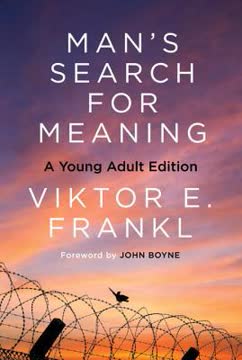
What's "Man's Search for Meaning: A Young Adult Edition" about?
- Holocaust Experience: The book is a personal account by Viktor E. Frankl, detailing his experiences as a Holocaust survivor in Nazi concentration camps.
- Search for Meaning: It explores the psychological journey of finding meaning in life, even amidst extreme suffering and dehumanization.
- Logotherapy Introduction: Frankl introduces his psychological theory, logotherapy, which emphasizes the importance of finding purpose in life.
- Human Resilience: The narrative highlights the resilience of the human spirit and the capacity to choose one's attitude in any given set of circumstances.
Why should I read "Man's Search for Meaning: A Young Adult Edition"?
- Inspiration and Hope: The book offers a powerful message of hope and resilience, showing how meaning can be found even in the darkest times.
- Psychological Insight: It provides valuable insights into human psychology and the importance of purpose for mental health.
- Historical Perspective: Readers gain a firsthand account of the Holocaust, enhancing their understanding of this historical atrocity.
- Personal Growth: The book encourages readers to reflect on their own lives and the meaning they derive from their experiences.
What are the key takeaways of "Man's Search for Meaning: A Young Adult Edition"?
- Meaning in Suffering: Suffering is an inevitable part of life, but it can be transformed into a source of meaning.
- Freedom of Choice: Even in extreme conditions, individuals have the freedom to choose their attitude and response.
- Logotherapy Principles: The book outlines the principles of logotherapy, focusing on the will to meaning as a primary human drive.
- Human Dignity: Maintaining one's dignity and humanity is possible even in the face of dehumanizing circumstances.
What is logotherapy, as described by Viktor E. Frankl?
- Meaning-Centered Therapy: Logotherapy is a form of psychotherapy that emphasizes finding meaning in life as the primary motivational force.
- Future Orientation: Unlike psychoanalysis, which focuses on the past, logotherapy is oriented towards the future and the meanings to be fulfilled.
- Responsibility and Choice: It stresses the importance of personal responsibility and the freedom to choose one's attitude.
- Self-Transcendence: The theory suggests that true fulfillment comes from transcending oneself by serving a cause or loving another person.
How did Viktor E. Frankl survive the concentration camps?
- Mental Resilience: Frankl maintained mental resilience by focusing on future goals, such as rewriting his lost manuscript.
- Inner Freedom: He realized that while he couldn't control his external circumstances, he could control his response to them.
- Love and Memory: Thoughts of his wife and the love they shared provided him with strength and hope.
- Finding Meaning: Frankl found meaning in his suffering, viewing it as an opportunity to demonstrate human dignity and resilience.
What are some of the best quotes from "Man's Search for Meaning" and what do they mean?
- "He who has a why to live can bear almost any how." This quote emphasizes the importance of having a purpose or reason to endure hardships.
- "Everything can be taken from a man but one thing: the last of the human freedoms—to choose one's attitude in any given set of circumstances." It highlights the power of choice and personal agency.
- "When we are no longer able to change a situation, we are challenged to change ourselves." This speaks to the potential for personal growth and adaptation in the face of unchangeable circumstances.
- "The meaning of life is to be discovered in the world rather than within man or his own psyche." It suggests that meaning is found through engagement with the world and others.
How does Viktor E. Frankl define the "will to meaning"?
- Primary Motivation: Frankl argues that the primary motivation in life is the search for meaning, not the pursuit of pleasure or power.
- Unique and Specific: Meaning is unique to each individual and must be discovered and fulfilled by them alone.
- Responsibility: Individuals are responsible for finding and fulfilling their own life's meaning.
- Contrast with Other Theories: This concept contrasts with Freud's "will to pleasure" and Adler's "will to power."
What role does suffering play in "Man's Search for Meaning"?
- Source of Meaning: Suffering is seen as an opportunity to find deeper meaning and purpose in life.
- Unavoidable Reality: Frankl acknowledges that suffering is an unavoidable part of life, but it can be transformed into a personal triumph.
- Attitude Toward Suffering: The book emphasizes the importance of one's attitude toward suffering, which can determine whether it becomes a source of despair or growth.
- Example of Sacrifice: Frankl illustrates how suffering can be meaningful through examples of individuals who found purpose in their pain.
How does "Man's Search for Meaning" address the concept of freedom and responsibility?
- Freedom of Attitude: The book asserts that individuals always have the freedom to choose their attitude, regardless of circumstances.
- Responsibility to Choose: With freedom comes the responsibility to make choices that align with one's values and purpose.
- Self-Determination: Frankl emphasizes that people are ultimately self-determining, shaping their own lives through their choices.
- Balance of Freedom and Responsibility: The book suggests that true freedom is found in living responsibly and meaningfully.
What is the "existential vacuum" as described by Viktor E. Frankl?
- Feeling of Emptiness: The existential vacuum is a sense of emptiness and lack of meaning in life, common in the modern world.
- Loss of Instincts and Traditions: It arises from the loss of basic instincts and diminishing traditional values that once guided behavior.
- Manifestation in Boredom: This vacuum often manifests as boredom, leading to depression, aggression, or addiction.
- Challenge to Find Meaning: Frankl sees the existential vacuum as a challenge to find personal meaning and purpose.
How does Viktor E. Frankl's experience in the Holocaust influence his psychological theories?
- Real-Life Validation: His experiences in the concentration camps provided real-life validation for his theories on finding meaning in suffering.
- Observation of Human Behavior: Frankl observed how different attitudes and choices affected survival and mental health in extreme conditions.
- Development of Logotherapy: The camps served as a testing ground for the principles of logotherapy, emphasizing the will to meaning.
- Personal Transformation: Frankl's own transformation and survival reinforced his belief in the power of meaning and choice.
What impact has "Man's Search for Meaning" had on readers and the field of psychology?
- Widespread Influence: The book has sold over 12 million copies and is considered one of the most influential books in America.
- Inspiration for Therapists: It has inspired therapists to focus on helping patients find meaning and purpose in their lives.
- Educational Use: The book is widely used in educational settings, including psychology, philosophy, and Holocaust studies.
- Personal Impact: Many readers report that the book has profoundly affected their lives, offering guidance and hope in difficult times.
عن المؤلف
كتب أخرى لـ فيكتور إي. فرانكل

 تجربة غامرة