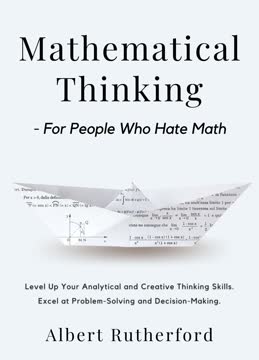
أهم النقاط
1. التفكير الرياضي هو فن حل المشكلات وليس مجرد معادلات
التفكير الرياضي يتجاوز ذلك بكثير. إنه يتعلق بتعلم كيفية تطبيق عمليات للوصول إلى الإجابات، وتقسيم المهام إلى أجزاء أصغر يمكن التحكم بها، وإثبات وجهات نظرك لجعلها أكثر إقناعًا، واكتشاف وتصحيح أخطائك بكفاءة أكبر، وطرح الأسئلة الصحيحة وتجنب الافتراضات، والتعرف بشكل أفضل على الأنماط وتحليلها.
ما وراء الأرقام والصيغ. يمتد التفكير الرياضي إلى ما هو أبعد من مجال المعادلات والحسابات. إنه أداة ذهنية قوية يمكن تطبيقها على مختلف جوانب الحياة، من اتخاذ القرارات إلى حل المشكلات. يشجع هذا النمط من التفكير على اتباع منهجية منظمة في مواجهة التحديات، من خلال تفكيكها إلى مكونات يمكن التعامل معها وتحليل الأنماط لإيجاد حلول فعالة.
تطبيقات عملية في الحياة. من خلال تبني التفكير الرياضي، يمكن للأفراد:
- تحسين مهارات التفكير المنطقي والتحليلي
- تعزيز عمليات اتخاذ القرار
- تطوير حجج أكثر إقناعًا
- التعرف على الأخطاء وتصحيحها بكفاءة أكبر
- طرح أسئلة أفضل وتحدي الافتراضات
- التعرف على الأنماط وتفسيرها في سياقات مختلفة
2. الدقة في اللغة والفكر ضرورية للتواصل الفعال
الرياضيات حازمة في أنه يجب عليك دائمًا اختيار أقصر طريقة للتعبير عما تريد قوله. وإلا فإن معادلاتك ستأخذ صفحات وصفحات وتصبح صعبة القراءة.
الوضوح من خلال الإيجاز. الدقة في اللغة والفكر هي حجر الزاوية في التواصل الفعال، سواء في الرياضيات أو في الحياة اليومية. بالسعي نحو الوضوح والإيجاز، نستطيع نقل الأفكار المعقدة بكفاءة أكبر وتقليل مخاطر سوء الفهم.
فوائد التواصل الدقيق:
- تقليل الغموض وسوء التفسير
- تعزيز مصداقية الحجج
- تسهيل حل المشكلات واتخاذ القرارات
- تحسين الكفاءة العامة في التواصل
- تشجيع التفكير النقدي والتحليل
لتحقيق الدقة، ركز على:
- استخدام مصطلحات محددة ودقيقة
- تجنب الكلمات أو الشروحات غير الضرورية
- تنظيم الأفكار والحجج بشكل منطقي
- تقديم تعريفات وأمثلة واضحة عند الحاجة
3. التخصص، التعميم، والافتراض هي عمليات رياضية أساسية
التخصص، كما يمكننا أن نستنتج، هو عندما نختار مثالًا معينًا من فكرة عامة (في حالتنا، في تسلسل حساب الضرائب والخصومات) ونثبت الفكرة بأكبر عدد ممكن من الأمثلة.
أساسيات الفهم. تشكل هذه العمليات الثلاث قاعدة التفكير الرياضي وحل المشكلات. التخصص يعني دراسة أمثلة محددة لفهم مفهوم عام. التعميم هو العكس، حيث نستخلص مبادئ أوسع من حالات محددة. أما الافتراض فهو عملية تكوين تخمينات مستندة إلى المعلومات المتاحة.
تطبيق العمليات:
- التخصص: اختبار النظريات بأمثلة ملموسة
- التعميم: التعرف على الأنماط ووضع قواعد عامة
- الافتراض: صياغة فرضيات وتوقعات لتوجيه البحث
تعمل هذه العمليات معًا على:
- تعميق فهم المفاهيم المعقدة
- تطوير مهارات التفكير النقدي والتحليلي
- تشجيع أساليب حل المشكلات الإبداعية
- بناء أساس متين للتعلم والاكتشاف
4. التفكير المركز والمشتت يعملا معًا لتعزيز التعلم والإبداع
نستخدم التفكير المركز والمشتت، غالبًا دون وعي، للتعلم والتحسن في معظم مجالات الحياة.
أنماط ذهنية مكملة. التفكير المركز يتطلب تركيزًا شديدًا على مهمة أو مشكلة محددة، بينما يسمح التفكير المشتت للعقل بالتجول وربط الأفكار بشكل غير متوقع. كلا النمطين ضروريان للتعلم الفعال وحل المشكلات الإبداعي.
كيفية الاستفادة من كلا النمطين:
- التفكير المركز:
- التركيز على فهم مفاهيم محددة
- ممارسة المهارات الأساسية وتكرارها
- تحليل المشكلات بتفصيل
- التفكير المشتت:
- تخصيص وقت للتأمل واحتضان الأفكار
- الانخراط في أنشطة تعزز الاسترخاء الذهني
- تشجيع الربط بين مفاهيم تبدو غير مرتبطة
استراتيجيات للتعلم الأمثل:
- التناوب بين جلسات الدراسة المركزة وفترات الراحة
- استخدام تقنيات مثل طريقة بومودورو لتحقيق توازن بين التركيز والراحة
- الانخراط في أنشطة متنوعة لتحفيز التفكير المشتت
- النوم على المشكلات الصعبة للسماح للمعالجة اللاواعية
5. فهم الخطية واللاخطية ضروري للتحليل الدقيق
اللاخطية تفسر معظم الظواهر الواقعية، ومع ذلك تم اعتبارها بديلًا للتحليل العلمي أو الرياضي بدلاً من التفكير الخطي.
ما وراء السبب والنتيجة البسيطة. بينما التفكير الخطي بديهي وغالبًا ما يكون مفيدًا للمشكلات البسيطة، فإن معظم الظواهر في العالم الحقيقي غير خطية. فهم الفرق بين هذين النوعين من العلاقات أمر حاسم للتحليل الدقيق واتخاذ القرار.
الفروقات الأساسية:
- العلاقات الخطية:
- تغييرات متناسبة بين المدخلات والمخرجات
- سهلة التنبؤ والنمذجة
- مفيدة للأنظمة البسيطة والتقريبات
- العلاقات اللاخطية:
- تفاعلات معقدة بين المتغيرات
- قد تشمل حلقات تغذية راجعة وخصائص ناشئة
- تمثل الأنظمة الواقعية بدقة أكبر
لتحسين التحليل:
- التعرف على متى تكون التقريبات الخطية مناسبة
- الانتباه إلى التأثيرات اللاخطية المحتملة في الأنظمة المعقدة
- استخدام الأدوات والنماذج المناسبة للتحليل اللاخطي
- مراعاة تعدد المتغيرات وتفاعلاتها
6. الاحتمالات وتقييم المخاطر أساسيات لاتخاذ القرار
حساب القيمة المتوقعة للرِهان أمر حاسم لتقدير فرص الفوز على المدى الطويل.
اختيارات مستنيرة بالأرقام. فهم الاحتمالات والمخاطر ضروري لاتخاذ قرارات واعية في مختلف جوانب الحياة، من الاستثمارات المالية إلى الخيارات الشخصية. من خلال تقييم احتمالية النتائج المختلفة وتأثيراتها المحتملة، يمكننا اتخاذ قرارات أكثر عقلانية وفائدة.
مفاهيم رئيسية في الاحتمالات وتقييم المخاطر:
- القيمة المتوقعة: متوسط نتيجة حدث عبر تجارب متعددة
- نسبة المخاطرة إلى المكافأة: موازنة المكاسب المحتملة مقابل الخسائر المحتملة
- توزيعات الاحتمالات: فهم نطاق واحتمالية النتائج الممكنة
تطبيقات عملية:
- التخطيط المالي واستراتيجيات الاستثمار
- التأمين وإدارة المخاطر
- قرارات المقامرة والألعاب
- خيارات العلاج الطبي
- تخطيط الأعمال والمشاريع
7. استراتيجيات فعالة لأداء أفضل في الاختبارات وتقليل القلق
عندما تكون تحت الضغط، يركز عقلك على مستوى جديد.
تعظيم الأداء تحت الضغط. الاختبارات ليست مجرد تقييمات بل أدوات تعليمية قوية. من خلال تبني استراتيجيات فعالة، يمكننا تحسين أدائنا، تقليل القلق، وتعزيز قدرتنا على استدعاء وتطبيق المعرفة.
استراتيجيات رئيسية لأداء فعال في الاختبارات:
- إعادة تأطير القلق كحماس للأداء الجيد
- ممارسة التنفس العميق لتهدئة الأعصاب وتحسين التركيز
- البدء بالمشكلات الصعبة ثم الانتقال إلى الأسهل
- في الأسئلة متعددة الخيارات، تغطية الإجابات ومحاولة الحل أولاً
- ضمان الحصول على نوم كافٍ قبل الاختبار
نصائح إضافية:
- محاكاة ظروف الاختبار أثناء جلسات المراجعة
- استخدام تقنيات الاستدعاء النشط أثناء الدراسة
- تقسيم المشكلات المعقدة إلى خطوات يمكن التحكم بها
- إدارة الوقت بفعالية أثناء الاختبار
- مراجعة الأخطاء والتعلم منها بعد الاختبار
ملخص المراجعات
يحظى كتاب "التفكير الرياضي - للأشخاص الذين يكرهون الرياضيات" بتقييمات متباينة. يرى بعض القراء أنه قراءة خفيفة وممتعة تقدم تغطية منهجية لأساليب التفكير، وإن كانت سطحية إلى حد ما. الجانب الرياضي في الكتاب يُعتبر محدودًا، ويُنظر إليه أكثر كأداة تسويقية. يثمن القراء أسلوب الكاتب وصوته في السرد، مما يجعله بديلاً جيدًا عن الترفيه العقيم. مع ذلك، توقع البعض محتوى أعمق وأكثر رياضية. يُشار إلى أن الفصل الخاص بالتفكير الخطي وغير الخطي كان من الفصول المثيرة للاهتمام. بشكل عام، يُعد الكتاب مقدمة سريعة للتفكير الرياضي، مناسبة لمن يرغبون في فهم أساسي دون الخوض في تعقيدات الرياضيات.
قرأ الآخرون أيضًا


 تجربة غامرة

الأسئلة الشائعة
What's "Mathematical Thinking - For People Who Hate Math" about?
- Purpose of the book: The book aims to help those who dislike math develop analytical and creative thinking skills. It focuses on improving problem-solving and decision-making abilities.
- Beyond traditional math: It emphasizes understanding the theoretical, conceptual, and practical aspects of math rather than just procedural skills.
- Real-world application: The book highlights how mathematical thinking can be applied in everyday life to enhance logical, quantitative, and analytical skills.
Why should I read "Mathematical Thinking - For People Who Hate Math"?
- Enhance thinking skills: The book offers strategies to improve both analytical and creative thinking, which are valuable in various aspects of life.
- Practical benefits: It provides insights into how mathematical thinking can aid in real-world problem-solving and decision-making.
- Accessible approach: The author presents math in a way that is approachable for those who have traditionally struggled with or disliked the subject.
What are the key takeaways of "Mathematical Thinking - For People Who Hate Math"?
- Mathematical thinking: It's about understanding the concepts behind math, not just the procedures.
- Problem-solving skills: The book teaches how to break down tasks, find patterns, and make logical decisions.
- Real-world relevance: Mathematical thinking is applicable in everyday situations, from budgeting to strategic planning.
How does Albert Rutherford define "Mathematical Thinking"?
- Beyond equations: Mathematical thinking involves understanding the reasoning and skills behind mathematical concepts.
- Practical application: It focuses on using math to solve real-world problems and make informed decisions.
- Conceptual understanding: The book emphasizes the importance of grasping the big-picture ideas behind math.
What is the "Einstellung Effect" mentioned in the book?
- Definition: The Einstellung Effect refers to preconceived ideas that hinder finding better solutions.
- Impact on problem-solving: It can create mental roadblocks by making individuals stick to familiar methods.
- Overcoming the effect: The book suggests clearing away past notions and doing further research to find new solutions.
How does "Mathematical Thinking" relate to creative thinking?
- Interconnected thinking: Mathematical thinking requires both logical and creative approaches to solve problems.
- Divergent and convergent: While mathematical thinking is convergent, focusing on specific solutions, creative thinking is divergent, exploring multiple possibilities.
- Enhancing problem-solving: Creative thinking can help overcome roadblocks in mathematical thinking by providing new perspectives.
What are the benefits of "Focus and Diffuse" thinking as discussed in the book?
- Two modes of thinking: Focused thinking involves intense concentration, while diffuse thinking allows for broader, subconscious processing.
- Problem-solving strategy: Alternating between these modes can lead to breakthroughs and "aha" moments.
- Practical application: The book suggests using focused thinking for learning and diffuse thinking for processing and connecting ideas.
What is the role of "Precision" in mathematical thinking according to Albert Rutherford?
- Math as a language: Math is described as a universal language with strict rules for clarity and precision.
- Importance of accuracy: The book emphasizes the need for precise statements and logical conclusions in math.
- Avoiding ambiguity: Mathematical thinking requires clear, unambiguous communication, unlike the flexibility often found in everyday language.
How does the book address "Linearity and Nonlinearity"?
- Understanding linearity: The book explains linear thinking as a straightforward cause-and-effect relationship.
- Nonlinear complexity: It highlights that real-world problems often involve nonlinear interactions that are more complex.
- Practical examples: The book uses examples to illustrate how linear and nonlinear thinking apply to everyday situations.
What is the significance of "Probability and Risk" in the book?
- Lottery example: The book uses the lottery to explain the concepts of probability and risk.
- Expected value: It discusses how to calculate expected value to assess the risk and potential reward of decisions.
- Real-world application: Understanding probability and risk can help make informed decisions in various aspects of life.
What are some common "Errors in Reasoning" highlighted in the book?
- Cognitive fallacies: The book lists common errors such as synonym errors, non sequitur errors, and red herring errors.
- Impact on decision-making: These errors can lead to poorly reasoned decisions and misunderstandings.
- Avoiding mistakes: By recognizing these fallacies, individuals can improve their reasoning and decision-making skills.
What are the best quotes from "Mathematical Thinking - For People Who Hate Math" and what do they mean?
- "Mathematical thinking is much more useful than that.": This quote emphasizes that the book is about practical thinking skills, not just math.
- "It's about learning how to implement processes to find answers.": It highlights the importance of process-oriented thinking in problem-solving.
- "Understanding these concepts will help to shape your thinking to become more logical, quantitative, and analytical.": This quote underscores the book's goal of enhancing cognitive skills through mathematical thinking.
عن المؤلف
كتب أخرى لـ ألبرت رذرفورد