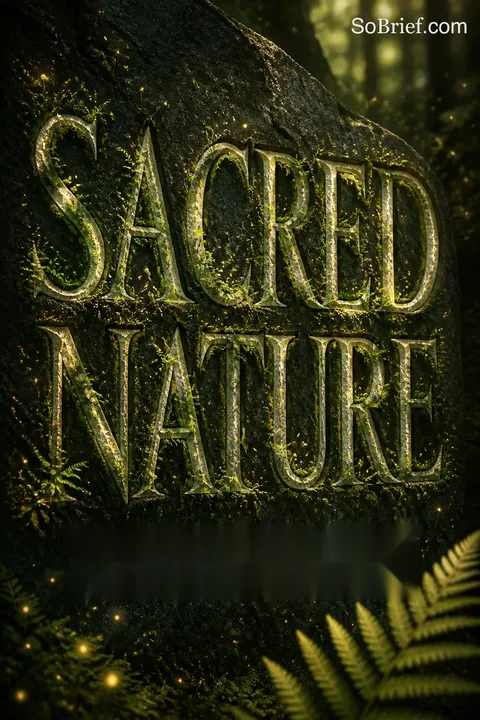

أهم النقاط
1. قداسة الطبيعة: إعادة الاتصال برابطنا القديم
"السماء أبي والأرض أمي، وحتى مخلوق صغير مثلي يجد مكانًا حميمًا في وسطهما."
الحكمة القديمة. على مدار معظم تاريخ البشرية، كان الناس يرون الطبيعة كشيء مقدس وحيوي، مشبع بحضور إلهي. هذا المنظور كان متجذرًا بعمق في ثقافات العالم، من الطاوية الصينية إلى التقاليد الفيدية الهندية. فقد اعتبروا العالم الطبيعي ليس مجرد خلفية أو مورد، بل جزءًا لا يتجزأ من وجودهم الروحي والجسدي.
فقدان الاتصال. أما المجتمع الغربي الحديث، فقد فقد إلى حد كبير هذا الرابط الحميم مع الطبيعة. أصبحنا أكثر اغترابًا عن العالم الطبيعي، غالبًا ما ننظر إليه من خلال عدسة الانفصال العلمي أو المنفعة الاقتصادية. هذا الانفصال ساهم في الأزمة البيئية التي نواجهها اليوم.
إعادة الاتصال. لمواجهة تحدياتنا البيئية، يجب أن نعيد اكتشاف وتنمية شعور بالتبجيل للطبيعة. وهذا لا يقتصر على الفهم العلمي فقط، بل يشمل أيضًا الانخراط العاطفي والروحي مع العالم الطبيعي. من خلال إعادة الاتصال بقداسة الطبيعة، يمكننا تطوير علاقة أكثر انسجامًا واستدامة مع بيئتنا.
2. التحول من الميثوس إلى اللوغوس: فقدان اتصالنا بالطبيعة
"على مدار معظم تاريخ البشرية، كان هناك طريقتان للتفكير والتحدث واكتساب المعرفة عن العالم: الميثوس واللوغوس."
الميثوس واللوغوس. تقليديًا، كانت المجتمعات البشرية توازن بين نمطين لفهم العالم: الميثوس (التفكير الأسطوري) واللوغوس (التفكير العقلاني). كان الميثوس يتعامل مع المعنى والحقائق الخالدة والجوانب الروحية للحياة، بينما يركز اللوغوس على المعرفة العملية والواقعية.
عدم التوازن. في المجتمع الغربي الحديث، أصبح اللوغوس يهيمن على رؤيتنا للعالم، غالبًا على حساب الميثوس. هذا التحول أدى إلى تقدم علمي وتقني ملحوظ، لكنه ساهم أيضًا في انفصالنا عن الطبيعة والقيم الروحية.
عواقب هذا الاختلال:
- النظر إلى الطبيعة كمورد للاستغلال
- فقدان التبجيل للعالم الطبيعي
- صعوبة التعامل مع الجوانب غير العقلانية للتجربة الإنسانية
- التدهور البيئي والأزمة
لاستعادة علاقتنا مع الطبيعة، نحتاج إلى إعادة دمج الميثوس في فهمنا للعالم، موازنًا إياه مع اللوغوس. هذا لا يعني رفض العلم، بل تكامله مع نهج أكثر شمولية يركز على المعنى والطبيعة ومكاننا فيها.
3. القداسة في الطبيعة: تجربة الإلهي في العالم الطبيعي
"كتاب أيوب نبي لزماننا يحمل رسالة عاجلة. يخبرنا أنه عندما ننظر إلى العالم الطبيعي، لا يمكننا أن نعتبره مجرد مورد. بل، مثل أيوب، يجب أن نتعلم تقدير غموضه، ونصرخ: 'قدوس! قدوس! قدوس!'"
إعادة اكتشاف الهيبة. مفهوم القداسة في الطبيعة يدعونا لتجربة العالم بشعور من الدهشة والتبجيل. يتحدانا أن نتجاوز رؤية الطبيعة كمجرد مجموعة من الموارد أو الظواهر العلمية، وبدلاً من ذلك نعترف بغموضها وقداستها الجوهرية.
وحي أيوب. يقدم كتاب أيوب في الكتاب المقدس العبري رؤية قوية لقداسة الطبيعة. من خلال كلام الله لأيوب، نواجه القوة العظيمة والجمال والغموض الذي لا يُدرك للعالم الطبيعي. هذا المنظور يتناقض مع الرؤى التي تضع الإنسان في مركز الخلق.
تطبيقات عملية:
- تنمية الوعي والوجود في الطبيعة
- تطوير شعور بالتواضع أمام تعقيد الطبيعة
- الاعتراف بالقيمة الجوهرية لجميع أشكال الحياة
- تبني نهج أكثر احترامًا واستدامة تجاه البيئة
من خلال إعادة اكتشاف القداسة في الطبيعة، يمكننا تحويل علاقتنا مع البيئة من استغلال إلى تبجيل ورعاية.
4. عالمنا المكسور: الاعتراف بالأضرار التي أحدثناها
"لقد نهبنا الطبيعة، معالجين إياها كمورد فقط، لأننا خلال الخمسمائة عام الماضية طورنا رؤية للعالم تختلف كثيرًا عن أسلافنا."
الأزمة البيئية. أسلوب حياتنا الحديث أدى إلى أضرار غير مسبوقة في العالم الطبيعي. تغير المناخ، فقدان التنوع البيولوجي، التلوث، واستنزاف الموارد هي بعض من نتائج علاقتنا الاستغلالية مع الطبيعة.
الأسباب الجذرية. تنبع هذه الأزمة البيئية من تحول جوهري في رؤيتنا للعالم:
- فصل الإنسان عن الطبيعة
- الاعتقاد بالنمو والتقدم غير المحدود
- سيطرة الإنسان على الطبيعة بدلاً من الانسجام معها
- التفكير قصير المدى وتجاهل العواقب طويلة الأمد
الوعي والعمل. الاعتراف بمدى تأثيرنا على البيئة هو الخطوة الأولى الحاسمة. لكن هذا الوعي يجب أن يقترن بأفعال ملموسة لتغيير علاقتنا مع الطبيعة:
- تبني ممارسات مستدامة في الحياة اليومية
- دعم السياسات التي تحمي البيئة
- تنمية شعور بالمسؤولية تجاه العالم الطبيعي
- تثقيف أنفسنا والآخرين حول القضايا البيئية
من خلال الاعتراف بدورنا في إلحاق الضرر بالبيئة، يمكننا بدء عملية شفاء علاقتنا مع الطبيعة والعمل نحو مستقبل أكثر استدامة.
5. التضحية والتفريغ الذاتي: إفراغ الذات من أجل الانسجام البيئي
"التفريغ الذاتي واضح بوفرة في الطاوية التي، كما يشرح لاوزي، تغمر العالم الطبيعي كله بديناميكية تمكّن كل 'شيء' من أن يكون ذاته."
إفراغ الذات. مفهوم التفريغ الذاتي أو التخلي عن الأنا ضروري لاستعادة علاقتنا مع الطبيعة. هذه الفكرة، الموجودة في تقاليد روحية متعددة، تشجعنا على تجاوز الأنانية والاعتراف بترابطنا مع العالم الطبيعي.
حكمة الطاوية. في الطاوية، مفهوم وو-وي (عدم الفعل) يجسد التفريغ الذاتي. يعلمنا أن ننسجم مع تدفق الكون الطبيعي بدلاً من فرض إرادتنا عليه. هذا النهج يعزز الانسجام والتوازن في تعاملاتنا مع الطبيعة.
تطبيقات عملية:
- تنمية الوعي والوجود في الطبيعة
- ممارسة البساطة وتقليل الاستهلاك
- الاعتراف بالقيمة الجوهرية لجميع الكائنات
- التحول من عقلية السيطرة إلى التعاون مع الطبيعة
من خلال تبني التفريغ الذاتي، يمكننا الابتعاد عن علاقة استغلالية مع الطبيعة نحو علاقة تبادلية مزدهرة. هذا التحول ضروري لمواجهة تحدياتنا البيئية وخلق أسلوب حياة أكثر استدامة.
6. الامتنان: تنمية التقدير لهدايا الطبيعة
"القرآن يحث المسلمين باستمرار على إدراك نعم الله في الطبيعة. العالم الطبيعي هو تجلٍ لا تستطيع طرق تفكيرنا العادية دائمًا إدراكه."
حكمة قرآنية. يؤكد القرآن على أهمية التعرف على الحضور الإلهي في الطبيعة وتقديره. هذا المنظور يشجع على شعور عميق بالامتنان للعالم الطبيعي وهداياه.
تنمية الوعي. تطوير الامتنان للطبيعة يشمل:
- الانتباه إلى جمال وتعقيد العالم الطبيعي
- الاعتراف باعتمادنا على الأنظمة الطبيعية
- تقدير الترابط بين جميع أشكال الحياة
فوائد الامتنان:
- زيادة الوعي البيئي
- تحفيز أكبر لحماية الطبيعة والحفاظ عليها
- تعزيز الرفاهية والاتصال بالعالم من حولنا
- التحول من عقلية الندرة إلى عقلية الوفرة
من خلال تنمية الامتنان للطبيعة، يمكننا تحويل علاقتنا مع البيئة من استغلال إلى رعاية وحماية. هذا التغيير في النظرة ضروري لمواجهة تحدياتنا البيئية وخلق مستقبل أكثر استدامة.
7. القاعدة الذهبية: توسيع الرحمة لجميع الكائنات
"كل الأشياء العشرة آلاف موجودة في داخلي. لا فرح أعظم لي من أن أجد في فحص الذات أنني صادق مع نفسي. حاول جاهدًا أن تعامل الآخرين كما تحب أن تُعامل، وستجد أن هذه أقصر طريق إلى الرحمة (رين)."
مبدأ عالمي. القاعدة الذهبية، الموجودة في تقاليد ثقافية ودينية متعددة، تحثنا على معاملة الآخرين كما نود أن نُعامل. في سياق الأخلاقيات البيئية، يمتد هذا المبدأ ليشمل كل الطبيعة.
منظور كونفوشيوسي. يؤكد الكونفوشيوسية على مفهوم رين (الرحمة أو الإنسانية)، الذي يتضمن تنمية التعاطف والرحمة لجميع الكائنات. هذا النهج يشجعنا على رؤية أنفسنا كجزء من شبكة الحياة الكبرى، لا منفصلين عنها أو متفوقين عليها.
تطبيقات عملية:
- مراعاة تأثير أفعالنا على جميع الكائنات الحية
- تنمية التعاطف مع الكائنات غير البشرية
- اتخاذ قرارات أخلاقية تقلل الضرر على البيئة
- دعم السياسات التي تحمي التنوع البيولوجي والنظم البيئية
بتطبيق القاعدة الذهبية على علاقتنا مع الطبيعة، يمكننا تطوير نهج أكثر رحمة واستدامة في رعاية البيئة. هذا التغيير في النظرة ضروري لمواجهة تحدياتنا البيئية الحالية وخلق علاقة أكثر انسجامًا مع العالم الطبيعي.
8. آهيمسا: ممارسة اللاعنف تجاه جميع أشكال الحياة
"آهيمسا تفترض أن الآخر يشبه الذات، وهي خطوة مهمة نحو إدراك قداسة كل الحياة؛ وكما بدأنا ندرك متأخرين، فإن رفاهية البشرية تعتمد على جميع أشكال الحياة الأخرى على الكوكب."
مبدأ جيني. آهيمسا، مبدأ اللاعنف تجاه جميع الكائنات الحية، هو جوهر الفلسفة الجينية. يمد الرحمة والاحترام حتى لأصغر المخلوقات ويؤكد على ترابط كل الحياة.
توسيع دائرة الاهتمام. ممارسة آهيمسا تشمل:
- الاعتراف بالقيمة الجوهرية لجميع أشكال الحياة
- تقليل الأذى للكائنات الأخرى في أفعالنا اليومية
- تنمية التعاطف مع الحياة غير البشرية
- مراعاة الأثر البيئي لخياراتنا
تداعيات بيئية:
- تبني عادات استهلاكية أكثر استدامة وأخلاقية
- دعم جهود الحفظ وحماية التنوع البيولوجي
- الدعوة إلى سياسات تحترم وتحمي جميع أشكال الحياة
- تنمية عقلية الرعاية بدلاً من السيطرة على الطبيعة
بتبني مبدأ آهيمسا، يمكننا تطوير علاقة أكثر انسجامًا واستدامة مع العالم الطبيعي. هذا النهج ضروري لمواجهة تحدياتنا البيئية الحالية وتعزيز أسلوب حياة أكثر رحمة وتوازنًا.
9. الدوائر المتحدة المركز: توسيع دائرة اهتمامنا
"من ابن السماء إلى الناس العاديين، يجب على الجميع بلا استثناء أن يعتبروا تنمية الذات هي الجذر. لا يمكن أن يحدث أن يكون الجذر مضطربًا والفروع مرتبة."
حكمة صينية. مفهوم الدوائر المتحدة المركز، المتجذر في الفلسفة الصينية، يقترح أن نوسع تدريجيًا دائرة اهتمامنا من أنفسنا إلى عائلتنا، ومجتمعنا، وأمتنا، وفي النهاية إلى الكون بأسره.
توسيع الرحمة. هذا النهج يشمل:
- البدء بتنمية الذات والمسؤولية الشخصية
- توسيع الرعاية إلى العائلة والأصدقاء المقربين
- توسيع الاهتمام إلى المجتمع المحلي والمجتمع الأكبر
- في النهاية، احتضان كل البشرية والعالم الطبيعي
تطبيق بيئي:
- الاعتراف بترابطنا مع كل الطبيعة
- تنمية شعور بالمسؤولية البيئية العالمية
- موازنة الاهتمامات البيئية المحلية والعالمية
- تبني نهج شامل لرعاية البيئة
بتبني هذا المنظور للدوائر المتوسعة، يمكننا تطوير نهج أكثر شمولية وتكاملاً لأخلاقيات البيئة. هذه النظرة الشمولية ضرورية لمواجهة التحديات البيئية العالمية وتعزيز علاقة مستدامة مع العالم الطبيعي.
10. تحويل علاقتنا مع الطبيعة: دعوة للعمل
"نحتاج إلى تعلم كيفية تبجيل الطبيعة بطريقة إيجابية تؤكد الحياة، مما يحررنا لنعتز ببيئتنا بدلاً من استغلالها."
الحاجة الملحة. الأزمة البيئية الحالية تتطلب تحولًا جوهريًا في كيفية تعاملنا مع الطبيعة. يجب أن يتجاوز هذا التغيير التعديلات السطحية ليشمل تحولًا عميقًا في رؤيتنا وقيمنا.
خطوات رئيسية للتحول:
- تنمية التبجيل والهيبة للطبيعة
- تطوير الوعي البيئي في الحياة اليومية
- تبني ممارسات وأنماط حياة مستدامة
- الدعوة إلى حماية البيئة والحفاظ عليها
- تثقيف أنفسنا والآخرين حول ترابطنا مع الطبيعة
العمل الفردي والجماعي:
- ممارسة الوعي والوجود في الطبيعة
- دعم المبادرات والسياسات البيئية
- تبني عادات استهلاكية أكثر استدامة
- المشاركة في مشاريع بيئية مجتمعية
- دمج أخلاقيات البيئة في التعليم والخطاب العام
من خلال العمل النشط على...
ملخص المراجعات
يحظى كتاب "الطبيعة المقدسة" بتقييمات متباينة تتراوح بين نجمة واحدة وخمس نجوم. يثمن بعض القراء استكشاف المؤلفة أرمسترونغ لوجهات نظر الأديان المختلفة تجاه الطبيعة، ودعوتها لإعادة التواصل مع العالم الطبيعي. في المقابل، يرى آخرون أن الكتاب يركز بشكل مفرط على التاريخ الديني بدلاً من تقديم حلول عملية لقضايا البيئة. يشير النقاد إلى أن المحتوى قد يكون جافًا ومتكررًا، بينما يثني المؤيدون على الأفكار التي تثير التفكير. يعبر كثير من القراء عن خيبة أملهم لعدم تعمق الكتاب بما يكفي في الطرق الملموسة لمواجهة تغير المناخ واستعادة علاقة الإنسان بالطبيعة.
قرأ الآخرون أيضًا


الأسئلة الشائعة
What's "Sacred Nature: Restoring Our Ancient Bond with the Natural World" about?
- Exploration of Nature's Sacredness: The book delves into the idea that nature is inherently sacred and explores how ancient cultures perceived and interacted with the natural world.
- Historical and Cultural Perspectives: Karen Armstrong examines various religious and philosophical traditions, including those from China, India, and the Middle East, to understand how they viewed nature as a divine force.
- Modern Disconnection: It addresses the modern disconnection from nature, suggesting that this alienation has contributed to environmental crises.
- Call for Spiritual Revolution: Armstrong advocates for a spiritual revolution that revives the reverence for nature, which she argues is essential for addressing today's environmental challenges.
Why should I read "Sacred Nature: Restoring Our Ancient Bond with the Natural World"?
- Insightful Historical Analysis: The book provides a comprehensive historical analysis of how different cultures have perceived nature, offering a deeper understanding of humanity's relationship with the environment.
- Relevance to Modern Issues: It connects ancient wisdom with contemporary environmental issues, making it highly relevant for those interested in sustainability and ecological ethics.
- Spiritual and Philosophical Depth: Armstrong's exploration of spiritual and philosophical traditions offers readers a chance to reflect on their own beliefs and attitudes towards nature.
- Inspiration for Change: The book encourages readers to rethink their relationship with the natural world and inspires action towards environmental conservation and spiritual growth.
What are the key takeaways of "Sacred Nature: Restoring Our Ancient Bond with the Natural World"?
- Nature as Sacred: Many ancient cultures viewed nature as a sacred entity, integral to their spiritual and daily lives, a perspective that modern society has largely lost.
- Cultural Wisdom: The book highlights the wisdom of various religious and philosophical traditions, suggesting that these insights can guide us in addressing current ecological crises.
- Need for Spiritual Renewal: Armstrong argues for a spiritual renewal that reconnects humanity with nature, emphasizing the importance of compassion and reverence for the environment.
- Practical Steps for Change: The book suggests practical ways to incorporate ancient wisdom into modern life, encouraging readers to develop a deeper appreciation and respect for the natural world.
How does Karen Armstrong define "sacred nature"?
- Inherent Divinity: Armstrong defines sacred nature as the inherent divinity present in all aspects of the natural world, a concept recognized by many ancient cultures.
- Interconnectedness: She emphasizes the interconnectedness of all living things, suggesting that recognizing this sacred bond can lead to a more harmonious existence.
- Beyond Materialism: Sacred nature transcends materialistic views, inviting a spiritual and ethical approach to how we interact with the environment.
- Cultural Interpretations: The book explores various cultural interpretations of sacred nature, illustrating how different societies have understood and revered the natural world.
What is the role of myth in "Sacred Nature: Restoring Our Ancient Bond with the Natural World"?
- Myth as Insight: Armstrong argues that myths provide deep insights into human understanding of the world, offering timeless truths about nature and existence.
- Complementary to Logos: Myths are presented as complementary to rational thought (logos), providing meaning and context to human experiences and the natural world.
- Cultural Narratives: The book examines how different cultures have used myths to express their relationship with nature, highlighting the importance of these narratives in shaping beliefs and practices.
- Practical Application: Armstrong suggests that myths can guide modern society in developing a more respectful and sustainable relationship with nature.
How does Karen Armstrong suggest we restore our bond with nature?
- Spiritual Practices: Armstrong advocates for incorporating spiritual practices that emphasize mindfulness, gratitude, and reverence for nature into daily life.
- Cultural Wisdom: She encourages learning from ancient cultures and their practices, which viewed nature as a sacred entity deserving of respect and care.
- Ethical Living: The book suggests adopting ethical living principles that prioritize environmental sustainability and compassion for all living beings.
- Community Engagement: Armstrong emphasizes the importance of community engagement and collective action in restoring humanity's bond with the natural world.
What are the best quotes from "Sacred Nature: Restoring Our Ancient Bond with the Natural World" and what do they mean?
- "Heaven is my father and Earth is my mother": This quote reflects the deep connection and reverence ancient cultures had for nature, viewing it as a familial relationship.
- "We have to change not only our lifestyle but our whole belief system": Armstrong stresses the need for a fundamental shift in how we perceive and interact with the environment to address ecological crises.
- "A myth is true because it is effective": This highlights the power of myths in conveying truths and guiding human behavior, suggesting their relevance in modern times.
- "We need to recover the veneration of nature": Armstrong calls for a revival of respect and reverence for nature, which she believes is crucial for environmental sustainability.
How does "Sacred Nature" address the concept of kenosis?
- Definition of Kenosis: Kenosis is described as the "emptying" of self, a concept found in various religious traditions that emphasizes humility and selflessness.
- Spiritual Practice: Armstrong discusses how kenosis can be a spiritual practice that leads to a deeper connection with nature and others by transcending ego and selfish desires.
- Cultural Examples: The book provides examples from different cultures, such as Buddhism and Christianity, where kenosis is a path to enlightenment and spiritual growth.
- Relevance Today: Armstrong suggests that adopting kenosis can help modern individuals develop a more compassionate and sustainable relationship with the environment.
What is the significance of the Golden Rule in "Sacred Nature"?
- Universal Principle: The Golden Rule, "do not do to others what you would not have done to you," is highlighted as a universal principle found in many religious traditions.
- Compassion and Empathy: Armstrong emphasizes the importance of compassion and empathy, suggesting that the Golden Rule can guide ethical interactions with both humans and nature.
- Cultural Interpretations: The book explores how different cultures have interpreted and applied the Golden Rule, illustrating its significance in fostering harmonious relationships.
- Application to Nature: Armstrong extends the Golden Rule to include the natural world, advocating for a respectful and caring approach to environmental stewardship.
How does Karen Armstrong view the role of gratitude in our relationship with nature?
- Essential Attitude: Gratitude is presented as an essential attitude for fostering a positive and respectful relationship with the natural world.
- Cultural Practices: Armstrong explores how various cultures have incorporated gratitude into their spiritual and daily practices, emphasizing its role in maintaining harmony with nature.
- Modern Application: The book suggests practical ways to cultivate gratitude, such as mindfulness and reflection, to enhance appreciation for the environment.
- Connection to Sustainability: Armstrong argues that gratitude can lead to more sustainable living by encouraging individuals to value and protect natural resources.
What does "Sacred Nature" say about the interconnectedness of all living things?
- Inherent Connection: Armstrong emphasizes the inherent connection between all living things, a concept recognized by many ancient cultures and spiritual traditions.
- Holistic Perspective: The book advocates for a holistic perspective that sees humans as part of a larger ecological system, rather than separate from it.
- Cultural Insights: Armstrong explores how different cultures have understood and expressed this interconnectedness, offering insights into how it can guide modern environmental ethics.
- Practical Implications: Recognizing interconnectedness can lead to more compassionate and sustainable practices, as individuals become more aware of their impact on the environment.
How does "Sacred Nature" relate to modern environmental issues?
- Historical Context: Armstrong provides historical context for modern environmental issues, showing how ancient wisdom can inform contemporary solutions.
- Call for Change: The book calls for a fundamental change in how society views and interacts with nature, emphasizing the need for spiritual and ethical renewal.
- Practical Solutions: Armstrong offers practical solutions for addressing environmental challenges, such as adopting sustainable practices and fostering community engagement.
- Inspiration for Action: By connecting ancient insights with modern issues, the book inspires readers to take action towards creating a more sustainable and harmonious world.
عن المؤلف
كتب أخرى لـ كارين أرمسترونغ







تحميل PDF
تحميل EPUB
.epub digital book format is ideal for reading ebooks on phones, tablets, and e-readers.








































