أهم النقاط
1. الاختراع الكارثي لـ "سوبرمان": نقد للذكورة السامة
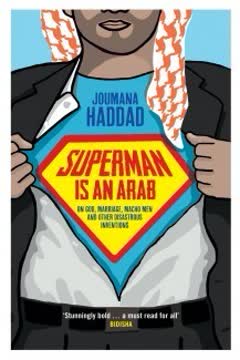
سوبرمان هو عربي. نفس الشخصية المنقسمة. نفس التصنع المتعجرف "أنا قادر على إنقاذ الموقف". نفس التصرفات الرجولية المتشددة. نفس الموقف "أنا الخير والباقي شر". نفس الوهم "أنا لا يُقهر".
الذكورة السامة تضر الجميع. يمثل مفهوم سوبرمان نموذجًا غير واقعي وضار للرجولة يتغلغل في العديد من الثقافات، لا سيما في العالم العربي. وتتميز هذه الرجولة المثالية بـ:
- كبت المشاعر
- العدوانية والسيطرة
- الاعتقاد بتفوق الرجل
- رفض الضعف
الرجال الحقيقيون يحتضنون الضعف. يدعو الكاتب إلى إعادة تعريف الرجولة بما يسمح للرجال بـ:
- التعبير عن مشاعرهم وطلب المساعدة
- معاملة النساء كشريكات متساويات
- تقبل عيوبهم ونقاط ضعفهم
- رفض الضغط ليكونوا لا يُقهرون أو عارفين بكل شيء
من خلال تحدي هذه الصور النمطية الضارة، يمكن لكل من الرجال والنساء بناء علاقات أكثر صحة ومجتمع أكثر عدلاً.
2. تحدي القمع الديني والأنظمة الأبوية
تحرر المرأة في العالم كله حدث دائمًا في سياق علماني، ومن المهم – والحيوي – أن نتذكر ذلك.
الدين غالبًا ما يعزز عدم المساواة بين الجنسين. ينتقد الكاتب كيف أن الأديان المنظمة، لا سيما الديانات التوحيدية الثلاث الكبرى، قد رسخت النظام الأبوي وقمع المرأة. ويتجلى ذلك في:
- نصوص دينية تخضع المرأة للرجل
- ممارسات مثل ختان الإناث وزواج الأطفال
- قوانين الطلاق والميراث غير المتساوية
- قيود على حرية واستقلالية المرأة
العلمانية ضرورية لحقوق المرأة. يرى الكاتب أن المساواة الحقيقية بين الجنسين لا تتحقق إلا من خلال:
- فصل الدين عن الدولة
- تحدي السلطات والتقاليد الدينية
- تعزيز التعليم العلماني والتفكير النقدي
- مكافحة التطرف الديني بجميع أشكاله
من خلال التشكيك في الممارسات الدينية القمعية وإصلاحها، يمكن للمجتمعات أن تتقدم نحو حرية ومساواة أكبر للجميع.
3. معركة الجنسين: تجاوز الصور النمطية
نساء النسوية الموجة الثالثة؟ حسنًا، يعبرن الهاويات، جنبًا إلى جنب مع الرجال.
الأدوار الجندرية القديمة تضر كلا الجنسين. ينتقد الكاتب عقلية "معركة الجنسين" التقليدية التي تضع الرجال والنساء في مواجهة بعضهم البعض بناءً على صور نمطية ضارة. ويؤدي هذا النهج العدائي إلى:
- سوء الفهم والاستياء بين الجنسين
- تعزيز هياكل السلطة الأبوية
- تقييد الإمكانات والتعبير الفردي
الشراكة، لا الصراع، هي الطريق إلى الأمام. يدعو الكاتب إلى تبني نهج نسوي من الموجة الثالثة الذي:
- يعترف بتنوع تجارب النساء
- يحتضن السيولة الجندرية والهويات غير الثنائية
- يشرك الرجال كشركاء في تحقيق المساواة
- يركز على التقاطعية وتمكين الأفراد
من خلال تجاوز الثنائية الجندرية البسيطة واحتضان التعاون، يمكن للمجتمع خلق علاقات أكثر إشباعًا وهياكل أكثر عدلاً للجميع.
4. إعادة تعريف العفة والحرية الجنسية
الجنس ليس سيئًا. السيء هو ازدواجيتنا الكارهة للنساء. الجنس ليس شرًا. الشر هو نفاقنا الفاضح. الجنس ليس قبيحًا. القبيح هو قيمنا الجنسية العقيمة.
القمع الجنسي يولد النفاق. ينتقد الكاتب الهوس الثقافي بالعفة الأنثوية والازدواجية في معايير الجنسين. ويتجلى ذلك في:
- جرائم الشرف والعنف ضد النساء
- الهوس بالعذرية وترميم غشاء البكارة
- وصم النساء واتهام الضحايا
التحرر الجنسي ضروري للمساواة. يدعو الكاتب إلى:
- تقبل الجنس كجزء طبيعي وصحي من الحياة
- رفض الشعور بالخجل والذنب حول الجنس
- حرية جنسية متساوية ووكالة لجميع الأجناس
- تعليم جنسي شامل وحوار مفتوح
من خلال تحدي المواقف القمعية تجاه الجنس، يمكن للمجتمعات تعزيز علاقات أكثر صحة ومساواة أكبر بين الجنسين.
5. الزواج: مؤسسة قديمة بحاجة إلى إصلاح
الزواج يضيء الأضواء والمشهد، غالبًا ما يكون مقززًا، على أقل تقدير: عيوب، خيبات أمل، إحباطات، إزعاجات، روتين، مشاجرات، ضعف، جوارب متسخة، أي الحقيقة.
الزواج التقليدي غالبًا ما يفشل في تلبية الاحتياجات الحديثة. ينتقد الكاتب مؤسسة الزواج كما هي اليوم، مسلطًا الضوء على عيوبها:
- توقعات غير واقعية للوفاء الأحادي مدى الحياة
- السيطرة الدينية على العلاقات الشخصية
- تعزيز ديناميات السلطة الأبوية
- التمييز القانوني والاجتماعي ضد غير المتزوجين
إعادة تصور العلاقات للعالم الحديث. يقترح الكاتب بدائل مثل:
- تبني نماذج علاقات غير تقليدية
- فصل الحقوق القانونية عن الحالة الزوجية
- السماح بتطور الشراكات مع مرور الوقت
- التركيز على النمو المتبادل والرضا الفردي
من خلال إعادة التفكير في مفهوم الزواج، يمكن للمجتمع خلق هياكل علاقات أكثر مرونة وعدالة تلبي الاحتياجات والرغبات المتنوعة.
6. احتضان الشيخوخة ورفض التمييز العمري
أنا في الأربعين الآن. وماذا في ذلك؟ فتاة تبلغ من العمر اثني عشر عامًا لا تزال تلعب وتضحك بداخلي. لا تكترث للتجاعيد. ولا للشعر الأبيض. ولا لكسر عظامها أو جرح قلبها.
التمييز العمري وعبادة الشباب يضران الجميع. ينتقد الكاتب هوس المجتمع بالشباب والجمال، لا سيما بالنسبة للنساء. ويتجلى ذلك في:
- الضغط لإخفاء علامات التقدم في العمر
- التقليل من قيمة تجارب وحكمة كبار السن
- معايير جمال غير واقعية ومشاكل صورة الجسد
- التمييز العمري في العمل والتمثيل الإعلامي
الشيخوخة عملية طبيعية وجميلة. يدعو الكاتب إلى:
- احتضان الحكمة والحرية التي تأتي مع العمر
- رفض الضغط المجتمعي للظهور شابًا إلى الأبد
- تقدير النمو الشخصي والتجارب أكثر من المظهر
- تحدي الصور النمطية والتمييز العمري
من خلال إعادة تأطير الشيخوخة كرحلة إيجابية للاكتشاف الذاتي والنمو، يمكن للأفراد أن يعيشوا حياة أكثر إشباعًا في كل مرحلة.
7. قوة الكلمات والتعبير عن الذات
بقوة الكلمة / أستعيد حياتي
الكلمات لها قوة تحويلية. يؤكد الكاتب على أهمية التعبير عن الذات والكلمة المكتوبة كأدوات للتغيير الشخصي والاجتماعي. ويتجلى ذلك في:
- القدرة على تحدي الأنظمة القمعية
- صياغة رؤى جديدة للمجتمع
- الشفاء من الصدمات وإيجاد الصوت الخاص
- التواصل مع الآخرين من خلال التجارب المشتركة
احتضن صوتك الفريد. يشجع الكاتب القراء على:
- الكتابة بلا خوف وبصدق
- استخدام اللغة للتشكيك وإعادة تصور الواقع
- مشاركة القصص الشخصية لتعزيز الفهم
- استثمار قوة الكلمات من أجل التغيير الاجتماعي
من خلال الاعتراف بقوة اللغة وتنمية أصواتنا الخاصة، يمكننا المساهمة في عالم أكثر عدلاً وتعبيرًا.
ملخص المراجعات
حصل كتاب "سوبرمان عربي" على آراء متباينة بين النقاد والقراء. فقد أشاد البعض بجرأته في تناول موضوعات تعتبر من المحرمات وانتقاده للمجتمع العربي، بينما اعتبره آخرون متغطرسًا ويفتقر إلى الدقة والتوازن. وقد قدر القراء صراحة هدّاد في مناقشتها لحقوق المرأة وقضايا الجنس، رغم أن بعضهم اختلف مع آرائها الإلحادية. وكان أسلوبها الكتابي الاستفزازي يُنظر إليه على أنه نقطة قوة وضعف في آنٍ واحد. ورغم ذلك، اعتبر كثيرون أن الكتاب أثار حوارات مهمة، حتى وإن لم يتفقوا مع كل ما طرحته هدّاد من أفكار. وبشكل عام، يُنظر إليه كعمل نسوي بارز لكنه مثير للجدل في العالم العربي.
قرأ الآخرون أيضًا

الأسئلة الشائعة
1. What is "Superman is an Arab" by Joumana Haddad about?
- A critique of patriarchy: The book is a passionate, often satirical critique of patriarchal systems in the Arab world, focusing on how machismo and religious dogma oppress both women and men.
- Personal and cultural memoir: Haddad weaves her own life experiences with broader social commentary, using anecdotes, poetry, and rants to illustrate her points.
- Deconstruction of gender roles: The book challenges traditional gender roles, especially the "Superman" ideal of masculinity and the expectation of female docility.
- Call for authenticity: Haddad advocates for real, vulnerable men and empowered women, urging both to reject societal masks and embrace genuine partnership.
2. Why should I read "Superman is an Arab" by Joumana Haddad?
- Unique feminist perspective: The book offers a bold, unapologetic feminist voice from the Arab world, rarely heard in mainstream discourse.
- Insight into Arab societies: Readers gain a nuanced understanding of the intersection between religion, culture, and gender in Arab countries.
- Provocative and engaging style: Haddad’s mix of humor, poetry, and raw honesty makes for a compelling and thought-provoking read.
- Universal relevance: While rooted in Arab contexts, the book’s themes of gender, power, and authenticity resonate globally.
3. What are the key takeaways from "Superman is an Arab" by Joumana Haddad?
- Machismo is destructive: The "Superman" ideal harms both men and women, fostering insecurity, violence, and hypocrisy.
- Patriarchy is perpetuated by both sexes: Women, through compliance and self-victimization, also contribute to the endurance of patriarchal norms.
- Religion and tradition as tools of control: Monotheistic religions and cultural traditions are critiqued for institutionalizing gender inequality.
- Authenticity and self-empowerment: True liberation comes from embracing one’s vulnerabilities, rejecting societal expectations, and striving for genuine partnership.
4. How does Joumana Haddad define the "Superman" archetype in "Superman is an Arab"?
- Facade of invincibility: The "Superman" is a man who hides his insecurities behind a mask of strength, control, and superiority.
- Split personality: Haddad likens the Superman/Clark Kent duality to the split in many Arab men between public machismo and private vulnerability.
- Agent of oppression: This archetype justifies despotism, misogyny, and even terrorism, under the guise of knowing what’s best for others.
- Counterfeit masculinity: Haddad argues that the world needs real men—flawed, open, and collaborative—not fictional heroes.
5. What are the "disastrous inventions" discussed in "Superman is an Arab" by Joumana Haddad?
- Monotheism: Critiqued for institutionalizing patriarchy and gender inequality.
- Original sin: Used to instill guilt and control female sexuality.
- Machismo: The cult of hyper-masculinity that leads to violence and oppression.
- Battle of the sexes: The false dichotomy that pits men and women against each other instead of fostering partnership.
- Chastity, marriage, and aging: Each is examined as a social construct that limits personal freedom and authentic relationships.
6. How does "Superman is an Arab" by Joumana Haddad critique religion and its impact on women?
- Religious texts as patriarchal: Haddad cites passages from the Bible, Torah, and Qur’an that explicitly subordinate women to men.
- Religion as institutional control: She argues that organized religion perpetuates misogyny, racism, and homophobia, often justifying violence.
- No harmony with feminism: The book asserts that true gender equality cannot be achieved within the current frameworks of monotheistic religions.
- Secularism as a solution: Haddad advocates for secular societies as a necessary (though not sufficient) condition for women’s liberation.
7. What does Joumana Haddad say about machismo and its effects in "Superman is an Arab"?
- Machismo as a plague: The book presents machismo as a global epidemic, particularly acute in the Arab world, leading to violence, abuse, and the suppression of women.
- Men as victims too: Haddad notes that machismo also harms men by forcing them into rigid, emotionally stunted roles.
- Perpetuated by women: Women’s complicity—through raising sons to be machos and admiring "bad boys"—is highlighted as part of the problem.
- Need for new masculinity: The author calls for a redefinition of manhood based on vulnerability, partnership, and mutual respect.
8. How does "Superman is an Arab" by Joumana Haddad address the role of women in perpetuating patriarchy?
- Mothers as "Superman" breeders: The book points out that mothers often raise sons to be entitled and daughters to be submissive.
- Female compliance and self-victimization: Women’s acceptance of their own oppression, and their role in enforcing it on others, is critically examined.
- Stockholm syndrome analogy: Haddad likens women’s attraction to their oppressors to psychological conditioning.
- Call for self-empowerment: She urges women to educate their children differently and to claim agency over their own lives and bodies.
9. What solutions or alternatives does Joumana Haddad propose in "Superman is an Arab"?
- Financial independence for women: Economic self-sufficiency is presented as crucial for genuine freedom.
- Rejecting gender binaries: Embracing both masculine and feminine traits in all people is encouraged.
- Partnership, not opposition: Haddad advocates for men and women to work together to dismantle patriarchy, rather than replacing it with matriarchy.
- Secular, civil societies: The book calls for the separation of religion and state as a foundation for equality.
10. How does "Superman is an Arab" by Joumana Haddad approach topics like sex, marriage, and monogamy?
- Sexual double standards: The book exposes the hypocrisy in how male and female sexuality are judged, especially regarding virginity and chastity.
- Marriage as a flawed institution: Haddad critiques marriage for being patriarchal, religiously controlled, and based on unrealistic expectations.
- Monogamy as a social construct: She questions the naturalness of lifelong monogamy and advocates for honesty and flexibility in relationships.
- Sex-positivity: The author encourages women to embrace their desires and reject shame-based narratives.
11. What is the writing style and structure of "Superman is an Arab" by Joumana Haddad?
- Hybrid format: The book blends memoir, essay, poetry, and satirical "rants" to create a dynamic, engaging narrative.
- Direct and provocative tone: Haddad writes with candor, wit, and sometimes biting sarcasm, unafraid to challenge taboos.
- Personal and universal: While deeply personal, the stories and arguments are used to illuminate broader social issues.
- Accessible yet literary: The language is both accessible and rich, appealing to a wide range of readers.
12. What are the best quotes from "Superman is an Arab" by Joumana Haddad and what do they mean?
- "This is not a book, in the ordinary sense of the word. No, this is a prolonged insult, a gob of spit, a kick in the pants to God, Man, Destiny, Time …" – Sets the rebellious, confrontational tone of the book.
- "The tragedy of machismo is that a man is never quite man enough." – Highlights the insecurity at the heart of hyper-masculinity.
- "Superman is a counterfeit man and of the poorest quality. Time for him to rip off the costume and stick to his street clothes." – Urges men to abandon false ideals and embrace authenticity.
- "Women’s liberation worldwide has always happened in a secular context, and it is important – and vital – to remember that." – Emphasizes the necessity of secularism for gender equality.
- "Machismo is not about men against women. It is about boys against men." – Suggests that true maturity and manhood are incompatible with machismo.








































