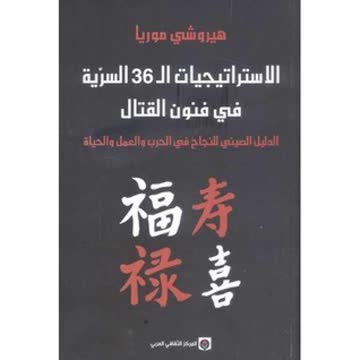
أهم النقاط
1. اتقن فن الخداع لتحقيق النصر دون قتال
الفوز في مئة معركة ليس أعظم خير. أعظم خير هو أن يخضع جنود العدو دون قتال.
الخداع هو المفتاح. تكمن الاستراتيجية العسكرية الأكثر فاعلية في إخضاع العدو دون الدخول في قتال مباشر. هذا النهج يقلل من الخسائر ويحافظ على الموارد. يتطلب الخداع الناجح:
- خلق أوهام بالقوة أو الضعف
- نشر معلومات مضللة لإرباك العدو
- إخفاء النوايا والقدرات الحقيقية
بإتقان هذه التقنيات، يستطيع الاستراتيجي الماهر التلاعب بإدراك العدو وقراراته، مما يؤدي إلى استسلامه أو تراجعه دون إراقة دماء.
2. استغل نقاط ضعف العدو وصراعاته الداخلية
إذا عرفت العدو وعرفت نفسك، فقد تخوض مئة معركة دون خطر.
المعرفة قوة. فهم نقاط القوة والضعف لديك ولدى العدو أمر حاسم للنجاح. لاستغلال نقاط ضعف العدو:
- جمع المعلومات عبر الجواسيس والاستطلاع
- تحديد وتعميق الانقسامات الداخلية في صفوف العدو
- استهداف نقاط الضعف في استراتيجية العدو أو دفاعاته
من خلال التركيز على هذه الثغرات، يمكن لقوة أصغر أو أضعف أن تتغلب على خصم يبدو متفوقًا.
3. تكيف مع تغير الظروف في استراتيجيتك
كما يشكل الماء نفسه حسب الوعاء الذي يحتويه، يجب على القائد الماهر في الحرب أن يشكل خططه حسب الموقف.
المرونة ضرورية. المواقف العسكرية ديناميكية وغير متوقعة. يجب على الاستراتيجيين الناجحين أن يكونوا قادرين على:
- تقييم الظروف المتغيرة بسرعة في ساحة المعركة
- تعديل التكتيكات والخطط في الوقت الحقيقي
- التخلي عن الاستراتيجيات غير الفعالة دون تردد
التمسك الصارم بخطة محددة مسبقًا غالبًا ما يؤدي إلى الهزيمة. بدلاً من ذلك، طور القدرة على التكيف والارتجال بناءً على تطورات الموقف.
4. استخدم الحرب النفسية للتأثير على خصمك
كل الحروب مبنية على الخداع.
اللعب الذهني مهم. يمكن أن تكون التكتيكات النفسية فعالة مثل التكتيكات الجسدية في تقويض عزيمة العدو. تشمل تقنيات الحرب النفسية الأساسية:
- نشر الشائعات والمعلومات المضللة
- خلق أوهام بالقوة أو الضعف
- استغلال مخاوف العدو وانعدام الأمان لديه
من خلال التلاعب بإدراك العدو ومشاعره، يستطيع الاستراتيجي الماهر التأثير على قراراته وأفعاله، مما يؤدي غالبًا إلى النصر دون مواجهة مباشرة.
5. حافظ على قوتك من خلال التراجع الاستراتيجي
إذا كنت تعلم أنك أقل قوة، انسحب؛ وإذا لم تكن لديك فرصة للفوز، فلا تقاتل.
اعرف متى تتراجع. على عكس الاعتقاد الشائع، التراجع ليس دائمًا علامة ضعف. يمكن أن يكون الانسحاب الاستراتيجي أداة قوية عندما:
- تواجه قوة عدو متفوقة
- تحافظ على الموارد للمعارك القادمة
- تغري العدو بدخول مواقع غير ملائمة له
التراجع المنظم يسمح لك بإعادة التجمع، والحفاظ على القوة، واختيار ظروف أفضل للمعارك المستقبلية.
6. كوّن تحالفات وعزل أعداءك
عدو عدوي صديقي.
الدبلوماسية مهمة. بناء التحالفات وعزل الأعداء يمكن أن يغير بشكل كبير ميزان القوى. تشمل الاستراتيجيات الدبلوماسية الفعالة:
- تشكيل ائتلافات ذات مصالح مشتركة
- استغلال الانقسامات بين فصائل العدو
- تقديم حوافز للحياد أو الدعم
من خلال إنشاء شبكة من الحلفاء وعزل الخصوم، يمكن للاستراتيجي أن يحقق مزايا كبيرة دون خوض معارك مباشرة.
7. حوّل العيوب إلى مزايا عبر تكتيكات ذكية
في وسط الفوضى، هناك أيضًا فرصة.
الإبداع ينتصر. يستطيع الاستراتيجيون الماهرون تحويل المواقف غير المواتية إلى فرص. يشمل ذلك:
- التعرف على الفرص الخفية في الظروف الصعبة
- استخدام تكتيكات غير تقليدية لمفاجأة العدو
- تحويل نقاط الضعف إلى نقاط قوة
بالتفكير الإبداعي واحتضان الأساليب غير التقليدية، يمكن للقائد التغلب على العوائق الظاهرة وتحقيق انتصارات غير متوقعة.
8. استخدم الأساليب غير المباشرة للتغلب على القوات المتفوقة
أعظم فنون الحرب هو إخضاع العدو دون قتال.
الأساليب غير المباشرة تنجح. عند مواجهة خصم أقوى، غالبًا ما تكون الاستراتيجيات غير المباشرة أكثر فاعلية من المواجهة المباشرة. تشمل الأساليب غير المباشرة:
- مهاجمة خطوط إمداد العدو وموارده
- تقويض تحالفاته ودعمه
- استخدام تكتيكات حرب العصابات لإضعاف العدو تدريجيًا
تسمح هذه الطرق لقوة أضعف بتقويض قوة العدو وإرادته للقتال تدريجيًا، مما يؤدي في النهاية إلى النصر دون معركة حاسمة.
9. حافظ على المرونة وتجنب التفكير الجامد في الاستراتيجية
كن غاية في الدقة، حتى تصل إلى حد اللاشكل. كن غاية في الغموض، حتى تصل إلى حد الصمت. بذلك يمكنك أن تكون موجه مصير خصمك.
القدرة على التكيف هي الفوز. التفكير الجامد والخطط غير المرنة غالبًا ما تؤدي إلى الكارثة في الحرب. للحفاظ على المرونة الاستراتيجية:
- طور عقلية التكيف المستمر
- تجنب التعلق المفرط بأي استراتيجية واحدة
- شجع الحلول الإبداعية بين المرؤوسين
بالبقاء مرنًا ومنفتحًا على الأساليب الجديدة، يستطيع الاستراتيجي الاستجابة بفعالية للظروف المتغيرة والتفوق على خصومه العالقين في أنماط تفكير جامدة.
ملخص المراجعات
يحظى كتاب "الاستراتيجيات الـ36 لفنون القتال" بتقييمات إيجابية إلى حد كبير، حيث يثني القراء على رؤاه العميقة في التكتيكات العسكرية الصينية وتطبيقاتها في الحياة المعاصرة. يجد الكثيرون في الكتاب مادة غنية بالمعلومات وأفكارًا تحفز على التفكير، مع تقديرهم للأمثلة التاريخية والحكمة العملية التي يحتويها. ويوصي بعض القراء بقراءة الكتاب أكثر من مرة لفهم المفاهيم بشكل كامل. من جهة أخرى، يشير النقاد إلى غياب أمثلة معاصرة ويثيرون تساؤلات حول أخلاقيات بعض الاستراتيجيات المطروحة. وبالرغم من بعض المشكلات في الترجمة أو تفضيل البعض لنصوص أكثر شمولاً، يظل الكتاب محل تقدير كبير لما يقدمه من تفكير استراتيجي ورؤى ثقافية قيمة.
قرأ الآخرون أيضًا









الأسئلة الشائعة
What's "The 36 Strategies of the Martial Arts" about?
- Classical Chinese maxims: The book is a collection of ancient Chinese strategies for understanding, engaging, and defeating opponents in various contexts, including war, business, and life.
- Unknown origins: The strategies are a synthesis of military maxims, political expressions, and folk sayings, some dating back 1,500 years.
- Explanations and examples: Professor Hiroshi Moriya provides clear explanations and examples from Chinese history, European events, and modern business.
- Translator's contribution: William Scott Wilson, a renowned translator, has translated and provided a foreword for the book, making it accessible to English readers.
Why should I read "The 36 Strategies of the Martial Arts"?
- Timeless wisdom: The strategies offer timeless insights into human behavior and conflict resolution, applicable in various fields.
- Broad applicability: Whether you're interested in martial arts, business, sports, or politics, the strategies provide valuable lessons.
- Cultural insight: The book offers a deep dive into Chinese philosophy and military thought, enriching your understanding of Eastern strategies.
- Practical examples: The book includes practical examples from history and modern times, illustrating how these strategies can be applied today.
What are the key takeaways of "The 36 Strategies of the Martial Arts"?
- Flexibility and adaptability: The strategies emphasize the importance of being adaptable and avoiding rigidity in conflict situations.
- Psychological warfare: Many strategies focus on psychological tactics, such as deception and manipulation, to gain an advantage.
- Strategic patience: The book highlights the value of patience and waiting for the right moment to strike.
- Understanding opponents: A deep understanding of one's opponent is crucial for successful strategy implementation.
How does "The 36 Strategies of the Martial Arts" relate to modern business?
- Competitive advantage: The strategies can be applied to gain a competitive edge in business by understanding and outmaneuvering competitors.
- Negotiation tactics: Many strategies offer insights into effective negotiation and persuasion techniques.
- Crisis management: The book provides strategies for handling crises and turning challenges into opportunities.
- Leadership lessons: The strategies offer valuable lessons for leaders on how to inspire and manage teams effectively.
What are some examples of strategies from "The 36 Strategies of the Martial Arts"?
- "Obscure Heaven, Cross the Sea": This strategy involves creating a distraction to hide one's true intentions.
- "Borrow a Sword to Make Your Kill": It suggests using a third party to achieve your goals without direct involvement.
- "Await His Tired Steps at Your Leisure": This strategy advises waiting for the opponent to tire before making a move.
- "The Strategy of the Empty Fortress": It involves creating an illusion of strength when one is actually weak.
What is the significance of the "Strategy of the Beautiful Woman"?
- Distraction and seduction: This strategy uses beauty to distract and weaken an opponent's resolve.
- Historical examples: The book provides historical instances where this strategy was used to great effect.
- Psychological manipulation: It highlights the power of psychological manipulation in achieving strategic goals.
- Broader applications: While originally about using women, the strategy can be metaphorically applied to any enticing distraction.
How does "The 36 Strategies of the Martial Arts" emphasize the importance of deception?
- Core principle: Deception is a recurring theme, seen as a fundamental aspect of successful strategy.
- Various forms: The book explores different forms of deception, from feigned retreats to false alliances.
- Psychological impact: Deception aims to confuse and demoralize opponents, giving the strategist an upper hand.
- Historical validation: Many strategies are backed by historical examples where deception led to victory.
What role does patience play in "The 36 Strategies of the Martial Arts"?
- Strategic waiting: Patience is crucial for waiting for the right moment to act, as seen in strategies like "Await His Tired Steps at Your Leisure."
- Avoiding rash actions: The book advises against impulsive actions that could lead to failure.
- Building strength: Patience allows for the accumulation of resources and strength before engaging the opponent.
- Timing and opportunity: Recognizing the right timing is emphasized as a key to successful strategy execution.
How does "The 36 Strategies of the Martial Arts" address the concept of retreat?
- Strategic withdrawal: Retreat is seen as a valid strategy when facing overwhelming odds, as in "Retreat Is Considered the Best."
- Preserving strength: The book emphasizes the importance of preserving one's forces for future opportunities.
- Avoiding unnecessary losses: Retreat is advised to avoid futile battles and unnecessary casualties.
- Long-term perspective: The strategy of retreat is about maintaining a long-term perspective and preparing for future success.
What are the best quotes from "The 36 Strategies of the Martial Arts" and what do they mean?
- "Winning without fighting": This quote encapsulates the ideal of achieving victory through strategy rather than direct confrontation.
- "The martial [art] is based on deception": It highlights the central role of deception in martial strategy.
- "If you have no chance of winning, do not fight": This emphasizes the importance of choosing battles wisely.
- "To win one hundred battles is not the highest good": It suggests that true success lies in achieving goals without conflict.
How does "The 36 Strategies of the Martial Arts" compare to Sun Tzu's "The Art of War"?
- Complementary texts: Both books focus on strategy and tactics, with "The 36 Strategies" offering more specific maxims.
- Psychological focus: While "The Art of War" provides broader strategic principles, "The 36 Strategies" delves deeper into psychological tactics.
- Historical context: "The 36 Strategies" includes more historical examples and applications in various contexts.
- Practical applications: Both books offer practical insights, but "The 36 Strategies" provides more detailed scenarios and examples.
What is the historical significance of "The 36 Strategies of the Martial Arts"?
- Ancient wisdom: The strategies reflect ancient Chinese military and philosophical thought, offering insights into historical conflicts.
- Cultural influence: The book has influenced Chinese culture and strategy for centuries, shaping military and political tactics.
- Enduring relevance: Despite its ancient origins, the strategies remain relevant in modern contexts, from business to personal development.
- Synthesis of knowledge: The book represents a synthesis of various sources, including military maxims, political expressions, and folk sayings.








































