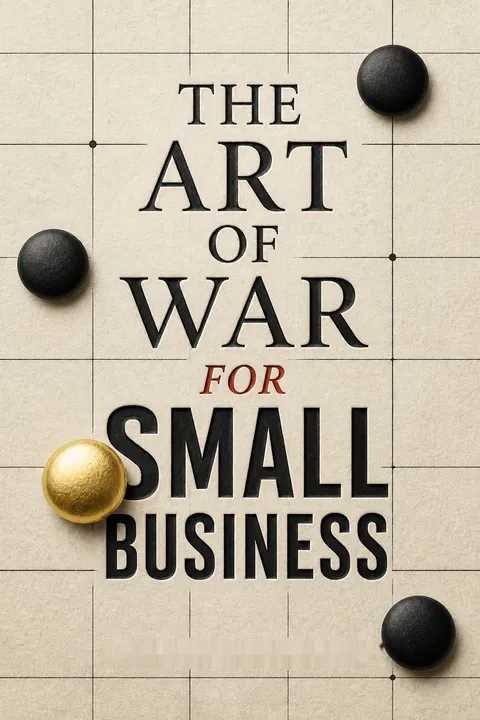
أهم النقاط
1. افهم نفسك وخصومك
"إذا عرفت العدو وعرفت نفسك، فلن تخشى نتيجة مئة معركة."
الوعي الذاتي أمر حاسم. يجب على الشركات الصغيرة أن تدرك تمامًا نقاط قوتها وضعفها والقيمة الفريدة التي تقدمها. هذا الفهم العميق يشكل الأساس لوضع استراتيجيات فعالة واتخاذ قرارات سليمة.
تعرف على منافسيك. قم بإجراء بحوث سوقية دقيقة لتحديد نقاط القوة والضعف والاستراتيجيات التي يتبعها المنافسون. هذه المعلومات تتيح لك:
- استغلال نقاط ضعفهم
- توقع تحركاتهم
- تمييز عروضك عنهم
فهمك لنفسك ولخصومك يمكّنك من اتخاذ قرارات مستنيرة، وتخصيص الموارد بشكل فعّال، ووضع عملك في موقع قوي يضمن له النجاح في السوق.
2. استثمر مزايا الشركات الصغيرة
"الضعف العددي يأتي من الاضطرار للاستعداد لهجمات محتملة؛ والقوة العددية تأتي من إجبار الخصم على الاستعداد ضدنا."
المرونة هي قوتك الخارقة. تتمتع الشركات الصغيرة بمزايا طبيعية مقارنة بالمنافسين الأكبر حجمًا:
- القدرة على التكيف السريع
- اتخاذ قرارات سريعة
- التواصل الشخصي مع العملاء
- التركيز على أسواق متخصصة
حوّل حجمك إلى قوة. استغل هذه المزايا من خلال:
- الاستجابة السريعة لتغيرات السوق
- تقديم خدمة عملاء استثنائية وشخصية
- الابتكار بطرق لا يستطيع المنافسون الكبار مجاراتها
- التركيز على شرائح السوق غير المخدومة جيدًا
باحتضان هذه المزايا وتعظيمها، تستطيع الشركات الصغيرة التفوق على المنافسين الأكبر واحتلال مواقع مربحة في السوق.
3. ابنِ تحالفات قوية وعلاقات متينة مع العملاء
"لا يمكننا الدخول في تحالفات حتى نتعرف على نوايا جيراننا."
الشراكات تضاعف القوة. يمكن للتحالفات الاستراتيجية أن تساعد الشركات الصغيرة على تحقيق تأثير أكبر من حجمها الحقيقي. اختر شركاء يكمّلون نقاط قوتك ويشاركونك القيم.
ولاء العملاء هو الملك. طور علاقات عميقة وذات معنى مع عملائك:
- افهم احتياجاتهم بدقة
- قدم لهم قيمة وخدمة استثنائية
- أنشئ مجتمعًا حول علامتك التجارية
التحالفات القوية وعلاقات العملاء توفر:
- وصولًا إلى أسواق وموارد جديدة
- زيادة المصداقية والانتشار
- قاعدة ثابتة للنمو
- حماية من التهديدات التنافسية
من خلال تعزيز هذه الروابط، تستطيع الشركات الصغيرة بناء منظومة قوية تدعم نجاحها واستدامتها.
4. ركز على التمركز الاستراتيجي
"المكان الذي ننوي القتال فيه يجب ألا يُكشف؛ لأن العدو سيضطر للاستعداد لهجوم محتمل في عدة نقاط."
اختر معاركك بحكمة. التمركز الاستراتيجي يعني اختيار الأسواق والمنتجات والأساليب التنافسية المناسبة. ركز على المجالات التي يمكنك السيطرة عليها بدلاً من المواجهة المباشرة مع العمالقة.
تميّز أو انقرض. ابتكر عرض قيمة فريد يميزك عن الآخرين:
- حدد الأسواق المتخصصة غير المخدومة جيدًا
- طور منتجات أو خدمات مبتكرة
- قدم جودة أو تجربة عملاء متفوقة
عناصر التمركز الفعّال:
- فهم واضح للعملاء المستهدفين
- قصة ورسالة علامة تجارية جذابة
- تقديم مستمر لقيمتك الفريدة
باختيارك الدقيق لمكان وكيفية المنافسة، تستطيع الشركات الصغيرة بناء مواقع سوقية محمية وتحقيق نمو مستدام.
5. تكيف وابتكر باستمرار
"الماء يشكل مجراه حسب طبيعة الأرض التي يجري فوقها؛ والجندي يحقق نصره حسب العدو الذي يواجهه."
اعتبر التغيير فرصة. المشهد التجاري يتغير باستمرار. يجب على الشركات الصغيرة الناجحة أن تكون مستعدة لـ:
- التكيف عند الحاجة
- تجربة أفكار جديدة
- التعلم من الأخطاء
الابتكار هو البقاء. عزز ثقافة التحسين المستمر والإبداع:
- شجع الموظفين على تقديم الأفكار والمبادرات
- تابع الاتجاهات والتقنيات الناشئة
- أعد تقييم نموذج عملك بانتظام وحسّنه
أمثلة على التكيف الناجح:
- تحول نتفليكس من تأجير الأقراص إلى البث المباشر
- زابوس التي أحدثت ثورة في تجارة الأحذية عبر الإنترنت بخدمة استثنائية
- تشوباني التي خلقت فئة جديدة من الزبادي في سوق ناضج
بالبقاء مرنًا ومبتكرًا، تستطيع الشركات الصغيرة التفوق على المنافسين الأكبر والأبطأ.
6. حافظ على الوحدة وألهم فريقك
"المقاتل الذكي يركز على تأثير الطاقة المشتركة، ولا يطلب الكثير من الأفراد. ومن هنا قدرته على اختيار الرجال المناسبين واستغلال الطاقة المشتركة."
الوحدة قوة. الفريق المتماسك الذي يتشارك رؤية واضحة هو قوة لا يستهان بها. عزز الوحدة من خلال:
- توضيح مهمتك وقيمك بوضوح
- تشجيع التعاون والتواصل المفتوح
- تقدير ومكافأة إنجازات الفريق
ألهم العظمة. القيادة في الشركات الصغيرة تعني إبراز أفضل ما في فريقك:
- قدّم المثال بنفسك
- وفر فرصًا للنمو والتطوير
- أنشئ بيئة عمل إيجابية وداعمة
فوائد الفريق الموحد والملهم:
- زيادة الإنتاجية والابتكار
- ارتفاع معدلات الاحتفاظ بالموظفين ورضاهم
- تحسين خدمة العملاء ونتائج العمل
بخلق ثقافة قوية وموحدة، تستطيع الشركات الصغيرة تحقيق نتائج مبهرة تفوق حجمها.
7. نفذ بدقة وفي الوقت المناسب
"الطاقة تشبه شد القوس؛ والقرار يشبه إطلاق الزناد."
التوقيت هو كل شيء. النجاح غالبًا ما يعتمد على تنفيذ الخطوات الصحيحة في الوقت المناسب. طور القدرة على:
- التعرف على فرص السوق
- اتخاذ قرارات حاسمة في اللحظة المناسبة
- تجنب التسرع أو التأخير
الدقة في التنفيذ. التطبيق المتقن للاستراتيجية أمر حيوي:
- حدد أهدافًا ومقاييس واضحة
- ضع خطط عمل مفصلة
- راقب التقدم وعدّل حسب الحاجة
عناصر التنفيذ الفعّال:
- مهارات إدارة مشاريع قوية
- وضوح الأدوار والمسؤوليات
- تواصل منتظم وتغذية راجعة مستمرة
بدمج التنفيذ الدقيق مع التوقيت المناسب، تستطيع الشركات الصغيرة تعظيم أثر مواردها المحدودة وتحقيق نتائج تفوق التوقعات.
8. أتقن فن الخداع وجمع المعلومات
"كل فنون الحرب مبنية على الخداع."
المعلومات هي القوة. طور قدرات قوية لجمع المعلومات لتبقى متقدمًا على المنافسين وتتبع اتجاهات السوق. مصادر المعلومات تشمل:
- ملاحظات وتفاعلات العملاء
- الفعاليات والمنشورات الصناعية
- وسائل التواصل الاجتماعي والمنتديات الإلكترونية
- تحليل المنافسين
الخداع الاستراتيجي. مع الحفاظ على المعايير الأخلاقية، يمكن للشركات الصغيرة استخدام الخداع لكسب ميزة تنافسية:
- احتفظ بخططك ونواياك سرية
- أوجد حالة من عدم اليقين حول قدراتك ونواياك
- استخدم التضليل لإرباك المنافسين
طرق أخلاقية لاستغلال الخداع:
- مشاركة المعلومات بشكل انتقائي
- خلق انطباع بالقوة أو الضعف حسب الحاجة
- استخدام عنصر المفاجأة وعدم التوقع في استراتيجياتك
بإتقان فن جمع المعلومات والخداع الاستراتيجي، تستطيع الشركات الصغيرة معادلة القوة مع المنافسين الأكبر وخلق فرص للنجاح.
ملخص المراجعات
يجد القراء في كتاب "فن الحرب للأعمال الصغيرة" مزيجًا من الآراء المتباينة. فبعضهم يثني على تطبيق مبادئ صن تزو في مجال الأعمال، مشيرين إلى الاستراتيجيات المفيدة ودراسات الحالة التي يقدمها الكتاب. بينما ينتقده آخرون لكونه متكررًا أو يفتقر إلى العمق المطلوب. وتُبرز المراجعات الإيجابية مدى ملاءمته لأصحاب الأعمال الصغيرة، ووضوح الشروحات، والدروس الخالدة التي يحتويها. أما الانتقادات فتتمحور حول الرؤى السطحية والإطالة غير الضرورية. وبشكل عام، يحظى الكتاب بتقدير معتدل لفكرته، مع ردود فعل متباينة بشأن طريقة التنفيذ. ويُوصي كثيرون بقراءة النسخة الأصلية من "فن الحرب" لفهم أعمق وأشمل.
قرأ الآخرون أيضًا








الأسئلة الشائعة
1. What is "The Art of War for Small Business" by Becky Sheetz-Runkle about?
- Modern Application of Sun Tzu: The book adapts Sun Tzu’s ancient military strategies from "The Art of War" specifically for small business owners and entrepreneurs.
- Competing Against Larger Rivals: It focuses on how small businesses can outmaneuver, outthink, and outperform larger, better-funded competitors using strategic thinking.
- Practical Business Examples: The author provides real-world case studies and examples of small businesses applying Sun Tzu’s principles to achieve market dominance.
- Comprehensive Guide: The book is structured to guide readers from foundational concepts to advanced strategies, making Sun Tzu’s wisdom actionable for today’s business challenges.
2. Why should I read "The Art of War for Small Business" by Becky Sheetz-Runkle?
- Tailored for Small Business: Unlike generic business books, it directly addresses the unique challenges and advantages of small businesses.
- Actionable Strategies: The book translates ancient military tactics into practical business moves, offering step-by-step guidance.
- Learn from Success Stories: It features case studies of companies like Five Guys, Chobani, Zappos, and PayPal, showing how they used Sun Tzu’s methods to grow.
- Gain a Competitive Edge: Readers learn how to leverage agility, innovation, and alliances to outperform larger competitors.
3. What are the key takeaways from "The Art of War for Small Business"?
- Know Yourself and the Enemy: Deep self-awareness and competitor analysis are essential for success.
- Leverage Small Business Advantages: Agility, innovation, niche focus, and alliance-building are powerful tools against bigger rivals.
- Strategy Over Tactics: Long-term planning and adaptability trump short-term, reactive moves.
- Win Without Fighting: The best victories come from outmaneuvering competitors, not direct confrontation.
- Adapt and Persevere: Flexibility, resilience, and the ability to turn disadvantages into advantages are critical for survival and growth.
4. How does Becky Sheetz-Runkle adapt Sun Tzu’s "The Art of War" for small business strategy?
- Direct Translation to Business: She interprets Sun Tzu’s five constant factors (Moral Law, Heaven, Earth, Commander, Method/Discipline) for business contexts.
- Focus on Underdogs: The book emphasizes how smaller forces can defeat larger ones by exploiting weaknesses and avoiding strengths.
- Modern Case Studies: She illustrates each principle with contemporary business examples, making the ancient text relevant and practical.
- Emphasis on Alliances and Innovation: The adaptation highlights the importance of partnerships, customer intimacy, and creative problem-solving.
5. What are the main advantages and disadvantages of small businesses according to "The Art of War for Small Business"?
- Key Advantages: Agility, speed, flexibility, innovation, niche exploitation, close customer relationships, and unity of purpose.
- Common Disadvantages: Limited resources, less cash flow, lack of structure, less experienced leadership, and vulnerability to being outmuscled by larger competitors.
- Double-Edged Traits: Some characteristics, like risk-taking and lack of hierarchy, can be both strengths and weaknesses depending on context.
- Strategic Implications: Recognizing and leveraging advantages while mitigating disadvantages is central to Sun Tzu’s approach for small businesses.
6. How does "The Art of War for Small Business" recommend understanding yourself, your enemy, and your market?
- Brutal Self-Honesty: Leaders must confront false assumptions and validate their business models with real-world data.
- Deep Competitor Analysis: Know your competitors’ strengths, weaknesses, and likely moves to find exploitable openings.
- Market Awareness: Understand the terrain—customer needs, market trends, and timing—to position your business advantageously.
- Continuous Learning: Regularly reassess your own capabilities, the competition, and the market to stay ahead.
7. What are Sun Tzu’s five constant factors and how do they apply to small business in this book?
- Moral Law (The Way): Cultivate unity of purpose and strong company culture to inspire loyalty and commitment.
- Heaven (Timing): Recognize and act on the right timing for moves, considering market cycles and external conditions.
- Earth (Terrain): Assess the business landscape, including opportunities, threats, and the competitive environment.
- The Commander: Embody leadership virtues—wisdom, sincerity, benevolence, courage, and strictness—to guide your team.
- Method and Discipline: Implement clear structures, processes, and disciplined execution to maximize efficiency and effectiveness.
8. What leadership qualities does Becky Sheetz-Runkle highlight from Sun Tzu for small business owners?
- Wisdom: Make informed, strategic decisions and maximize limited resources.
- Sincerity: Be consistent, keep your word, and unite your team around a clear cause.
- Benevolence: Treat employees, partners, and even former competitors with respect and fairness.
- Courage: Take calculated risks, act decisively, and maintain focus on objectives.
- Strictness: Enforce discipline, maintain hierarchy, and avoid the five dangerous faults (recklessness, cowardice, hasty temper, excessive honor, over-solicitude for employees).
9. How does "The Art of War for Small Business" advise on building alliances and leveraging relationships?
- Strategic Partnerships: Form alliances with vendors, customers, and even competitors to close resource gaps and expand reach.
- Due Diligence: Carefully vet partners to ensure alignment of interests and avoid conflicts.
- Community Building: Engage customers and employees to create a loyal, passionate base that supports growth.
- Turning Rivals into Allies: Treat acquired competitors’ employees well and consider friendly takeovers to expand your business.
10. What does "The Art of War for Small Business" say about focus, unity, and execution?
- Single-Minded Focus: Concentrate resources on core strengths and profitable opportunities; avoid being all things to all people.
- Unity of Purpose: Foster a shared mission and culture to align and energize your team.
- Consolidate Gains: After victories, fully leverage achievements and avoid wasting resources on unfocused activities.
- Flawless Execution: Success depends on consistent, disciplined follow-through and learning from both wins and losses.
11. How does the book address adaptation, innovation, and dealing with change?
- Embrace Flexibility: Be willing to pivot strategies and tactics as circumstances change.
- Water Metaphor: Like water, adapt your approach to the terrain and flow around obstacles.
- Continuous Improvement: Regularly innovate and make incremental improvements to stay ahead of competitors.
- Disruptive Thinking: Look for opportunities to serve unmet needs or disrupt established markets, as seen in examples like PayPal and Netflix.
12. What are the best quotes from "The Art of War for Small Business" and what do they mean?
- "If you know the enemy and know yourself, you need not fear the result of a hundred battles." — Emphasizes the importance of self-awareness and competitor analysis.
- "In war, the way is to avoid what is strong and to strike at what is weak." — Advises small businesses to exploit competitors’ vulnerabilities rather than confront their strengths.
- "Standing on the defensive indicates insufficient strength; attacking, a superabundance of strength." — Encourages proactive, growth-oriented strategies over mere survival.
- "Win first." — Advocates for thorough preparation and confidence before engaging in competitive battles.
- "Be flexible and decide your line of action according to the situation on the enemy side." — Stresses the need for adaptability and responsiveness to changing conditions.
تحميل PDF
تحميل EPUB
.epub digital book format is ideal for reading ebooks on phones, tablets, and e-readers.








































