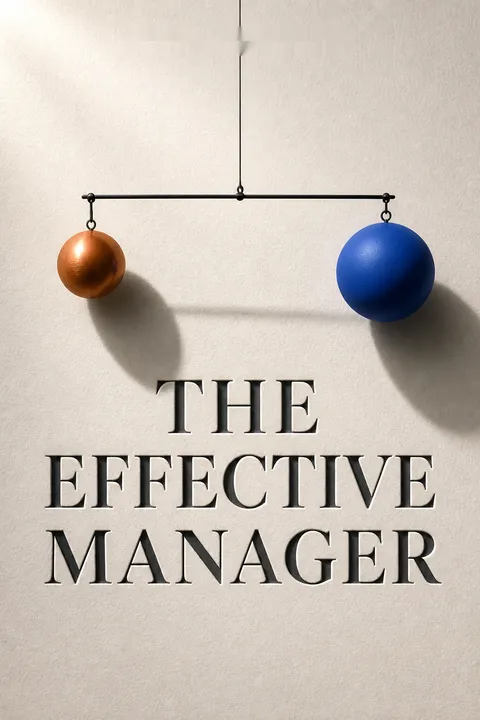

أهم النقاط
1. بناء علاقات قوية مع فريقك من خلال الاجتماعات الفردية المنتظمة
"اجتماعات المدير مع الأفراد ليست فرصًا لـ 'الجلوس والتحدث فقط'، أو 'التعرف على بعضنا بشكل غير رسمي'، أو 'إجراء تحديث سريع'."
هدف الاجتماعات الفردية: هذه اللقاءات هي محادثات منظمة ومركزة على العمل تهدف إلى بناء الثقة وتحسين الأداء. يجب أن تكون:
- مجدولة أسبوعيًا لمدة 30 دقيقة
- تُعقد مع كل موظف مباشر
- تركز بشكل أساسي على جدول أعمال الموظف المباشر
- موثقة مع تدوين ملاحظات من قبل المدير
الصيغة:
- أول 10-15 دقيقة: يتحدث الموظف المباشر
- الـ 10-15 دقيقة التالية: يتحدث المدير
- الدقائق الأخيرة 5-10 (إذا سمح الوقت): مناقشة الخطط المستقبلية أو الأمور الكبرى
الفوائد:
- تحسين التواصل وبناء الثقة
- فرصة منتظمة لتقديم الملاحظات والتوجيه
- تقليل المقاطعات خلال الأسبوع
- فهم أفضل لنقاط القوة والتحديات لدى أعضاء الفريق
2. تقديم ملاحظات فعالة لتشجيع السلوك المستقبلي
"الغرض من التواصل حول الأداء (وبالتالي الملاحظات) هو تشجيع سلوك فعال في المستقبل."
نموذج ملاحظات مدير الأدوات:
- طلب الإذن لتقديم الملاحظات
- ذكر السلوك الملحوظ
- وصف تأثير السلوك
- تشجيع السلوك الفعال في المستقبل أو التعبير عن التقدير
المبادئ الأساسية:
- التركيز على سلوكيات محددة وملموسة، لا على المواقف أو النوايا
- التوقيت المناسب – تقديم الملاحظات بأسرع وقت ممكن بعد الحدث
- الإيجاز – استهدف 15-30 ثانية لكل ملاحظة
- استخدام نبرة محايدة، مع تجنب الغضب أو الحكم
أمثلة:
- إيجابي: "عندما بقيت متأخرًا لمساعدة الموظف الجديد، أظهرت روح الفريق الرائعة. شكرًا لك."
- بنّاء: "عندما تقاطع أثناء الاجتماعات، يعرقل ذلك سير النقاش. هل يمكنك العمل على السماح للآخرين بالانتهاء قبل التحدث؟"
3. توجيه أعضاء فريقك لتحسين أدائهم
"التوجيه هو الأداة الأقل استخدامًا في 'الثالوث الإداري'."
نموذج التوجيه من مدير الأدوات:
- التعاون لتحديد هدف (استخدم DBQ: الموعد النهائي، السلوك، الجودة)
- تبادل الأفكار حول الموارد المتاحة
- وضع خطة عمل قصيرة المدى
- توجيه الأفعال والمتابعة المنتظمة للتقدم
ممارسات التوجيه الفعالة:
- التركيز على مهارات أو سلوكيات محددة للتحسين
- تحديد أهداف واضحة وقابلة للقياس مع مواعيد نهائية واقعية
- تقسيم الأهداف الكبيرة إلى خطوات صغيرة قابلة للتنفيذ
- تقديم مراجعات وملاحظات منتظمة خلال الاجتماعات الفردية
- تعديل الخطة حسب الحاجة بناءً على التقدم والتحديات
الفوائد:
- تحسين أداء الفرد والفريق
- زيادة التفاعل والتحفيز لدى الموظفين
- تطوير قادة المستقبل داخل المنظمة
4. تفويض المسؤوليات لتطوير فريقك ونفسك
"تعلم التفويض هو جزء من الانتقال إلى أن تصبح مسؤولًا تنفيذيًا."
أهمية التفويض:
- يتيح للمديرين التركيز على المسؤوليات الأعلى مستوى
- يطور مهارات وثقة أعضاء الفريق
- يهيئ المدير والفريق للنمو المستقبلي
استراتيجيات التفويض الفعالة:
- ابدأ بالمهام الصغيرة وزد المسؤولية تدريجيًا
- قدم تعليمات وتوقعات واضحة
- وفر الدعم والموارد حسب الحاجة
- تابع التقدم بانتظام وقدم الملاحظات
- تجنب الميل إلى التدخل المفرط أو استرجاع المهام المفوضة
تجاوز تحديات التفويض:
- ثق بقدرات أعضاء فريقك
- تقبل أن نهجهم قد يختلف عن طريقتك
- اعتبر الأخطاء فرصًا للتعلم
- اعلم أن الكفاءة القصيرة الأمد قد تؤدي إلى مكاسب طويلة الأمد
5. إعطاء الأولوية للنتائج والاحتفاظ كمدير
"تعريف المدير الفعال هو من يحقق النتائج ويحافظ على فريقه."
المسؤوليات الرئيسية:
- تحقيق أهداف المنظمة وغاياتها
- الاحتفاظ بالأعضاء الموهوبين في الفريق
استراتيجيات تحقيق النتائج:
- تحديد أهداف واضحة وقابلة للقياس تتماشى مع أولويات المنظمة
- التواصل المنتظم حول التوقعات والتقدم
- توفير الموارد والدعم اللازمين
- محاسبة أعضاء الفريق على التزاماتهم
استراتيجيات تحسين الاحتفاظ:
- بناء علاقات قوية من خلال الاجتماعات الفردية
- تقديم فرص للنمو والتطوير
- تقدير العمل الجيد والاعتراف به
- معالجة القضايا بسرعة وعدالة
- خلق ثقافة فريق إيجابية
التوازن: يجب إدراك أن الضغط المفرط لتحقيق النتائج قد يؤثر سلبًا على الاحتفاظ، بينما التركيز فقط على الاحتفاظ قد يضر بالنتائج. اسعَ لتحقيق توازن يحقق الهدفين معًا.
6. التواصل بوضوح حول توقعات الأداء
"مسؤوليتك الأولى هي تحقيق النتائج التي تتوقعها منك منظمتك."
تحديد التوقعات بوضوح:
- تحديد مؤشرات الأداء الرئيسية لكل دور
- توصيل الأهداف والمعايير كتابةً
- مناقشة التوقعات خلال الاجتماعات الفردية واجتماعات الفريق
- تقديم أمثلة محددة لما يعنيه النجاح
مراقبة الأداء ومناقشته:
- استخدام المراجعات المنتظمة لتقييم التقدم
- تقديم ملاحظات فورية (إيجابية وبناءة)
- معالجة مشكلات الأداء بسرعة
- الاحتفال بالنجاحات والمعالم
التوثيق:
- الاحتفاظ بملاحظات حول مناقشات الأداء
- توثيق حالات الأداء الجيد والسيء
- استخدام هذه السجلات للمراجعات الرسمية وتخطيط التطوير
7. تطوير الثقة من خلال التفاعلات المتسقة والمقصودة
"عمومًا، كلما زادت ثقة الفريق بمديره، كانت النتائج أفضل، وكذلك الاحتفاظ بالأعضاء."
بناء الثقة:
- كن متسقًا في أقوالك وأفعالك
- التزم بالوعود والالتزامات
- أظهر الضعف واعتراف بالأخطاء
- استمع بفعالية لمخاوف وأفكار أعضاء الفريق
- حافظ على السرية عند الضرورة
فرص بناء الثقة:
- الاجتماعات الفردية
- اجتماعات الفريق
- التفاعلات غير الرسمية
- المواقف الصعبة أو النزاعات
فوائد الثقة العالية:
- تحسين التواصل والتعاون
- زيادة الاستعداد لتحمل المخاطر والابتكار
- مستويات أعلى من التفاعل والالتزام
- تسريع حل المشكلات واتخاذ القرارات
8. موازنة الملاحظات الإيجابية والسلبية لتحقيق تأثير أمثل
"الملاحظات الإيجابية أداة أقوى بكثير من الملاحظات السلبية. لا تنتظر طوال حياتك المهنية لتدرك ذلك."
نسبة الملاحظات:
- استهدف نسبة 3:1 أو 4:1 من الملاحظات الإيجابية إلى السلبية
- ابحث بنشاط عن فرص لتقديم الملاحظات الإيجابية
استراتيجيات الملاحظات الإيجابية:
- كن محددًا حول السلوك وتأثيره
- اربط السلوك بأهداف أو قيم المنظمة
- شجع على استمرار السلوك الإيجابي
استراتيجيات الملاحظات البناءة:
- ركز على السلوك، لا على الشخص
- اشرح تأثير السلوك
- تعاون على إيجاد حلول للتحسين
- تابع لضمان التغيير وتقديم الدعم
التوقيت:
- قدم الملاحظات الإيجابية والسلبية بأسرع وقت ممكن بعد السلوك الملحوظ
- استخدم الاجتماعات الفردية لمناقشات الأداء التفصيلية
9. استخدام نهج منظم لتحديد الأهداف والتوجيه
"تعرف مدير الأدوات التوجيه بأنه جهد منهجي لتحسين أداء الموظف في مهارة محددة."
إطار تحديد الأهداف DBQ:
- الموعد النهائي: متى يجب تحقيق الهدف؟
- السلوك: ما هو الفعل أو المهارة التي تحتاج إلى تحسين؟
- الجودة: كيف سيتم قياس النجاح؟
مثال: "بحلول 1 مارس (الموعد النهائي)، ستشارك في اجتماع العمليات الأسبوعي خمس مرات على الأقل (الجودة) دون مقاطعة الآخرين (السلوك)."
عملية التوجيه:
- تحديد المهارة أو السلوك المراد تحسينه
- وضع هدف واضح وقابل للقياس باستخدام DBQ
- تبادل الأفكار حول الموارد والاستراتيجيات المحتملة
- إنشاء خطة عمل قصيرة المدى مع مهام محددة
- مراقبة التقدم وتقديم ملاحظات منتظمة
- تعديل الخطة حسب الحاجة بناءً على النتائج
مفاتيح النجاح:
- تقسيم الأهداف الكبيرة إلى خطوات صغيرة قابلة للتنفيذ
- استخدام مواعيد نهائية قصيرة (1-3 أيام) للمهام الأولية لبناء الزخم
- الاستفادة من طرق تعلم متنوعة (قراءة، توجيه، ممارسة)
- الاحتفال بالانتصارات الصغيرة والتقدم على طول الطريق
10. تكييف أسلوب إدارتك مع تقدمك في مسيرتك المهنية
"أدرك مايك أنه قادر على إنجاز المزيد لأنه وُثق به للقيام بمزيد من المهام على طول الطريق."
تحولات التقدم المهني:
- من موظف فردي → مدير: يتحول التركيز من الإنتاج الشخصي إلى نتائج الفريق
- من مدير → تنفيذي: ينتقل التركيز من التفكير التكتيكي إلى الاستراتيجي
التكيفات الرئيسية:
- تفويض المزيد من المسؤوليات مع التقدم
- تطوير أعضاء فريقك لتولي أدوار أكبر
- بناء علاقات عبر المنظمة
- التركيز على التخطيط طويل الأمد والتفكير الشامل
- تخصيص وقت أكبر للتواصل والتنسيق
التحديات التي يجب التغلب عليها:
- مقاومة التخلي عن المهام المألوفة
- الخوف من فقدان السيطرة أو الأهمية
- صعوبة الثقة بالآخرين في تحمل المسؤوليات المهمة
استراتيجيات النجاح:
- البحث بنشاط عن فرص للتفويض وتطوير الآخرين
- الاحتفال بنجاحات الفريق بدلاً من الإنجازات الفردية
- استثمار الوقت في التوجيه والإرشاد لأعضاء الفريق ذوي الإمكانات العالية
- التعلم المستمر والتكيف مع تحديات القيادة الجديدة
- بناء شبكة دعم وتوجيه من الأقران والمرشدين
ملخص المراجعات
يحظى كتاب "المدير الفعّال" بتقييمات إيجابية إلى حد كبير، نظرًا لنهجه العملي المبني على البيانات في مجال الإدارة. يثمن القراء تركيزه على أربعة سلوكيات رئيسية: الاجتماعات الفردية، تقديم الملاحظات، التوجيه، والتفويض. يُشاد بالكتاب لنصائحه المباشرة واستراتيجياته القابلة للتنفيذ، والتي تُعد مفيدة بشكل خاص للمديرين الجدد. مع ذلك، ينتقد البعض أسلوبه المتكرر ووجهات نظره القديمة حول العمل عن بُعد. وبشكل عام، يُعتبر هذا الكتاب مصدرًا قيمًا لتعلم مهارات الإدارة الأساسية، مع توصية البعض باستكمال قراءته بكتب أخرى في القيادة للحصول على فهم أكثر شمولاً.
قرأ الآخرون أيضًا




الأسئلة الشائعة
What's "The Effective Manager" by Mark Horstman about?
- Focus on People Management: The book is centered on managing people effectively, rather than focusing on broader organizational strategies like finance or change management.
- Actionable Guidance: It provides practical, step-by-step advice for managers to improve their skills in managing direct reports.
- Core Responsibilities: The book emphasizes achieving results and retaining employees as the primary responsibilities of a manager.
- Manager Tools Framework: It introduces the Manager Tools framework, which includes specific tools and behaviors to enhance managerial effectiveness.
Why should I read "The Effective Manager"?
- Practical Advice: The book offers actionable steps that managers can implement immediately to improve their effectiveness.
- Focus on Results and Retention: It provides a clear framework for achieving the dual goals of delivering results and retaining team members.
- Proven Methods: The guidance is based on data and extensive testing with thousands of managers, ensuring its reliability and effectiveness.
- Comprehensive Approach: It covers a wide range of managerial skills, from communication to delegation, making it a valuable resource for both new and experienced managers.
What are the key takeaways of "The Effective Manager"?
- Four Critical Behaviors: The book outlines four key behaviors for effective management: Get to Know Your People, Communicate about Performance, Ask for More, and Push Work Down.
- Manager Tools: It introduces specific tools like One On Ones, Feedback, Coaching, and Delegation to implement these behaviors.
- Focus on Relationships: Building strong relationships with direct reports is emphasized as a foundation for effective management.
- Sustainable and Teachable: The methods are designed to be teachable to others and sustainable over time, ensuring long-term success.
What is the Manager Tools Feedback Model?
- Four Steps: The model consists of four steps: Ask, State the Behavior, State the Impact, and Encourage Effective Future Behavior.
- Purpose: The goal is to encourage effective future behavior rather than focusing on past mistakes.
- Positive and Negative Feedback: The model is used for both positive and negative feedback, maintaining a consistent approach.
- Scripted Approach: It provides a scripted method to help managers deliver feedback effectively and consistently.
How do One On Ones work in "The Effective Manager"?
- Scheduled Meetings: One On Ones are scheduled, weekly 30-minute meetings with each direct report.
- Direct's Agenda First: The direct's issues are prioritized, with the manager taking notes to ensure follow-up.
- Builds Relationships: These meetings are designed to build trust and improve communication between managers and their teams.
- Proven Benefits: Regular One On Ones have been shown to improve both results and retention significantly.
What is the Delegation Cascade in "The Effective Manager"?
- Workload Management: The Delegation Cascade is a method for managing workload by delegating tasks down the organizational hierarchy.
- Delegating Small Tasks: Managers should delegate smaller tasks to their directs, rather than large responsibilities, to avoid overwhelming them.
- Organizational Growth: This approach supports organizational growth by allowing managers to focus on higher-level responsibilities.
- Cascading Effect: As tasks are delegated down, each level of the organization becomes more efficient and effective.
How does "The Effective Manager" define an effective manager?
- Results and Retention: An effective manager is defined as one who achieves results and retains their people.
- Focus on People: The book emphasizes the importance of managing people effectively to achieve these goals.
- Clear Responsibilities: Managers are responsible for delivering results and ensuring their team members are satisfied and engaged.
- Measurable Success: Success is measured by both the outcomes achieved and the retention of team members.
What are the Four Critical Behaviors in "The Effective Manager"?
- Get to Know Your People: Building strong relationships with direct reports is crucial for effective management.
- Communicate about Performance: Regular feedback and communication about performance are essential for improvement.
- Ask for More: Managers should continually encourage higher levels of performance from their team.
- Push Work Down: Delegating tasks effectively allows managers to focus on higher-level responsibilities.
How does "The Effective Manager" suggest handling resistance to One On Ones?
- Common Pushbacks: The book addresses common objections such as perceived micromanagement and lack of time.
- Role Power: Managers are encouraged to use their role power judiciously to insist on the importance of One On Ones.
- Building Trust: Overcoming resistance involves building trust and demonstrating the value of these meetings.
- Long-term Benefits: Emphasizing the long-term benefits of improved communication and relationships can help mitigate resistance.
What is the Coaching Model in "The Effective Manager"?
- Four Steps: The Coaching Model includes Collaborate to Set a Goal, Collaborate to Brainstorm Resources, Collaborate to Create a Plan, and The Direct Acts and Reports on the Plan.
- Collaborative Approach: The model emphasizes collaboration between the manager and the direct report throughout the process.
- Focus on Improvement: It is designed to help direct reports improve specific skills over a period of months.
- Short-term Tasks: The model uses short-term tasks and deadlines to drive behavior and ensure progress.
What are the best quotes from "The Effective Manager" and what do they mean?
- "Success at work is about what you do—you are your behaviors." This emphasizes the importance of actions over attitudes in achieving success.
- "The most important thing you can do as a manager is to develop a trusting relationship with the people on your team." This highlights the foundational role of trust in effective management.
- "If you implement Manager Tools One On Ones, we guarantee that you will get more time back in your calendar than you spend in having them." This underscores the efficiency and effectiveness of regular One On Ones.
- "Choose the harder right, instead of the easier wrong." This encourages managers to make ethical and challenging decisions for the benefit of their team and organization.
How does "The Effective Manager" address the issue of favoritism?
- Equal Treatment: The book emphasizes the importance of treating all directs equally, especially in the context of One On Ones.
- Friendly, Not Friends: Managers are advised to be friendly with their directs but not to form friendships that could lead to perceived favoritism.
- Professional Boundaries: Maintaining professional boundaries helps ensure that all team members feel valued and fairly treated.
- Focus on Performance: Decisions and interactions should be based on performance and professional criteria, not personal relationships.
تحميل PDF
تحميل EPUB
.epub digital book format is ideal for reading ebooks on phones, tablets, and e-readers.








































