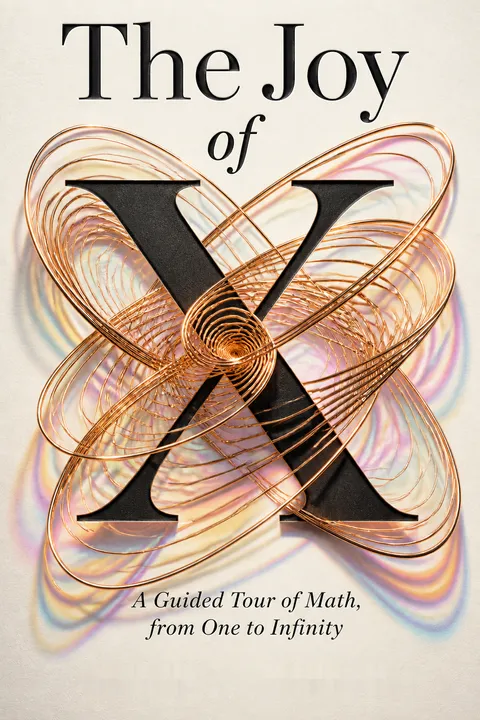
أهم النقاط
1. الرياضيات: لغة الأنماط والعلاقات
الأعداد هي اختصارات رائعة.
رمز الطبيعة. الرياضيات هي اللغة العالمية التي تصف الأنماط والعلاقات في العالم من حولنا. ليست مجرد حسابات أو حل معادلات، بل هي طريقة تفكير تمكننا من فهم الظواهر الطبيعية والتنبؤ بها. من الحلزونات في زهرة دوار الشمس إلى مدارات الكواكب، توفر الرياضيات إطارًا لوصف النظام الكامن في أنظمة تبدو فوضوية.
التجريد والتطبيق. تكمن قوة الرياضيات في قدرتها على تجريد المواقف المعقدة في العالم الحقيقي إلى نماذج أبسط وأسهل في التعامل. هذا التجريد يسمح لنا بحل المشكلات في مجال معين وتطبيق الحلول على مجالات مختلفة تمامًا. على سبيل المثال، يمكن استخدام نفس المبادئ الرياضية التي تصف تدفق الماء لفهم أنماط المرور أو انتشار الأمراض.
المفاهيم الرياضية الأساسية:
- الأنماط والعلاقات
- التجريد والنمذجة
- التطبيق الشامل
2. من العد إلى اللانهاية: تطور الأعداد
الأعداد الأولية تقبل القسمة فقط على الواحد ونفسها.
توسع أنظمة الأعداد. تطور مفهوم الأعداد عبر التاريخ بشكل كبير، من العد البسيط إلى أنظمة الأعداد المعقدة التي نستخدمها اليوم. يعكس هذا التطور فهمنا المتزايد للعالم وحاجتنا لوصف مفاهيم أكثر تجريدًا.
اللانهاية واللانهائي الصغر. من أعمق التطورات في الرياضيات كان إدخال مفهومي اللانهاية واللانهائي الصغر. هذه المفاهيم التي كانت تبدو متناقضة أصبحت الآن أساسية في حساب التفاضل والتكامل وفهم العمليات المستمرة. سمحت القدرة على التعامل مع اللانهاية للرياضيين بحل مشكلات كانت تعتبر مستحيلة.
تطور أنظمة الأعداد:
- الأعداد الطبيعية (العد)
- الأعداد الصحيحة (بما فيها السالبة)
- الأعداد النسبية (الكسور)
- الأعداد غير النسبية (مثل π، √2)
- الأعداد الحقيقية
- الأعداد المركبة
3. الجبر: حل المعادلات والعمل مع الصيغ
الصفحة جيدة بقدر ما ترتبط بها صفحات جيدة.
لغة العلاقات. يوفر الجبر أدوات قوية لوصف العلاقات بين الكميات. باستخدام المتغيرات والمعادلات، يمكننا التعبير عن أفكار معقدة بشكل مختصر وقابل للتلاعب. هذا التجريد يمكننا من حل مشكلات كانت مستعصية باستخدام الحساب فقط.
من القديم إلى الحديث. تطور التفكير الجبري من حل مسائل كلامية بسيطة إلى أساس التكنولوجيا الحديثة. نفس المبادئ التي مكنت الرياضيين القدماء من حساب الميراث تشكل الآن أساس الخوارزميات التي تدير محركات البحث وأنظمة التوصية.
المفاهيم الجبرية الأساسية:
- المتغيرات والمعادلات
- الدوال والعلاقات
- حل المجهولات
- نمذجة المشكلات الواقعية
4. الهندسة: المنطق والحدس وطبيعة الفضاء
الطوبولوجيا تسلط الضوء على أعمق خصائص الشكل — الخصائص التي تبقى ثابتة بعد التشويه المستمر.
جسر بين الحدس والمنطق. تقدم الهندسة مزيجًا فريدًا من الحدس البصري والمنطق الصارم. تمكننا من التفكير في الفضاء والأشكال بطرق ترضي العقل وتفيد التطبيق. من نظرية فيثاغورس إلى الهندسات غير الإقليدية، كان للتفكير الهندسي تأثير عميق على فهمنا للعالم المادي.
ما وراء الأبعاد المسطحة. تتجاوز الهندسة الحديثة دراسة الأشكال على مستوى السطح. تستكشف الطوبولوجيا، على سبيل المثال، الخصائص التي لا تتغير تحت التشوهات المستمرة، مما يؤدي إلى رؤى في مجالات متنوعة مثل تحليل البيانات والفيزياء النظرية.
مفاهيم وتطبيقات هندسية:
- الهندسة الإقليدية: الخطوط والزوايا والأشكال
- الهندسات غير الإقليدية: الفضاءات المنحنية
- الطوبولوجيا: الخصائص الثابتة تحت التشويه
- التطبيقات: العمارة، الرسوم الحاسوبية، علم الكونيات
5. حساب التفاضل والتكامل: رياضيات التغير والحركة
حساب التفاضل والتكامل هو رياضيات التغير.
لغة الفيزياء. يوفر حساب التفاضل والتكامل الإطار الرياضي لوصف التغير والحركة. يمكننا من تحليل الأنظمة الديناميكية والتنبؤ بها، من مدار الكواكب إلى انتشار الأوبئة. المفاهيم الأساسية للمشتقات والتكاملات أدوات قوية لفهم معدلات التغير والتراكم.
ترويض اللانهاية. يتعامل حساب التفاضل والتكامل مع عمليات تشمل كميات لا نهائية الصغر أو مجموعات لا نهائية. من خلال تطوير طرق دقيقة للعمل مع هذه المفاهيم، تمكن الرياضيون من حل مشكلات حيرت المفكرين لقرون. هذا "الترويض" للانهاية كان له تأثير عميق في العلوم والهندسة.
المفاهيم الأساسية في حساب التفاضل والتكامل:
- المشتقات: معدلات التغير
- التكاملات: التراكم والمساحة
- النهايات: التعامل مع اللانهاية
- التطبيقات: الفيزياء، الاقتصاد، التحسين
6. الاحتمالات والإحصاء: فهم العشوائية
الأشياء التي تبدو عشوائية ومستحيلة التنبؤ عند النظر إليها منفردة غالبًا ما تكون قانونية وقابلة للتنبؤ عند النظر إليها مجتمعة.
قياس عدم اليقين. توفر الاحتمالات والإحصاء أدوات لفهم واتخاذ القرارات في ظل عدم اليقين. تمكننا هذه المجالات من تحليل البيانات، اختبار الفرضيات، والتنبؤ بأنظمة معقدة حيث قد تكون النتائج الفردية غير متوقعة.
من القمار إلى البيانات الضخمة. نشأت الاحتمالات والإحصاء لفهم ألعاب الحظ، لكنها الآن تلعب أدوارًا حاسمة في مجالات متنوعة من البحث العلمي إلى تحليلات الأعمال. أصبحت القدرة على استخراج أنماط ذات معنى من مجموعات بيانات ضخمة أمرًا بالغ الأهمية في عالمنا المعتمد على البيانات.
المفاهيم الأساسية في الاحتمالات والإحصاء:
- توزيعات الاحتمال
- الاستدلال الإحصائي
- اختبار الفرضيات
- تحليل البيانات والتصور
7. قوة التفكير الرياضي في العالم الحقيقي
الرياضيات هي أقوى أداة صنعها الإنسان لفهم العالم المادي.
عقلية حل المشكلات. يمتد التفكير الرياضي إلى ما هو أبعد من حل المعادلات. إنه يوفر نهجًا منظمًا لحل المشكلات يمكن تطبيقه في مجالات كثيرة من الحياة. من خلال تفكيك المشكلات المعقدة إلى مكونات أبسط، واكتشاف الأنماط، والتفكير المنطقي، يمكننا مواجهة التحديات بفعالية أكبر.
تأثير متعدد التخصصات. تكمن قوة الرياضيات في قدرتها على وصف الأنماط الأساسية التي تظهر عبر مجالات متنوعة. من تحسين سلاسل الإمداد إلى فهم الشبكات الاجتماعية، توفر النماذج الرياضية رؤى تدفع الابتكار واتخاذ القرار في الأعمال والتكنولوجيا والسياسات.
تطبيقات الرياضيات في العالم الحقيقي:
- المالية والاقتصاد
- علوم الحاسوب والذكاء الاصطناعي
- الهندسة والتكنولوجيا
- العلوم الاجتماعية وصنع السياسات
- الطب والرعاية الصحية
- علوم البيئة ونمذجة المناخ
ملخص المراجعات
يحظى كتاب "متعة الرياضيات" بتقييمات إيجابية إلى حد كبير، حيث يُثنى عليه لجعله مادة الرياضيات سهلة الوصول وجذابة. يقدّر القراء شروحات ستروغاتز الواضحة، والأمثلة المستمدة من الواقع، وقدرته على إثارة الاهتمام بالرياضيات. يجد الكثيرون الكتاب ممتعًا وذو فائدة عميقة، مع تقديرهم للسياق التاريخي والروابط التي يربطها بالحياة اليومية. مع ذلك، يشير بعض المراجعين إلى أن بعض الأجزاء تصبح أكثر تعقيدًا، مما قد يصعب على القراء الذين لا يمتلكون خلفية قوية في الرياضيات متابعتها. وبشكل عام، يُنصح بهذا الكتاب لكل من يرغب في إعادة اكتشاف جمال وأهمية الرياضيات، رغم تباين الآراء حول مدى ملاءمته للمبتدئين تمامًا في هذا المجال.
قرأ الآخرون أيضًا






الأسئلة الشائعة
What's "The Joy of X" by Steven H. Strogatz about?
- Guided tour of math: The book is a guided tour through the elements of mathematics, from basic arithmetic to advanced concepts like calculus and complex numbers.
- Math's beauty and utility: It aims to show the beauty and utility of math, explaining why it is so enthralling to those who understand it.
- Real-world applications: The book connects mathematical concepts to real-world scenarios, such as Michael Jordan's dunks explaining calculus fundamentals.
- Accessible to all: It is designed for anyone who wants a second chance at understanding math, from an adult perspective.
Why should I read "The Joy of X"?
- Rekindle interest in math: It offers a chance to rediscover math in a more engaging and less intimidating way than traditional education.
- Understand math's relevance: The book demonstrates how math is relevant in everyday life, from flipping mattresses to understanding stock market swings.
- Enjoyable learning experience: Strogatz uses humor and storytelling to make complex mathematical ideas accessible and enjoyable.
- Broaden your perspective: It provides insights into how math shapes our understanding of the world, from the smallest particles to the vastness of the universe.
What are the key takeaways of "The Joy of X"?
- Math is everywhere: Math is present in various aspects of life, from nature to technology, and understanding it can enhance our perception of the world.
- Conceptual understanding: The book emphasizes understanding mathematical concepts rather than just memorizing formulas.
- Interconnectedness of math: It shows how different areas of math, like algebra and geometry, are interconnected and build upon each other.
- Math's creative side: Strogatz highlights the creativity involved in solving mathematical problems and constructing proofs.
How does Steven H. Strogatz explain complex numbers in "The Joy of X"?
- Imaginary numbers introduction: Complex numbers are introduced through the concept of imaginary numbers, defined by the square root of -1, denoted as 'i'.
- Visual representation: Strogatz explains complex numbers using a two-dimensional plane, with real numbers on one axis and imaginary numbers on the other.
- Applications in engineering: The book discusses how complex numbers are used in engineering fields, such as electrical engineering, to simplify calculations involving rotations.
- Fundamental theorem of algebra: Complex numbers are shown to be the culmination of the number system, as they allow for the solution of all polynomial equations.
What is the significance of the Pythagorean theorem in "The Joy of X"?
- Foundation of geometry: The Pythagorean theorem is presented as a fundamental concept in geometry, relating the sides of a right triangle.
- Proofs and elegance: Strogatz provides multiple proofs of the theorem, highlighting the elegance and creativity involved in mathematical reasoning.
- Real-world applications: The theorem's applications are discussed, such as in surveying and construction, where it helps calculate distances.
- Insight into space: It reveals fundamental truths about the nature of space, indicating that space is flat in Euclidean geometry.
How does "The Joy of X" approach the concept of infinity?
- Infinity in calculus: Infinity is explored through its role in calculus, particularly in understanding limits, derivatives, and integrals.
- Paradoxes and challenges: The book discusses historical challenges and paradoxes associated with infinity, such as Zeno's paradoxes.
- Archimedes' method: Strogatz explains how Archimedes used the concept of infinity to approximate pi through the method of exhaustion.
- Infinity's impact: The book illustrates how embracing infinity has led to significant advancements in mathematics and science.
What are some of the best quotes from "The Joy of X" and what do they mean?
- "Math is everywhere, if you know where to look." This quote emphasizes the omnipresence of mathematics in daily life and the importance of recognizing its applications.
- "The right abstraction leads to new insight, and new power." It highlights the power of abstraction in mathematics to simplify complex problems and reveal deeper truths.
- "Math always involves both invention and discovery." This quote reflects the dual nature of mathematics as both a creative and exploratory discipline.
- "The domestication of infinity was the breakthrough that made calculus work." It underscores the pivotal role of infinity in the development of calculus and its applications.
How does "The Joy of X" explain the concept of derivatives?
- Rate of change: Derivatives are introduced as a measure of how fast something is changing, akin to the slope of a curve.
- Real-world examples: Strogatz uses examples like the slope of a ramp and Michael Jordan's jump to illustrate the concept of derivatives.
- Applications in optimization: The book discusses how derivatives are used to find maximum and minimum values in various contexts, such as optimizing travel paths.
- Connection to calculus: Derivatives are presented as one of the two central ideas in calculus, alongside integrals.
What is the role of integrals in "The Joy of X"?
- Summation of parts: Integrals are explained as a way to sum up small parts to find a whole, such as calculating areas under curves.
- Applications in physics: The book discusses how integrals are used in physics to calculate quantities like gravitational pull and tumor growth.
- Fundamental theorem of calculus: Strogatz highlights the connection between derivatives and integrals through the fundamental theorem of calculus.
- Real-world relevance: Integrals are shown to be crucial in understanding and predicting changes in various scientific and engineering fields.
How does "The Joy of X" address the concept of probability?
- Conditional probability: The book explains conditional probability and its importance in understanding events given certain conditions.
- Real-life scenarios: Strogatz uses examples like plant watering and medical tests to illustrate how conditional probability works.
- Misconceptions and clarity: The book addresses common misconceptions about probability and offers clearer ways to think about it using natural frequencies.
- Applications in decision-making: Probability is shown to be a valuable tool in making informed decisions in uncertain situations.
What insights does "The Joy of X" provide on the use of logarithms?
- Compressing information: Logarithms are explained as tools for compressing large ranges of numbers into more manageable scales.
- Applications in music and science: The book discusses how logarithms are used in music perception and scientific measurements like the Richter scale.
- Inverse of exponentials: Logarithms are presented as the inverse of exponential functions, crucial for solving equations involving growth and decay.
- Simplifying calculations: Strogatz highlights how logarithms simplify complex calculations, making them essential in various fields.
How does "The Joy of X" explore the concept of symmetry through group theory?
- Symmetry in transformations: Group theory is introduced as the study of transformations that leave certain properties unchanged, such as symmetry.
- Applications in art and science: The book discusses how group theory applies to areas like art, physics, and even mattress flipping.
- Understanding structure: Group theory is shown to reveal the underlying structure and relationships within mathematical systems.
- Versatility of group theory: Strogatz emphasizes the wide-ranging applications of group theory, from particle physics to everyday problems.
عن المؤلف
كتب أخرى لـ ستيفن إتش. ستروغاتز




تحميل PDF
تحميل EPUB
.epub digital book format is ideal for reading ebooks on phones, tablets, and e-readers.








































