أهم النقاط
1. احتضان نظام المالية الحرة: ادفع لنفسك أولاً
أطعم القرد.
تحكم في أموالك. يعتمد نظام المالية الحرة على ثلاثة مبادئ رئيسية: إنشاء حسابات منفصلة للأهداف المالية الكبرى، وتحديد نسب لكل حساب، ودفع المبالغ لهذه الحسابات أولاً بشكل مستمر. تتيح هذه الطريقة للعاملين المستقلين إدارة دخلهم غير المنتظم بفعالية وبناء استقرار مالي.
النسب قوية. استخدام النسب بدلاً من المبالغ الثابتة يضمن أن مدخراتك تتكيف تلقائيًا مع تقلبات دخلك. ابدأ بمبالغ صغيرة، حتى 1-3% من كل شيك، وزدها تدريجياً عندما تشعر بالراحة. هذه الطريقة فعالة سواء كنت تكسب 25,000 دولار أو 250,000 دولار في السنة.
طور عقلية الادخار. اعتبر الادخار جزءًا غير قابل للتفاوض في حياتك المالية. من خلال إعطاء الأولوية للادخار ومعاملته كمصروف ثابت، فإنك تستثمر في أمنك وأهدافك المستقبلية. يمكن أن يؤدي هذا التحول في العقلية إلى تغيير علاقتك بالمال ويقودك إلى نجاح مالي طويل الأمد.
2. إنشاء الثالوث المقدس للادخار: الطوارئ، التقاعد، الضرائب
استخدمه فقط في حالة الطوارئ الحقيقية—شيء يؤثر على قدرتك على تغطية نفقاتك الشهرية الثابتة.
حساب الطوارئ. هذا هو وسادتك المالية للنفقات غير المتوقعة أو الفجوات في الدخل. حاول أن تدخر ما يعادل 3-6 أشهر من نفقات المعيشة، بدءًا من نسبة صغيرة من كل شيك وزيادتها تدريجياً. استخدم هذا الحساب فقط للطوارئ الحقيقية وقم بتعويضه في أقرب وقت ممكن.
حساب التقاعد. كعامل مستقل، أنت مسؤول عن مدخرات تقاعدك. ضع في اعتبارك خيارات مثل SEP-IRAs، أو Solo 401(k)s، أو Roth IRAs. ابدأ بنسبة صغيرة وزدها مع مرور الوقت. تذكر، كلما بدأت مبكرًا، زادت فوائدك من الفائدة المركبة.
حساب الضرائب. خصص نسبة من كل شيك للضرائب لتجنب صدمة فاتورة الضرائب الكبيرة. اعمل مع متخصص ضرائب لتحديد النسبة المناسبة بناءً على دخلك وخصوماتك. يمكن أن يساعد دفع الضرائب المقدرة ربع السنوية في إدارة التدفق النقدي وتجنب الغرامات.
3. اتقن حساب الإنفاق الخاص بك كقناة للادخار
أصبح الإنفاق يشبه أكثر فأكثر فعلًا سياسيًا.
إعادة صياغة حساب الإنفاق الخاص بك. اعتبر هذا الحساب أداة قوية لإدارة أموالك، وليس مجرد محطة توقف للإنفاق. إنه القناة التي تتدفق من خلالها أموالك إلى حسابات الادخار والمصروفات الثابتة قبل الإنفاق التقديري.
تتبع كل قرش. استخدم برامج مالية أو جدول بيانات بسيط لمراقبة إنفاقك. صنف النفقات وحلل أنماط إنفاقك بانتظام. هذه الوعي ضروري لاتخاذ قرارات مستنيرة بشأن أموالك.
تنفيذ نظام الظرف. من أجل السيطرة الأفضل على الإنفاق التقديري:
- خصص نقودًا لأظرف مختلفة لفئات النفقات المتنوعة
- أنفق فقط النقود الموجودة في كل ظرف
- عندما يصبح ظرف فارغًا، توقف عن الإنفاق في تلك الفئة
- سجل كل نفقة
4. التغلب على الديون: خطة النسبة بالإضافة إلى الدفع
الأحلام هي الأشياء التي تجعل الحياة تستحق العيش، لكننا نود أن نجادل بأن حياتك في خطر إذا لم تعتني بالأساسيات الأخرى أولاً.
أعط الأولوية للديون ذات الفائدة العالية. ركز على سداد الدين الذي يحمل أعلى معدل فائدة أولاً مع دفع الحد الأدنى على الآخرين. توفر هذه الاستراتيجية أكبر قدر من المال في الفوائد على مر الزمن.
تنفيذ خطة النسبة بالإضافة إلى الدفع:
- خصص نسبة ثابتة من كل شيك لسداد الديون
- أضف أي أموال إضافية يمكنك جمعها
- حافظ على نفس مبلغ الدفع حتى مع انخفاض الأرصدة
- بمجرد سداد دين واحد، قم بتحويل ذلك الدفع إلى الدين التالي ذي الفائدة الأعلى
ابحث عن أموال إضافية لسداد الديون:
- قلل من التكاليف الثابتة
- قلل من الإنفاق التقديري
- زد دخلك من خلال الأعمال الجانبية أو التفاوض على الأسعار
- اعتبر تحويل الأرصدة إلى بطاقات ذات فائدة أقل (لكن كن حذرًا من الرسوم والشروط)
5. مواءمة أهدافك المالية مع قيمك الشخصية
إخبار نفسك بما تريده، والإعلان عنه، يبدو أن له قوة خاصة به.
حدد أولوياتك الحقيقية. خذ وقتًا للتفكير فيما يهمك حقًا. أنشئ قائمة بأهدافك المالية وصنفها (مثل: الأمان، الترفيه، المهنة، العائلة). رتب هذه الأهداف لتوضيح أولوياتك وتوجيه قراراتك المالية.
كن محددًا بشأن أهدافك. حول الرغبات الغامضة إلى أهداف ملموسة وقابلة للتنفيذ. على سبيل المثال، بدلاً من "ادخر للتقاعد"، حدد "امتلك 500,000 دولار في Roth IRA وSEP بحلول سن 50". تساعدك هذه الوضوح على إنشاء خطة ادخار مركزة.
أنشئ حسابات الأحلام. بمجرد أن تحدد مدخراتك الأساسية (الطوارئ، التقاعد، الضرائب)، أنشئ حسابات منفصلة لأحلامك وأهدافك الشخصية. سمِّ هذه الحسابات بشكل محدد (مثل "إجازة الكاريبي 2024" أو "صندوق الكاميرا الجديدة") لتحفيزك وتركيزك.
6. نمو نظامك: التكيف والتطور مع نجاحك
إذا كنت حكيمًا بما يكفي لقراءة ما بين السطور، يمكنك أن ترى أن هناك الكثير من الخيارات الصعبة في هذه النسب.
إعادة تقييم أموالك بانتظام. على الأقل سنويًا، راجع دخلك ونفقاتك وأهداف ادخارك. ابحث عن فرص لزيادة نسب ادخارك أو تعديل أولوياتك بناءً على التغيرات في الحياة.
التكيف مع تغييرات الدخل. عندما يزيد دخلك، قاوم الرغبة في تضخيم نمط حياتك. بدلاً من ذلك، زد نسب ادخارك عبر حساباتك. تضمن هذه العادة أن ينمو أمانك المالي مع نجاحك.
أضف حسابات جديدة حسب الحاجة. عندما تحقق أهدافًا معينة أو تتغير أولوياتك، أنشئ حسابات ادخار جديدة. على سبيل المثال، قد تضيف حساب صحة للنفقات الطبية أو حسابات أحلام محددة لأهداف طويلة الأجل مثل دفعة منزل.
7. بناء الازدهار: كسب المزيد، إنفاق أقل، تقليل التكاليف الثابتة
إذا كنت تبيع شيئًا، لديك عملاء. إذا كنت تقدم خدمة، لديك عملاء. إذا كنت تخلق فنًا، لديك عملاء.
زيادة إمكانيات الكسب:
- قم بتقييم قاعدة عملائك بانتظام
- ابحث عن فرص وأسواق جديدة
- استثمر في التسويق والشبكات
- استمر في تحسين مهاراتك وعروضك
تحسين الإنفاق:
- راجع بانتظام وقلل من النفقات غير الضرورية
- تفاوض على أسعار أفضل للخدمات والاشتراكات
- اعتنِ بالاقتصاد دون التضحية بجودة الحياة
- استخدم أدوات مثل نظام الظرف للسيطرة على الإنفاق التقديري
تقليل التكاليف الثابتة:
- قيم وضعك السكني للبحث عن توفير محتمل
- ابحث عن طرق لتقليل تكاليف المرافق والتأمين
- اعتبر مساحات العمل المشتركة أو المكاتب المنزلية لتقليل التكاليف التجارية
- راجع بانتظام وأعد التفاوض على العقود مع مقدمي الخدمات
ملخص المراجعات
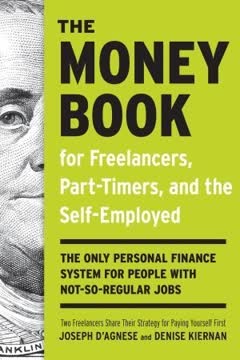
كتاب "دليل المال للمستقلين، والعاملين بدوام جزئي، وأصحاب الأعمال الحرة" يحظى بتقييمات إيجابية بفضل نصائحه العملية حول إدارة المال في ظل دخل غير منتظم. يثني القراء على لغته السهلة، وإرشاداته خطوة بخطوة، وتركيزه على نسب الادخار بدلاً من المبالغ الثابتة. كما يُقدَّر بشدة تأكيد الكتاب على أهمية إنشاء حسابات منفصلة للضرائب، والطوارئ، والتقاعد. بينما يجد البعض أنه بسيط أو قديم، يعتبره الكثيرون ضروريًا للمستقلين وأصحاب الأعمال الحرة. يلاحظ المراجعون فائدته لكل من المبتدئين والمستقلين ذوي الخبرة، مشيدين بروح الدعابة والأسلوب التحفيزي الذي يتبعه.
الأسئلة الشائعة
What's The Money Book for Freelancers, Part-Timers, and the Self-Employed about?
- Focus on Independent Workers: The book is tailored for freelancers, part-timers, and self-employed individuals, addressing their unique financial challenges.
- Freelance Finance System: It introduces a system emphasizing saving, budgeting, and planning for taxes and retirement, suited to irregular income patterns.
- Empowerment Through Knowledge: The authors share personal experiences to empower readers to take control of their financial futures.
Why should I read The Money Book for Freelancers, Part-Timers, and the Self-Employed?
- Tailored Advice: It provides specific advice for independent workers, addressing financial pitfalls freelancers face.
- Practical Tools: Offers actionable strategies like setting up separate savings accounts and using percentages for budgeting.
- Real-Life Examples: Includes anecdotes and expert interviews, making the advice relatable and easier to implement.
What are the key takeaways of The Money Book for Freelancers, Part-Timers, and the Self-Employed?
- Separate Accounts for Savings: Emphasizes creating separate accounts for emergencies, retirement, and taxes to prevent fund mingling.
- Pay Yourself First: Advocates setting aside a percentage of each paycheck for savings before expenses to build a financial cushion.
- Understanding Cash Flow: Stresses the importance of managing cash flow, especially with variable income, to avoid financial pitfalls.
What specific method does The Money Book for Freelancers, Part-Timers, and the Self-Employed recommend for managing finances?
- Freelance Finance System: Encourages setting up dedicated accounts for different financial goals and allocating income percentages accordingly.
- Percentage-Based Saving: Recommends saving a percentage of each paycheck, allowing flexibility with income fluctuations.
- Emergency Fund Importance: Highlights the need for an emergency fund as a safety net during lean times.
How can I set up my savings accounts according to The Money Book for Freelancers, Part-Timers, and the Self-Employed?
- Choose Your Accounts: Create key accounts for emergencies, retirement, and taxes, each serving a specific purpose.
- Determine Percentages: Allocate income percentages to each account based on financial goals, starting small if necessary.
- Use Online Banks: Online banks often offer better rates and lower fees, aiding in fund management and separation.
What is the importance of an Emergency Account as discussed in The Money Book for Freelancers, Part-Timers, and the Self-Employed?
- Financial Safety Net: Provides a cushion for unexpected expenses, helping avoid reliance on credit cards.
- Peace of Mind: Reduces financial worry, allowing focus on work despite irregular income.
- Replenishment Commitment: Emphasizes replenishing the account after use to maintain stability.
How does The Money Book for Freelancers, Part-Timers, and the Self-Employed suggest handling debt?
- Understanding Debt Types: Prioritize paying off high-interest credit card debt to reduce financial strain.
- Creating a Payment Plan: Focus on either highest interest rates or smallest balances first for motivation.
- Avoiding New Debt: Use cash or debit cards to prevent accumulating new debt while paying off existing obligations.
What are some practical tips for budgeting from The Money Book for Freelancers, Part-Timers, and the Self-Employed?
- Track Income and Expenses: Meticulously track all financial transactions to understand cash flow better.
- Use Financial Software: Simplify budgeting and tracking with apps or software for better visualization.
- Set Realistic Goals: Base budgets on past income and expenses to ensure achievability and maintain motivation.
How can I determine how much to save for taxes according to The Money Book for Freelancers, Part-Timers, and the Self-Employed?
- Consult a Tax Professional: Get personalized advice based on past earnings and projected income.
- Calculate Average Tax Rate: Review past tax returns to establish a baseline for future savings.
- Adjust as Needed: Regularly reassess savings percentage, especially with significant income fluctuations.
What are the benefits of having an Emergency Account as per The Money Book for Freelancers, Part-Timers, and the Self-Employed?
- Financial Safety Net: Provides funds for unexpected expenses or income disruptions.
- Peace of Mind: Reduces stress related to financial uncertainty, allowing focus on work.
- Encourages Responsible Spending: Prevents reliance on credit cards for emergencies, promoting better spending habits.
What should I do if I have debt while trying to save according to The Money Book for Freelancers, Part-Timers, and the Self-Employed?
- Prioritize Debt Payments: Focus on high-interest debt while maintaining minimum payments on others.
- Adjust Savings Percentages: Temporarily shift focus to debt repayment if necessary, without neglecting savings.
- Seek Additional Income: Consider extra work or gigs to increase income for debt repayment and savings.
What are the best quotes from The Money Book for Freelancers, Part-Timers, and the Self-Employed and what do they mean?
- "Pay yourself first.": Prioritize savings as a non-negotiable expense before other spending.
- "You are responsible for your own retirement.": Highlights the need for self-reliance in retirement planning.
- "Understanding your cash flow is crucial.": Emphasizes effective management of income and expenses to avoid pitfalls.








































