

أهم النقاط
1. ازرع عقلك: الحديقة الداخلية
"إذا اعتنيت بعقلك، ورعيتَه وزرعته كما تزرع حديقة خصبة وغنية، فسوف يزهر ويتفتح بما يفوق توقعاتك."
عقلك هو حديقة. مثل الحديقة، يحتاج إلى رعاية مستمرة، تغذية وحماية من المؤثرات الضارة. جودة أفكارك تحدد جودة حياتك. تمامًا كما لا تسمح للنفايات السامة أن تلوث حديقتك، لا يجب أن تسمح للأفكار السلبية أن تلوث عقلك.
خطوات عملية لزرع عقلك:
- مارس تقنية "قلب الوردة": اقضِ 10-20 دقيقة يوميًا تحدق في وردة، مركزًا فقط على جمالها.
- استخدم "التفكير المعاكس": استبدل الأفكار السلبية بأفكار إيجابية فورًا.
- تخيل أهدافك وأحلامك باستخدام طريقة "سر البحيرة".
بتطبيق هذه التقنيات باستمرار، يمكنك تحويل عقلك من مكان فوضوي مليء بالقلق إلى ملاذ هادئ ومنتج يغذي نموك وسعادتك.
2. اكتشف هدف حياتك: المنارة
"هدف الحياة هو حياة ذات هدف."
هدفك هو نورك الهادي. مثل المنارة التي توجه السفن إلى بر الأمان، يوفر هدف حياتك الاتجاه والمعنى والإشباع. الأمر لا يتعلق بما تعمل من أجله، بل بما تشعر بالشغف تجاهه وكيف يمكنك أن تساهم في العالم.
لاكتشاف هدفك:
- تأمل فيما يثير حماسك ويمنحك الطاقة الحقيقية
- حدد مواهبك وقواك الفريدة
- فكر كيف يمكنك استخدام هذه القدرات لخدمة الآخرين
- ضع أهدافًا واضحة وذات معنى تتماشى مع هدفك
تذكر، الحياة التي تحركها الأهداف ليست فقط أكثر إشباعًا، بل أكثر إنتاجية أيضًا. عندما تتماشى مع هدفك، ستجد أن النجاح والسعادة يتبعانك بشكل طبيعي.
3. مارس كايزن: التحسين المستمر للذات
"إتقان الذات هو الحمض النووي لإتقان الحياة."
احتضن النمو المستمر. كايزن، المفهوم الياباني للتحسين المستمر، هو مفتاح التطور الشخصي. مثل مصارع السومو الذي يطور مهاراته باستمرار، يجب أن تسعى دائمًا لتحسين نفسك في جميع جوانب الحياة.
طرق ممارسة كايزن:
- حدد أهدافًا يومية للتحسين في مجالات مختلفة (الجسدية، العقلية، الروحية)
- تعلم شيئًا جديدًا كل يوم
- تحدى نفسك للخروج من منطقة الراحة بانتظام
- تأمل في تقدمك وعدل نهجك حسب الحاجة
تذكر، التحسينات الصغيرة والمتواصلة تتراكم مع الوقت، مما يؤدي إلى نمو شخصي وإنجازات كبيرة. طريق إتقان الذات هو رحلة مدى الحياة، وليس وجهة.
4. اتقن الانضباط الذاتي: الحبل السلكي
"عندما تشكل عادة القيام بما تخافه، تتحكم في حياتك."
الانضباط الذاتي هو مفتاح حريتك. مثل الحبل السلكي المكون من خيوط صغيرة كثيرة، يُبنى الانضباط الذاتي من خلال العديد من أفعال الإرادة الصغيرة. إنه أساس النمو الشخصي والإنجاز في جميع مجالات الحياة.
استراتيجيات بناء الانضباط الذاتي:
- ابدأ بتحديات صغيرة وقابلة للإدارة
- مارس تأجيل الإشباع
- أنشئ روتينًا يوميًا والتزم به
- استخدم تقنية "نذر الصمت" أحيانًا لتقوية الإرادة
بإتقان الانضباط الذاتي، تكتسب السيطرة على أفكارك ومشاعرك وأفعالك. هذه السيطرة تمكنك من اتخاذ قرارات متسقة تتماشى مع أهدافك وقيمك، مما يؤدي إلى نجاح وإشباع أكبر.
5. قدر وقتك: ساعة التوقيت الذهبية
"الوقت ينزلق من بين أيدينا كحبات الرمل، لا يعود أبدًا."
الوقت هو أثمن مواردك. على عكس المال أو الممتلكات المادية، الوقت غير قابل للتجديد. كيف تقضي وقتك يحدد في النهاية جودة وتأثير حياتك.
استراتيجيات فعالة لإدارة الوقت:
- أولويات المهام باستخدام "قاعدة 80/20" (ركز على 20% من الأنشطة التي تحقق 80% من النتائج)
- أنشئ جداول يومية وأسبوعية تتماشى مع أهدافك
- تعلم قول "لا" للأنشطة غير الضرورية
- مارس "عقلية سرير الموت" – عش كل يوم كما لو كان الأخير
بتقديرك وإدارتك الحكيمة لوقتك، يمكنك تحقيق المزيد، تقليل التوتر، وخلق مساحة لما هو مهم حقًا في حياتك.
6. عش بالامتنان: الورود العطرة
"عندما تلهمك غاية عظيمة، مشروع استثنائي، تتحرر كل أفكارك: يتجاوز عقلك الحدود، ويتسع وعيك في كل الاتجاهات، وتجد نفسك في عالم جديد عظيم ورائع."
الامتنان يغير نظرتك. مثل عبير الورود الذي ينعش مصارع السومو، يمتلك الامتنان القدرة على رفع روحك وتغيير نظرتك للحياة بأكملها. يحول تركيزك من ما تفتقده إلى الوفرة الموجودة بالفعل في حياتك.
طرق تنمية الامتنان:
- احتفظ بمذكرة امتنان يومية
- عبّر عن تقديرك للآخرين بانتظام
- مارس اليقظة لتلاحظ وتستمتع بملذات الحياة البسيطة
- استخدم النكسات كفرص لاكتشاف النعم الخفية
بجعل الامتنان عادة، ستختبر فرحًا أكبر، ومرونة، وإشباعًا. إنه ترياق قوي للمشاعر السلبية ومحفز للنمو الشخصي.
7. احتضن الحاضر: درب الألماس
"لا تؤجل سعادتك من أجل الإنجاز."
عش اللحظة الحاضرة بكل ما فيها. درب الألماس يرمز إلى غنى الحياة المتاح لك الآن. كثيرًا ما نؤجل سعادتنا، ننتظر إنجازًا أو امتلاكًا مستقبليًا. لكن الإشباع الحقيقي يأتي من الانخراط الكامل وتقدير الحاضر.
تقنيات لاحتضان الحاضر:
- مارس التأمل الواعي
- انخرط تمامًا في الأنشطة دون تعدد المهام
- نمّ الحضور في العلاقات بمنح الآخرين انتباهك الكامل
- توقف بانتظام لتقدير الجمال والعجائب من حولك
بعيشك في الحاضر، ستختبر سلامًا وفرحًا واتصالًا أكبر. تذكر، الحياة تحدث الآن – ليست في الماضي أو المستقبل. اللحظة الحاضرة هي حيث تتكشف الحياة وحيث تملك القدرة على تشكيل تجربتك.
ملخص المراجعات
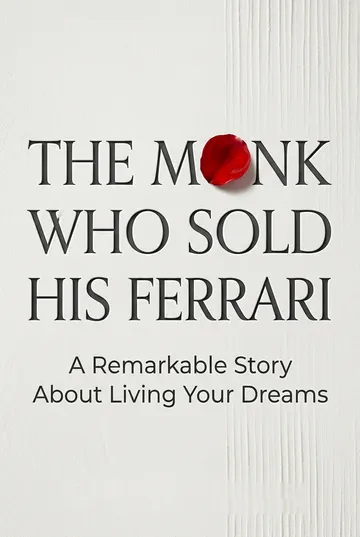
حظي كتاب "الراهب الذي باع سيارته الفيراري" بتقييمات متباينة. فقد وجد كثير من القراء فيه مصدر إلهام وتحول في حياتهم، مشيدين برسائله البسيطة والقوية حول النمو الشخصي والوعي الذهني. في المقابل، انتقده آخرون لأسلوبه الكتابي، معتبرينه مبتذلًا ويفتقر إلى العمق. بينما قدر بعضهم صيغة القصة الرمزية، رأى آخرون أنها تحمل نبرة متعالية. تعاليم الكتاب حول التأمل، والتفكير الإيجابي، وتطوير الذات لاقت صدى واسعًا لدى الكثيرين، إلا أن البعض اعتبر الأفكار مبسطة بشكل مفرط أو غير عملية. وبشكل عام، يبدو أن الكتاب يثير آراء متباينة، ويميل إلى جذب أولئك المنفتحين على مفاهيم التنمية الذاتية.
قرأ الآخرون أيضًا





الأسئلة الشائعة
What's "The Monk Who Sold His Ferrari" about?
- Transformation Story: The book is a fable about Julian Mantle, a high-powered lawyer who experiences a life crisis and embarks on a journey to find happiness and fulfillment.
- Spiritual Journey: Julian travels to the Himalayas, where he learns from the Sages of Sivana about living a life of purpose, balance, and inner peace.
- Life Lessons: Through a series of lessons and practices, Julian learns to cultivate his mind, body, and spirit, which he shares with his friend John.
- Personal Development: The story emphasizes personal growth, self-discovery, and the importance of living in the present moment.
Why should I read "The Monk Who Sold His Ferrari"?
- Inspiration for Change: The book offers a compelling narrative that inspires readers to reflect on their own lives and consider changes for greater fulfillment.
- Practical Wisdom: It provides practical techniques and strategies for personal development, such as meditation, goal-setting, and self-discipline.
- Timeless Principles: The lessons are based on timeless principles that can be applied to modern life, making it relevant for anyone seeking improvement.
- Engaging Storytelling: The fable format makes complex ideas accessible and engaging, allowing readers to learn through the story of Julian's transformation.
What are the key takeaways of "The Monk Who Sold His Ferrari"?
- Mind Mastery: Cultivating a positive mindset is crucial for personal success and happiness.
- Purposeful Living: Having a clear purpose and setting goals are essential for a fulfilling life.
- Self-Discipline: Developing self-control and discipline leads to greater freedom and achievement.
- Living in the Present: Embracing the present moment enhances joy and satisfaction in life.
How does Julian Mantle transform in "The Monk Who Sold His Ferrari"?
- Health Crisis: Julian's transformation begins with a heart attack that forces him to reevaluate his life.
- Journey to Sivana: He travels to the Himalayas, where he learns from the Sages of Sivana about living a balanced and meaningful life.
- Adopting New Practices: Julian adopts practices such as meditation, visualization, and self-discipline to transform his mind and body.
- Sharing Wisdom: He returns to share his newfound wisdom with his friend John, demonstrating his transformation through his actions and teachings.
What is the significance of the fable in "The Monk Who Sold His Ferrari"?
- Memory Aid: The fable serves as a mnemonic device to help Julian remember the lessons he learned from the Sages.
- Symbolic Elements: Each element of the fable, such as the garden, lighthouse, and sumo wrestler, symbolizes a key principle of enlightened living.
- Engaging Format: The fable format makes the teachings more engaging and relatable, allowing readers to absorb the lessons through storytelling.
- Guiding Framework: It provides a structured framework for understanding and applying the principles of personal development.
What are the "Ten Rituals of Radiant Living" in "The Monk Who Sold His Ferrari"?
- Ritual of Solitude: Spend time in silence and solitude to renew your mind and spirit.
- Ritual of Physicality: Engage in regular physical exercise to maintain a healthy body and mind.
- Ritual of Live Nourishment: Eat a diet of live foods, such as fruits and vegetables, to nourish your body.
- Ritual of Abundant Knowledge: Commit to lifelong learning and self-improvement through reading and study.
How does "The Monk Who Sold His Ferrari" emphasize the importance of time management?
- Time Mastery: The book teaches that mastering time is essential for a fulfilling life, as time is a non-renewable resource.
- Prioritization: Focus on high-impact activities that contribute to your goals and well-being.
- Planning: Use daily and weekly planning to ensure balance and productivity in all areas of life.
- Living in the Now: Emphasizes the importance of living in the present moment and not postponing happiness.
What role does self-discipline play in "The Monk Who Sold His Ferrari"?
- Foundation of Success: Self-discipline is portrayed as the foundation for achieving personal and professional success.
- Building Willpower: The book provides techniques for building willpower, such as doing things you dislike and practicing silence.
- Freedom through Discipline: Self-discipline leads to greater freedom by allowing you to control your impulses and focus on meaningful goals.
- Daily Practice: Encourages daily practice of self-discipline to cultivate inner strength and resilience.
What are the best quotes from "The Monk Who Sold His Ferrari" and what do they mean?
- "The purpose of life is a life of purpose." This quote emphasizes the importance of having a clear purpose to guide your actions and decisions.
- "Happiness is a journey, not a destination." It highlights the idea that true happiness comes from enjoying the present moment rather than waiting for future achievements.
- "The quality of your life ultimately comes down to the quality of your contribution." This quote underscores the value of serving others and making a positive impact on the world.
- "Time slips through our hands like grains of sand, never to return again." It serves as a reminder to use time wisely and focus on what truly matters.
How does "The Monk Who Sold His Ferrari" address the concept of living in the present?
- Path of Diamonds: The path of diamonds in the fable symbolizes the importance of living in the present moment and appreciating life's simple pleasures.
- Mindfulness Practices: The book encourages practices like meditation and gratitude to cultivate mindfulness and presence.
- Avoiding Regret: Emphasizes the importance of not postponing happiness and living fully in the now to avoid future regrets.
- Daily Gratitude: Suggests practicing daily gratitude to focus on the present and recognize the abundance in life.
What is the "Secret of the Self" in "The Monk Who Sold His Ferrari"?
- Inner Potential: The Secret of the Self refers to the realization of one's inner potential and the ability to live a life of purpose and fulfillment.
- Self-Discovery: Encourages self-discovery and understanding one's true calling to unlock personal greatness.
- Connection to the Universe: Suggests that by improving oneself, one contributes to the greater good and connects with the universe's energy.
- Living Authentically: Emphasizes living authentically and aligning actions with one's true self for a meaningful life.
How can "The Monk Who Sold His Ferrari" help someone seeking personal growth?
- Practical Techniques: Offers practical techniques for personal growth, such as meditation, visualization, and goal-setting.
- Inspiration for Change: Inspires readers to reflect on their lives and make positive changes for greater fulfillment.
- Timeless Wisdom: Provides timeless wisdom that can be applied to modern life, making it relevant for anyone seeking improvement.
- Holistic Approach: Encourages a holistic approach to personal development, focusing on mind, body, and spirit.
عن المؤلف
كتب أخرى لـ روبن شارما








تحميل PDF
تحميل EPUB
.epub digital book format is ideal for reading ebooks on phones, tablets, and e-readers.








































