Plot Summary
Broken Promises, Fractured Life
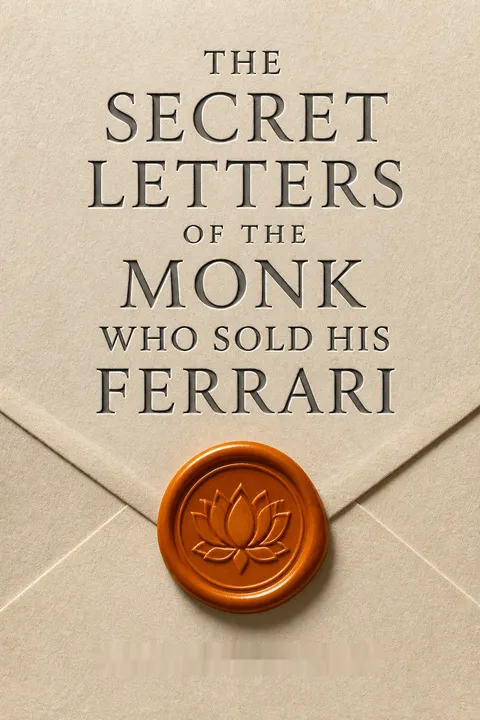
Jonathan Landry's world is quietly falling apart. His marriage to Annisha is in shambles, his relationship with his son Adam is strained, and his work as a corporate manager is all-consuming. Despite his promises to be a better father and husband, Jonathan is trapped in a cycle of missed opportunities and emotional distance, haunted by guilt and regret. The death of his mentor Juan, a casualty of workplace neglect and stress, lingers as a silent accusation. Jonathan's life is a portrait of modern disconnection—ambition without fulfillment, success without joy, and relationships eroded by neglect. The story opens with Jonathan's sense of failure and longing for redemption, setting the stage for a journey that will force him to confront his deepest fears and desires.
The Summons from Julian
Jonathan's estranged mother calls with urgency: her cousin Julian, once a high-powered lawyer who famously sold his Ferrari and became a monk, needs Jonathan's help. Despite barely knowing Julian, Jonathan is compelled by his mother's insistence and a sense of familial duty. He travels to Buenos Aires, where Julian, transformed and enigmatic, reveals a quest: nine talismans, each holding a secret to a meaningful life, must be retrieved from their keepers around the world. The mission is shrouded in mystery, with hints of life-and-death stakes. Reluctant but unable to refuse, Jonathan embarks on a journey that promises not only to save another but, unbeknownst to him, to save himself.
Istanbul: Authenticity's First Talisman
In Istanbul, Jonathan meets Ahmet, a ferry captain who introduces him to the city's vibrant history and the first talisman—a sun-and-moon coin symbolizing authenticity. Through conversations and shared experiences, Jonathan is challenged to reflect on his own life: is he living true to himself, or merely following the expectations of others? The city's blend of continents and cultures mirrors Jonathan's internal crossroads. Ahmet's wisdom and the talisman's accompanying letter urge Jonathan to break free from societal seductions and rediscover his original dreams. The lesson is clear: fulfillment begins with the courage to live one's authentic life, even if it means facing uncomfortable truths.
Paris: Embracing Fear Underground
Jonathan's next stop is Paris, where he meets Antoine, an archivist in the city's catacombs. The journey underground is a literal and metaphorical descent into fear—Jonathan's claustrophobia and anxiety are triggered by the oppressive tunnels and the presence of six million bones. Antoine, who overcame his own fear of death by working among the dead, gives Jonathan a skull talisman and a letter about embracing fear. The message: growth and freedom lie on the other side of discomfort. Jonathan's panic attack and eventual calm in the catacombs become a turning point, teaching him that bravery is not the absence of fear, but the willingness to act despite it.
Kyoto: Kindness in a Foreign Land
In Kyoto, Jonathan is hosted by Ayame, a gentle university professor. Immersed in Japanese culture and etiquette, he receives a golden crane talisman representing kindness. Ayame's warmth and the rituals of her family's inn reveal the subtle ways kindness shapes relationships and self-perception. The talisman's letter teaches that how we treat others reflects how we treat ourselves. Jonathan realizes that his impatience and irritability—toward strangers, colleagues, and family—mirror his own self-judgment. Through Ayame's example, he learns that small acts of generosity and understanding can heal both giver and receiver, and that kindness is the foundation of a meaningful life.
Yucatán: Small Steps, Big Dreams
In Mexico, Jonathan meets Chava, an archaeologist whose life's work is the painstaking excavation of Mayan ruins. The red clay pyramid talisman he receives symbolizes the power of small daily improvements. Chava's stories—of ancient civilizations built stone by stone, and of his son's journey from humble beginnings to becoming a doctor—illustrate that greatness is achieved through consistent, incremental effort. Jonathan is inspired to apply this lesson to his own life, realizing that transformation is not the result of grand gestures, but of steady, purposeful action. The talisman's wisdom encourages him to start with small changes, trusting that they will accumulate into something extraordinary.
Barcelona: Genius in Everyday Work
In Barcelona, Jonathan is guided by Lluis, a taxi driver who left a prestigious hotel management career to return to the work he loves. Lluis's pride in his craft and his commitment to excellence embody the lesson of the paintbrush talisman: to do one's best work, regardless of status or recognition. Through Lluis's story and the city's artistic heritage, Jonathan learns that mastery and fulfillment come from devotion, passion, and the desire to serve others. The talisman's letter urges him to see all labor as an opportunity for creative self-expression and impact, challenging him to seek meaning in his own professional life.
Cape Breton: Choosing Your Circle
On Cape Breton Island, Jonathan stays with Mary, an artist who teaches him about the power of community and the necessity of choosing one's influences wisely. The talisman here—two hands clasped—symbolizes the wisdom of surrounding oneself with people and environments that uplift and inspire. Mary's story of leaving the competitive New York art scene for a supportive community in Nova Scotia resonates with Jonathan's own need for connection and belonging. The lesson: we become like those we spend time with, and our happiness depends on cultivating relationships that bring out our best selves.
Shanghai: The Joy of Simplicity
In Shanghai, Jonathan is dazzled by the wealth and glamour of Gao Ming, a venture capitalist. Yet, Gao's true joy comes not from luxury, but from simple, everyday pleasures—a walk in the park, a family meal, a seashell from the beach. The shell talisman and its letter remind Jonathan that lasting happiness is found not in accumulation, but in gratitude for life's basic blessings. Gao's story of moving beyond materialism to focus on impact and contribution challenges Jonathan to reconsider his own values. The chapter is a meditation on enoughness, contentment, and the freedom that comes from appreciating what truly matters.
Sedona: The Heart's True Purpose
In Sedona, Arizona, Jonathan meets Ronnie, a woman whose life is defined by love and service to her extended family. Amid the red rocks, she gives him a silver heart talisman and shares the ultimate lesson: the purpose of life is to love. Love is not merely a feeling, but an active choice—a verb that must guide every action and relationship. Ronnie's wisdom, echoed by the monks Julian once studied with, helps Jonathan realize that he has neglected love in his own life, especially with Annisha and Adam. The talisman's message is simple yet profound: to live well is to love well.
Agra: Legacy and Forgiveness
The final talisman awaits Jonathan at the Taj Mahal, where he is unexpectedly reunited with Julian. The marble replica of the Taj Mahal represents legacy—the impact we leave on the world and those who follow. Julian reveals that the entire journey was designed to save Jonathan's own life, not someone else's. The lessons of the talismans, and the wisdom of their keepers, have transformed him. Yet, Jonathan is still haunted by guilt over Juan's death. Julian counsels him to forgive himself and to focus on making amends through future actions. The chapter closes with Jonathan's emotional reunion with Annisha and Adam, signaling the beginning of a new legacy built on love and purpose.
Returning Home, Renewed
Jonathan returns home, forever changed. He reconciles with Annisha, becomes a more present father to Adam, and reclaims his passion for meaningful work. The talismans and their letters remain with him, guiding his choices and relationships. Monthly family dinners, new traditions, and a renewed sense of purpose mark his days. The journey has taught him that happiness is not found in achievement or possessions, but in authenticity, courage, kindness, steady progress, meaningful work, positive relationships, simplicity, love, and legacy. Jonathan's story ends not with a grand triumph, but with the quiet, enduring joy of a life well-lived.
Analysis
Robin Sharma's The Secret Letters of the Monk Who Sold His Ferrari is a modern parable about the search for meaning in a world obsessed with achievement, consumption, and speed. Through the device of a global quest for talismans, the novel distills ancient wisdom into practical, actionable lessons for contemporary life. Each talisman represents a universal principle—authenticity, courage, kindness, steady progress, meaningful work, positive relationships, simplicity, love, and legacy—offering a holistic blueprint for fulfillment. The narrative's episodic structure allows for deep exploration of each theme, while the overarching mystery sustains engagement. Psychologically, the book is a study in transformation: Jonathan's journey from alienation to integration mirrors the reader's own potential for change. The story's emotional arc is grounded in the realities of modern life—work stress, fractured families, lost mentors—making its lessons both accessible and urgent. Ultimately, the novel argues that happiness is not a destination, but a practice; not a product of external success, but of inner alignment and loving connection. Its enduring message is that anyone, regardless of circumstance, can choose to live a life of purpose, presence, and joy.
Review Summary
The Secret Letters of the Monk Who Sold His Ferrari received mixed reviews, with an average rating of 4.04 out of 5. Many readers found the book inspirational and uplifting, praising its life lessons and the journey of self-discovery. Critics appreciated the positive messages but found the story predictable and repetitive. Some felt the book lacked originality, rehashing ideas from Sharma's previous works. Despite this, many readers felt the book offered valuable reminders about living authentically, embracing simplicity, and finding joy in life's small pleasures.
People Also Read








Characters
Jonathan Landry
Jonathan is the protagonist—a corporate manager whose life is unraveling under the weight of workaholism, marital breakdown, and emotional disconnection. His journey is both external and internal: tasked with retrieving nine talismans, he is forced to confront his own failures, fears, and longings. Psychologically, Jonathan is driven by guilt, regret, and a yearning for redemption. His relationships—with his estranged wife Annisha, his son Adam, and his late mentor Juan—are fraught with missed opportunities and unspoken pain. Over the course of the story, Jonathan evolves from a man defined by ambition and avoidance to one who embraces vulnerability, self-reflection, and love. His transformation is gradual, marked by moments of insight and humility, culminating in a renewed commitment to family, purpose, and authenticity.
Julian Mantle
Julian, once a high-powered lawyer who abandoned material success for spiritual wisdom, orchestrates Jonathan's journey. He is both mentor and trickster, using mystery and challenge to provoke Jonathan's growth. Julian's own transformation—from burnout to monkhood—serves as a living example of the book's core lessons. His relationship to Jonathan is complex: part family, part spiritual teacher, part architect of change. Julian's psychological insight and compassion are matched by a willingness to withhold information, forcing Jonathan to learn through experience. Ultimately, Julian's greatest gift is not the talismans, but the opportunity for Jonathan to save himself.
Annisha
Annisha is Jonathan's estranged wife, a woman of warmth, resilience, and quiet strength. Her decision to separate is both a response to Jonathan's neglect and an act of self-preservation. Annisha's love for Jonathan and Adam remains, but she demands more than empty promises—she seeks genuine change. Psychologically, Annisha embodies the pain of unmet needs and the hope for renewal. Her relationship with Jonathan is a crucible for his transformation; her willingness to reconcile is contingent on his authenticity and growth. Annisha's presence in the story is a reminder that love requires both boundaries and forgiveness.
Adam
Adam, Jonathan's young son, is a symbol of lost time and the possibility of redemption. His disappointment in Jonathan is palpable, yet his love remains steadfast. Adam's emotional distance is both a consequence of Jonathan's absence and a motivator for change. Psychologically, Adam represents the stakes of Jonathan's journey—the cost of neglect and the hope of reconnection. His eventual reunion with Jonathan is a testament to the healing power of presence and love.
Juan
Juan, Jonathan's former boss and friend, is a brilliant engineer undone by workplace neglect and corporate politics. His decline and death haunt Jonathan, serving as a constant reminder of the consequences of inaction and the importance of compassion. Psychologically, Juan embodies the dangers of isolation, the need for support, and the tragedy of unaddressed suffering. His story is a shadow narrative, urging Jonathan to make different choices and to forgive himself.
Ahmet
Ahmet, the first safekeeper, introduces Jonathan to the theme of authenticity. His life on the water, his love of teaching, and his gentle wisdom challenge Jonathan to reflect on his own path. Ahmet's role is that of a cultural and spiritual guide, helping Jonathan see the value of living true to oneself. Psychologically, Ahmet is grounded, content, and open-hearted—a model of integration and self-knowledge.
Ayame
Ayame, the Kyoto safekeeper, is a university professor whose gentleness and attentiveness reveal the transformative power of kindness. Her guidance through Japanese customs and her patient support help Jonathan see the importance of how we treat others—and ourselves. Psychologically, Ayame is empathetic, observant, and quietly strong, offering Jonathan a safe space to explore vulnerability and change.
Chava
Chava, the Yucatán archaeologist, teaches Jonathan the value of small, consistent effort. His dedication to uncovering the past and supporting his family illustrates the power of incremental progress. Psychologically, Chava is resilient, hopeful, and deeply connected to his heritage. His story inspires Jonathan to embrace patience and to trust in the cumulative power of daily actions.
Lluis
Lluis, a taxi driver who chose passion over prestige, embodies the lesson of doing one's best work. His pride in his craft and his commitment to excellence challenge Jonathan to find meaning in his own labor. Psychologically, Lluis is self-assured, enthusiastic, and purpose-driven—a reminder that fulfillment comes from devotion, not status.
Mary
Mary, an artist who chose community over competition, teaches Jonathan about the importance of positive influences. Her story of leaving New York for a supportive circle in Nova Scotia resonates with Jonathan's need for connection. Psychologically, Mary is creative, reflective, and wise, modeling the courage to choose relationships and environments that foster growth.
Plot Devices
The Talisman Quest
The central plot device is Jonathan's quest to retrieve nine talismans, each representing a core principle of a meaningful life. This structure provides both external adventure and internal reflection, as each location and safekeeper introduces a new lesson. The talismans serve as tangible anchors for abstract wisdom, while the letters accompanying them offer direct guidance. The quest format allows for episodic storytelling, with each chapter functioning as a self-contained parable that builds toward Jonathan's holistic transformation.
Letters and Journaling
The letters that accompany each talisman, and Julian's insistence that Jonathan keep a journal, are key narrative devices. They provide moments of pause and self-reflection, encouraging both Jonathan and the reader to internalize the lessons. The act of writing becomes a tool for self-discovery, reinforcing the book's themes of mindfulness, intentionality, and personal growth.
Foreshadowing and Mystery
The story is laced with hints that the quest is about more than retrieving objects—it is a matter of life and death. The true purpose of the journey, and the identity of the person in need of saving, are withheld until the climax, creating suspense and emotional investment. The gradual revelation that Jonathan himself is the one who needs saving adds depth and resonance to the narrative.
Symbolic Settings
Each city and safekeeper is carefully chosen to reflect the lesson of the corresponding talisman. Istanbul's crossroads symbolize authenticity; Paris's catacombs represent fear; Kyoto's rituals embody kindness; Yucatán's ruins illustrate incremental progress; Barcelona's artistry highlights meaningful work; Cape Breton's community underscores the importance of influences; Shanghai's contrast between wealth and simplicity challenges materialism; Sedona's natural beauty evokes love; Agra's Taj Mahal stands for legacy. The settings are not mere backdrops, but active participants in Jonathan's transformation.
The Mentor's Riddle
Julian's role is to provoke, challenge, and withhold answers, forcing Jonathan to learn through experience. His mysterious instructions, selective revelations, and ultimate confession that the quest was for Jonathan's own salvation add layers of meaning and emotional payoff. Julian's mentorship is both compassionate and demanding, embodying the paradox of true guidance.
FAQ
What's "The Secret Letters Of The Monk Who Sold His Ferrari" about?
- Journey of Self-Discovery: The book follows Jonathan Landry, who embarks on a global journey to collect talismans for his cousin Julian, the monk who sold his Ferrari. Each talisman holds a piece of wisdom.
- Personal Transformation: Through his travels, Jonathan learns valuable life lessons that lead to personal growth and transformation, helping him reassess his priorities and relationships.
- Wisdom and Guidance: The story is interwoven with philosophical insights and practical advice on living a fulfilling and authentic life.
- Global Adventure: The narrative takes readers to various exotic locations, each offering unique experiences and teachings that contribute to Jonathan's journey.
Why should I read "The Secret Letters Of The Monk Who Sold His Ferrari"?
- Inspiration for Change: The book provides motivational insights that encourage readers to reflect on their own lives and consider changes for personal growth.
- Practical Life Lessons: It offers practical advice on embracing fears, living authentically, and finding joy in simple pleasures, which can be applied to everyday life.
- Engaging Storytelling: The narrative is engaging and takes readers on a journey across the globe, making it both an entertaining and enlightening read.
- Philosophical Insights: The book delves into deeper philosophical questions about purpose, legacy, and the importance of love, offering readers a chance to ponder these concepts.
What are the key takeaways of "The Secret Letters Of The Monk Who Sold His Ferrari"?
- Authenticity: Living an authentic life true to one's values and dreams is essential for fulfillment.
- Embrace Fear: Facing and overcoming fears can lead to personal empowerment and growth.
- Kindness and Influence: Treating others with kindness and choosing positive influences can enhance one's life and relationships.
- Legacy and Purpose: The importance of leaving a meaningful legacy and living a life of significance is emphasized.
What are the best quotes from "The Secret Letters Of The Monk Who Sold His Ferrari" and what do they mean?
- "The Power of Authenticity": This quote emphasizes the importance of living a life true to oneself, free from societal pressures.
- "Embrace Your Fears": It highlights the idea that confronting fears can lead to personal strength and freedom.
- "Life’s Simplest Pleasures Are Life’s Greatest Joys": This suggests that true happiness comes from appreciating simple, everyday moments rather than material wealth.
- "The Purpose of Life Is to Love": It underscores the belief that love is the central purpose of life, guiding our actions and relationships.
How does Jonathan's journey in "The Secret Letters Of The Monk Who Sold His Ferrari" unfold?
- Global Quest: Jonathan travels to various countries, including Argentina, Turkey, France, Japan, and more, to collect talismans.
- Meeting Safekeepers: In each location, he meets individuals who impart wisdom related to the talismans they guard.
- Personal Reflection: Throughout his journey, Jonathan reflects on his life choices, relationships, and career, leading to significant personal insights.
- Transformation: By the end of his journey, Jonathan experiences a profound transformation, gaining clarity on his life's purpose and direction.
What is the significance of the talismans in "The Secret Letters Of The Monk Who Sold His Ferrari"?
- Symbolic Wisdom: Each talisman represents a piece of wisdom or life lesson that Jonathan must learn and embrace.
- Guidance for Life: The talismans serve as guides for Jonathan, helping him navigate his personal challenges and growth.
- Connection to Characters: The safekeepers of the talismans each embody the wisdom they protect, offering Jonathan real-life examples of the lessons.
- Catalyst for Change: Collecting the talismans is the catalyst for Jonathan's journey of self-discovery and transformation.
How does "The Secret Letters Of The Monk Who Sold His Ferrari" address the concept of legacy?
- Legacy as Influence: The book suggests that a person's legacy is measured by their influence on future generations and the world.
- Significance Over Success: It emphasizes the importance of living a life of significance, contributing positively to others rather than focusing solely on personal success.
- Taj Mahal Symbolism: The Taj Mahal is used as a metaphor for legacy, representing enduring love and the impact of one's life on others.
- Encouragement to Contribute: Readers are encouraged to consider how they can make a difference and leave a meaningful legacy.
What role does fear play in "The Secret Letters Of The Monk Who Sold His Ferrari"?
- Barrier to Growth: Fear is depicted as a barrier that keeps individuals in their comfort zones, preventing personal growth and fulfillment.
- Empowerment Through Confrontation: The book advocates for confronting and embracing fears as a way to reclaim power and achieve dreams.
- Personal Example: Jonathan's journey involves facing his own fears, leading to personal empowerment and transformation.
- Universal Message: The message is that everyone has fears, but overcoming them is key to living a fulfilling life.
How does "The Secret Letters Of The Monk Who Sold His Ferrari" explore the theme of love?
- Central Purpose: Love is presented as the central purpose of life, guiding actions and relationships.
- Verb, Not Noun: The book emphasizes that love is an active choice and should be at the center of one's universe.
- Impact on Life: Loving others and oneself is portrayed as essential for true happiness and fulfillment.
- Personal Relationships: Jonathan's journey highlights the importance of love in personal relationships, leading to reconciliation and growth.
What is the role of kindness in "The Secret Letters Of The Monk Who Sold His Ferrari"?
- Reflection of Beliefs: Kindness is seen as a reflection of one's beliefs and values, impacting how one treats others and oneself.
- Influence on Relationships: The book suggests that kindness can improve relationships and create a positive impact on the world.
- Personal Growth: Practicing kindness leads to personal growth and a deeper understanding of oneself and others.
- Universal Application: The message is that kindness should be extended to everyone, influencing how we interact with the world.
How does "The Secret Letters Of The Monk Who Sold His Ferrari" address the concept of authenticity?
- Living True to Values: Authenticity is about living a life aligned with one's values and dreams, free from societal pressures.
- Self-Exploration: The book encourages exploring one's hidden self, including desires, strengths, and weaknesses.
- Informed Decisions: Authentic living involves making decisions based on personal values and understanding one's path.
- Path to Fulfillment: Embracing authenticity leads to a more fulfilling and meaningful life, beyond societal expectations.
What lessons does Jonathan learn from the safekeepers in "The Secret Letters Of The Monk Who Sold His Ferrari"?
- Diverse Wisdom: Each safekeeper imparts unique wisdom related to the talisman they guard, offering diverse perspectives on life.
- Practical Application: Jonathan learns to apply the lessons to his own life, leading to personal growth and transformation.
- Real-Life Examples: The safekeepers serve as real-life examples of the wisdom they embody, inspiring Jonathan to change.
- Cumulative Impact: The lessons from each safekeeper build upon one another, contributing to Jonathan's overall journey of self-discovery.
About the Author
Other books by Robin Sharma





Download PDF
Download EPUB
.epub digital book format is ideal for reading ebooks on phones, tablets, and e-readers.








































