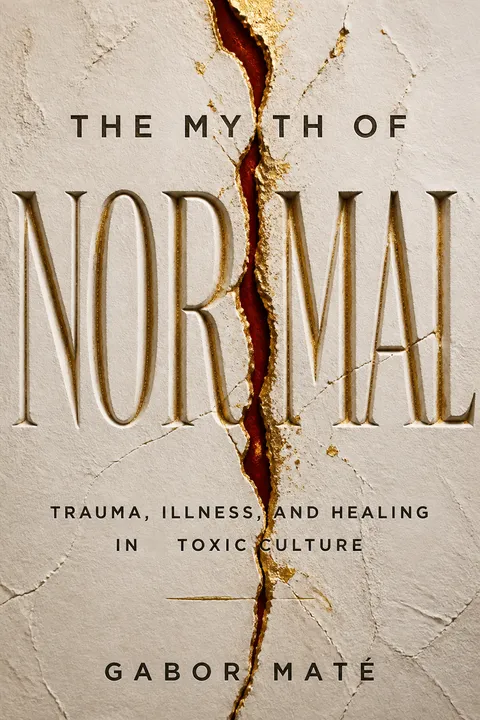

أهم النقاط
١. الصدمة تشكل صحتنا وشخصيتنا ومجتمعنا
الصدمة تعني فقدان الاتصال—بأنفسنا، وعائلاتنا، والعالم من حولنا.
تأثير الصدمة العميق. الصدمة ليست مقتصرة على الأحداث الكارثية فقط، بل تشمل أيضًا الصدمات الصغيرة اليومية مثل الإهمال العاطفي أو الشعور بعدم الرؤية. هذه التجارب تشكل شخصياتنا وصحتنا ومجتمعاتنا بطرق عميقة:
- الصحة الجسدية: تزيد الصدمة من خطر الإصابة بأمراض مزمنة مثل اضطرابات المناعة الذاتية والسرطان
- الصحة النفسية: قد تؤدي إلى القلق والاكتئاب والإدمان
- العلاقات: تؤثر الصدمة على قدرتنا على التواصل مع الآخرين وتكوين روابط صحية
- المجتمع: تشكل الصدمات الجماعية الأعراف الثقافية والأنظمة السياسية
مع ذلك، ليست آثار الصدمة مصيرًا محتمًا. بفهم تأثيراتها، يمكننا أن نبدأ رحلة الشفاء لأنفسنا ونبني مجتمعات أكثر صحة.
٢. العلاقة بين العقل والجسد أساسية للرفاهية
مشاعرنا ليست ترفًا بل جزءًا أساسيًا من تكويننا.
المشاعر تؤثر على الفسيولوجيا. العقل والجسد مرتبطان ارتباطًا وثيقًا، حيث تؤثر أفكارنا ومشاعرنا مباشرة على صحتنا الجسدية:
- هرمونات التوتر مثل الكورتيزول تؤثر على وظيفة المناعة والالتهاب وشيخوخة الخلايا
- المشاعر المكبوتة قد تظهر على شكل أعراض جسدية أو أمراض
- الحالات العاطفية الإيجابية تعزز وظيفة المناعة والصحة العامة
هذا الارتباط يعمل في كلا الاتجاهين – فالممارسات الجسدية مثل التمارين وتقنيات التنفس تحسن أيضًا الصحة النفسية والعاطفية. إدراك هذا الترابط ضروري للصحة الشاملة والشفاء.
٣. التجارب المبكرة تؤثر بعمق على الصحة مدى الحياة
بنية الدماغ تُبنى من خلال عملية مستمرة تبدأ قبل الولادة، وتمتد إلى مرحلة البلوغ، لتؤسس أساسًا قويًا أو هشًا لكل الصحة والتعلم والسلوك اللاحق.
الطفولة تشكل البلوغ. تجاربنا الأولى، حتى في الرحم، تلعب دورًا حاسمًا في تشكيل صحتنا الجسدية والنفسية طوال الحياة:
- التوتر قبل الولادة يؤثر على نمو الدماغ واستجابات التوتر المستقبلية
- علاقات التعلق المبكرة تؤثر على تنظيم العواطف وأنماط العلاقات
- تجارب الطفولة السلبية تزيد من خطر مشاكل صحية متعددة في البلوغ
عوامل رئيسية للتطور الصحي:
- رعاية متسقة ومتجاوبة
- أمان عاطفي ودعم
- فرص للعب والاستكشاف
فهم هذا التأثير التنموي يبرز أهمية دعم العائلات وخلق بيئات حاضنة للأطفال.
٤. الإدمان استجابة لاحتياجات وألم غير ملباة
لا تسأل لماذا الإدمان، بل لماذا الألم.
الإدمان كآلية مواجهة. بدلاً من أن يكون فشلًا أخلاقيًا أو مرضًا بيولوجيًا بحتًا، يُفهم الإدمان أفضل كجهد لتهدئة الألم وتلبية الاحتياجات غير الملباة:
- غالبًا ما تنبع جذوره من صدمات الطفولة أو الشدائد
- السلوكيات الإدمانية توفر راحة مؤقتة أو هروبًا من الألم العاطفي
- يصبح السلوك أو المادة بديلاً عن الاتصال الحقيقي والإشباع
هذا المنظور يحول التركيز من اللوم إلى التعاطف ويؤكد على معالجة الأسباب الجذرية في العلاج. تشمل الأساليب الفعالة:
- شفاء الصدمات
- بناء مهارات مواجهة صحية
- معالجة الاحتياجات العاطفية الأساسية
- خلق بيئات اجتماعية داعمة
٥. المرض النفسي يعكس تجارب الحياة وليس البيولوجيا فقط
الصدمة هي عندما لا يُرَينا ولا يُعرف عنا.
السياق مهم. رغم أن العوامل البيولوجية تلعب دورًا، إلا أن مشاكل الصحة النفسية تتشكل إلى حد كبير من تجارب الحياة والسياقات الاجتماعية:
- الصدمات في الطفولة تزيد من خطر مشاكل الصحة النفسية
- الضغوط الاجتماعية مثل الفقر والتمييز تؤثر على الرفاه النفسي
- التشخيصات غالبًا ما تعكس آليات مواجهة بدلاً من "اضطرابات" جوهرية
هذا الفهم يدعو إلى نهج أكثر شمولية للصحة النفسية:
- معالجة الأسباب الجذرية والظروف الحياتية
- رؤية الأعراض كاستجابات ذات معنى للتجارب
- التركيز على الشفاء والنمو بدلاً من مجرد إدارة الأعراض
٦. العوامل الاجتماعية مثل العنصرية وعدم المساواة تؤثر على الصحة
العنصرية، وليس العرق نفسه، تهدد حياة النساء والأطفال الأمريكيين من أصل أفريقي.
المحددات الاجتماعية للصحة. عوامل مثل العنصرية والفقر وعدم المساواة الاجتماعية لها تأثيرات عميقة على الصحة الجسدية والنفسية:
- التوتر المزمن الناتج عن التمييز يؤثر على عدة أنظمة جسدية
- محدودية الوصول إلى الموارد والرعاية الصحية تزيد من الفوارق الصحية
- الصدمات المتوارثة بين الأجيال تشكل نتائج صحة المجتمع
معالجة هذه القضايا تتطلب:
- الاعتراف بعدم المساواة النظامية
- تنفيذ سياسات لتقليل الفوارق
- خلق مجتمعات أكثر عدلاً وشمولية
الشفاء الفردي مرتبط بالشفاء الاجتماعي – يجب أن نعالج الصدمات الشخصية والجماعية معًا.
٧. الشفاء يتطلب إعادة الاتصال بذواتنا الحقيقية
الشفاء ليس مضمونًا، لكنه متاح.
استعادة الكمال. الشفاء هو رحلة لإعادة الاتصال بذواتنا الحقيقية وقدراتنا الفطرية على النمو والرفاهية:
الجوانب الأساسية لعملية الشفاء:
- الاعتراف بالمشاعر المكبوتة والشعور بها
- تحدي المعتقدات والقصص المقيدة
- تنمية التعاطف والقبول الذاتي
- إعادة الاتصال بالجسد وحكمته
- بناء علاقات حقيقية ومجتمع داعم
غالبًا ما تتضمن هذه العملية "المعاناة نحو الحقيقة" – مواجهة الحقائق المؤلمة لتحرير أنفسنا من قبضتها. رغم صعوبتها، تقود هذه الرحلة إلى مزيد من الأصالة والحيوية والاتصال.
٨. التعاطف هو مفتاح الشفاء الشخصي والاجتماعي
التعاطف هو ما يدفعنا من الخدر نحو الشفاء.
قوة التعاطف. تنمية التعاطف – مع أنفسنا، والآخرين، والمجتمع ككل – أمر أساسي للشفاء على جميع المستويات:
خمسة مستويات للتعاطف:
١. التعاطف الإنساني العادي: التأثر بالمعاناة
٢. الفضول والفهم: السعي لفهم الأسباب الجذرية
٣. الاعتراف: رؤية إنسانيتنا المشتركة
٤. التعاطف الحازم: اتخاذ إجراءات لمواجهة الظلم
٥. التعاطف الحكيم: موازنة التعاطف مع الحدود
ممارسة التعاطف لا تدعم الشفاء الفردي فحسب، بل تخلق أيضًا تأثيرات متسلسلة، تعزز مجتمعات ومجتمعات أكثر ترابطًا ورعاية.
ملخص المراجعات
يحظى كتاب "أسطورة الطبيعي" بتقييمات متباينة. يثني الكثيرون على نهج ماتيه الشمولي في الصحة، حيث يربط بين الصدمات النفسية والمجتمع والمرض. يقدّر القراء نقده للطب الغربي والرأسمالية. ومع ذلك، يرى البعض أن الكتاب طويل بشكل مفرط ومتكرر ويفتقر إلى الصرامة العلمية. ينتقد النقاد تبسيطه المفرط للقضايا المعقدة واعتماده الكبير على القصص الشخصية. يتفاعل العديد مع استكشاف الكتاب لصدمات الطفولة وتأثيراتها مدى الحياة، في حين يشعر آخرون أنه يحمّل الآباء مسؤولية زائدة. بشكل عام، يجد القراء أن الكتاب يثير التفكير لكنه يثير انقسامات في الآراء.
قرأ الآخرون أيضًا



الأسئلة الشائعة
What's The Myth of Normal about?
- Exploration of Health and Culture: Gabor Maté examines the deep connections between emotional well-being, social connectivity, and health. He argues that chronic illnesses reflect broader cultural and societal issues rather than just individual afflictions.
- Trauma and Its Impact: The book defines trauma as an "inner injury" affecting behavior and health, emphasizing its pervasive influence on mental and physical well-being in our culture.
- Holistic Approach to Healing: Maté advocates for understanding health through emotional, psychological, and social factors, suggesting that true healing requires addressing these interconnected aspects.
Why should I read The Myth of Normal?
- Insightful Perspective on Illness: The book challenges conventional views by integrating mental and physical health, encouraging readers to consider societal contributions to personal health issues.
- Empowerment Through Understanding: Understanding trauma's roots and effects can provide insights into personal and others' experiences, empowering individuals to seek healing and healthier relationships.
- Cultural Critique: Maté critiques modern health and wellness approaches, urging readers to question societal norms that may harm well-being and inspire change in their lives and communities.
What are the key takeaways of The Myth of Normal?
- Interconnectedness of Health: Health is influenced by social, emotional, and cultural contexts, not just individual concerns. Chronic illness is often a feature of societal structures.
- Role of Trauma: Trauma is a foundational aspect of many health issues, often avoided or misunderstood, and understanding it can lead to better health outcomes.
- Cultural Change for Healing: A shift in viewing health and illness is needed, advocating for a compassionate and holistic approach to health-related issues.
How does Gabor Maté define trauma in The Myth of Normal?
- Trauma as Inner Injury: Defined as a lasting rupture within the self due to difficult events, trauma is more about its impact than the events themselves.
- Pervasiveness of Trauma: Trauma is common and influences personal functioning and social relationships, encouraging reflection on personal and others' experiences.
- Impact on Health: Unresolved trauma can lead to chronic stress and illness, making it a significant contributor to various health issues throughout life.
How does The Myth of Normal address the concept of addiction?
- Addiction as a Response to Trauma: Addiction is framed as a coping mechanism for unresolved trauma, shifting the focus from moral failing to symptom.
- Cultural Factors in Addiction: Societal factors, such as materialism and isolation, significantly contribute to addiction, encouraging a broader understanding beyond individual choices.
- Pathways to Healing: Addressing underlying trauma is crucial for healing from addiction, with healing being possible when confronting root causes of suffering.
What is the relationship between stress and health in The Myth of Normal?
- Stress as a Health Hazard: Chronic stress leads to various health problems, highlighting the need to address stress in health discussions.
- Biopsychosocial Model: Health is influenced by relationships, social circumstances, history, and culture, encouraging a comprehensive understanding of health.
- Emotional Regulation: Stress affects emotional regulation, impacting physical health, with intergenerational effects seen in stressed adults and children.
What healing principles does Maté propose in The Myth of Normal?
- Authenticity: Emphasizes being true to oneself as a healing principle, leading to greater well-being and fulfillment.
- Agency: Encourages taking responsibility for one's life and choices, fostering empowerment and personal growth.
- Compassion: Highlights the role of compassion for oneself and others as essential for healing, facilitating deeper connections and promoting healing.
How does Maté suggest we reconnect with our authentic selves?
- Self-Reflection and Inquiry: Encourages asking questions like "What am I feeling?" to uncover true feelings and desires, fostering authenticity.
- Embracing Vulnerability: Emphasizes the importance of feeling and expressing emotions to reconnect with one's true self.
- Community and Connection: Supportive relationships are crucial for fostering authenticity, helping individuals feel safe to express their true selves.
How does The Myth of Normal critique modern parenting practices?
- Parenting in Isolation: Critiques isolated parenting as stressed parenting, highlighting the need for community support in raising children.
- Impact of Stress on Parenting: Parental stress negatively affects children's development, emphasizing the importance of addressing parental well-being.
- Cultural Expectations: Societal expectations often lead to a disconnect from instinctual knowledge, undermining parenting instincts.
What is Compassionate Inquiry as described in The Myth of Normal?
- Self-Reflection Method: A therapeutic approach focusing on self-exploration and understanding, encouraging open-ended questions about feelings and beliefs.
- Humility and Curiosity: Emphasizes approaching oneself with humility and curiosity for genuine exploration of one's inner world.
- Healing Through Connection: Aims to reconnect individuals with their authentic selves, addressing root causes of suffering for healing.
How does The Myth of Normal address the intersection of race, class, and health?
- Racial Disparities in Health: Discusses how systemic racism contributes to health disparities, leading to poorer outcomes for marginalized communities.
- Class and Economic Inequality: Highlights how economic status affects health, with lower-income individuals facing greater challenges.
- Intersectionality: Advocates for an intersectional approach to health, considering race, class, and gender dynamics to address health disparities effectively.
What are the best quotes from The Myth of Normal and what do they mean?
- "The entire social construct... is deeply flawed.": Critiques modern society, suggesting health issues stem from systemic problems rather than individual failings.
- "Health and illness are not random states...": Highlights that health is influenced by emotional and social environments, not purely biological.
- "Healing is not guaranteed, but it is available.": Offers hope that healing is possible through understanding and addressing root causes of suffering.
عن المؤلف


تحميل PDF
تحميل EPUB
.epub digital book format is ideal for reading ebooks on phones, tablets, and e-readers.








































