أهم النقاط
1. حاملو الدلاء مقابل بناة الأنابيب: اختر طريقك نحو الحرية المالية
"كان بابلو يخطط لبناء أنابيب في جميع أنحاء العالم!"
حاملو الدلاء هم من يبدلون وقتهم مقابل المال، يعملون من أجل مكاسب فورية لكن بأمان محدود على المدى الطويل. ويشملون:
- العمال بالساعة
- الموظفون برواتب ثابتة
- المهنيون العاملون لحسابهم الخاص
أما بناة الأنابيب فهم من يبتكرون أنظمة تولد دخلاً مستمراً، حتى عندما لا يكونون في حالة عمل نشط. ومن أمثلتهم:
- أصحاب الأعمال
- المستثمرون
- مبدعو الملكية الفكرية
يكمن الفرق الأساسي في العقلية: فحاملو الدلاء يركزون على المكاسب قصيرة الأجل، بينما يضع بناة الأنابيب أولوياتهم على تدفقات الدخل المستدامة طويلة الأمد. ومن خلال الانتقال من عقلية حمل الدلاء إلى بناء الأنابيب، يمكن للأفراد خلق حرية مالية وأمان دائمين.
2. فخ الوقت مقابل المال: لماذا تقدم الوظائف التقليدية أمانًا محدودًا
"المشكلة في حمل الدلاء هي أن المال يتوقف عندما يتوقف حمل الدلاء."
إمكانية دخل محدودة: عادةً ما تقدم الوظائف التقليدية راتبًا ثابتًا أو أجرًا بالساعة، مما يحد من إمكانيات الكسب بغض النظر عن الجهد أو القيمة المضافة.
التعرض للعوامل الخارجية:
- التباطؤ الاقتصادي
- إعادة هيكلة الشركات
- المشاكل الصحية
- التقدم التكنولوجي
حتى المهن ذات الأجور العالية مثل الأطباء والمحامين ليست بمنأى عن فخ الوقت مقابل المال. فرغم أنهم قد يكسبون أكثر في الساعة، إلا أنهم ما زالوا يبدلون وقتهم مقابل المال ويواجهون نفس القيود والمخاطر التي تواجه حامل الدلاء الآخرين. ولتحقيق الأمان المالي الحقيقي، يجب على الأفراد إيجاد طرق للتحرر من هذا الفخ وخلق مصادر دخل لا تعتمد مباشرة على وقتهم وجهدهم.
3. استثمار الوقت والمال: القوة الكامنة وراء الأنابيب الناجحة
"الاستثمار الذكي يسمح للناس بالعمل بذكاء وليس بجهد أكبر، وهو القوة الدافعة وراء كل أنبوب."
استثمار الوقت يعني مضاعفة تأثير جهودك من خلال:
- توظيف الموظفين
- إنشاء أنظمة وإجراءات
- استخدام التكنولوجيا
استثمار المال يركز على تعظيم العوائد على الاستثمارات مثل:
- الفائدة المركبة
- الاستثمارات العقارية
- استثمارات سوق الأسهم
يفهم بناة الأنابيب الناجحون كيفية استخدام كلا النوعين من الاستثمار بفعالية. ومن خلال استثمار الوقت والمال بشكل ذكي، يمكن للأفراد تحقيق نمو هائل في دخلهم وثروتهم. هذا النهج يتيح إنشاء مصادر دخل متعددة تستمر في توليد العوائد حتى بعد انتهاء الجهد الأولي.
4. أنبوب بالم بيتش: كيف يضاعف الأثرياء ثرواتهم
"سحر التراكم هو السبب في أن آلاف الورثة من عائلات كينيدي... دوبونت... فايرستون... فورد... روكفلر... وجيتي يمكنهم الاستمرار في حياة الرفاهية دون أن تنفد ثرواتهم."
قاعدة 72: صيغة بسيطة لحساب المدة التي يستغرقها الاستثمار ليتضاعف.
- قسّم 72 على معدل العائد السنوي
- مثال: عند عائد 10% سنويًا، يتضاعف الاستثمار خلال 7.2 سنوات
المبادئ الأساسية لأنبوب بالم بيتش:
- الاستثمار المستمر على مدى الزمن
- إعادة استثمار العوائد
- التنويع عبر أصول متعددة
رغم أن أنبوب بالم بيتش يتطلب عادة رأس مال كبير في البداية، إلا أن مفهوم التراكم يمكن تطبيقه من قبل أي شخص مستعد للبدء صغيرًا والاستمرار بثبات. ومن خلال فهم وتطبيق هذه المبادئ، يمكن حتى لمن لديهم دخل محدود بناء ثروة كبيرة مع مرور الوقت.
5. أنبوب الشعب: استثمار الوقت من أجل الاستقلال المالي
"الوقت يعادل الميدان بين الأغنياء وأصحاب الدخل المتوسط."
الجميع يمتلك نفس الـ 24 ساعة: على عكس المال، الوقت موزع بالتساوي، مما يجعله أداة قوية لبناء الثروة.
استراتيجيات استثمار الوقت:
- تطوير مهارات عالية القيمة
- إنشاء منتجات أو خدمات قابلة للتوسع
- بناء شبكة علاقات أو جمهور
يركز مفهوم أنبوب الشعب على أن الاستقلال المالي متاح لأي شخص مستعد لاستثمار وقته بحكمة. من خلال التركيز على الأنشطة التي تخلق قيمة طويلة الأمد ودخلًا متكررًا، يمكن للأفراد بناء أنابيب تستمر في توليد الدخل دون الحاجة إلى مشاركة نشطة مستمرة.
6. التراكم الإلكتروني: الأنبوب الأمثل في العصر الرقمي
"التراكم الإلكتروني هو التجارة الإلكترونية الجديدة والمحسنة!"
المكونات الأساسية للتراكم الإلكتروني:
- الأعمال التجارية عبر الإنترنت
- التسويق بالعمولة
- التسويق الشبكي
فوائد التراكم الإلكتروني:
- تكاليف بدء منخفضة
- الوصول العالمي
- قابلية التوسع
- إمكانية الأتمتة
يجمع التراكم الإلكتروني بين قوة التراكم التقليدي وسرعة وانتشار الإنترنت. يتيح هذا النهج للأفراد بناء أنابيب بسرعة وكفاءة، مستفيدين من التكنولوجيا لإنشاء مصادر دخل متعددة. ومن خلال التركيز على بناء العلاقات وتقديم القيمة عبر المنصات الرقمية، يمكن لأي شخص إنشاء عمل تجاري ناجح عبر الإنترنت يولد دخلاً متكررًا مستمرًا.
7. بناء أنابيب متعددة: موازنة الأهداف المالية قصيرة وطويلة الأجل
"عش اليوم، وخطط للغد."
الأنابيب قصيرة الأجل (خطة 5 سنوات):
- الأعمال التجارية الإلكترونية
- التسويق بالعمولة
- الاستثمارات ذات العائد العالي
الأنابيب طويلة الأجل (خطة 50 سنة):
- حسابات التقاعد (401k، IRA)
- استثمارات صناديق المؤشرات
- العقارات
النهج المثالي يجمع بين استراتيجيات الأنابيب قصيرة وطويلة الأجل. هذا التوازن يسمح للأفراد بالاستمتاع بنتائج جهودهم في وقت أقرب مع التخطيط لأمان مالي مستدام على المدى البعيد. ومن خلال التنويع عبر أنابيب متعددة، يمكن بناء قاعدة مالية قوية توفر دخلًا فوريًا وثروة دائمة.
ملخص المراجعات
يحظى كتاب "مثل الأنبوب" بتقييمات إيجابية إلى حد كبير، حيث يبلغ متوسط تقييمه 4.09 من 5. يشيد القراء برسالته البسيطة والقوية في الوقت ذاته حول بناء مصادر دخل سلبي. يجد الكثيرون أن الكتاب يفتح آفاقًا جديدة أمامهم، وينصحون به للمبتدئين في مجال التمويل الشخصي. يوضح المثل الذي يرويه عن بابلو وبرونو بشكل فعّال مفهوم خلق الثروة على المدى الطويل. بينما ينتقده البعض لبساطته وقلة النصائح العملية فيه، يثمن آخرون سهولة فهمه وسلاسة عرضه. كما يشير بعض المراجعين إلى وجود تشابهات مع كتب مالية أخرى وذكر استراتيجيات تسويق متعدد المستويات التي قد تكون قديمة.
قرأ الآخرون أيضًا

 تجربة غامرة




الأسئلة الشائعة
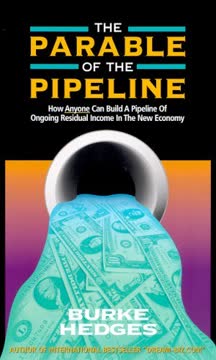
What's "The Parable of the Pipeline" about?
- Overview: "The Parable of the Pipeline" by Burke Hedges is a guide on building ongoing residual income in the new economy. It uses a parable to illustrate the difference between earning money through traditional jobs and creating wealth through pipelines.
- Parable Explanation: The book tells the story of two cousins, Pablo and Bruno, who are hired to carry water. While Bruno focuses on carrying buckets, Pablo builds a pipeline, which eventually provides him with ongoing income.
- Main Message: The book emphasizes the importance of creating systems that generate income continuously, even when you're not actively working, as opposed to trading time for money.
Why should I read "The Parable of the Pipeline"?
- Financial Freedom: The book provides insights into achieving financial independence by building income-generating systems.
- Practical Strategies: It offers practical strategies and proven methods for creating residual income, making it valuable for anyone looking to improve their financial situation.
- Mindset Shift: Reading this book can help shift your mindset from being a bucket carrier to a pipeline builder, encouraging long-term wealth creation.
What are the key takeaways of "The Parable of the Pipeline"?
- Residual Income: The book highlights the importance of building pipelines that generate ongoing income, rather than relying solely on active work.
- Leverage and Compounding: It explains how leveraging time and money can exponentially increase wealth through the power of compounding.
- Mindset and Consistency: The book stresses the need for a mindset shift towards long-term planning and the importance of consistency in building wealth.
What is the parable of Pablo and Bruno in "The Parable of the Pipeline"?
- Pablo's Vision: Pablo decides to build a pipeline to transport water, which eventually provides him with continuous income without the need for manual labor.
- Bruno's Approach: Bruno chooses to carry buckets, earning money only when he works, illustrating the limitations of trading time for money.
- Lesson Learned: The parable teaches the value of creating systems (pipelines) that work for you, providing financial security and freedom.
How does "The Parable of the Pipeline" define a pipeline?
- Pipeline Definition: A pipeline is a system or process that generates ongoing residual income, allowing you to earn money even when you're not actively working.
- Contrast with Bucket Carrying: Unlike bucket carrying, where income stops when work stops, pipelines continue to produce income over time.
- Examples: The book provides examples of pipelines, such as investments, businesses, and other income-generating systems.
What strategies does Burke Hedges suggest for building pipelines?
- Understand Wealth Creation: The first step is understanding how wealth is created and accumulated over time.
- Copy Proven Systems: Hedges advises copying proven systems of wealth creation that have worked for others.
- Consistency Over Time: Being consistent in your efforts is crucial for building a successful pipeline that generates ongoing income.
What is the role of leverage in "The Parable of the Pipeline"?
- Leverage Definition: Leverage involves using resources like time and money to multiply your efforts and results.
- Time and Money Leverage: The book explains how leveraging time and money can significantly increase productivity and income.
- Example of Leverage: The printing press is used as an example of how leverage can transform efforts into massive results.
How does "The Parable of the Pipeline" explain the concept of e-compounding?
- E-compounding Definition: E-compounding combines the exponential growth of compounding with the reach and speed of the Internet.
- Ultimate Pipeline: It is described as the ultimate pipeline, allowing individuals to build significant income streams through online networks.
- Potential for Growth: E-compounding leverages relationships and technology to create pipelines that can grow rapidly and provide substantial income.
What is the "50-Year Plan" vs. the "5-Year Plan" in "The Parable of the Pipeline"?
- 50-Year Plan: This plan involves long-term investing and compounding over decades to build wealth gradually.
- 5-Year Plan: The 5-year plan focuses on building pipelines quickly, using strategies like e-compounding to achieve financial freedom in a shorter time.
- Comparison: The book suggests that while long-term plans are essential, shorter-term pipelines can provide immediate benefits and financial security.
What are some of the best quotes from "The Parable of the Pipeline" and what do they mean?
- "Pipelines are your lifelines." This quote emphasizes the importance of creating systems that provide ongoing income and financial security.
- "Tomorrow's dreams are built on today's sacrifices." It highlights the need for short-term sacrifices to achieve long-term financial goals.
- "The only security is the security of a pipeline." This quote underscores the idea that true financial security comes from having income-generating systems in place.
How does "The Parable of the Pipeline" address the concept of financial security?
- Security Through Pipelines: The book argues that true financial security comes from building pipelines that generate income continuously.
- Vulnerability of Bucket Carriers: It highlights the vulnerability of relying solely on active work for income, as it stops when you stop working.
- Building Lifelines: By building pipelines, individuals can create lifelines that provide financial stability and freedom.
What is the significance of the Internet in "The Parable of the Pipeline"?
- Internet as a Tool: The Internet is presented as a powerful tool for building pipelines, offering unprecedented opportunities for income generation.
- E-commerce and Relationships: The book discusses how e-commerce and relationship-building can create loyal customers and ongoing income.
- Global Reach: The Internet's global reach allows individuals to build pipelines that can extend worldwide, providing significant financial potential.