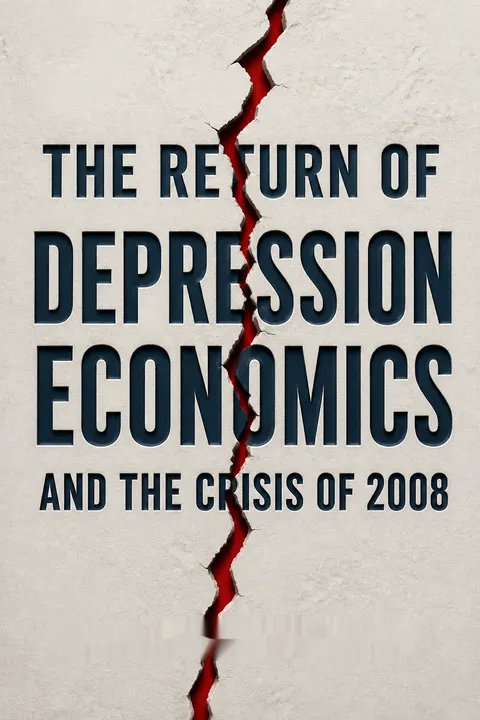

أهم النقاط
1. الأزمات الاقتصادية غالبًا ما تنشأ من فقاعات مالية وأنظمة مصرفية تدار بشكل سيء
تاريخ النظام المالي الأمريكي قبل الكساد الكبير مليء بـ"الذعر": ذعر 1873، وذعر 1907، وهكذا.
الفقاعات المالية هي ظواهر متكررة في التاريخ الاقتصادي، تتميز بـ:
- ارتفاع سريع في أسعار الأصول مثل الأسهم أو العقارات
- اعتقاد واسع النطاق بأن "هذه المرة مختلفة"
- استخدام مفرط للرافعة المالية والمخاطرة من قبل المستثمرين
- فقدان مفاجئ للثقة يؤدي إلى انهيار السوق
نقاط الضعف في النظام المصرفي تسهم في الأزمات الاقتصادية:
- نظام الاحتياطي الجزئي يخلق عدم استقرار جوهري
- الهجمات على البنوك قد تتحول إلى نبوءات تحقق ذاتها
- غياب التنظيم يسمح بالمخاطرة المفرطة
- المخاطر الأخلاقية تشجع على سلوك محفوف بالمخاطر عندما تتوقع البنوك إنقاذًا حكوميًا
تُظهر أمثلة تاريخية مثل الكساد الكبير العواقب المدمرة عندما تنفجر الفقاعات وتنهار الأنظمة المصرفية. الأزمات المالية الحديثة، مثل أزمة 2008 العالمية، غالبًا ما تتبع أنماطًا مماثلة، مما يؤكد أهمية التعلم من الأخطاء الماضية.
2. الأزمة المالية الآسيوية 1997-1998 كشفت عن نقاط ضعف في الأسواق الناشئة
الجواب الوحيد الذي يبدو منطقيًا لي، على الأقل، هو أن الأزمة لم تكن (أساسًا) عقابًا على الذنوب. كانت هناك إخفاقات حقيقية في هذه الاقتصادات، لكن الإخفاق الرئيسي كان الضعف أمام الذعر الذاتي التحقق.
تأثير العدوى: انتشرت الأزمة الآسيوية بسرعة عبر الدول بسبب:
- الأسواق المالية المترابطة
- الهياكل الاقتصادية المتشابهة في الدول المتأثرة
- فقدان ثقة المستثمرين في الأسواق الناشئة ككل
الضعف الهيكلي في الاقتصادات الآسيوية ساهم في الأزمة:
- الاعتماد المفرط على الدين الأجنبي قصير الأجل
- أنظمة سعر صرف ثابتة أصبحت غير مستدامة
- ضعف التنظيم والرقابة المالية
- الرأسمالية المحسوبية وغياب الشفافية
أظهرت الأزمة الآسيوية مدى سرعة تغير مزاج المستثمرين، مما أدى إلى هروب رؤوس الأموال وانهيارات في العملات. كما أبرزت أهمية وجود أنظمة مالية قوية وسياسات سعر صرف مرنة في الأسواق الناشئة. وقد دفعت هذه التجربة العديد من الدول إلى بناء احتياطيات نقدية أجنبية كوسادة ضد الأزمات المستقبلية.
3. الركود الاقتصادي في اليابان خلال التسعينيات كشف مخاطر الانكماش والفخاخ السيولة
لم تكن مشاكل اليابان حادة كما في دول آسيوية أخرى، لكنها استمرت لفترة أطول بكثير، وبمبررات أقل.
دوامة الانكماش: أظهرت تجربة اليابان كيف يمكن لانخفاض الأسعار أن يؤدي إلى:
- تأجيل الاستهلاك انتظارًا لانخفاض أكبر في الأسعار
- تقليل استثمارات الأعمال
- زيادة القيمة الحقيقية للديون، مما يثبط الإنفاق أكثر
تحديات فخ السيولة:
- تصبح السياسة النقدية التقليدية غير فعالة عندما تقترب أسعار الفائدة من الصفر
- صعوبة في تحفيز الاقتراض والإنفاق
- الحاجة إلى سياسات غير تقليدية مثل التيسير الكمي
أظهرت "العقد الضائع" في اليابان العواقب طويلة الأمد لعدم معالجة الاختلالات الاقتصادية بسرعة. كما أبرزت حدود السياسة النقدية في مكافحة الانكماش وأهمية التنسيق بين السياسات المالية والنقدية لمواجهة الانكماشات الاقتصادية الحادة.
4. صناديق التحوط والمضاربة على العملات يمكن أن تزعزع استقرار الاقتصادات بأكملها
كان صندوق كوانتوم قد راهن ضد تايلاند، لكن الكثيرين فعلوا ذلك أيضًا. واتضح أن هروب رؤوس الأموال المضاربة من ماليزيا تم بشكل كبير من قبل الماليزيين أنفسهم، وبالأخص بعض رجال الأعمال الذين ازدادوا ثراءً بفضل دعم مهاتير.
قوة صناديق التحوط:
- القدرة على اتخاذ مراكز كبيرة ومرتفعة الرافعة في الأسواق المالية
- يمكنها التأثير بشكل كبير على قيم العملات وأسعار الأصول
- غالبًا ما تعمل بشفافية وتنظيم محدودين
تأثيرات المضاربة على العملات:
- قد تؤدي إلى انخفاض سريع في قيمة عملة الدولة
- تجبر البنوك المركزية على استنزاف احتياطيات النقد الأجنبي
- قد تستلزم تعديلات اقتصادية مؤلمة (مثل رفع أسعار الفائدة)
تسلط أنشطة صناديق التحوط والمضاربين على العملات الضوء على التوتر بين حرية تدفق رؤوس الأموال والاستقرار الاقتصادي. فبينما توفر المضاربة سيولة السوق واكتشاف الأسعار، فإنها قد تزيد من هشاشة الاقتصاد وتؤدي إلى أزمات مالية. وهذا يثير تساؤلات حول مستوى التنظيم المناسب لهؤلاء الفاعلين الماليين الأقوياء.
5. النظام المصرفي الظل لعب دورًا حاسمًا في أزمة 2008 المالية
الجواب الوحيد المنطقي هو أن الأزمة لم تكن بسبب طريقة عمل العالم بشكل عام: بل كانت حالة "المكسيك هي المكسيك".
تعريف النظام المصرفي الظل:
- وسطاء ماليون غير بنكيين يؤدون وظائف شبيهة بالبنوك
- أمثلة: صناديق سوق المال، صناديق التحوط، المركبات الاستثمارية المنظمة
مخاطر النظام المصرفي الظل:
- غياب الرقابة التنظيمية وشبكات الأمان (مثل تأمين الودائع)
- رافعة مالية عالية وعدم تطابق في آجال الاستحقاق
- الترابط مع النظام المصرفي التقليدي
أدى نمو النظام المصرفي الظل في السنوات التي سبقت أزمة 2008 إلى خلق مخاطر نظامية لم تُقدّر بالكامل من قبل المنظمين أو المشاركين في السوق. وعندما اندلعت الأزمة، تسبب انهيار كيانات مثل بير ستيرنز وليمان براذرز في انهيار مالي أوسع. وأبرزت هذه التجربة الحاجة إلى تنظيم أشمل لكل الكيانات التي تمارس أنشطة شبيهة بالبنوك.
6. تواجه البنوك المركزية تحديات في إدارة الأزمات المالية الحديثة
مع تطور الأزمة، واجه بنك الاحتياطي الفيدرالي بقيادة بيرنانكي صعوبة كبيرة في تحقيق أي تأثير على الأسواق المالية أو الاقتصاد ككل.
حدود السياسة النقدية التقليدية:
- قد تكون خفض أسعار الفائدة غير فعالة في الأزمات الحادة
- صعوبة في التأثير على أسواق الائتمان الأوسع
- تحدي معالجة مشاكل النظام المصرفي الظل
أدوات السياسة غير التقليدية:
- التيسير الكمي (شراء الأصول على نطاق واسع)
- التوجيه المستقبلي للسياسة النقدية
- الإقراض المباشر للمؤسسات غير المصرفية
أظهرت أزمة 2008 وما تلاها تعقيدات تواجهها البنوك المركزية في إدارة الأنظمة المالية الحديثة. فالأدوات التقليدية مثل تعديل أسعار الفائدة لم تكن كافية، مما اضطر البنوك المركزية لتجربة أساليب جديدة. وأدى ذلك إلى نقاشات مستمرة حول الدور والأدوات المناسبة للبنوك المركزية في الحفاظ على الاستقرار المالي.
7. الترابط الاقتصادي العالمي يضاعف تأثير الأزمات المالية
الجواب هو أنها أدت إلى انهيار النظام المصرفي الظل.
آليات العدوى:
- الروابط التجارية الدولية
- الأسواق المالية العالمية وتدفقات رؤوس الأموال
- مزاج المستثمرين وتجنب المخاطر
تأثيرات التضخيم:
- تقلبات العملات التي تؤثر على تنافسية التجارة
- التعرضات المصرفية عبر الحدود
- اضطرابات في سلاسل التوريد العالمية
يعني الترابط الاقتصادي العالمي أن الأزمات المالية في منطقة ما يمكن أن تنتشر بسرعة إلى أنحاء العالم. وكان ذلك واضحًا في كيفية تطور أزمة الرهن العقاري الأمريكي إلى انهيار مالي عالمي. وأبرزت هذه التجربة الحاجة إلى التعاون الدولي في تنظيم الأسواق المالية وإدارة الأزمات.
8. التنظيم والرقابة ضروريان لمنع عدم الاستقرار المالي
كان يجب على الشخصيات المؤثرة أن تعلن قاعدة بسيطة: أي شيء يفعل ما تفعله البنوك، وأي شيء يحتاج إلى إنقاذ في الأزمات كما البنوك، يجب أن يخضع لتنظيم كالبنك.
الأولويات التنظيمية الرئيسية:
- معالجة المخاطر النظامية في النظام المالي
- تحسين الشفافية والإفصاح
- تعزيز متطلبات رأس المال والسيولة
- تطوير آليات فعالة لحل المؤسسات المتعثرة
تحديات التنظيم:
- مواكبة الابتكار المالي
- الموازنة بين الاستقرار والنمو الاقتصادي والابتكار
- تنسيق التنظيم عبر الحدود
- معالجة التحايل التنظيمي
كشفت أزمة 2008 عن ثغرات كبيرة في الإطار التنظيمي للنظام المالي. وسعت الإصلاحات اللاحقة، مثل قانون دود-فرانك في الولايات المتحدة، إلى معالجة هذه القصور. ومع ذلك، تستمر النقاشات حول المستوى والشكل المناسبين للتنظيم لمنع الأزمات المستقبلية مع دعم النمو الاقتصادي والابتكار.
ملخص المراجعات
يحظى كتاب "عودة اقتصاديات الاكتئاب وأزمة 2008" بتقييمات متباينة. يثني الكثيرون على قدرة كروغمان في تبسيط المفاهيم الاقتصادية المعقدة، لا سيما من خلال استخدامه لتشبيه تعاونية رعاية الأطفال، الذي يسهل فهم الأفكار الصعبة. كما يقدر القراء تحليلاته العميقة للأزمات المالية المتعددة وصلتها بالركود الاقتصادي لعام 2008. مع ذلك، يرى بعض النقاد أن الكتاب مبسط بشكل مفرط ويفتقر إلى حلول عملية ملموسة. ويجادل هؤلاء بأن النهج الكينزي الذي يتبناه كروغمان يعاني من قصور، في حين يثمن مؤيدوه وضوح تحليله للقضايا الاقتصادية. وبشكل عام، يُعتبر الكتاب مصدرًا غنيًا بالمعلومات، لكنه قد يشكل تحديًا لمن لا يمتلكون خلفية في الاقتصاد.
قرأ الآخرون أيضًا








الأسئلة الشائعة
What's "The Return of Depression Economics and the Crisis of 2008" about?
- Overview: The book by Paul Krugman explores the economic crises of the late 20th and early 21st centuries, focusing on the 2008 financial crisis.
- Historical Context: It draws parallels between the Great Depression and modern economic challenges, emphasizing recurring patterns in financial instability.
- Key Themes: Krugman discusses the role of government intervention, the dangers of unregulated markets, and the impact of global financial systems.
- Purpose: The book aims to provide insights into how economic policies can prevent or exacerbate financial crises.
Why should I read "The Return of Depression Economics and the Crisis of 2008"?
- Understanding Crises: It offers a comprehensive analysis of economic downturns, helping readers understand the causes and consequences of financial crises.
- Expert Perspective: Written by a Nobel Prize-winning economist, the book provides authoritative insights into economic theory and policy.
- Relevance: The lessons from the 2008 crisis are applicable to current and future economic challenges, making it a valuable resource for understanding ongoing financial issues.
- Policy Implications: It discusses the importance of government intervention and regulation in stabilizing economies, which is crucial for policymakers and economists.
What are the key takeaways of "The Return of Depression Economics and the Crisis of 2008"?
- Role of Government: Effective government intervention is crucial in preventing and mitigating financial crises.
- Market Instability: Unregulated markets can lead to speculative bubbles and financial instability, necessitating oversight.
- Globalization Risks: The interconnectedness of global economies can spread financial crises rapidly, highlighting the need for international cooperation.
- Lessons from History: Understanding past economic crises, like the Great Depression, can inform better policy decisions today.
What are the best quotes from "The Return of Depression Economics and the Crisis of 2008" and what do they mean?
- "We have magneto trouble": This quote by Keynes, referenced by Krugman, suggests that economic issues are technical and solvable, not fundamental flaws in capitalism.
- "The world economy has turned out to be a much more dangerous place than we imagined": This highlights the unexpected vulnerabilities in the global financial system.
- "Depression economics is back": Krugman emphasizes that the challenges of insufficient demand and financial instability, reminiscent of the Great Depression, have returned.
- "The true scarcity...was therefore not of resources, or even of virtue, but of understanding": This underscores the importance of economic knowledge and policy in addressing crises.
How does Paul Krugman explain the 2008 financial crisis in "The Return of Depression Economics and the Crisis of 2008"?
- Housing Bubble: Krugman attributes the crisis to a housing bubble fueled by subprime lending and financial speculation.
- Shadow Banking System: He highlights the role of unregulated financial institutions that acted like banks but without the safeguards.
- Global Financial Integration: The crisis was exacerbated by the interconnectedness of global financial markets, leading to widespread contagion.
- Policy Failures: Krugman criticizes inadequate regulatory oversight and delayed government intervention as factors that worsened the crisis.
What lessons does "The Return of Depression Economics and the Crisis of 2008" offer for preventing future financial crises?
- Regulation is Key: Strong regulatory frameworks are essential to prevent excessive risk-taking and speculative bubbles.
- Government Intervention: Timely and decisive government action can stabilize economies during crises.
- Global Cooperation: International coordination is necessary to manage the risks of financial globalization.
- Learning from History: Policymakers should draw lessons from past crises to avoid repeating mistakes.
How does Krugman compare the 2008 crisis to the Great Depression in "The Return of Depression Economics and the Crisis of 2008"?
- Similarities: Both crises involved severe financial instability, bank failures, and a collapse in demand.
- Differences: The 2008 crisis was mitigated by more effective government intervention and a better understanding of economic policy.
- Policy Responses: Krugman notes that unlike the 1930s, modern policymakers were quicker to implement fiscal and monetary measures.
- Global Impact: The 2008 crisis had a more immediate global impact due to the interconnectedness of modern economies.
What role does globalization play in the financial crises discussed in "The Return of Depression Economics and the Crisis of 2008"?
- Spread of Crises: Globalization allows financial crises to spread rapidly across borders, affecting multiple economies.
- Capital Flows: Unregulated international capital flows can lead to speculative bubbles and sudden reversals, destabilizing economies.
- Policy Challenges: Globalization complicates national economic policy, requiring international cooperation and coordination.
- Vulnerability: Emerging markets are particularly vulnerable to global financial shocks, as seen in the 1997 Asian crisis and 2008 global crisis.
How does Krugman address the concept of "depression economics" in "The Return of Depression Economics and the Crisis of 2008"?
- Definition: Depression economics refers to situations where demand-side failures limit economic prosperity, reminiscent of the Great Depression.
- Relevance: Krugman argues that such conditions have returned, requiring a focus on stimulating demand and preventing financial instability.
- Policy Implications: He advocates for Keynesian policies, including government spending and intervention, to address these challenges.
- Economic Understanding: Krugman emphasizes the need for a better understanding of economic mechanisms to prevent and manage crises.
What criticisms does Krugman have of economic policies leading up to the 2008 crisis in "The Return of Depression Economics and the Crisis of 2008"?
- Lack of Regulation: He criticizes the deregulation of financial markets, which allowed excessive risk-taking and speculation.
- Inadequate Oversight: Krugman points out the failure to regulate the shadow banking system, which contributed to the crisis.
- Delayed Response: He argues that policymakers were slow to recognize the severity of the crisis and implement necessary interventions.
- Ideological Bias: Krugman suggests that an overreliance on free-market ideology prevented effective policy measures.
How does "The Return of Depression Economics and the Crisis of 2008" suggest we reform the financial system?
- Extend Regulation: Krugman advocates for extending regulation to cover the shadow banking system and other non-bank financial institutions.
- Strengthen Oversight: He calls for stronger oversight of financial markets to prevent excessive risk-taking and speculative bubbles.
- International Coordination: Krugman emphasizes the need for global cooperation in regulating financial markets and managing crises.
- Learning from the Past: He suggests drawing lessons from the Great Depression and other crises to inform future policy decisions.
What is the significance of the title "The Return of Depression Economics and the Crisis of 2008"?
- Historical Parallel: The title suggests a return to economic conditions similar to those of the Great Depression, with a focus on demand-side failures.
- Crisis Focus: It highlights the 2008 financial crisis as a key event that brought depression economics back into relevance.
- Policy Implications: The title implies a need to revisit and apply Keynesian economic principles to address modern financial challenges.
- Warning: Krugman uses the title to warn of the dangers of ignoring the lessons of history and the importance of effective economic policy.
عن المؤلف


تحميل PDF
تحميل EPUB
.epub digital book format is ideal for reading ebooks on phones, tablets, and e-readers.








































