أهم النقاط
1. عش بأقل من دخلك وادخر جزءًا منه
"جزء من كل ما تكسبه هو لك لتحتفظ به."
تحكم في مصاريفك. أساس بناء الثروة يكمن في إنفاق أقل مما تكسبه والادخار المستمر لجزء من دخلك. يتطلب هذا الأمر انضباطًا وغالبًا ما يعني اتخاذ قرارات صعبة بين الرغبات والاحتياجات.
طوّر عادة الادخار. ابدأ بادخار ما لا يقل عن 10% من دخلك، مهما بدا هذا المبلغ صغيرًا. مع مرور الوقت، ستتراكم هذه العادة وتنمو لتصبح ثروة كبيرة. تذكر، ليس المهم كم تكسب، بل كم تحتفظ به هو ما يحدد مستقبلك المالي.
- ضع ميزانية لتتبع الدخل والمصروفات
- حدد المجالات التي يمكنك تقليل الإنفاق فيها
- اجعل الادخار تلقائيًا ليصبح جزءًا لا يتجزأ من روتينك المالي
2. استثمر بحكمة لتجعل أموالك تعمل من أجلك
"اجعل ذهبك يتكاثر."
افهم أساسيات الاستثمار. الادخار وحده لا يكفي؛ يجب أن تجعل أموالك تعمل من خلال استثمارات حكيمة. وهذا يعني فهم أنواع الاستثمارات المختلفة ومخاطرها ومكافآتها المحتملة.
نوّع محفظتك الاستثمارية. لا تضع كل بيضك في سلة واحدة. وزع استثماراتك عبر فئات أصول متعددة لتقليل المخاطر وزيادة العوائد المحتملة. تذكر أن الاستثمار لعبة طويلة الأمد، والصبر هو مفتاح النجاح.
- ابحث عن خيارات استثمارية متنوعة (أسهم، سندات، عقارات، وغيرها)
- استشر خبراء ماليين عند الحاجة
- راجع محفظتك الاستثمارية بانتظام وأعد توازنها
3. اطلب المعرفة والنصيحة من الخبراء
"الرجل الحكيم يتعلم من أخطائه، والأكثر حكمة يتعلم من أخطاء الآخرين."
التعلم المستمر. الحكمة المالية لا تأتي تلقائيًا لمعظم الناس. من الضروري أن تستمر في تعليم نفسك حول إدارة المال والاستثمار. اقرأ الكتب، واحضر الندوات، وابقَ مطلعًا على الاتجاهات والاستراتيجيات المالية.
ابحث عن مرشدين. تواصل مع أشخاص حققوا النجاح المالي الذي تطمح إليه وتعلم من تجاربهم. يمكن لرؤاهم أن تساعدك على تجنب الأخطاء الشائعة وتسريع رحلتك نحو الثراء.
- ضع قائمة بالكتب والمقالات المالية للقراءة
- انضم إلى نوادي الاستثمار أو المجتمعات الإلكترونية لتبادل المعرفة
- فكر في العمل مع مستشار مالي للحصول على توجيه شخصي
4. ادفع لنفسك أولاً: قوة الادخار قبل الإنفاق
"ادفع لنفسك أولاً."
أعطِ الادخار الأولوية. قبل دفع الفواتير أو الإنفاق الترفيهي، خصص جزءًا من دخلك للادخار والاستثمار. هذا يضمن بناء ثروتك باستمرار بغض النظر عن الالتزامات المالية الأخرى.
اجعل العملية تلقائية. قم بإعداد تحويلات تلقائية إلى حسابات الادخار أو الاستثمار فور استلام دخلك. هذا يزيل الإغراء لإنفاق المال في أماكن أخرى ويجعل الادخار جزءًا لا يتجزأ من روتينك المالي.
- اعتبر الادخار أهم "فاتورة" لديك
- ابدأ بنسبة صغيرة وزدها تدريجيًا مع الوقت
- استخدم حسابات منفصلة لأهداف مالية مختلفة (مثل صندوق الطوارئ، التقاعد، وغيرها)
5. احمِ ثروتك من خلال التخطيط الدقيق والتأمين
"احرس كنوزك من الخسارة."
إدارة المخاطر. بناء الثروة مهم، لكن حمايتها لا يقل أهمية. حدد المخاطر المحتملة على وضعك المالي واتخذ خطوات لتقليلها.
التأمين المناسب. تأكد من وجود تغطية تأمينية كافية للصحة، الحياة، الممتلكات، والمسؤوليات. هذا يحمي أصولك ويمنع الأحداث غير المتوقعة من عرقلة تقدمك المالي.
- أنشئ صندوق طوارئ يغطي نفقات 3-6 أشهر
- راجع وحدث وثائق التأمين بانتظام
- فكر في التخطيط العقاري لحماية ثروتك للأجيال القادمة
6. زد من قدرتك على الكسب من خلال التعلم المستمر
"كلما عرفنا أكثر من الحكمة، زاد ما يمكننا كسبه."
استثمر في نفسك. قدرتك على الكسب مرتبطة مباشرة بمهاراتك ومعرفتك. استمر في الاستثمار في تعليمك وتطويرك الشخصي لزيادة قيمتك في سوق العمل.
طوّر مهارات قابلة للتسويق. تابع اتجاهات الصناعة واكتسب مهارات مطلوبة بشدة. هذا لا يجعلك أكثر قيمة لأصحاب العمل فحسب، بل يفتح أيضًا فرصًا للأعمال الجانبية أو ريادة الأعمال.
- خصص وقتًا وموارد للتعليم المستمر
- احضر ورش عمل ومؤتمرات وفعاليات تواصل
- فكر في الحصول على شهادات أو درجات متقدمة في مجالك
7. أنشئ مصادر دخل متعددة لأمان مالي أكبر
"ازدهارنا كأمة يعتمد على الازدهار المالي الشخصي لكل منا كأفراد."
نوّع مصادر دخلك. الاعتماد على مصدر دخل واحد قد يكون محفوفًا بالمخاطر. استكشف فرصًا لإنشاء مصادر دخل إضافية من خلال أعمال جانبية، استثمارات، أو مصادر دخل سلبي.
ابدأ صغيرًا ووسع تدريجيًا. ابدأ بمشاريع جانبية قابلة للإدارة تتناسب مع مهاراتك واهتماماتك. مع اكتساب الخبرة والثقة، قم بتوسيع هذه المشاريع لتحقيق دخل إضافي كبير.
- استكشف فرص العمل في اقتصاد الوظائف المؤقتة
- فكر في الدخل من الإيجارات العقارية
- طور منتجات رقمية أو دورات عبر الإنترنت في مجال خبرتك
8. أهمية تحديد أهداف مالية واضحة
"حيثما توجد العزيمة، يُمكن إيجاد الطريق."
حدد أهدافك. الأهداف المالية الواضحة والمحددة توفر اتجاهًا ودافعًا في رحلتك لبناء الثروة. سواء كان التقاعد المبكر، شراء منزل، أو بدء عمل تجاري، وجود أهداف ملموسة يساعدك على التركيز.
ضع خططًا قابلة للتنفيذ. قسم أهدافك طويلة الأمد إلى مراحل صغيرة قابلة للتحقيق. هذا يجعل العملية أقل إرهاقًا ويسمح لك بتتبع تقدمك بشكل أفضل.
- استخدم معايير SMART لتحديد الأهداف (محددة، قابلة للقياس، قابلة للتحقيق، ذات صلة، محددة زمنياً)
- راجع أهدافك بانتظام وعدلها حسب تغير الظروف
- احتفل بالانتصارات الصغيرة للحفاظ على الدافع
9. تجنب خطط الثراء السريع وركز على النمو المستدام
"الثروة التي تأتي بسرعة تذهب بنفس السرعة."
احذر الوعود غير الواقعية. خطط الثراء السريع غالبًا ما تعد بعوائد عالية مع جهد أو مخاطر قليلة. في الواقع، تؤدي عادة إلى خسائر مالية وخيبة أمل.
احتضن الصبر والاستمرارية. بناء ثروة دائمة يتطلب وقتًا وجهدًا مستمرًا. ركز على النمو المستدام والثابت بدلاً من محاولة الثراء بين عشية وضحاها.
- ابحث جيدًا قبل اتخاذ أي قرارات استثمارية
- كن متشككًا تجاه الفرص التي تبدو جيدة جدًا لتكون حقيقية
- تذكر أن الخطوات الصغيرة والمتواصلة غالبًا ما تؤدي إلى نتائج كبيرة على المدى الطويل
10. قوة الفائدة المركبة في بناء الثروة
"وجدت طريق الثروة عندما قررت أن جزءًا من كل ما أكسبه هو لي لأحتفظ به."
افهم الفائدة المركبة. يُطلق على هذا المفهوم أحيانًا "العجيبة الثامنة في العالم". هو العملية التي تنمو بها أموالك بشكل أُسّي مع مرور الوقت، حيث تكسب عوائد ليس فقط على استثمارك الأصلي، بل أيضًا على الفوائد المتراكمة.
ابدأ مبكرًا وكن مستمرًا. كلما بدأت الاستثمار مبكرًا، زاد الوقت الذي تتاح فيه أموالك لتتراكم وتنمو. حتى الاستثمارات الصغيرة المنتظمة يمكن أن تؤدي إلى ثروة كبيرة على المدى الطويل.
- استخدم حاسبات الفائدة المركبة لتصور النمو المحتمل
- أعد استثمار الأرباح والفوائد لتعظيم التراكم
- تحلَّ بالصبر ودع الوقت يعمل لصالحك في تحقيق معجزة الفائدة المركبة
ملخص المراجعات
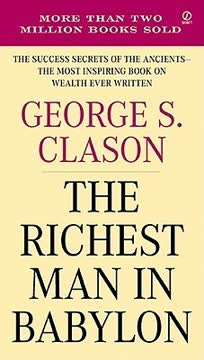
يحظى كتاب "أغنى رجل في بابل" بتقييمات إيجابية إلى حد كبير، نظرًا لنصائحه المالية البسيطة التي تتسم بالخلود، والتي يقدمها من خلال قصص مشوقة تدور أحداثها في بابل القديمة. يثمن القراء أسلوبه السلس في تعليم مبادئ إدارة المال الأساسية مثل الادخار، والاستثمار الحكيم، والعيش بما يقل عن الدخل. ورغم أن بعض النقاد يرون أن اللغة المستخدمة قديمة والنصائح متكررة، إلا أن الكثيرين ما زالوا يوصون به كمدخل ممتاز لفهم التمويل الشخصي، لا سيما للشباب. ويُعزى استمرار شعبيته إلى حكمته العملية وطريقة السرد القصصي التي يعتمدها.
قرأ الآخرون أيضًا
 تجربة غامرة
 تجربة غامرة
 تجربة غامرة
 تجربة غامرة
 تجربة غامرة
الأسئلة الشائعة
What's "The Richest Man in Babylon" about?
- Timeless financial wisdom: "The Richest Man in Babylon" by George S. Clason is a collection of parables set in ancient Babylon, offering timeless financial advice.
- Wealth-building principles: The book focuses on wealth-building principles through stories of characters like Arkad, the richest man in Babylon, and others.
- Practical financial lessons: It provides practical lessons on saving, investing, and managing money, using engaging narratives to convey its messages.
- Historical context: The book also gives a glimpse into the historical and cultural context of ancient Babylon, enhancing the storytelling.
Why should I read "The Richest Man in Babylon"?
- Proven financial strategies: The book offers proven financial strategies that have helped countless readers achieve financial success over the years.
- Engaging storytelling: Its parables make complex financial concepts easy to understand and apply in real life.
- Timeless advice: The advice is timeless and applicable to modern financial challenges, making it relevant for today's readers.
- Inspiration for financial growth: It inspires readers to take control of their financial future and build wealth through discipline and smart decision-making.
What are the key takeaways of "The Richest Man in Babylon"?
- Pay yourself first: The book emphasizes the importance of saving at least 10% of your income before spending on anything else.
- Control your expenses: It advises controlling expenditures to ensure you live within your means and can save consistently.
- Invest wisely: The book highlights the importance of making your money work for you through wise investments.
- Seek financial advice: It encourages seeking advice from those experienced in handling money to avoid financial pitfalls.
What are the "Seven Cures for a Lean Purse" in "The Richest Man in Babylon"?
- Start thy purse to fattening: Save at least 10% of your income.
- Control thy expenditures: Live within your means and budget wisely.
- Make thy gold multiply: Invest your savings to generate more income.
- Guard thy treasures from loss: Protect your investments from risky ventures.
- Make of thy dwelling a profitable investment: Own your home to reduce living costs.
- Insure a future income: Plan for retirement and future financial security.
- Increase thy ability to earn: Continuously improve your skills and earning potential.
What are the "Five Laws of Gold" in "The Richest Man in Babylon"?
- First Law: Save at least 10% of your earnings to build wealth.
- Second Law: Invest your savings wisely to generate more income.
- Third Law: Seek advice from experienced individuals before investing.
- Fourth Law: Avoid investments in unfamiliar or risky ventures.
- Fifth Law: Be wary of schemes promising unrealistic returns.
Who is Arkad in "The Richest Man in Babylon"?
- Richest man in Babylon: Arkad is the central character known as the richest man in Babylon.
- Wise teacher: He shares his financial wisdom and experiences with others, teaching them how to build wealth.
- Parable protagonist: Through his story, the book illustrates key financial principles and strategies.
- Role model: Arkad serves as a role model for financial success, demonstrating the power of discipline and smart money management.
How does "The Richest Man in Babylon" use parables to teach financial lessons?
- Engaging narratives: The book uses engaging parables set in ancient Babylon to convey financial lessons.
- Relatable characters: Characters like Arkad, Bansir, and Kobbi make the lessons relatable and memorable.
- Moral lessons: Each parable concludes with a moral lesson that reinforces the financial principles discussed.
- Timeless appeal: The use of parables gives the book a timeless appeal, making its lessons easy to understand and apply.
What is the significance of "Acres of Diamonds" in the bonus material?
- Inspirational lecture: "Acres of Diamonds" is an inspirational lecture by Russell H. Conwell included as bonus material.
- Central theme: The central theme is that opportunities for wealth and success are often found in one's own backyard.
- Self-discovery: It encourages readers to recognize and utilize their existing resources and talents.
- Legacy of success: The lecture has inspired millions and emphasizes the potential for success within each individual.
What are the best quotes from "The Richest Man in Babylon" and what do they mean?
- "Pay yourself first." This quote emphasizes the importance of saving a portion of your income before spending on anything else.
- "Wealth, like a tree, grows from a tiny seed." It highlights the idea that small, consistent savings can grow into significant wealth over time.
- "Gold flees the man who would force it to impossible earnings." This warns against chasing unrealistic investment returns and the risks involved.
- "A part of all you earn is yours to keep." It underscores the principle of saving a portion of your income to build financial security.
How does "The Richest Man in Babylon" address the concept of luck in wealth-building?
- Goddess of Good Luck: The book introduces the concept of the Goddess of Good Luck, emphasizing that luck favors those who take action.
- Opportunity and preparation: It suggests that good luck often comes to those who are prepared and seize opportunities.
- Action over chance: The book encourages readers to focus on actions and decisions rather than relying solely on luck.
- Consistent effort: It highlights the importance of consistent effort and smart decision-making in attracting good fortune.
What role does discipline play in the financial advice given in "The Richest Man in Babylon"?
- Foundation of success: Discipline is portrayed as the foundation of financial success throughout the book.
- Consistent saving: It emphasizes the need for disciplined saving habits to build wealth over time.
- Controlled spending: Discipline in controlling expenses is crucial to living within one's means and saving effectively.
- Long-term focus: The book encourages a disciplined, long-term approach to investing and wealth-building.
How can "The Richest Man in Babylon" be applied to modern financial challenges?
- Timeless principles: The book's principles of saving, investing, and managing money are timeless and applicable to modern financial challenges.
- Budgeting and saving: It provides practical advice on budgeting and saving, which are relevant in today's economic environment.
- Investment strategies: The book's investment strategies can guide readers in making informed financial decisions.
- Financial literacy: It promotes financial literacy and encourages readers to seek knowledge and advice to navigate modern financial complexities.