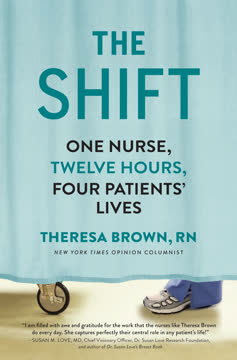
أهم النقاط
1. طبيعة التمريض المتطلبة: التوازن بين رعاية عدة مرضى ومهام متعددة
"أغمض عيني للمرة الأخيرة، أشعر بالراحة وأنا أطفو في ظلمة دافئة، آرثر، زوجي، نائم بجانبي. لن يكون هناك أي استرخاء بمجرد أن أصل إلى أرض المستشفى."
تعدد المهام ضرورة لا غنى عنها. يضطلع الممرضون بعدد كبير من المسؤوليات في آن واحد، من إعطاء الأدوية إلى مراقبة العلامات الحيوية، وتهدئة المرضى، والتنسيق مع الأطباء. هذا التوازن المستمر يتطلب مهارات تنظيمية استثنائية، وقدرة على تحديد الأولويات، والمرونة في التكيف مع المواقف المتغيرة بسرعة.
الانتباه للتفاصيل أمر حاسم. حتى الأخطاء الصغيرة قد تترتب عليها عواقب جسيمة في رعاية المرضى. يجب على الممرضين الحفاظ على تركيز عالٍ طوال فترة عملهم، مع التحقق المزدوج من جرعات الأدوية، ومراقبة المرضى بدقة لأي تغيرات في حالتهم، وتوثيق كل شيء بعناية.
إدارة الوقت أمر بالغ الأهمية. مع وجود عدة مرضى يحتاجون إلى العناية، يجب على الممرضين تخصيص وقتهم ومواردهم بكفاءة. وغالبًا ما يتطلب ذلك اتخاذ قرارات صعبة بشأن المهام التي يجب أن تُعطى الأولوية وكيفية تلبية احتياجات جميع المرضى تحت رعايتهم بأفضل شكل ممكن.
2. العبء العاطفي لرعاية المرضى في حالات حرجة
"كنت في إجازة لبضعة أيام ولا أذهب إلى النوم مبكرًا بما يكفي قبل أول وردية لي. هذه هي مشكلة كوني شخصًا يحب السهر."
الإرهاق العاطفي أمر شائع. يشهد الممرضون بانتظام معاناة شديدة، والموت، وعائلات في حالة حزن. هذا التعرض المستمر للألم والخسارة الإنسانية قد يؤدي إلى إرهاق الرحمة والاحتراق النفسي إذا لم يُدار بشكل صحيح.
آليات التكيف ضرورية. يطور الممرضون استراتيجيات متنوعة للتعامل مع الضغط العاطفي في عملهم:
- الفصل بين مشاعر العمل والحياة الشخصية
- الدعم المتبادل بين الزملاء الذين يفهمون التجربة
- روتين العناية الذاتية لتعزيز الصحة النفسية والجسدية
- اللجوء إلى الاستشارات المهنية عند الحاجة لمعالجة التجارب الصعبة
المرونة تُبنى مع الوقت. يتعلم الممرضون ذوو الخبرة موازنة التعاطف مع وضع حدود عاطفية، مما يمكنهم من تقديم رعاية رحيمة دون أن يغمرهم شعور كل حالة على حدة.
3. أهمية التعاطف والاتصال الإنساني في الرعاية الصحية
"اللمس يربط بين جوهر الإنسانية لدى الممرض والمريض، مذكرًا إياي بأننا شخصان نشارك مهمة واحدة: الشفاء، إذا استطعنا."
التعاطف يحسن نتائج المرضى. عندما يشعر المرضى بأنهم مفهومون ومعتنى بهم، يكونون أكثر استعدادًا للالتزام بخطط العلاج، والتواصل بصراحة حول أعراضهم، والحفاظ على نظرة إيجابية، وكل ذلك يساهم في تحسين النتائج الصحية.
الاتصال الإنساني يقلل من القلق. قد تكون الإقامة في المستشفى تجربة مخيفة للمرضى. وجود الممرض المتعاطف ولمسته المطمئنة يمكن أن يخفف بشكل كبير من الخوف والتوتر، مما يخلق بيئة أكثر ملاءمة للشفاء.
بناء الثقة أمر حيوي. من خلال إظهار الاهتمام الحقيقي والفهم، يبني الممرضون ثقة مع مرضاهم. هذه الثقة تسهل التواصل الأفضل، وتشجع المرضى على الإفصاح عن أعراضهم ومخاوفهم، مما يؤدي في النهاية إلى رعاية أكثر فعالية.
4. التعامل مع بيروقراطية المستشفى وعدم الكفاءة
"تم رفع دعاوى قضائية جماعية نيابة عن الممرضين الذين لا يحصلون على أجر استراحة الغداء التي لا نأخذها أبدًا، لكن الممارسة، على الأقل مما أسمع، شائعة."
المشاكل النظامية تؤثر على رعاية المرضى. سياسات المستشفى، والقيود المالية، والقرارات الإدارية غالبًا ما تخلق تحديات أمام الممرضين الذين يسعون لتقديم رعاية مثلى. من الأمثلة على ذلك:
- نقص الكادر
- الموارد غير الكافية
- كثرة الأعمال الورقية
- التكنولوجيا القديمة
الدفاع عن المرضى جزء من العمل. كثيرًا ما يجد الممرضون أنفسهم يدافعون عن مرضاهم داخل نظام المستشفى، مطالبين بإجراء الفحوصات والعلاجات أو التسهيلات التي قد تتأخر أو تُرفض بسبب الإجراءات البيروقراطية.
الإبداع وحل المشكلات ضروريان. لتجاوز الحواجز المؤسسية، يبتكر الممرضون حلولًا بديلة ومبتكرة لضمان حصول المرضى على الرعاية التي يحتاجونها، حتى في مواجهة العقبات النظامية.
5. المعضلات الأخلاقية والقرارات التي يواجهها الممرضون يوميًا
"الأمراض الخطيرة تتطلب أدوية قوية، وريتوكسين ليس من أخطر العلاجات التي نستخدمها ضد السرطان."
موازنة المخاطر والفوائد. يواجه الممرضون بانتظام مواقف يجب فيها تقييم الفوائد المحتملة للعلاج مقابل مخاطره أو آثاره الجانبية. هذه القرارات غالبًا ما تنطوي على اعتبارات طبية وأخلاقية معقدة.
احترام استقلالية المريض. يجب على الممرضين التنقل بحذر بين احترام رغبات المريض وضمان سلامته، خاصة في الحالات التي قد لا تتوافق فيها قرارات المريض مع التوصيات الطبية.
قرارات نهاية الحياة. يلعب الممرضون دورًا حيويًا في مناقشات الرعاية التلطيفية، والعلاجات التي تحافظ على الحياة، ومتى يتم الانتقال من العلاج الشافي إلى الرعاية المريحة. تتطلب هذه المحادثات حساسية، وتواصلًا واضحًا، وفهمًا عميقًا للمبادئ الطبية والأخلاقية.
6. التحديات الجسدية والنفسية لفترات العمل التي تمتد 12 ساعة
"أنظر إلى ساعتي. إنها الحادية عشرة صباحًا. على الأقل مرور الوقت يضمن أن الأدوية المسبقة التي أعطتها مارلين نشطة في جسد السيد هامبتون حتى أتمكن من توصيل الريتوكسين إلى الوريد."
الإرهاق الجسدي رفيق دائم. تتطلب الفترات الطويلة من العمل وقوف الممرضين لفترات ممتدة، وغالبًا ما يتخطون الوجبات والاستراحات. هذا الضغط الجسدي قد يؤدي إلى التعب، وآلام العضلات، وزيادة خطر الأخطاء.
الإرهاق الذهني يؤثر على اتخاذ القرار. مع تقدم الوردية، قد تتراجع الوظائف الإدراكية، مما يصعب معالجة المعلومات، واتخاذ القرارات السريعة، والحفاظ على التركيز. يجب على الممرضين تطوير استراتيجيات للبقاء يقظين ومنتبهين طوال فترة عملهم.
التوازن بين العمل والحياة تحدٍ كبير. الطبيعة المتطلبة لفترات العمل الطويلة قد تجعل من الصعب على الممرضين الحفاظ على توازن صحي بين العمل والحياة، مما قد يؤثر على العلاقات الشخصية والرفاهية العامة.
7. تأثير العمل الجماعي والتواصل في رعاية المرضى
"أنهي المكالمة وأعيد الهاتف إلى جيبي. تغيير سريع. أبتسم لهم، هي جالسة على السرير، مرتدية ملابسها بالكامل، وهو مضغوط في أحد كراسي الذراع الأقل راحة لدينا."
التواصل الفعال ينقذ الأرواح. التواصل الواضح وفي الوقت المناسب بين الممرضين، والأطباء، وغيرهم من العاملين في الرعاية الصحية ضروري لتنسيق الرعاية، ومنع الأخطاء، وضمان أفضل النتائج الممكنة للمرضى.
العمل الجماعي يعزز الكفاءة. عندما يعمل فريق الرعاية الصحية بتناغم، تُنجز المهام بسرعة وكفاءة أكبر، مما يقلل من احتمالية الإغفال ويحسن رضا المرضى.
التعاون بين التخصصات يحسن جودة الرعاية. بالاستفادة من خبرات التخصصات المختلفة، يمكن للفرق تطوير خطط علاجية أكثر شمولية وفعالية للحالات المعقدة.
8. التعلم المستمر والقدرة على التكيف المطلوبة في التمريض
"هناك كلمة لهذا النوع من التفكير: جنون. لست عقلانيًا. 'لو كانت الأمنيات خيولًا، لركبها المتسولون'، تقول أمي كثيرًا. حسنًا، هذه أمنية سأخرجها من الإسطبل لأرى إلى أين يمكن أن تصل."
المعرفة الطبية في تطور مستمر. يجب على الممرضين تحديث مهاراتهم ومعارفهم باستمرار لمواكبة التقدم في العلاجات الطبية، والتقنيات، وأفضل الممارسات.
كل مريض فريد من نوعه. حتى مع وجود بروتوكولات قياسية، يجب على الممرضين تكييف نهجهم لتلبية الاحتياجات الفردية لكل مريض، مع مراعاة التاريخ الطبي، والخلفية الثقافية، والتفضيلات الشخصية.
التفكير النقدي ضروري. يجب أن يكون الممرضون قادرين على تقييم المواقف بسرعة، وتحديد المشكلات المحتملة، وتطوير حلول مبتكرة، غالبًا تحت الضغط ومع معلومات محدودة.
9. التوازن الدقيق بين اتباع البروتوكول واستخدام الحدس
"يمكنك أن تعرف فقط ما تعرفه، قال لي صديق حكيم، لكن هناك الكثير على المحك هنا في المستشفى أحيانًا أرغب في معرفة أكثر مما أستطيع."
البروتوكولات توفر إطارًا. الإجراءات والإرشادات القياسية ضرورية لضمان رعاية متسقة ومستندة إلى الأدلة. ومع ذلك، قد يؤدي الالتزام الصارم بالبروتوكولات أحيانًا إلى تجاهل احتياجات المريض الفردية.
الحدس ينبع من الخبرة. يطور الممرضون المتمرسون "حاسة سادسة" للتعرف على التغيرات الطفيفة في حالة المريض أو المضاعفات المحتملة. هذا الحدس، إلى جانب المعرفة السريرية، يمكن أن يؤدي إلى تدخلات مبكرة وتحسين النتائج.
قرارات الحكم تتطلب ثقة. يجب على الممرضين الثقة في تدريبهم وخبرتهم عند اتخاذ قرار ما إذا كان ينبغي اتباع البروتوكول بدقة أو الدفاع عن نهج مختلف بناءً على تقييمهم للحالة الفريدة للمريض.
10. اللحظات العميقة من الفرح والحزن في يوم الممرض
"دوروثي شُفيت وستعود إلى منزلها. السيد هامبتون يتلقى الريتوكسين وأنا قلق من أن يؤذيه أكثر مما ينفعه، أو على الأقل ينتهي به الأمر في العناية المركزة. كانداس مريضة صعبة الإدارة، لكن بالطبع أريد أن ينجح زراعتها. والآن شيلا، فرصتي للتعلم، تتحول إلى حالة طبية طارئة بطيئة الحركة."
شهادة الشفاء مكافأة عظيمة. رؤية المرضى يتعافون ويعودون إلى منازلهم تمنح شعورًا بالإنجاز وتعزز المعنى العميق لعمل التمريض.
مواجهة الموت تجربة تواضع. يواجه الممرضون بانتظام هشاشة الحياة، وهو أمر قد يكون عاطفيًا صعبًا لكنه يمنحهم منظورًا فريدًا لقيمة كل يوم.
الانتصارات الصغيرة مهمة. في مواجهة المرض الخطير، حتى التحسن الطفيف أو لحظات التواصل مع المرضى يمكن أن تكون مصدر إشباع عميق للممرضين.
المرونة العاطفية ضرورية. يجب على الممرضين تعلم كيفية معالجة الفرح والحزن في عملهم، وإيجاد طرق للاحتفال بالنجاحات مع التكيف مع الخسائر والنتائج الصعبة.
ملخص المراجعات
يحظى كتاب "الوردية" بتقييمات إيجابية إلى حد كبير، حيث يُشاد به لتصويره العميق والدقيق لفترة عمل ممرضة تمتد 12 ساعة في قسم الأورام. يثمن القراء السرد التفصيلي الذي يقدمه براون حول رعاية المرضى، والإجراءات الطبية، والتحديات التي تواجه الممرضات في بيئة العمل. ورغم أن بعضهم ينتقد تكرار الأحداث وبطء الإيقاع، إلا أن الكتاب يقدم رؤية قيمة حول سير العمل في المستشفيات ومهنة التمريض. وبينما يجد البعض الكتاب مملاً، يتأثر آخرون بشدة بتعاطف براون وتفانيها في عملها. وبشكل عام، يُعتبر هذا الكتاب قراءة تكشف عن واقع التمريض بكل ما يحمله من صعوبات وتضحيات.
قرأ الآخرون أيضًا


الأسئلة الشائعة
What's "The Shift: One Nurse, Twelve Hours, Four Patients' Lives" about?
- Nonfiction narrative: "The Shift" is a nonfiction account by Theresa Brown, a nurse, detailing a single twelve-hour shift on a bone-marrow transplant/medical oncology floor in a teaching hospital in Pennsylvania.
- Focus on four patients: The book follows the lives of four patients during this shift, providing an intimate look at their medical challenges and personal stories.
- Insight into nursing: It offers a detailed portrayal of the nursing profession, highlighting the emotional and physical demands of the job.
- Healthcare system exploration: The book also delves into the complexities and challenges of the modern healthcare system from a nurse's perspective.
Why should I read "The Shift"?
- Real-life perspective: It provides a genuine, firsthand account of the daily life of a nurse, offering insights that are often overlooked in discussions about healthcare.
- Emotional depth: The book captures the emotional highs and lows of nursing, making it a compelling read for anyone interested in the human side of medicine.
- Educational value: Readers gain a better understanding of medical procedures, patient care, and the healthcare system's inner workings.
- Inspiration and empathy: The stories of the patients and the dedication of the healthcare professionals can inspire empathy and a deeper appreciation for the nursing profession.
What are the key takeaways of "The Shift"?
- Nursing challenges: The book highlights the physical and emotional challenges nurses face, including long hours, emotional stress, and the need for quick decision-making.
- Patient care complexity: It illustrates the complexity of patient care, showing how nurses must balance medical tasks with emotional support for patients and their families.
- Healthcare system critique: Brown provides a critique of the healthcare system, pointing out inefficiencies and the impact of administrative decisions on patient care.
- Human connection: The narrative emphasizes the importance of human connection and empathy in healthcare, both for patient recovery and for the well-being of healthcare providers.
What are the best quotes from "The Shift" and what do they mean?
- "Work is love made visible." This quote underscores the dedication and compassion that nurses bring to their work, highlighting the emotional investment required in patient care.
- "If we could know the future, our jobs would be a lot easier." This reflects the uncertainty inherent in healthcare, where outcomes are unpredictable, and decisions must be made with incomplete information.
- "In the midst of life, we are in death." This quote from the Episcopal Book of Common Prayer captures the constant presence of mortality in the hospital setting, reminding readers of the fragility of life.
- "The cutting edge of health care sometimes nestles just next to the razor’s edge of survival." This illustrates the fine line between life-saving interventions and the risks they pose, emphasizing the high stakes of medical care.
How does Theresa Brown portray the nursing profession in "The Shift"?
- Realistic depiction: Brown provides a realistic portrayal of nursing, showing both the rewarding and challenging aspects of the profession.
- Emotional labor: The book highlights the emotional labor involved in nursing, as nurses must manage their own emotions while providing support to patients and families.
- Multitasking demands: It emphasizes the multitasking nature of nursing, where nurses juggle medical tasks, patient care, and administrative duties.
- Advocacy role: Brown portrays nurses as patient advocates, often acting as intermediaries between patients and doctors to ensure the best care.
What specific challenges do nurses face according to "The Shift"?
- Long hours: Nurses often work twelve-hour shifts, which can be physically and emotionally exhausting.
- Emotional stress: They deal with the emotional stress of caring for critically ill patients and supporting their families.
- Administrative burdens: Nurses face increasing paperwork and administrative tasks, which can detract from patient care.
- Resource limitations: They often work with limited resources and must make difficult decisions about prioritizing care.
How does "The Shift" explore the healthcare system?
- System inefficiencies: Brown critiques inefficiencies in the healthcare system, such as understaffing and excessive paperwork, which impact patient care.
- Economic pressures: The book discusses the economic pressures on hospitals, including the focus on "heads in beds" for revenue.
- Patient-nurse dynamics: It highlights the dynamics between patients and nurses, showing how systemic issues can affect these relationships.
- Advocacy for change: Brown advocates for changes in the healthcare system to better support nurses and improve patient outcomes.
What role do empathy and human connection play in "The Shift"?
- Central theme: Empathy and human connection are central themes, as Brown emphasizes their importance in patient care and recovery.
- Patient interactions: The book illustrates how nurses use empathy to build trust and rapport with patients, which can aid in their healing process.
- Support for nurses: Human connection is also vital for nurses, providing emotional support and camaraderie in a demanding job.
- Impact on outcomes: Brown suggests that empathy and connection can positively impact patient outcomes and the overall healthcare experience.
How does Theresa Brown address the unpredictability of healthcare in "The Shift"?
- Unpredictable outcomes: Brown highlights the unpredictability of patient outcomes, where even the best medical interventions can have uncertain results.
- Decision-making challenges: Nurses and doctors must make decisions with incomplete information, often under time pressure.
- Adaptability: The book emphasizes the need for adaptability and quick thinking in healthcare, as situations can change rapidly.
- Emotional resilience: Brown discusses the emotional resilience required to cope with the unpredictability and stress of the job.
What insights does "The Shift" provide about patient care?
- Holistic approach: Brown advocates for a holistic approach to patient care, considering both medical and emotional needs.
- Communication importance: Effective communication between nurses, patients, and families is crucial for successful care.
- Patient individuality: The book emphasizes recognizing each patient's individuality and tailoring care to their specific needs.
- Role of advocacy: Nurses often act as advocates for patients, ensuring their voices are heard and their needs are met.
How does "The Shift" depict the relationship between nurses and doctors?
- Collaborative efforts: The book portrays the collaborative efforts between nurses and doctors, essential for effective patient care.
- Power dynamics: Brown explores the power dynamics in the hospital, where nurses must navigate their roles in relation to doctors.
- Communication challenges: Effective communication is highlighted as a challenge, with nurses often acting as intermediaries between patients and doctors.
- Mutual respect: Despite challenges, the book emphasizes the importance of mutual respect and understanding between nurses and doctors.
What personal experiences does Theresa Brown share in "The Shift"?
- Career transition: Brown shares her transition from teaching English to becoming a nurse, highlighting her motivations and challenges.
- Emotional moments: She recounts emotional moments with patients and their families, illustrating the personal impact of her work.
- Professional growth: The book details her professional growth and the lessons learned from her experiences on the hospital floor.
- Balancing roles: Brown discusses balancing her roles as a nurse, writer, and mother, providing insight into her personal life.








































