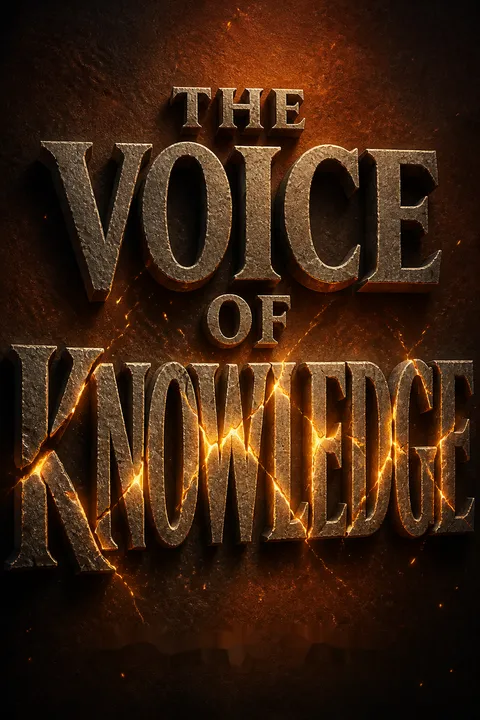
أهم النقاط
1. صوت المعرفة يخلق قصتنا الشخصية
صوت المعرفة يخبرك بمن أنت ومن لست. هو دائمًا يحاول أن يجعل كل شيء منطقيًا.
الراوي الداخلي لدينا. الصوت الذي في أذهاننا يروي لنا باستمرار قصة عن هويتنا، وعن طبيعة العالم، وكيف ينبغي أن نتصرف. هذا الصوت ليس ذاتنا الحقيقية، بل هو مجموعة من المعتقدات والأحكام والآراء التي تعلمناها وراكمناها عبر حياتنا.
ميلاد أسطورتنا الشخصية. عندما نكن أطفالًا، نستقبل المعلومات من آبائنا ومعلمينا والمجتمع، ونبني إطارًا لفهم العالم. هذه المعرفة تشكل أساس قصتنا الشخصية التي نستخدمها لتفسير تجاربنا واتخاذ قراراتنا.
مواجهة افتراضاتنا. لكي نتحرر من قيود قصتنا الشخصية، يجب أن نشكك في صوت المعرفة وندرك أن كثيرًا مما يقوله ليس حقيقة مطلقة، بل تفسير ذاتي مبني على تجاربنا السابقة ومعتقداتنا المكتسبة.
2. نحن لسنا أفكارنا ولا أجسادنا المادية
أستطيع أن أرى جسدي المادي كمرآة يرى الحياة من خلالها نفسها عبر الضوء.
ما وراء الجسد. جوهرنا الحقيقي لا يقتصر على أجسادنا المادية أو أفكارنا. نحن الوعي الذي يدرك جسدنا وأفكارنا معًا. هذا الوعي مرتبط بالقوة الكونية للحياة التي تحرك كل شيء.
وهم الانفصال. اعتقادنا بأننا أفراد منفصلون هو نتيجة إدراكنا المحدود. في الحقيقة، نحن جميعًا تعبيرات عن نفس قوة الحياة، متصلة وغير منفصلة عن كيان الوجود كله.
نحن لسنا:
- أجسادنا المادية
- أفكارنا
- مشاعرنا
- قصصنا الشخصية
نحن:
- الوعي الذي يدرك كل ذلك
- تعبير عن قوة الحياة الكونية
- متصلون بكل الوجود
3. مشاعرنا حقيقية، لكن تفسيراتنا غالبًا ما تكون أكاذيب
مشاعرنا حقيقية؛ صوت المعرفة الذي يجعلنا نعاني ليس كذلك. معاناتنا حقيقية، لكن سبب معاناتنا قد لا يكون صحيحًا على الإطلاق.
صدق المشاعر. مشاعرنا هي تعبيرات حقيقية عن تجربتنا الداخلية. تنشأ بشكل طبيعي استجابةً لإدراكاتنا وتجاربنا. هذه المشاعر حقيقية وصحيحة، سواء حكمنا عليها بالإيجابية أو السلبية.
سوء التفسير يؤدي إلى المعاناة. رغم أن مشاعرنا حقيقية، إلا أن القصص التي نبتكرها لتفسيرها غالبًا ما تستند إلى معتقدات وافتراضات خاطئة. صوت المعرفة يفسر مشاعرنا من خلال عدسة قصتنا الشخصية، مما يؤدي في كثير من الأحيان إلى معاناة غير ضرورية.
فصل العاطفة عن التفسير. لتقليل معاناتنا، يجب أن نتعلم التمييز بين العاطفة الخام التي نشعر بها والسرد الذي نخلقه حولها. عندما ندرك أن تفسيراتنا قد تكون خاطئة، نبدأ بالتحرر من استبداد أفكارنا.
4. الإيمان هو القوة التي تعطي الحياة لمعتقداتنا
الإيمان هو القوة التي تعطي الحياة لكل كلمة، لكل معتقد نخزنه في أذهاننا. إذا وافقنا على فكرة، يكون إيماننا موجودًا، ونحتفظ بها في ذاكرتنا.
قوة المعتقد. الإيمان هو الطاقة التي تحرك معتقداتنا وتعطيها القوة على حياتنا. عندما نستثمر إيماننا في فكرة، تصبح جزءًا من واقعنا، تشكل إدراكاتنا وأفعالنا.
الإيمان الأعمى مقابل الإيمان الواعي. كثير من معتقداتنا موروثة أو مكتسبة دون وعي، مما يؤدي إلى إيمان أعمى بأفكار قد لا تخدمنا. من خلال وعي معتقداتنا واختيار مكان وضع إيماننا بوعي، يمكننا تحويل تجربتنا الحياتية.
طرق لتحويل إيماننا:
- التشكيك في المعتقدات الراسخة
- البحث عن الأدلة والتجارب الشخصية
- اختيار المعتقدات التي تمنحنا القوة بوعي
- ممارسة وجهات نظر جديدة بانتظام
5. الاتفاقيات الأربع يمكنها أن تحول راوي قصتنا
الاتفاقيات الأربع تقدم هذا الدعم. هي لك فقط، أنت الشخصية الرئيسية في قصتك. هذه الاتفاقيات الأربع البسيطة يمكن أن تأخذك إلى نزاهتك: كن نقيًا في كلامك. لا تأخذ الأمور بشكل شخصي. لا تفترض. ابذل دائمًا قصارى جهدك.
مدونة للحرية الشخصية. توفر الاتفاقيات الأربع إطارًا عمليًا لتحويل علاقتنا مع أنفسنا والآخرين. باتباع هذه الاتفاقيات، نبدأ بالتحرر من قيود قصتنا القديمة ونخلق قصة جديدة قائمة على الحب والصدق.
الممارسة المستمرة تؤدي إلى التحول. رغم بساطة الاتفاقيات، فإن تطبيقها المستمر يمكن أن يؤدي إلى تغييرات عميقة في حياتنا. مع الممارسة، نعيد كتابة سيناريو قصتنا الشخصية، بما يتماشى أكثر مع طبيعتنا الحقيقية.
الاتفاقيات الأربع في التطبيق:
- كن نقيًا في كلامك: تحدث بنزاهة وتجنب استخدام الكلمات ضد نفسك أو الآخرين
- لا تأخذ أي شيء بشكل شخصي: أدرك أن أفعال وكلمات الآخرين تعكس واقعهم الخاص
- لا تفترض: تواصل بوضوح واطرح الأسئلة لتجنب سوء الفهم
- ابذل دائمًا قصارى جهدك: قدم أفضل ما لديك في كل لحظة، مع قبول أن أفضل ما لديك قد يختلف من يوم لآخر
6. الحب هو طبيعتنا الحقيقية وأفضل طريقة لكتابة قصتنا
الحب بسيط جدًا، سهل ورائع، لكنه يبدأ منك. تتحسن كل علاقة عندما تحب نفسك وتعيش بوعي حبك.
حب الذات كأساس. أهم علاقة لدينا هي مع أنفسنا. من خلال تنمية حب الذات والقبول، نخلق أساسًا متينًا لكل العلاقات الأخرى في حياتنا.
الحب كقوة إبداعية. عندما نقترب من الحياة بالحب، نخلق بشكل طبيعي قصة أجمل وأكثر إشباعًا. الحب يمكننا من رؤية الأفضل في أنفسنا والآخرين، ويعزز التعاطف والمغفرة والاتصال.
طرق لتنمية حب الذات:
- ممارسة التعاطف والمغفرة مع النفس
- الاعتراف والاحتفال بنقاط قوتك
- وضع حدود صحية
- الانخراط في أنشطة تجلب لك السعادة
- إحاطة نفسك بأشخاص داعمين
7. هناك واقع من الحب يحيط بنا
إذا فتحت عينيك الروحيتين، تدرك ما هو موجود بلا أكاذيب. لم يعد الأمر مجرد نظرية أن قصتك حلم فقط. السماء هي الحقيقة، لكن القصة التي تدركها الآن ليست الحقيقة؛ إنها وهم.
بعد خفي. وراء إدراكنا اليومي يكمن واقع من الحب والترابط. هذا البعد حاضر دائمًا، لكن تعلقنا بقصتنا الشخصية غالبًا ما يعمينا عن وجوده.
الاستيقاظ على الحقيقة. عندما نتحرر من تعلقنا بمعتقداتنا وإدراكاتنا المحدودة، نبدأ في لمحة هذا الواقع الأعمق. قد يكون هذا الاستيقاظ تدريجيًا أو مفاجئًا، لكنه يؤدي حتمًا إلى تحول عميق في تجربتنا لأنفسنا والعالم من حولنا.
علامات الاستيقاظ على واقع الحب:
- زيادة الشعور بالترابط مع كل شيء
- وعي متزايد بجمال اللحظات اليومية
- تعاطف أكبر مع الذات والآخرين
- تقليل التعلق بالدراما والصراعات الشخصية
- شعور بالسلام والرضا مستقل عن الظروف الخارجية
8. نحن جميعًا ملائكة نحمل رسالة لنبلغها
أؤمن أن كل إنسان هو ملاك يحمل رسالة ليبلغها. أنا ملاك. الآن أنا أوصل رسالة لك. وأنت أيضًا ملاك — ربما لا تعرف ذلك، لكنك مع ذلك ملاك.
ألوهية فطرية. كل منا يحمل شرارة من الإلهي بداخله. نحن جميعًا رسل، سواء أدركنا ذلك أم لا، ننقل باستمرار معتقداتنا وقيمنا وفهمنا للعالم لمن حولنا.
التواصل الواعي. من خلال وعي الرسائل التي نرسلها عبر كلماتنا وأفعالنا وطاقة وجودنا، يمكننا اختيار أن نكون ملائكة الحقيقة والحب بدلًا من نشر الأكاذيب والخوف بلا وعي.
طرق لتصبح رسولًا واعيًا:
- ممارسة اليقظة لزيادة الوعي بأفكارك وأفعالك
- اختيار الكلمات والأفعال التي تتماشى مع أعلى قيمك
- تنمية التعاطف والفهم مع نفسك والآخرين
- مشاركة تجاربك وأفكارك الأصيلة مع الآخرين
- القيادة بالمثال، متجسدًا التغيير الذي ترغب في رؤيته في العالم
ملخص المراجعات
يحظى كتاب "صوت المعرفة" للدون ميغيل رويز بتقييمات متباينة، حيث يبلغ متوسط تقييمه 4.20 من 5. يرى العديد من القراء أن الكتاب غني بالحكمة، ويثنون على أفكاره حول كيفية التغلب على الأفكار السلبية والمعتقدات الخاطئة. كما يقدر البعض مفاهيم رويز المتعلقة بـ"الراوي" والصدق الشخصي. ومع ذلك، يرى النقاد أن الكتاب يفتقر إلى الجانب العملي، ويكرر أفكارًا من أعماله السابقة، ويستخدم لغة قد تبدو معقدة ومربكة. كما يجد بعض القراء صعوبة في كثرة الصور الدينية وتصوير المعرفة بشكل سلبي. ورغم هذه الانتقادات، يعتبر كثيرون أن الكتاب يحمل تحولًا حقيقيًا في التفكير، وينصحون بقراءته من أجل النمو الشخصي.
قرأ الآخرون أيضًا






الأسئلة الشائعة
What's "The Voice of Knowledge" about?
- Exploration of Inner Peace: "The Voice of Knowledge" by Miguel Ruiz is a guide to achieving inner peace by understanding and transforming the stories we tell ourselves.
- Toltec Wisdom: The book draws on ancient Toltec wisdom, emphasizing the importance of truth and love in overcoming the lies that distort our perception of reality.
- Personal Transformation: It encourages readers to question their beliefs and assumptions, aiming to transform their lives by aligning with their true selves.
- Storytelling and Reality: Ruiz explains how our personal stories shape our reality and how we can rewrite these stories to live more authentically.
Why should I read "The Voice of Knowledge"?
- Self-Discovery: The book offers insights into understanding and overcoming the lies we believe about ourselves, leading to personal growth and self-discovery.
- Practical Guidance: It provides practical advice on how to achieve inner peace and happiness by transforming the way we perceive and interact with the world.
- Universal Wisdom: Drawing from Toltec wisdom, the book presents timeless teachings that are applicable to anyone seeking a more fulfilling life.
- Empowerment: By learning to question and change our stories, readers can reclaim their personal power and live more authentically.
What are the key takeaways of "The Voice of Knowledge"?
- Challenge Your Beliefs: Question the stories you tell yourself and the lies you believe, as they shape your reality and limit your potential.
- Embrace Truth and Love: Align your life with truth and love to overcome fear and achieve inner peace.
- Transform Your Story: You have the power to rewrite your personal story, leading to a more authentic and fulfilling life.
- Awareness and Faith: Cultivate awareness and reclaim your faith from lies to regain control over your life and choices.
How does Miguel Ruiz define "The Voice of Knowledge"?
- Internal Dialogue: The "Voice of Knowledge" refers to the internal dialogue that tells us what we know, often filled with lies and assumptions.
- Source of Suffering: This voice is a source of suffering as it makes us doubt ourselves and go against our true nature.
- Taming the Voice: Ruiz suggests taming this voice by not believing its lies and instead listening to the silent voice of our spirit.
- Tool for Communication: When used correctly, knowledge becomes a tool for communication rather than a tyrant controlling our lives.
What is the significance of the "Tree of Knowledge" in the book?
- Symbol of Lies: The "Tree of Knowledge" symbolizes the lies and false beliefs that contaminate our perception of reality.
- Fall from Paradise: Eating from this tree represents humanity's fall from a state of truth and love into a world of illusion and suffering.
- Personal Belief System: It represents the personal belief system we create, filled with judgments and assumptions that distort our reality.
- Path to Redemption: By recognizing and challenging these lies, we can return to a state of truth and love, akin to paradise.
How can the "Four Agreements" help transform your story?
- Be Impeccable with Your Word: Use your word in the direction of truth and love, avoiding self-judgment and self-rejection.
- Don't Take Anything Personally: Recognize that others' actions are a reflection of their own reality, not yours.
- Don't Make Assumptions: Seek clarity and understanding by asking questions instead of making assumptions.
- Always Do Your Best: Focus on doing your best in every situation, which helps silence the voice of knowledge and reduces self-judgment.
What role does "faith" play in "The Voice of Knowledge"?
- Power of Creation: Faith is the force that gives life to every belief and concept in our mind, shaping our reality.
- Blind Faith vs. Awareness: Blind faith leads us to believe lies, while faith with awareness aligns us with truth and love.
- Reclaiming Faith: By reclaiming faith from lies, we regain personal power and the ability to make conscious choices.
- Foundation of Beliefs: Faith acts as the mortar that holds our beliefs together, influencing how we perceive and interact with the world.
What are the best quotes from "The Voice of Knowledge" and what do they mean?
- "What is truth is real. What is not truth is not real. It’s an illusion, but it looks real." This quote emphasizes the importance of distinguishing between truth and illusion in our lives.
- "Love is real. It’s the supreme expression of life." Ruiz highlights love as the ultimate truth and the foundation for a fulfilling life.
- "The truth will set us free." This quote underscores the book's central message that embracing truth leads to liberation from fear and suffering.
- "You are the author of an ongoing story you tell yourself." It reminds readers of their power to shape their reality by rewriting their personal stories.
How does Miguel Ruiz suggest we achieve inner peace?
- Question Your Beliefs: Challenge the lies and assumptions that create conflict and suffering in your life.
- Embrace Love and Truth: Align your actions and thoughts with love and truth to overcome fear and achieve peace.
- Silence the Inner Critic: Tame the voice of knowledge by not believing its lies and listening to the silent voice of your spirit.
- Live Authentically: By transforming your story and living in alignment with your true self, you can experience lasting inner peace.
What is the "Dream of the Second Attention"?
- Recreating Your Story: The "Dream of the Second Attention" refers to the opportunity to recreate your life story based on truth and love.
- Awareness and Choice: It involves using awareness to make conscious choices about what to believe and how to live.
- Freedom from Lies: By breaking free from the lies that control us, we can live authentically and joyfully.
- Personal Transformation: This concept represents a second chance to align with our integrity and create a life of happiness and fulfillment.
How does "The Voice of Knowledge" relate to other works by Miguel Ruiz?
- Continuation of Toltec Wisdom: Like "The Four Agreements," this book draws on Toltec wisdom to guide readers toward personal freedom and truth.
- Focus on Inner Dialogue: While "The Four Agreements" provides a code of conduct, "The Voice of Knowledge" focuses on transforming the internal dialogue that shapes our reality.
- Complementary Teachings: Both books emphasize the importance of truth, love, and awareness in overcoming fear and achieving happiness.
- Practical Application: "The Voice of Knowledge" offers practical tools and insights to help readers apply the teachings of "The Four Agreements" in their daily lives.
What is the ultimate goal of "The Voice of Knowledge"?
- Return to Truth and Love: The ultimate goal is to help readers return to a state of truth and love, free from the lies that cause suffering.
- Achieve Inner Peace: By transforming the stories we tell ourselves, we can achieve lasting inner peace and happiness.
- Live Authentically: The book encourages readers to live authentically, in alignment with their true selves and the force of life.
- Create a Beautiful Life: Ultimately, the book aims to empower readers to create a beautiful and fulfilling life story, written with love and integrity.
عن المؤلف
كتب أخرى لـ ميغيل رويز




تحميل PDF
تحميل EPUB
.epub digital book format is ideal for reading ebooks on phones, tablets, and e-readers.








































