أهم النقاط
1. الوعي بالمعتقدات المقيدة للذات: مفتاح الحرية الشخصية
يبدأ المعاناة الإنسانية بالترويض.
الترويض يشكل المعتقدات. منذ الطفولة، يتم برمجتنا من قبل المجتمع، الأسرة، والثقافة على تبني معتقدات وسلوكيات معينة. وغالبًا ما تتحول هذه إلى اتفاقيات مقيدة نبرمها مع أنفسنا، تشكل "كتاب قانون" داخلي يوجه أفعالنا ونظرتنا لأنفسنا.
التعرف على المعتقدات المقيدة. الخطوة الأولى نحو الحرية الشخصية هي الوعي بهذه الاتفاقيات. غالبًا ما تظهر على شكل شكوك ذاتية، خوف، أو شعور بعدم الاستحقاق. من خلال تحديد هذه المعتقدات، يمكننا البدء في تحديها وتغييرها.
استعادة القوة الشخصية. يتيح لنا الوعي أن:
- نشكك في صحة معتقداتنا
- نميز متى نتصرف بدافع الخوف وليس الحقيقة
- نتحمل مسؤولية سعادتنا ورفاهيتنا
- نبدأ في خلق اتفاقيات جديدة تمكّننا مع أنفسنا
2. قوة الكلمة: خلق واقعك أو تدميره
الكلمة ليست مجرد صوت أو رمز مكتوب. الكلمة قوة؛ هي القدرة التي تملكها للتعبير والتواصل، للتفكير، ومن ثم خلق الأحداث في حياتك.
الكلمات تشكل الواقع. الكلمات التي نستخدمها داخليًا وخارجيًا لها قوة هائلة في تشكيل تصوراتنا، مشاعرنا، وتجاربنا. حوارنا الداخلي وطريقة تواصلنا مع الآخرين تؤثر مباشرة على جودة حياتنا.
التمسك بالنزاهة في الكلام. أن تكون نزيهًا في كلامك يعني:
- التحدث بنزاهة
- قول ما تعنيه فقط
- تجنب استخدام الكلمات ضد نفسك أو الآخرين
- توجيه قوة كلماتك نحو الحقيقة والمحبة
ممارسة الكلام الواعي. لاستثمار قوة الكلمة:
- راقب حديثك الداخلي وتحدى الأنماط السلبية
- اختر كلمات ترفع من شأنك ومن شأن الآخرين
- تجنب النميمة ونشر السلبية
- مارس قول حقيقتك بلطف واحترام
3. التحرر من "الطفيلي" المتمثل في الأفكار المقيدة
من وجهة نظر التولتيك، كل البشر المروضين مرضى. هم مرضى لأن هناك طفيليًا يسيطر على العقل والمخ. غذاء الطفيلي هو المشاعر السلبية الناتجة عن الخوف.
مفهوم "الطفيلي". تصف تقاليد التولتيك الأفكار والمعتقدات المقيدة بأنها "طفيلي" يتغذى على المشاعر السلبية ويحبسنا في دائرة المعاناة. هذا الطفيلي يمثل الصوت الداخلي للحكم، الخوف، والشك الذاتي.
التعرف على تأثير الطفيلي. علامات عمل الطفيلي تشمل:
- النقد الذاتي المستمر والحكم القاسي
- اتخاذ قرارات مبنية على الخوف
- ردود فعل عاطفية خارجة عن السيطرة
- أنماط متكررة من الإضرار بالنفس
تجويع الطفيلي. للتحرر من تأثيره:
- مارس الوعي بأفكارك وردود أفعالك العاطفية
- تحدى وناقش الحديث السلبي مع الذات
- ركز على تنمية المشاعر الإيجابية وحب الذات
- طور معتقدات جديدة تمكّنك لتحل محل المقيدة
4. الاتفاقيات الأربع: رمز للتحول الشخصي
الاتفاقيات الأربع هي أداة للتحول، تقودك إلى التوقف عن الحكم، خاصة على نفسك، والبدء في ممارسة أسلوب حياة مختلف.
إطار عملي. توفر الاتفاقيات الأربع رمزًا بسيطًا لكنه قوي للسلوك من أجل التحول الشخصي:
- كن نزيهًا في كلامك
- لا تأخذ أي شيء بشكل شخصي
- لا تفترض شيئًا
- ابذل قصارى جهدك دائمًا
تطبيق الاتفاقيات. لدمج هذه المبادئ:
- ابدأ باتفاقية واحدة في كل مرة
- مارسها باستمرار حتى في الأوقات الصعبة
- تحلَّ بالصبر مع نفسك أثناء تطوير عادات جديدة
- استخدم الاتفاقيات كأداة للتأمل الذاتي والنمو
قوة التحول. باتباع هذه الاتفاقيات، يمكنك:
- تحسين علاقاتك مع الآخرين ومع نفسك
- تقليل المعاناة والصراعات غير الضرورية
- زيادة حريتك الشخصية وسعادتك
- خلق حياة أكثر أصالة وإشباعًا
5. لا تأخذ أي شيء بشكل شخصي: فهم وجهات نظر الآخرين
لا شيء يفعله الآخرون بسببك. ما يقوله ويفعله الآخرون هو انعكاس لواقعهم الخاص، حلمهم الخاص.
التعرف على الإسقاطات. عندما نأخذ الأمور بشكل شخصي، نفترض أن أفعال وكلمات الآخرين تخصنا. في الحقيقة، هي تعكس معتقدات، مخاوف، وتجارب المتحدث نفسه.
الحرية العاطفية. بعدم أخذ الأمور بشكل شخصي:
- نحرر أنفسنا من الألم العاطفي غير الضروري
- نصبح أقل تفاعلًا مع آراء وسلوكيات الآخرين
- نحافظ على توازننا العاطفي في المواقف الصعبة
ممارسة التفسير غير الشخصي. لتطبيق هذه الاتفاقية:
- ذكر نفسك أن أفعال الآخرين تعكس واقعهم، لا واقعك
- طور تعاطفًا مع صراعات وحدود الآخرين
- ركز على نموك وقبولك لذاتك بدلًا من البحث عن قبول خارجي
6. تجنب الافتراضات: الطريق إلى تواصل واضح
ابحث عن الشجاعة لطرح الأسئلة والتعبير عما تريد حقًا. تواصل مع الآخرين بأوضح ما يمكن لتجنب سوء الفهم، الحزن، والدراما.
خطر الافتراضات. غالبًا ما تؤدي الافتراضات إلى سوء الفهم، الصراعات، والمعاناة غير الضرورية. نفترض أننا نعرف ما يفكر فيه الآخرون أو يشعرون به أو يقصدونه دون التحقق.
التواصل الواضح. لتجنب الافتراضات:
- اطرح أسئلة عندما تكون غير متأكد
- عبّر عن احتياجاتك ورغباتك بوضوح
- استمع بتركيز وحاول فهم وجهات نظر الآخرين
- كن مستعدًا للتوضيح وإعادة الصياغة لضمان الفهم المتبادل
فوائد تجنب الافتراضات. هذه الممارسة يمكن أن:
- تحسن العلاقات وتقلل الصراعات
- تزيد من التفاهم المتبادل والتعاطف
- تؤدي إلى تفاعلات أكثر أصالة ورضا
- تقلل التوتر والقلق الناتج عن سوء التفسير
7. ابذل قصارى جهدك دائمًا: احتضان النمو وتجنب الحكم الذاتي
أفضل ما لديك سيتغير من لحظة لأخرى؛ سيكون مختلفًا عندما تكون صحيًا مقارنة بمرضك. في أي ظرف، فقط ابذل قصارى جهدك، وستتجنب الحكم الذاتي، الإساءة الذاتية، والندم.
طبيعة "الأفضل" المتغيرة. أفضل جهد تبذله ليس معيارًا ثابتًا بل يتغير حسب الظروف، مستويات الطاقة، والموارد المتاحة في كل لحظة.
تجنب الحكم الذاتي. من خلال بذل قصارى جهدك دائمًا:
- تلغي أسباب النقد الذاتي والندم
- تركز على العملية وليس فقط النتيجة
- تحافظ على الدافع وتقدير الذات الإيجابي حتى في مواجهة التحديات
ممارسة "بذل أفضل جهد". لتطبيق هذه الاتفاقية:
- ضع توقعات واقعية بناءً على ظروفك الحالية
- ركز على بذل جهدك الكامل في كل لحظة
- تأمل في جهودك برحمة وليس بحكم
- استخدم كل تجربة كفرصة للتعلم والنمو
8. إتقان التحول: تغيير العادات من خلال الوعي
إتقان التحول هو عملية نزع ما تعلمته سابقًا.
عملية النزع. يتطلب التحول كسر الاتفاقيات القديمة وخلق أخرى جديدة. وهذا يحتاج إلى وعي، نية، وممارسة مستمرة.
خطوات التحول:
- الوعي: التعرف على المعتقدات والعادات المقيدة
- النية: وضع أهداف واضحة للتغيير
- الانتباه: التركيز على المجالات التي تريد تحويلها
- العمل: اتخاذ خطوات مستمرة نحو الاتفاقيات الجديدة
- التكرار: ممارسة العادات الجديدة حتى تصبح تلقائية
تجاوز المقاومة. توقع تحديات أثناء التحول:
- سيقاوم "الطفيلي" القديم التغيير
- الانزعاج جزء طبيعي من النمو
- الإصرار والرحمة الذاتية ضروريان للنجاح
9. الانفصال: قبول تغيرات الحياة دون معاناة
الانفصال لا يعني التوقف عن حب شخص أو شيء؛ بل يعني فقط قبول أنه لا يمكننا إيقاف تحول الحياة.
فهم الانفصال. الانفصال يعني قبول الطبيعة الزائلة للحياة وتحرير حاجتنا للسيطرة على النتائج. ليس عن اللامبالاة، بل عن احتضان تدفق الحياة الطبيعي.
ممارسة الانفصال:
- استمتع بالتجارب بالكامل في اللحظة الحاضرة
- حرر توقعاتك وتعلقاتك بالنتائج المحددة
- اقبل التغيير كجزء طبيعي وضروري من الحياة
- ركز على ما يمكنك التحكم به (ردود أفعالك) بدلًا من الظروف الخارجية
فوائد الانفصال. هذه الممارسة تؤدي إلى:
- تقليل المعاناة والاضطراب العاطفي
- زيادة المرونة في مواجهة التغيير
- تقدير أكبر للحظة الحاضرة
- علاقات أكثر أصالة وإشباعًا
10. العيش في الحاضر: مفتاح السعادة والحرية الحقيقية
يعلمنا ملك الموت أن نعيش اللحظة الحاضرة، وهي اللحظة الوحيدة التي نملكها حقًا.
قوة الحضور. العيش في اللحظة الحاضرة يتيح لنا الانخراط الكامل في الحياة، خاليين من الندم على الماضي أو القلق بشأن المستقبل.
عوائق الحضور:
- التعلق بالأحداث أو الأخطاء الماضية
- القلق بشأن نتائج المستقبل
- التعلق بتوقعات أو رغبات محددة
- المقاومة للظروف الحالية
تنمية الحضور:
- مارس اليقظة الذهنية والتأمل
- ركز على حواسك وتجاربك الفورية
- تخلَّ عن الأحكام على اللحظة الحاضرة
- انخرط بالكامل في أنشطتك وتفاعلاتك الحالية
فوائد العيش في الحاضر:
- زيادة الفرح والتقدير للحياة
- تقليل التوتر والقلق
- تحسين العلاقات والتواصل
- وضوح أكبر وقدرة على اتخاذ القرار
ملخص المراجعات
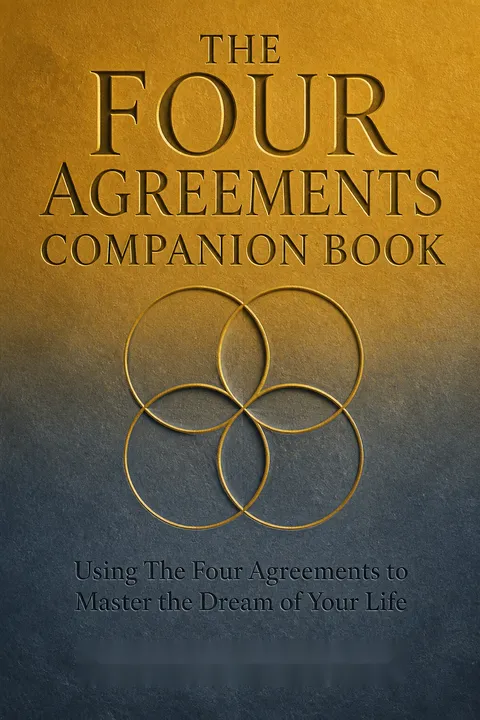
يحظى كتاب "الكتاب المرافق للاتفاقيات الأربع" بتقييمات متباينة، حيث حصل على معدل عام يبلغ 4.25 من 5. يجد العديد من القراء فيه محتوى غنيًا وقيّمًا، مشيدين بنصائحه العملية وقدرته على إحداث تغييرات جوهرية في الحياة. ويرونه قراءة ضرورية إلى جانب الكتاب الأصلي. في المقابل، يرى بعض النقاد أنه يتسم بالتكرار، ويفتقر إلى العمق، ويحتوي على تعميمات واسعة. يتناول الكتاب الاتفاقيات الأربع بشكل موسع: كن نزيهًا في كلامك، لا تأخذ الأمور بشكل شخصي، لا تفترض، وابذل دائمًا قصارى جهدك. يثمن القراء التمارين اليومية والتطبيقات العملية المستمدة من الحياة الواقعية، مع الإشارة إلى أن أسلوب الكتابة قد يكون غير متسق في بعض الأحيان.
قرأ الآخرون أيضًا






الأسئلة الشائعة
What's "The Four Agreements Companion Book" about?
- Purpose and Guidance: "The Four Agreements Companion Book" by Miguel Ruiz is a guide to applying the principles of "The Four Agreements" in daily life. It aims to help readers master their personal dream and achieve personal freedom.
- Structure and Content: The book is divided into three parts: Mastering Awareness, Mastering Transformation, and Living The Four Agreements. Each part provides insights and practical exercises to deepen understanding and practice of the agreements.
- Toltec Wisdom: It draws on ancient Toltec wisdom, focusing on breaking limiting beliefs and agreements that cause suffering, and replacing them with new, empowering ones.
- Practical Application: The book includes practice ideas and exercises to help readers integrate the agreements into their lives, fostering personal growth and transformation.
Why should I read "The Four Agreements Companion Book"?
- Deepen Understanding: It offers a deeper exploration of the concepts introduced in "The Four Agreements," providing additional context and insights.
- Practical Exercises: The book includes practical exercises and ideas to help readers apply the agreements in real-life situations, enhancing personal growth.
- Transformative Potential: By following the guidance in the book, readers can transform their lives, reduce suffering, and increase happiness and freedom.
- Supportive Community: It encourages readers to join a community of like-minded individuals dedicated to personal transformation and living by the agreements.
What are the key takeaways of "The Four Agreements Companion Book"?
- Three Masteries: The book introduces the three masteries: Mastery of Awareness, Mastery of Transformation, and Mastery of Love, which guide readers toward personal freedom.
- Four Agreements: The core agreements are: Be Impeccable with Your Word, Don't Take Anything Personally, Don't Make Assumptions, and Always Do Your Best.
- Awareness and Action: Emphasizes the importance of awareness in recognizing limiting beliefs and taking action to replace them with empowering agreements.
- Personal Freedom: The ultimate goal is to achieve personal freedom by breaking free from domestication and the influence of the "Parasite" in the mind.
What are the Four Agreements and their significance?
- Be Impeccable with Your Word: Speak with integrity and avoid using words to harm yourself or others. This agreement emphasizes the power of words in shaping reality.
- Don't Take Anything Personally: Recognize that others' actions and words are a reflection of their own reality, not yours. This helps in reducing unnecessary suffering.
- Don't Make Assumptions: Communicate clearly and ask questions to avoid misunderstandings and drama. This agreement encourages clarity and truth in interactions.
- Always Do Your Best: Your best will vary depending on circumstances, but consistently doing your best helps avoid self-judgment and regret.
How does "The Four Agreements Companion Book" help in mastering awareness?
- Domestication Awareness: The book explains how human suffering begins with domestication, where societal beliefs shape personal reality.
- Power of the Word: It highlights the role of beliefs in shaping reality and the importance of using words to create a positive dream.
- Dreaming with Awareness: Encourages readers to become aware of their dreams and the power they have to change them consciously.
- Practical Exercises: Provides exercises to help readers identify and change limiting beliefs, fostering greater awareness and personal freedom.
What is the "Parasite" in "The Four Agreements Companion Book"?
- Definition: The Parasite is a metaphor for the negative beliefs and agreements that control the mind and cause suffering.
- Role in Suffering: It thrives on fear and negative emotions, perpetuating self-judgment and limiting personal freedom.
- Breaking Free: The book guides readers in recognizing and breaking free from the Parasite by adopting new, empowering agreements.
- Transformation: By transforming the Parasite into an ally, readers can reclaim their personal power and live a life of love and happiness.
How can "The Four Agreements Companion Book" transform relationships?
- Improved Communication: By being impeccable with your word, you foster honesty and integrity in relationships, reducing misunderstandings.
- Reduced Conflict: Not taking things personally helps in avoiding unnecessary conflicts and emotional pain in interactions.
- Clarity and Understanding: Avoiding assumptions leads to clearer communication and better understanding between individuals.
- Supportive Environment: Practicing the agreements creates a supportive and loving environment, enhancing the quality of relationships.
What are some practice ideas from "The Four Agreements Companion Book"?
- Mastering Awareness: Exercises like identifying the "Image of Perfection" and examining the "Book of Law" help in recognizing limiting beliefs.
- Mastering Transformation: Techniques such as "The Dream of the Second Attention" and "Attach-Detach" aid in changing beliefs and embracing change.
- Living the Agreements: Practical steps for applying the agreements in daily life, such as avoiding gossip and practicing self-love.
- Continuous Practice: Emphasizes the importance of repetition and consistent practice to fully integrate the agreements into one's life.
What is the significance of the "Mastery of Transformation"?
- Changing Beliefs: It involves changing the dream of life by transforming limiting beliefs and agreements into empowering ones.
- Reprogramming the Mind: Encourages readers to reprogram their minds with new agreements that support happiness and freedom.
- Facing Fears: The mastery involves facing and transforming fears, leading to personal growth and liberation.
- Practical Application: Provides tools and exercises to help readers apply the mastery in real-life situations, fostering transformation.
How does "The Four Agreements Companion Book" address personal freedom?
- Breaking Domestication: Guides readers in breaking free from societal domestication and reclaiming their true selves.
- Empowering Beliefs: Encourages adopting beliefs that support personal freedom, happiness, and love.
- Awareness and Choice: Emphasizes the importance of awareness in making conscious choices that align with one's true nature.
- Living Authentically: The book aims to help readers live authentically, free from the constraints of limiting beliefs and agreements.
What are the best quotes from "The Four Agreements Companion Book" and what do they mean?
- "The word is like a seed...": This quote emphasizes the power of words in shaping reality and the importance of using them wisely.
- "Nothing others do is because of you...": Highlights the importance of not taking things personally, as others' actions are a reflection of their own reality.
- "Find the courage to ask questions...": Encourages clear communication to avoid misunderstandings and assumptions.
- "Your best is going to change...": Reminds readers that doing their best varies with circumstances, but consistently striving for it leads to personal growth.
How can "The Four Agreements Companion Book" be integrated into daily life?
- Daily Practice: Incorporate the agreements into daily routines and interactions to foster personal growth and transformation.
- Mindful Awareness: Stay aware of thoughts and actions, using the agreements as a guide to make conscious choices.
- Reflect and Adjust: Regularly reflect on personal progress and adjust practices to align with the agreements.
- Community Support: Engage with a community of like-minded individuals for support and encouragement in living by the agreements.
عن المؤلف
كتب أخرى لـ ميغيل رويز








تحميل PDF
تحميل EPUB
.epub digital book format is ideal for reading ebooks on phones, tablets, and e-readers.








































