
Plot Summary
Choir's Song Shattered
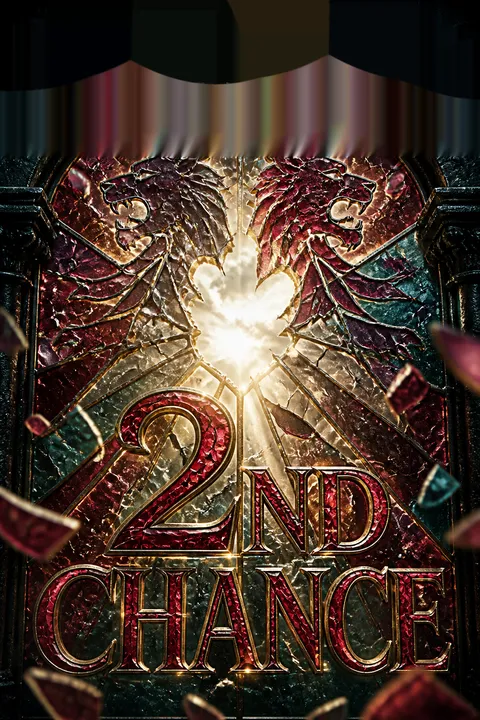
The story opens with a devastating attack on a children's choir outside La Salle Heights Church in San Francisco. Reverend Aaron Winslow, beloved in his community, tries desperately to shield the children as gunfire erupts, shattering stained glass and ending the life of eleven-year-old Tasha Catchings. The randomness and brutality of the act send shockwaves through the neighborhood, igniting grief, fear, and outrage. The community's fragile hope is pierced, and the city's police force is thrust into a high-pressure investigation. The emotional impact is immediate and raw, setting the tone for a case that will test the limits of justice, friendship, and personal resolve.
Hope Street Healing
Lieutenant Lindsay Boxer, still reeling from personal loss and trauma, finds herself volunteering at Hope Street Teen House, seeking meaning and healing. Her connection with troubled teens offers her a sense of purpose, but the call to duty is never far away. When news of Tasha's murder reaches her, Lindsay is pulled back into the world of homicide, her sense of responsibility reignited. The chapter explores Lindsay's vulnerability, her need for connection, and the way her work both wounds and heals her. The emotional weight of her past and the demands of her present collide, setting her on a path toward both justice and self-discovery.
A Child's Death Echoes
Lindsay returns to the crime scene, confronting the devastation left by the shooting. The church, once a sanctuary, is now a symbol of violated innocence. She meets Reverend Winslow, whose grief and guilt mirror her own. The investigation reveals the shooter's precision and the chilling possibility that the attack was not random. The community's anger and fear threaten to boil over, and Lindsay feels the pressure of her new leadership role. The emotional resonance of Tasha's death lingers, fueling Lindsay's determination to find answers even as she grapples with her own doubts and the city's mounting unrest.
The Lion with Two Heads
As Lindsay and her team search for clues, a young witness describes a white van with a strange two-headed lion decal. This symbol, echoed in graffiti at another crime scene, becomes the investigation's first real lead. The image haunts Lindsay, suggesting a connection between seemingly unrelated acts of violence. The city's leaders push for quick answers, fearing racial unrest, while Lindsay insists on following the evidence. The symbol's meaning remains elusive, but its presence at multiple scenes hints at a deeper, more personal motive behind the killings. The emotional tension rises as the investigation widens.
The Women Reunite
Lindsay gathers her closest friends—medical examiner Claire Washburn, reporter Cindy Thomas, and assistant DA Jill Bernhardt—at their favorite bar. The Women's Murder Club is reborn, their bond strengthened by shared pain and purpose. Each woman brings her expertise and emotional support, helping Lindsay process the case's complexities and her own struggles. Personal news—Jill's pregnancy—adds hope and vulnerability to the group dynamic. Their conversations blend dark humor, empathy, and determination, providing a lifeline amid the chaos. The emotional arc deepens as the women commit to facing the darkness together, both as professionals and as friends.
Patterns of Hate and Grief
As more victims surface—including a black widow in Oakland and a decorated black patrolman—the investigation reveals a chilling pattern: all victims are connected to black police officers or their families. The city reels from the realization that the killings may be part of a vendetta, not random hate crimes. Lindsay's team faces mounting pressure from the media, city officials, and the FBI. The emotional toll intensifies as the victims' stories come to light, and Lindsay's own sense of justice is tested. The case becomes personal, blurring the lines between professional duty and private pain.
The Chimera Emerges
The two-headed lion is identified as a chimera, a mythological beast symbolizing cunning and invincibility. The killer adopts this persona, taunting police and the public with clues and calculated violence. The investigation leads to prison gangs, white supremacist groups, and a notorious ex-cop named Frank Coombs, whose past is entwined with departmental scandal and racial tension. Lindsay's pursuit of Chimera becomes an obsession, as the killer escalates his attacks, targeting those closest to her. The emotional stakes rise, and the sense of danger becomes palpable, as Chimera's motives and identity remain shrouded in darkness.
A Cop's Past Returns
Lindsay's estranged father, Marty Boxer, reappears in her life, claiming to want reconciliation but harboring secrets tied to the original crime that ruined Coombs's life. Their fraught relationship is explored with raw honesty—resentment, longing, and the hope for forgiveness. As Lindsay uncovers the truth about her father's involvement in the past, she is forced to confront her own values and the legacy of silence and complicity within the police force. The emotional arc is one of betrayal and reluctant understanding, as Lindsay grapples with the cost of justice and the meaning of family.
Vendetta in the Shadows
The investigation reveals that the murders are not the work of a hate group, but a calculated vendetta against those perceived to have betrayed a fellow cop. Coombs, embittered by his conviction and abandonment, becomes the prime suspect. Yet as Lindsay closes in, doubts arise—Coombs's failing health and lack of a tattoo cast suspicion elsewhere. The killer's rage intensifies, targeting Lindsay's friends and threatening to unravel her emotionally. The city teeters on the edge of chaos, and Lindsay must navigate a web of lies, loyalty, and revenge to prevent further tragedy.
The Wrong Suspect
Lindsay and her team corner Coombs, leading to a violent showdown on the steps of the Hall of Justice. In the chaos, Coombs is killed, but evidence soon reveals he could not have committed the murders—his physical condition made the sniper shots impossible, and he lacked the killer's distinctive tattoo. The realization that Chimera is still at large devastates Lindsay, forcing her to question her instincts and the system she serves. The emotional fallout is profound—relief at surviving, guilt over mistakes, and renewed determination to unmask the true killer before he strikes again.
Fathers and Daughters
Lindsay confronts her father about his role in the past, uncovering the full extent of his complicity and cowardice. Their confrontation is raw and cathartic, blending anger, disappointment, and a desperate need for closure. Marty's confession and subsequent disappearance leave Lindsay with a bittersweet sense of loss and understanding. The emotional journey is one of reckoning—with the past, with family, and with oneself. Lindsay emerges changed, her sense of justice tempered by empathy and the hard-won knowledge that even heroes are flawed.
The Real Chimera Revealed
A breakthrough in the investigation points to Rusty Coombs, the son of the disgraced ex-cop. Rusty's history of violence, marksmanship, and deep-seated resentment make him the perfect embodiment of Chimera. The revelation is both shocking and inevitable—a legacy of hate passed from father to son, twisted by betrayal and loss. As Rusty prepares for a final, deadly act, Lindsay races against time to stop him. The emotional tension is at its peak, as the lines between victim and perpetrator, justice and vengeance, blur in the face of generational trauma.
Final Confrontation in the Tower
Rusty Coombs stages a sniper attack from Stanford's Hoover Tower, targeting innocents and drawing Lindsay into a final confrontation. The scene is tense and cinematic—bullets, bells, and the echo of past violence. Lindsay, wounded but resolute, faces Rusty in a battle of wills and survival. The emotional climax is fierce—fear, anger, and the desperate hope to end the cycle of violence. With courage and quick thinking, Lindsay prevails, killing Rusty and ending Chimera's reign of terror. The cost is high, but justice is finally served, and the city can begin to heal.
Healing and Farewell
In the aftermath, The Women's Murder Club gathers to honor the victims and celebrate survival. The community rebuilds, symbolized by the restoration of the church's stained-glass window. Lindsay receives a letter from her father, offering a final, imperfect gesture of love and apology. The emotional arc comes full circle—grief gives way to hope, wounds begin to heal, and the bonds of friendship and family prove stronger than hate. The story ends with a sense of hard-won peace, the promise of new beginnings, and the enduring power of compassion and courage.
Analysis
"2nd Chance" is a gripping exploration of justice, trauma, and the enduring power of human connection. At its core, the novel interrogates the legacy of violence—how hate, betrayal, and silence can echo across generations, shaping lives and destinies. Through the lens of a high-stakes murder investigation, Patterson examines the psychological toll of grief, the corrosive effects of vengeance, and the redemptive potential of friendship and forgiveness. The Women's Murder Club embodies the strength found in solidarity, offering a counterpoint to the isolation and bitterness that drive the antagonist. The narrative's twists and reversals challenge assumptions about guilt, innocence, and the nature of evil, reminding readers that justice is rarely simple and that healing requires both courage and compassion. Ultimately, "2nd Chance" is a testament to resilience—the capacity to endure, to seek truth, and to find hope even in the aftermath of unimaginable loss.
Review Summary
2nd Chance receives an overall rating of 4.09/5. Many readers praise its fast pace, short chapters, and engaging plot twists, particularly enjoying the Women's Murder Club characters. Positive reviews highlight the suspenseful storyline involving a racially motivated serial killer and satisfying character development. Critical reviews note repetitive plot structures compared to the first book, unrealistic behavior from the female protagonist, and stereotypical portrayals of women. Some appreciate it as an easy, entertaining read while others find it formulaic and recycled.
Characters
Lindsay Boxer
Lindsay Boxer is the heart of the story—a homicide lieutenant driven by a fierce sense of duty and a deep well of empathy. Scarred by personal loss and professional trauma, she seeks healing through service and connection, both with the troubled teens at Hope Street and her closest friends. Lindsay's psychological complexity is central: she is vulnerable yet resilient, haunted by guilt yet unwavering in her pursuit of truth. Her relationships—with her estranged father, her colleagues, and the victims' families—reveal her capacity for forgiveness and growth. Lindsay's journey is one of self-discovery, as she learns to balance justice with compassion and to accept her own imperfections.
Claire Washburn
Claire, the city's chief medical examiner, is Lindsay's confidante and emotional anchor. Her warmth, humor, and unflappable professionalism provide stability amid chaos. Claire's own brush with death at the hands of Chimera deepens her bond with Lindsay and the group, highlighting the vulnerability of even the strongest among them. Psychologically, Claire embodies resilience and nurturing, offering wisdom and perspective. Her role as a mother and wife grounds her, and her ability to find light in darkness helps the others endure. Claire's development is subtle but profound—she faces fear, survives trauma, and emerges with her spirit intact.
Cindy Thomas
Cindy is the group's chronicler and conscience, her journalistic instincts driving her to uncover hidden truths. Her relationship with Reverend Winslow adds emotional depth, as she navigates the risks of love and vulnerability in a dangerous world. Cindy's psychological profile is marked by curiosity, courage, and a longing for connection. She often serves as the group's moral compass, asking hard questions and challenging assumptions. Her brush with death at Chimera's hands tests her resolve, but her resilience and optimism shine through. Cindy's journey is one of growth—from observer to participant, from outsider to integral member of the club.
Jill Bernhardt
Jill, the assistant district attorney, is ambitious, sharp-witted, and fiercely loyal. Her pregnancy and subsequent miscarriage add layers of vulnerability and complexity, exposing the costs of a life devoted to justice. Jill's psychological arc is one of striving and self-doubt—she is haunted by the fear of failure, both professionally and personally. Her willingness to challenge Lindsay and demand evidence reflects her integrity and commitment to the law. Jill's development is marked by pain and resilience; she learns to accept help, to grieve, and to find meaning beyond achievement.
Aaron Winslow
Reverend Winslow is a pillar of strength and compassion in a community rocked by violence. His grief over Tasha's death is palpable, but he channels his pain into action, supporting his congregation and working with the police. Winslow's relationship with Cindy reveals his vulnerability and capacity for love. Psychologically, he embodies faith, resilience, and the struggle to reconcile anger with forgiveness. Winslow's development is a testament to the power of hope and the importance of standing up to hate, even in the face of personal loss.
Frank Coombs
Coombs is the story's initial suspect—a former police officer whose life was destroyed by scandal and incarceration. His psychological profile is dominated by resentment, paranoia, and a desperate need for vindication. Coombs's past is a web of betrayal, racism, and violence, and his inability to move beyond it fuels the narrative's tension. Ultimately, Coombs is revealed as a tragic figure—guilty of many sins but not the Chimera murders. His death is both a release and a warning about the corrosive power of hate and the dangers of unchecked grievance.
Rusty Coombs
Rusty, Frank Coombs's son, is the story's ultimate antagonist—a young man shaped by his father's bitterness and his own capacity for violence. His psychological makeup is a toxic blend of resentment, alienation, and a need to prove himself. Rusty's marksmanship, history of cruelty, and ability to manipulate those around him make him a chilling villain. His actions are driven by a warped sense of loyalty and a desire to avenge perceived wrongs. Rusty's downfall is both inevitable and tragic—a product of generational trauma and the failure of those who should have protected and guided him.
Marty Boxer
Lindsay's father, Marty, is a complex figure—charming, flawed, and haunted by his past. His reappearance forces Lindsay to confront old wounds and the legacy of silence within the police force. Marty's psychological arc is one of guilt, longing, and the hope for forgiveness. His involvement in the original crime and his efforts to protect Lindsay add layers of ambiguity and pathos. Marty's final gesture—a letter and a promise of love—offers a measure of closure, even as it underscores the enduring pain of abandonment and the possibility of redemption.
Chief Earl Mercer
Mercer, the city's police chief, is a symbol of institutional strength and vulnerability. His leadership is tested by the Chimera case, and his murder marks a turning point in the narrative. Mercer's psychological profile is shaped by duty, pride, and the burden of responsibility. His relationship with Lindsay is one of mutual respect and unspoken understanding. Mercer's death is a profound loss, both personally and professionally, highlighting the risks faced by those who stand against hate and the fragility of even the most powerful.
The Women's Murder Club
The club itself is a character—a living embodiment of friendship, support, and the power of women working together. Each member brings unique strengths and vulnerabilities, and their bond is tested and deepened by the events of the story. Psychologically, the club represents the antidote to isolation and despair, offering a model of solidarity and healing. Their development is collective—they learn to trust, to grieve, and to celebrate together, emerging stronger and more united in the face of adversity.
Plot Devices
Interwoven Personal and Professional Stakes
The narrative structure of "2nd Chance" masterfully intertwines the procedural elements of a murder investigation with the personal lives and psychological struggles of its protagonists. The use of alternating perspectives—shifting from Lindsay's internal monologue to the killer's chilling point of view—creates suspense and emotional depth. The Women's Murder Club serves as both a narrative device and a thematic anchor, allowing for the exploration of friendship, vulnerability, and resilience. Foreshadowing is employed through recurring symbols (the chimera, the stained-glass window), and red herrings (Frank Coombs) keep readers guessing. The ultimate reveal—that the true killer is the son, not the father—subverts expectations and underscores the dangers of generational trauma and the complexity of justice. The story's resolution balances closure with ambiguity, leaving space for healing and reflection.
Women's Murder Club Series Series
About the Author




Download PDF
Download EPUB
.epub digital book format is ideal for reading ebooks on phones, tablets, and e-readers.








































