
Plot Summary
Floodwaters and Fractures
As the Bella Bella river swells with spring melt, the small Quebec village of Three Pines braces for disaster. Simultaneously, Armand Gamache returns to the Sûreté after a humiliating demotion, his reputation battered by social media and political maneuvering. The villagers, including artist Clara Morrow and poet Ruth Zardo, face their own storms—Clara's art is savaged online, and the community bands together to sandbag against the rising waters. The physical threat of the flood mirrors the emotional fractures within the Sûreté and the village, setting the stage for a story where nature's chaos and human turmoil intertwine.
Return to Homicide
Gamache's return as Chief Inspector of Homicide is fraught with tension. He must work alongside his former protégé and son-in-law, Jean-Guy Beauvoir, who is soon leaving for Paris. The department is wary, uncertain if Gamache's presence will heal or deepen old wounds. Social media attacks question his competence and integrity, while the leadership's intent is to humiliate him into resignation. Yet, Gamache's humility and wisdom begin to steady the team, even as he's assigned a seemingly minor missing-persons case—Vivienne Godin, a pregnant woman from a troubled rural marriage.
Village Under Siege
As the Bella Bella threatens to breach its banks, the villagers unite in a desperate effort to save their homes. The sandbagging becomes a ritual of community and resilience, but anxiety simmers beneath the surface. Clara's artistic crisis deepens as critics and trolls attack her latest work, and the villagers' camaraderie is tested by exhaustion and dread. The rising river becomes a metaphor for the emotional and moral deluge facing both the village and the Sûreté, as old grievances and new dangers converge.
Missing and Mistrusted
Agent Cloutier, an accountant-turned-investigator, brings Vivienne's case to Gamache's attention. Vivienne's abusive husband, Carl Tracey, is dismissive and uncooperative, and the local Sûreté's efforts have been cursory. Gamache and Cloutier, joined by the gentle but troubled Agent Cameron, begin to unravel a web of domestic violence, isolation, and community indifference. The investigation is hampered by muddy roads, rising floodwaters, and the emotional baggage each character carries, but Gamache's empathy and methodical approach slowly draw out the truth.
The Bridge and the Bag
The search for Vivienne leads to a crucial discovery: her duffel bag, found near a rickety bridge over the Bella Bella. The bag contains ambiguous clues—summer clothes, abortion pills, and no clear evidence of violence. The bridge itself becomes a focal point, both physically and symbolically, as the investigators realize it may be the site of Vivienne's fate. The river's relentless force mirrors the investigation's momentum, sweeping away assumptions and exposing hidden currents of guilt, jealousy, and desperation.
Sandbags and Secrets
As the villagers fight the flood, personal secrets surface. Clara confronts the harsh reality of her artistic failures, while Ruth's caustic wisdom offers both comfort and provocation. The Sûreté team grapples with their own doubts—Beauvoir's impending departure, Lacoste's lingering injuries, Cloutier's conflicted loyalties. The investigation into Vivienne's disappearance uncovers layers of betrayal: affairs, black-market drugs, and the corrosive effects of abuse. The sandbags hold back the river, but not the tide of secrets threatening to overwhelm everyone.
The Poisonous Tree
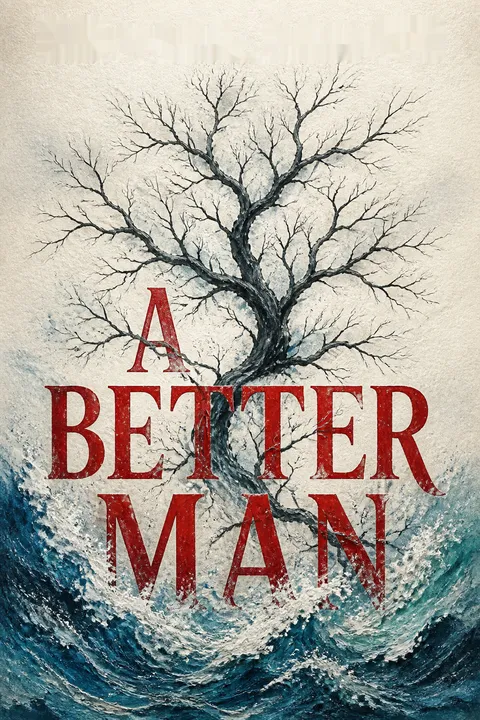
When Vivienne's body is found, the case against Tracey seems strong—until a judge rules that key evidence is inadmissible, the "fruit of a poisonous tree." Social media manipulation and procedural missteps undermine the prosecution, and the Sûreté's efforts unravel. The villagers and investigators alike are left reeling, forced to confront the limits of the law and the consequences of their own actions. The poisonous tree becomes a symbol of how good intentions can yield bitter fruit, and how justice can be thwarted by technicalities.
Fathers and Daughters
The emotional heart of the story lies in the relationships between fathers and daughters—Gamache and Annie, Homer Godin and Vivienne. Homer's grief and guilt over Vivienne's death drive him toward vengeance, while Gamache's love for Annie shapes his every decision. The investigation reveals that parental love can be both redemptive and destructive, capable of inspiring sacrifice or fueling violence. The characters are forced to reckon with the legacies they inherit and the wounds they inflict, as the search for truth becomes a search for forgiveness.
Social Media Storms
Throughout the crisis, social media acts as both judge and executioner. Gamache's reputation is shredded by doctored videos and malicious tweets, while Clara's career is nearly destroyed by online criticism. The villagers and Sûreté officers struggle to distinguish truth from perception, as the digital mob amplifies every mistake and rumor. The storm of online outrage becomes a character in its own right, shaping events and testing the resilience of those caught in its path.
The White Whale
The motif of Moby-Dick and the "white whale" recurs, symbolizing the characters' obsessions—Gamache's pursuit of justice, Clara's need for artistic validation, Homer's drive for vengeance. Each is haunted by what they cannot let go, and by the fear that their quest will destroy them. The search for Vivienne's killer becomes a metaphor for the search for meaning in a chaotic world, where truth is elusive and the line between hunter and hunted blurs.
Confrontations and Confessions
As the investigation reaches its climax, confessions and confrontations abound. Cloutier admits her conflicted feelings for Homer, Cameron reveals his affair with Vivienne, and the true nature of Homer's relationship with his daughter comes to light. The final confrontation on the bridge—between Homer, Tracey, and the Sûreté—forces everyone to face the consequences of their actions. The truth, when it emerges, is both more tragic and more complex than anyone imagined.
The Truth with Malice
The aftermath of the case leaves the characters grappling with guilt, regret, and the possibility of forgiveness. Homer's accidental role in Vivienne's death, Cloutier's misplaced loyalty, and Gamache's own mistakes all demand reckoning. The villagers mourn, heal, and rebuild, while the Sûreté officers reflect on the limits of justice and the necessity of compassion. The phrase "all truth with malice in it" becomes a meditation on the dangers of certainty and the need for humility.
Between Bridge and Water
In the story's final movements, moments of grace emerge amid the wreckage. Homer's death is mourned but understood, Clara begins to paint again, and Gamache finds solace in his family and community. The bridge—site of tragedy—becomes a symbol of transition, a place where the past can be faced and the future embraced. The river, once a threat, now carries away the pain and leaves room for renewal.
Letting Go, Holding On
As the floodwaters recede, the villagers and investigators must let go of what cannot be changed and hold on to what matters most. Jean-Guy departs for Paris, leaving Gamache to lead the Sûreté with a new second-in-command. Clara accepts the truth about her art and begins anew. The community, battered but unbroken, reaffirms its bonds. The story ends with a sense of hard-won peace, tempered by the knowledge that healing is an ongoing process.
Justice and Forgiveness
The resolution of Vivienne's case is imperfect—legal justice is denied, but moral truth is acknowledged. The characters wrestle with the meaning of justice and the possibility of forgiveness, both for others and themselves. Gamache's wisdom, humility, and courage offer a model for becoming "a better man," even in the face of failure and loss. The story suggests that true justice lies not in punishment, but in understanding, compassion, and the willingness to change.
A Better Man
In the aftermath, the village and its people begin to heal. The sandbags are dismantled, the river returns to its banks, and spring finally arrives. Gamache, Reine-Marie, and their friends gather to celebrate survival and community. The story closes with a sense of hope—fragile but real—that even in a world of floods and fractures, it is possible to become a better man, and to build a better world, one act of kindness at a time.
Analysis
A Better Man is a meditation on justice, forgiveness, and the limits of certainty in a world awash with chaos—both natural and human-made
Louise Penny uses the parallel crises of flood and murder to explore how communities and individuals respond to disaster, loss, and the corrosive effects of guilt and regret. The novel interrogates the nature of justice—not just as a legal outcome, but as a moral and emotional reckoning. Through Gamache's humility, Beauvoir's evolution, and the villagers' resilience, Penny suggests that true strength lies in vulnerability, empathy, and the willingness to admit mistakes. The story's engagement with social media reflects contemporary anxieties about reputation, truth, and the power of the digital mob. Ultimately, A Better Man argues that healing and renewal are possible—not through vengeance or certainty, but through compassion, self-examination, and the courage to become, incrementally, a better person. The novel's emotional arc moves from fracture to forgiveness, from flood to restoration, offering readers both a gripping mystery and a profound reflection on what it means to be human.
Review Summary
Reviews for A Better Man are mostly positive, averaging 4.3/5. Fans praise Louise Penny's seamless blending of social issues—domestic abuse, climate change, and social media toxicity—with compelling mystery. Many love returning to Three Pines and its beloved characters, particularly the emotionally resonant storyline of a missing pregnant woman and the bittersweet departure of Jean-Guy Beauvoir. Critics cite repetitiveness, heavy-handed moralizing, and an underdeveloped mystery as weaknesses. Some longtime readers feel the series has lost its charm, while devoted fans consider it another masterful, deeply humane entry.
People Also Read










Characters
Armand Gamache
Armand Gamache is the moral center of the novel—a man whose humility, empathy, and integrity set him apart as both a detective and a human being. Recently demoted and publicly shamed, he returns to the Sûreté with his reputation in tatters but his resolve intact. Gamache's relationships—with his wife Reine-Marie, his daughter Annie, and his protégé Jean-Guy—are marked by deep love and mutual respect. Psychologically, he is haunted by past traumas and the burden of leadership, yet he remains open to growth and forgiveness. His ability to listen, to admit mistakes, and to seek wisdom in unlikely places makes him a "better man," even as he confronts the limits of justice and the complexities of human nature.
Jean-Guy Beauvoir
Jean-Guy Beauvoir is Gamache's longtime second-in-command and son-in-law, poised to leave for a new life in Paris. His journey in the novel is one of self-discovery and transformation—struggling with anger, addiction, and the weight of responsibility. Beauvoir's loyalty to Gamache is both a strength and a source of tension, as he learns to assert his own authority and confront his own demons. His relationship with Annie and their growing family grounds him, while his final acts in the case reveal a capacity for restraint, courage, and compassion. Beauvoir's evolution from a brash, impulsive detective to a thoughtful, self-aware leader is one of the novel's central arcs.
Isabelle Lacoste
Superintendent Isabelle Lacoste is a survivor—physically scarred from past violence, emotionally marked by the burdens of leadership. Her intelligence, intuition, and empathy make her an indispensable member of the Sûreté team. Lacoste's mentorship of Cloutier, her friendship with Gamache and Beauvoir, and her own struggles with pain and recovery add depth to her character. She embodies the novel's themes of resilience and renewal, ultimately stepping into a new leadership role and offering hope for the future of the Sûreté.
Clara Morrow
Clara is a celebrated painter whose latest work is savaged by critics and social media. Her journey is one of self-doubt, humiliation, and eventual renewal. Clara's relationships—with her friends, her art, and her own sense of worth—are tested by public scorn and private disappointment. Psychologically, she grapples with the fear of being a fraud and the pain of creative failure. Yet, through the support of her community and her own courage, she finds the strength to begin again, embodying the novel's message of hope and transformation.
Ruth Zardo
Ruth is the village's resident curmudgeon—a brilliant poet whose sharp tongue masks a deep well of compassion. Her relationship with her duck, Rosa, and her role as both provocateur and protector add humor and poignancy to the story. Ruth's poetry and wisdom offer insight into the novel's themes of truth, malice, and forgiveness. She is a catalyst for change, challenging others to confront uncomfortable realities while offering unexpected moments of grace.
Lysette Cloutier
Cloutier is an accountant thrust into homicide, struggling with self-doubt and a desperate need for approval. Her friendship with Homer Godin and her role as Vivienne's godmother place her at the emotional center of the case. Psychologically, Cloutier is torn between loyalty, jealousy, and guilt. Her actions—both helpful and harmful—reflect the complexities of human motivation and the dangers of unacknowledged longing. Her confession and reckoning with the truth are among the novel's most poignant moments.
Homer Godin
Homer is Vivienne's father, consumed by grief and guilt over his daughter's death. His love for Vivienne is both redemptive and destructive, driving him toward vengeance and self-destruction. Psychologically, Homer is a study in the corrosive effects of regret and the longing for forgiveness. His final actions—seeking justice, confronting his own role in Vivienne's suffering, and ultimately dying in the river—embody the novel's exploration of the limits of justice and the possibility of redemption.
Carl Tracey
Tracey is Vivienne's husband and the initial suspect in her murder. His history of violence, alcoholism, and self-pity make him both a villain and a victim of his own weaknesses. Psychologically, Tracey is driven by fear—of loss, of humiliation, of being exposed. His interactions with the investigators reveal a man incapable of true remorse or self-awareness. Yet, in a moment of unexpected decency, he saves Beauvoir's life, hinting at the complexity of even the most damaged souls.
Bob Cameron
Cameron is a former football player turned Sûreté agent, marked by physical and emotional scars from an abusive childhood. His affair with Vivienne and his struggle to protect her add layers of complexity to the case. Psychologically, Cameron is driven by a need to save others, even as he battles his own demons. His actions—both heroic and misguided—reflect the novel's themes of love, loyalty, and the dangers of unresolved trauma.
Pauline Vachon
Vachon is Tracey's lover and social media manager, whose involvement in the case is both practical and self-serving. Her willingness to enable Tracey's schemes, her pursuit of personal gain, and her ultimate confession reveal a character shaped by desperation and opportunism. Psychologically, Vachon is a survivor, willing to do whatever it takes to escape her circumstances, even at the cost of others' lives.
Plot Devices
Dual Crises: Flood and Murder
The novel's structure intertwines the literal flood threatening Three Pines with the metaphorical flood of secrets, guilt, and violence unleashed by Vivienne's disappearance. The rising river serves as both a backdrop and a metaphor for the emotional and moral deluge facing the characters. This dual crisis amplifies the stakes, forcing characters to confront both external and internal threats, and providing a narrative rhythm that alternates between communal action and personal reckoning.
Shifting Perspectives and Unreliable Narrators
The story unfolds through the eyes of various characters—Gamache, Beauvoir, Lacoste, Clara, Cloutier, and others—each bringing their own biases, wounds, and blind spots. This shifting perspective allows the narrative to explore the complexities of truth, memory, and motivation. The use of unreliable narrators—characters who lie to themselves and others—creates suspense and invites readers to question their own assumptions.
Social Media as Modern Mob
Social media is both a plot device and a thematic concern, acting as a modern-day mob that judges, shames, and distorts reality. Doctored videos, viral tweets, and online criticism drive the plot, undermine reputations, and test the resilience of the characters. The narrative structure incorporates these digital elements—tweets, posts, and viral videos—blurring the line between public and private, truth and perception.
The Poisonous Tree and Legal Technicalities
The legal concept of the "fruit of the poisonous tree"—evidence tainted by improper procedure—serves as a major plot device, derailing the case against Tracey and forcing the investigators to confront the limits of the law. This device heightens suspense, introduces moral ambiguity, and underscores the theme that justice is not always served by legal means.
Motifs of Water, Bridges, and Art
Water and bridges recur as symbols of transition, danger, and the possibility of renewal. The river is both a threat and a cleansing force, while the bridge is a site of tragedy and transformation. Art—Clara's paintings, Ruth's poetry—serves as both a mirror and a catalyst, reflecting the characters' struggles and offering moments of insight and grace.
Foreshadowing and Red Herrings
The narrative structure employs foreshadowing—subtle hints about characters' motives, relationships, and the eventual resolution. Red herrings abound, as suspicion shifts from Tracey to Cameron to Cloutier and back again. The careful layering of clues and misdirection keeps readers engaged and mirrors the investigators' own uncertainty.
Thematic Echoes and Literary Allusions
The motif of the "white whale" and the phrase "all truth with malice in it" recur throughout the novel, linking the characters' obsessions and quests for meaning. Literary allusions—to Melville, Atwood, and others—add depth and invite reflection on the nature of truth, justice, and forgiveness.
Chief Inspector Armand Gamache Series



About the Author
Other books by Louise Penny






Download PDF
Download EPUB
.epub digital book format is ideal for reading ebooks on phones, tablets, and e-readers.








































