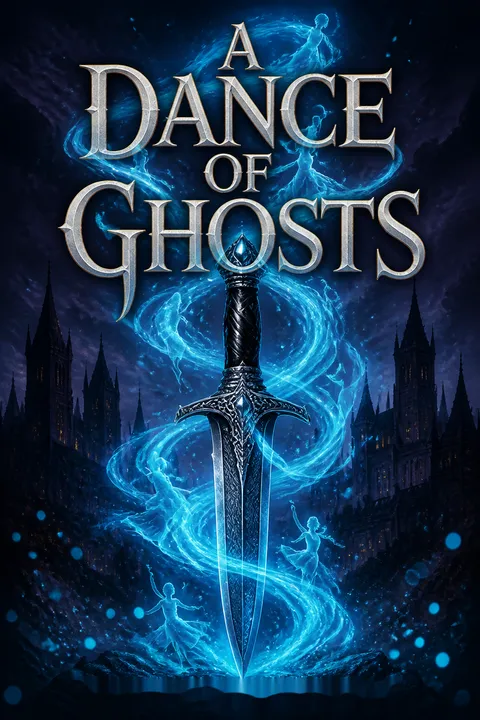

Summary Temporarily Unavailable
This summary is temporarily unavailable and is currently being updated. You can still explore the FAQs and other metadata below.
Plot Summary
Shadows and Smoke
Veldaren is a city ruled by shadows, where thief guilds vie for power and the streets are thick with fear. The arrival of Muzien the Darkhand, a legendary elven guildmaster, signals a new era. He brings with him the Sun Guild, intent on conquering the city's underworld. Muzien's reputation precedes him—cold, calculating, and merciless. He offers the existing guilds a choice: join him or be destroyed. When the Hawk Guild attempts to resist, Muzien unleashes fire and death, burning them alive as a warning. The city's old order is crumbling, and the people sense a storm coming. In the smoke and chaos, alliances shift, and the city's fate hangs in the balance, haunted by the ghosts of those who refuse to bow.
The Darkhand Arrives
Muzien's arrival is not just a rumor—it is a calculated invasion. He meets with the leaders of the city's guilds, offering them a place in his new order. Some, like Kadish of the Hawks, resist and pay with their lives. Muzien's methods are ruthless, using fear and overwhelming force to subdue opposition. His mutilated ears and blackened hand are symbols of his past and his resolve. The Sun Guild's influence spreads rapidly, marked by stone tiles bearing their symbol. The city's old powers—Thren Felhorn, the Watcher, and others—are forced to confront the reality that Veldaren is no longer theirs. Muzien's presence is a shadow over every street, and his ambition is limitless.
Blood and Betrayal
Thren Felhorn, once the city's most feared guildmaster, travels with his estranged son Haern, known as the Watcher. Their relationship is fraught with tension, shaped by years of violence and conflicting ideals. As they journey together, they encounter the Sun Guild's expansion firsthand, slaughtering a caravan of its members. The act is both necessity and a reminder of the blood that stains their hands. Meanwhile, Alyssa Gemcroft, blinded and beset by enemies, struggles to protect her family and legacy. Betrayals simmer beneath the surface—among friends, family, and lovers. The city's power struggles are mirrored in the hearts of its most dangerous players, each haunted by the cost of survival.
Fathers and Sons
Haern and Thren's journey is as much internal as external. Thren, the architect of Haern's brutal upbringing, seeks to reclaim his son, to mold him into the heir he always desired. Haern, scarred by his father's cruelty, resists, clinging to a fragile sense of morality. Their conversations are battles—of philosophy, of memory, of pain. Thren's pride and Haern's guilt collide, each unable to fully let go of the other. The city's fate is entwined with their choices, as both men are forced to confront what they have become and what they might yet be. In the shadows, the line between love and hate blurs, and the past refuses to stay buried.
The Price of Power
Alyssa's household is a microcosm of the city's turmoil. Surrounded by would-be allies and hidden enemies, she must navigate a web of intrigue. Victor Kane, a lord with dreams of cleansing Veldaren, seeks her hand and her resources, but his motives are tangled with pride and desperation. Melody Gemcroft, Alyssa's mother, plots in the darkness, manipulating prisoners and assassins to secure her own rise. The cost of power is steep—loyalty is bought and sold, and trust is a rare commodity. As the Sun Guild tightens its grip, the city's elite are forced to choose sides, each decision carrying the risk of ruin or redemption.
The Lion's Chains
The influence of Karak, the god of order and fire, looms over the city. Melody's schemes are guided by visions and the counsel of priests, who wield faith as both weapon and shield. The faceless women—once loyal servants of Karak—are tools in a game of control and punishment. In the Stronghold, the dark paladins enforce their god's will with cruelty, torturing and breaking those who oppose them. The line between devotion and madness blurs, as characters like Luther and Daverik manipulate faith for their own ends. The Lion's chains bind not just the body, but the soul, and the city trembles beneath their weight.
The City Burns
Muzien's conquest is marked by public displays of brutality. In the marketplace, he executes dissenters and demands tribute, teaching the city to fear the Sun Guild above all else. The old guilds are hunted and destroyed, their leaders killed or forced into hiding. The Wolf Guild's last stand is crushed, and the streets run red. The city's people, once defiant, are cowed into submission. Even the king is forced to accept Muzien's rule, his soldiers ordered to ignore the Sun Guild's crimes. Veldaren is transformed—a city of shadows, ruled by terror, where hope is a dangerous illusion.
Ghosts of the Past
Ghost, a mercenary thought dead, returns to Veldaren, scarred in body and soul. Driven by a curse and manipulated by Melody and Daverik, he is forced to hunt those he once knew—Zusa, Delysia, and the Watcher. His journey is one of pain and regret, seeking forgiveness for the lives he has taken. The city is full of ghosts—memories of betrayal, love, and loss. Each character is pursued by their past, unable to escape the consequences of their choices. In the end, forgiveness is as elusive as peace, and the dead are never truly gone.
The Watcher's Dilemma
Haern, the Watcher, is torn between the legacy of his father and his own ideals. His relationship with Delysia, a priestess of Ashhur, is strained by the violence he cannot escape. When Ghost seeks forgiveness, Delysia offers it, but Haern cannot. The confrontation ends in blood, with Haern killing Ghost despite Delysia's pleas. The act fractures their bond, leaving Haern isolated and questioning his own worth. Mercy, once his guiding principle, now feels like a weakness. The city's darkness seeps into his soul, and the line between justice and revenge grows ever thinner.
The Faceless and the Faithful
Zusa, once a faceless servant of Karak, is forced to confront the horrors of her past and the cost of obedience. She discovers new victims of the faceless order and chooses to break the cycle, freeing the girls and killing Daverik. Stripped of her wrappings, she seeks a new identity, but finds only sorrow and exile. The city's faith is in turmoil—priests debate the fate of the faceless, and visions of fire and destruction haunt the innocent. The gods' silence is broken only by violence, and those who serve them are left to wonder if they are saviors or monsters.
The Sun Rises
With the old guilds destroyed and the city's leaders cowed, Muzien declares himself the true king of Veldaren. His power is enforced by ritual and spectacle—public executions, tithes, and the omnipresent symbol of the Sun. Even the Trifect, once untouchable, must bow or be broken. Alyssa, forced into a political marriage with Victor, sacrifices love and friendship for the hope of survival. The city's spirit is crushed, and resistance seems futile. Yet beneath the surface, old enemies plot, and the seeds of rebellion are sown in the ashes of defeat.
The Stronghold's Secrets
Haern and Thren infiltrate the Stronghold, seeking answers from Luther, the imprisoned priest. Betrayal follows betrayal—Thren abandons Haern to a deadly pit, and Haern must fight for survival against an immortal cursed to feed on the living. Luther's secrets are revealed: the Sun Guild's stone tiles are part of a greater plan, a magical network capable of destroying the city to prevent a greater evil. The fate of Veldaren rests on a knife's edge, and the cost of salvation may be more than anyone is willing to pay.
Fire and Forgiveness
As the city teeters on the brink, characters seek forgiveness for their sins. Ghost, dying and desperate, begs Delysia for absolution. She grants it, breaking the curse that binds him, but Haern's vengeance cannot be denied. The act shatters what remains of his relationship with Delysia, leaving both adrift. Zusa, too, seeks redemption, freeing the innocent and rejecting the faith that once defined her. The city's wounds are deep, and forgiveness is a fragile, fleeting thing. In the end, fire consumes all—old hatreds, old loyalties, and the hope of peace.
The Breaking of Bonds
Alyssa's marriage to Victor is a political necessity, but it costs her the friendship and love of Zusa. The bonds that once held the city's defenders together are broken—Haern and Delysia, Zusa and Alyssa, Thren and his son. Each is left to find their own way in a city that no longer feels like home. The Watcher, once a symbol of hope, is now a man haunted by his own choices. The city's future is uncertain, and the only certainty is that nothing will ever be the same.
The Fall of the Guilds
Muzien's victory is complete. The thief guilds are gone, their leaders dead or in hiding. The king is a puppet, the Trifect divided and weakened. The Sun Guild's stone tiles are revealed to be a network of magical bombs, capable of reducing the city to ash at a word. Thren, denied his legacy, contemplates using this power to destroy everything rather than let Muzien rule. The city is a powder keg, and the spark is ready to fall. In the shadows, the true war for Veldaren's soul is just beginning.
The Weight of Mercy
Haern, Zusa, and Delysia each grapple with the consequences of their choices. Mercy, once a virtue, now feels like a curse. Haern's refusal to forgive, Zusa's rejection by Alyssa, and Delysia's heartbreak all stem from the struggle to do what is right in a world that punishes kindness. The city's darkness is mirrored in their hearts, and each must decide whether to cling to hope or surrender to despair. In the end, mercy is both a blessing and a wound, shaping the fate of all who dare to offer it.
The Spider's Web Unraveled
Thren returns to Veldaren, determined to reclaim his legacy or destroy it. Muzien, triumphant, offers him a place in the new order, but Thren refuses. The medallion given by Luther is the key to the city's destruction—a final, desperate measure to prevent the rise of a greater evil. As the city's defenders gather their strength, alliances are tested and old wounds reopened. The web of power that once held Veldaren together is torn apart, and the city stands on the brink of chaos. The dance of ghosts is not yet over, and the final reckoning awaits.
Analysis
A Dance of Ghosts is a meditation on the cost of power, the burden of legacy, and the struggle for redemption in a world where violence is both currency and curse. David Dalglish crafts a narrative where every act of mercy is shadowed by the threat of betrayal, and every act of violence leaves wounds that never fully heal. The novel interrogates the nature of leadership—whether through fear, love, or faith—and the ways in which systems of power perpetuate cycles of suffering. The characters are haunted by their pasts, each seeking forgiveness or vengeance, but the city itself is the true protagonist: a living organism shaped by the choices of its inhabitants. The magical infrastructure of the Sun Guild's tiles is a brilliant metaphor for the hidden dangers of unchecked ambition—what appears to be order is, in fact, a powder keg. Ultimately, the book asks whether it is possible to break free from the chains of history, or whether every attempt at salvation is doomed to repeat the sins of the past. In a world where hope is as dangerous as despair, A Dance of Ghosts offers no easy answers—only the promise that, even in the darkest night, the dance continues.
Last updated:
Report IssueReview Summary
A Dance of Ghosts receives mostly positive reviews, with an average rating of 4.16 out of 5. Readers praise the character development, world-building, and action-packed plot. Many consider it a strong entry in the series, setting up for an exciting finale. Some criticize it as a transitional book with slower pacing. The complex relationships and political intrigue are highlighted as strengths. A few readers express disappointment with certain character arcs and plot points. Overall, fans of the series eagerly anticipate the conclusion.
People Also Read

Characters
Haern (The Watcher)
Haern is the son of Thren Felhorn, raised to be a perfect killer but yearning for something more. As the Watcher, he is both feared and revered, a symbol of hope and terror in Veldaren. His relationship with his father is fraught with pain, pride, and regret—each seeking to shape the other. Haern's struggle is internal as much as external: he wants to protect the innocent but is constantly drawn back into violence. His love for Delysia offers a glimpse of redemption, but his inability to forgive—both others and himself—leaves him isolated. Haern's journey is one of self-discovery, as he tries to define his own morality in a world that punishes mercy and rewards ruthlessness.
Thren Felhorn
Thren is the architect of Veldaren's underworld, a man whose ambition and cruelty are matched only by his cunning. He raised Haern to be his heir, denying him love and compassion in favor of strength and obedience. Thren's pride is both his weapon and his weakness—he cannot accept failure, nor can he let go of his vision for his legacy. As Muzien's conquest erases all he built, Thren is forced to confront his own irrelevance. His relationship with Haern is a tragic dance of love, hate, and longing for connection. In the end, Thren is left with a choice: destroy the city to deny it to his enemies, or find a new path in the ashes of his dreams.
Muzien the Darkhand
Muzien is an elven guildmaster whose reputation for ruthlessness is legendary. His mutilated ears and blackened hand are marks of sacrifice and defiance. Muzien's methods are calculated and brutal—he conquers not just with violence, but with fear, ritual, and spectacle. He sees himself as a necessary force, bringing order to chaos, but his vision is one of tyranny. Muzien is both a mirror and a foil to Thren and Haern—where they are shaped by emotion and legacy, he is shaped by ideology and ambition. His presence forces every character to confront what they are willing to sacrifice for survival, power, or hope.
Delysia Eschaton
Delysia is a healer and a light in the darkness of Veldaren. Her faith in Ashhur guides her actions, and her compassion is both her strength and her vulnerability. Her relationship with Haern is central to her arc—she loves him, but is wounded by his inability to forgive and his descent into violence. Delysia's power is formidable, but she fears what she becomes when she unleashes it. Her forgiveness of Ghost is an act of grace, but it costs her dearly. Delysia embodies the struggle to remain kind in a world that punishes kindness, and her journey is one of heartbreak, resilience, and the search for peace.
Zusa
Once a faceless servant of Karak, Zusa is marked by scars—physical and emotional. Her loyalty to Alyssa is unwavering, but her love is ultimately rejected in favor of political necessity. Zusa's journey is one of self-liberation: she rejects the faith that once defined her, frees the innocent, and seeks a new life beyond the shadows. Her relationship with Haern is one of mutual understanding and shared pain, culminating in a night of comfort that is both healing and bittersweet. Zusa is a survivor, but her survival comes at the cost of everything she once believed in.
Alyssa Gemcroft
Alyssa is a woman beset by loss—her sight, her power, her trust in those closest to her. She navigates a world of betrayal and shifting alliances, forced to choose between love and survival. Her marriage to Victor is a sacrifice, made for the sake of her son Nathaniel's future. Alyssa's strength is in her resilience, but her choices leave her isolated and haunted by regret. She is both a victim and a player in the city's deadly games, and her fate is a testament to the cost of power in a world ruled by shadows.
Victor Kane
Victor is a man driven by the desire to cleanse Veldaren and build something lasting. His love for Alyssa is genuine, but his ambition often blinds him to the consequences of his actions. Victor's methods grow harsher as the city resists his vision, and his alliance with Alyssa is as much political as personal. He is both a potential savior and a warning—good intentions twisted by pride and desperation. Victor's arc is one of disillusionment, as he learns that hope alone is not enough to change a city built on blood.
Ghost (Lawrence)
Once a feared mercenary, Ghost returns to Veldaren broken and haunted by his past. Manipulated by Melody and Daverik, he is forced to hunt those he once knew, but his true desire is forgiveness. His confrontation with Delysia is a moment of grace, but Haern's vengeance denies him peace. Ghost's journey is a meditation on guilt, the possibility of change, and the cost of violence. In the end, he dies not as a monster, but as a man seeking absolution—a ghost laid to rest by the mercy of another.
Melody Gemcroft
Melody is a survivor, shaped by years of abuse and imprisonment. Her faith in Karak is both a comfort and a curse, guiding her actions even as it leads her to betray her own daughter. Melody's schemes are driven by a desire for power and security, but they ultimately destroy her. Her death is both a tragedy and a release, the end of a life spent in pursuit of a salvation that never comes.
Luther
Luther is a priest of Karak whose vision for the city is both apocalyptic and redemptive. He manipulates the Sun Guild and the city's power players, laying the groundwork for a magical network capable of destroying Veldaren. His motives are complex—a desire to prevent a greater evil, even at the cost of everything he loves. Luther's secrets are the key to the city's fate, and his death leaves others to decide whether to save or destroy all that remains.
Plot Devices
Duality of Mercy and Violence
The narrative structure of the novel is built on the tension between mercy and violence, embodied in the relationships between fathers and sons, lovers and enemies. Haern's struggle to balance justice and vengeance, Delysia's commitment to forgiveness, and Zusa's rejection of her past all serve as mirrors to the city's own turmoil. The story uses parallel arcs—Haern and Thren, Alyssa and Melody, Muzien and the city itself—to explore how power corrupts and how compassion can be both a strength and a liability. Foreshadowing is woven through visions, dreams, and prophecies, hinting at the city's potential destruction and the choices that might avert or ensure it.
Magical Infrastructure as a Ticking Bomb
The Sun Guild's stone tiles, distributed throughout Veldaren, are revealed to be more than symbols of conquest—they are components of a magical network capable of annihilating the city. This device serves as both a literal and metaphorical representation of the city's fragility. The threat of destruction hangs over every character's choices, raising the stakes and forcing impossible decisions. The medallion given to Thren is the key, and its existence is a constant source of tension, driving the narrative toward an inevitable reckoning.
Cycles of Betrayal and Redemption
The plot is driven by cycles of betrayal—between fathers and sons, friends and lovers, leaders and followers. Each betrayal is an opportunity for redemption, but forgiveness is never easy or guaranteed. The characters' attempts to break free from their pasts are mirrored in the city's struggle to escape its own legacy of violence. The narrative structure uses these cycles to build emotional resonance, ensuring that every act of violence is countered by a plea for mercy, and every act of mercy is haunted by the threat of betrayal.
Interwoven Points of View
The novel employs a shifting third-person perspective, allowing readers to inhabit the minds of a diverse cast. This structure deepens the emotional impact, as each character's motivations and fears are revealed. The interwoven points of view create a tapestry of conflict and connection, highlighting the ways in which individual choices shape the fate of the many. The use of dreams, visions, and magical communication further blurs the boundaries between characters, time, and reality, reinforcing the sense that all are caught in the same dance of ghosts.
Shadowdance Series
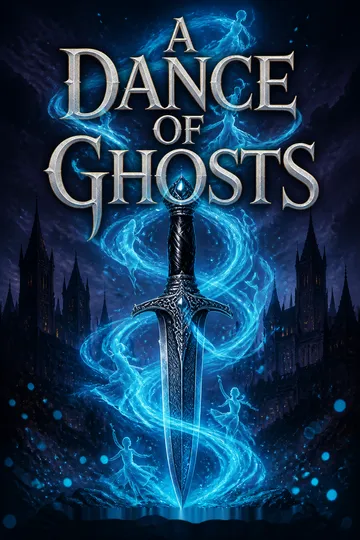
About the Author
David Dalglish is an American fantasy author known for his Shadowdance series, of which A Dance of Ghosts is the fifth installment. Dalglish's writing style is characterized by fast-paced action, intricate world-building, and complex character relationships. He draws inspiration from epic fantasy works like Game of Thrones, aiming to create similarly intricate and engaging stories. Dalglish's books often explore themes of redemption, loyalty, and the struggle between good and evil. His work in the Shadowdance series has garnered a dedicated fanbase, with readers praising his ability to create atmospheric and immersive fantasy worlds.
Download PDF
Download EPUB
.epub digital book format is ideal for reading ebooks on phones, tablets, and e-readers.








































