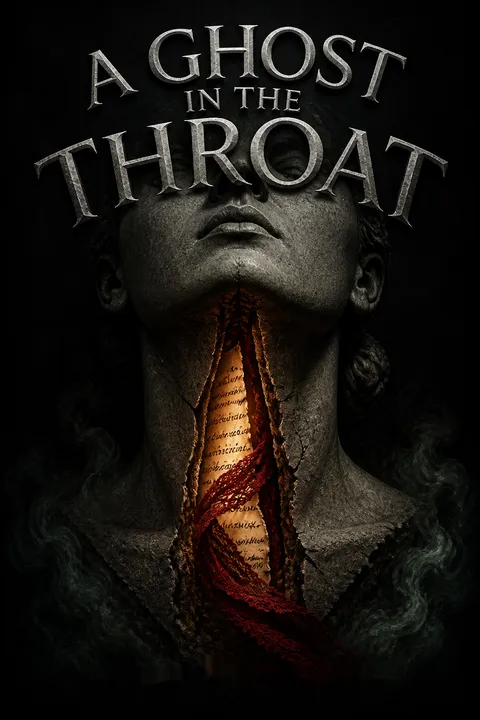

Plot Summary
Echoes in Domestic Silence
The narrative opens with the author's daily life, a swirl of domestic chores, childcare, and the relentless ticking of to-do lists. Amidst the chaos, she finds solace and identity in the repetition of tasks, drawing a deep satisfaction from the erasure of each completed item. Yet, beneath the surface, there is a yearning for something more—a connection to other women across time who have lived similar days. The author's consciousness is haunted by the presence of Eibhlín Dubh Ní Chonaill, an eighteenth-century Irish noblewoman and poet, whose voice and story begin to infiltrate the author's routines. This chapter establishes the central motif: the echo of female experience, reverberating through centuries, binding women together in both drudgery and wonder.
Milk, Lists, and Longing
The author's life is structured by the rhythms of breastfeeding and milk donation, which become both a literal and metaphorical act of giving herself away. She describes the meticulous routines of pumping, labeling, and shipping milk to a distant bank for premature infants, finding in this process a sense of agency and altruism. Yet, this ritual is also a means of exerting control over the uncontrollable anxieties of motherhood—illness, housing insecurity, and the unpredictable future. The act of donating milk is layered with superstition, hope, and a desire for karmic balance, as well as a longing for connection with unseen others. Through these routines, the author's identity as a mother and a woman is both affirmed and effaced.
The Haunting of Eibhlín Dubh
From childhood, the author is captivated by the story of Eibhlín Dubh Ní Chonaill, whose legendary lament for her murdered husband, Art Ó Laoghaire, becomes a touchstone for the author's own emotional life. The poem's themes of love, loss, and female agency resonate deeply, shaping the author's understanding of desire and grief. As she matures, her relationship with the poem evolves—from adolescent romanticism to adult empathy, especially as she experiences the complexities of marriage, motherhood, and longing. The haunting presence of Eibhlín Dubh becomes both a source of inspiration and a mirror for the author's own struggles, blurring the boundaries between past and present, self and other.
Translating a Female Voice
Driven by obsession, the author embarks on a personal translation of Eibhlín Dubh's lament, finding in the painstaking process a parallel to homemaking. Each stanza is a room to be furnished, each word a piece of furniture to be arranged. The act of translation becomes an intimate dialogue across centuries, allowing the author to inhabit the poet's thoughts and emotions. Yet, the work is fraught with frustration and self-doubt; no translation can fully capture the original's timbre or presence. The author comes to value the spaces between words—the breath, the sigh, the lingering presence of the poet—more than the text itself. Translation, like motherhood, is an act of devotion marked by imperfection and love.
Motherhood, Desire, and Loss
The narrative delves into the physical and emotional toll of motherhood: the exhaustion, the loss of sexual desire, and the sense of self-sacrifice that borders on self-erasure. The author describes the postpartum period as a time when her body is ruled by milk and fatigue, her own needs subsumed by those of her children. Sex becomes another chore, endured rather than enjoyed, and honesty with her husband falters. Yet, there is also contentment in this self-abnegation, a comfort in the routines and the tangible evidence of care. The return of desire is experienced as a joyful, almost miraculous, reawakening—a reminder of the self that persists beneath the layers of duty.
The Milking Parlour Sisterhood
A medical crisis with her newborn daughter brings the author into the world of the neonatal intensive care unit, where she joins a community of mothers bound by fear, exhaustion, and the relentless routines of pumping and caregiving. The "milking parlour" becomes a space of shared stories, whispered hopes, and mutual support—a female text written in milk, tears, and laughter. The experience is both harrowing and transformative, exposing the fragility of life and the strength of maternal love. The author's sense of control is shattered, replaced by a humbling dependence on others and a deepened empathy for all mothers who endure such trials.
Obsession and Research
Unable to find satisfaction in existing translations and biographies, the author becomes obsessed with uncovering the real life of Eibhlín Dubh. She scours archives, family letters, and historical texts, piecing together fragments of the poet's world—her family, her twin sister, her mother, and the social context of eighteenth-century Ireland. The research is both a scholarly pursuit and a personal quest, driven by a desire to rescue women's lives from the shadows of male history. The author's own life becomes entwined with her subject's, as she imagines, reconstructs, and sometimes invents the details that history has erased.
The Dissection Room's Lessons
The author reflects on her brief, abortive attempt to study medicine, recalling the visceral experience of dissecting a cadaver and the sense of failure that followed her departure from the field. The dissection room becomes a metaphor for the desire to know, to penetrate the mysteries of the body and the past, and the inevitable limitations of such knowledge. The author's own body—marked by scars, milk, and motherhood—becomes a text to be read and interpreted, its secrets both revealed and withheld. The lesson is one of humility: some mysteries cannot be solved, some absences cannot be filled.
Blood, Betrayal, and Grief
The narrative reconstructs the central tragedy of Eibhlín Dubh's life: the murder of her husband, Art Ó Laoghaire, by Abraham Morris and his men. The event is recounted with visceral immediacy—the blood in the mud, the galloping horse, the keening widow. Eibhlín's response is both primal and poetic: she drinks her husband's blood, curses his killers, and composes a lament that is at once a dirge, a love song, and a cry of rage. The poem becomes a vessel for grief, desire, and resistance, its echoes reverberating through the author's own experiences of loss and longing.
The Caoineadh's Lament
The text of the Caoineadh (lament) is woven throughout the narrative, both in translation and in the original Irish. It is a female text in every sense—composed, preserved, and transmitted by women, embodying the complexities of love, anger, and sorrow. The lament is both a personal and a collective expression, a chorus of voices that transcends time and individual experience. The author meditates on the significance of the poem's survival, its transmission through oral tradition, and its eventual inscription in the literary canon. The Caoineadh becomes a symbol of the endurance and vulnerability of female creativity.
Inheritance and Erasure
The author traces the fates of Eibhlín Dubh's children and descendants, following the threads of family history through generations of letters, marriages, and migrations. The search is marked by gaps, silences, and erasures—women's names omitted from gravestones, their lives reduced to footnotes in male narratives. The author confronts the limitations of historical memory, the fragility of objects and texts, and the ways in which women's contributions are so often lost or overlooked. Yet, she also finds moments of connection and continuity, small treasures that survive against the odds.
Searching for Eibhlín's Trace
The obsession with Eibhlín Dubh leads the author into the labyrinth of genealogy, as she attempts to reconstruct the poet's lineage and legacy. The search is both literal and symbolic—a quest for evidence, for closure, for a sense of belonging. Each discovery is met with new questions, each answer with further mysteries. The process becomes a meditation on the nature of history, the persistence of absence, and the longing for connection across time. The author's own identity is shaped by this search, as she recognizes herself as both hunter and haunted.
The Persistence of Mystery
After years of research, the author is forced to confront the impossibility of fully knowing Eibhlín Dubh or her world. The gaps in the record, the lost objects, the vanished rooms—all become symbols of the limits of human understanding. Yet, rather than despair, the author learns to value the mystery itself, to find beauty in the unknown and the unknowable. The act of searching, of holding and letting go, becomes its own form of meaning. The persistence of mystery is not a failure, but a testament to the richness and complexity of women's lives.
Letting Go, Holding On
The narrative returns to the present, as the author weans her daughter and contemplates the end of her own years of pregnancy and breastfeeding. The process is both a liberation and a loss, a letting go of one identity and the tentative embrace of another. The body, marked by scars and memories, becomes a site of both vulnerability and pride. The author reflects on the cycles of growth and decay, the echoes of childhood and motherhood, and the ways in which endings are always also beginnings. The act of letting go is an act of faith in the future.
Bees, Gardens, and Endings
In her new home, the author tends a garden inherited from another woman, finding in the work of planting, weeding, and nurturing a metaphor for the creative and generative power of women's lives. The bees she attracts become symbols of community, resilience, and the interconnectedness of all living things. The chapter explores themes of inheritance, stewardship, and the bittersweet nature of change. The author's relationship with her husband, her children, and her own desires is reframed in the context of growth, loss, and renewal. The garden becomes a living text, a space where past and present, self and other, are continually rewritten.
The Female Text Endures
The book concludes with a meditation on the endurance of female texts—those written in ink, in milk, in song, and in silence. The author acknowledges the impossibility of fully capturing or preserving any life, yet affirms the value of the attempt. The act of writing, like the act of mothering, is an offering, a gift given without guarantee of return. The echoes of Eibhlín Dubh's voice, and of all the women who came before and after, continue to resonate in the author's life and in the lives of her readers. The female text, in all its forms, persists—fragile, flawed, and fiercely alive.
Analysis
A Ghost in the Throat is a radical act of literary reclamation, blending memoir, biography, translation, and feminist meditation to explore the lives of women across centuries. At its heart is the recognition that women's experiences—of motherhood, desire, loss, and creativity—are both unique and universal, shaped by historical forces yet resonant in the present. The book challenges traditional narratives that center male achievement and authority, insisting instead on the value of the "female text"—those stories written in milk, in lists, in song, and in silence. Through her obsessive quest to recover the life of Eibhlín Dubh Ní Chonaill, the author confronts the limitations of knowledge, the persistence of absence, and the necessity of imagination. The act of searching, of holding and letting go, becomes a metaphor for the work of all women who seek to make meaning from the fragments of their lives. Ultimately, the book is a celebration of endurance, connection, and the transformative power of female creativity—a reminder that even in the face of erasure and loss, the echoes of women's voices continue to shape the world.
Review Summary
A Ghost in the Throat receives mostly enthusiastic praise (4.01/5) for its genre-defying blend of memoir, biography, and poetry. Readers appreciate Ní Ghríofa's lyrical prose exploring her obsession with 18th-century Irish poet Eibhlín Dubh Ní Chonaill while chronicling her own experiences with motherhood and domesticity. The book's celebration of "female texts" and women's erasure from history resonates strongly. However, some find the narrative repetitive or struggle with its extensive focus on breastfeeding and domestic labor. Critics question whether the parallels between past and present fully connect, though many praise the poetic language and innovative structure.
People Also Read

Characters
Doireann (The Narrator)
Doireann is a contemporary Irish woman, poet, and mother whose daily life is shaped by the relentless demands of domesticity and childcare. Her psyche is marked by a deep sense of connection to the women who came before her, especially Eibhlín Dubh Ní Chonaill. Doireann's journey is one of obsession, empathy, and self-discovery, as she seeks to bridge the gap between past and present, self and other. Her relationship with her husband and children is loving but fraught with the tensions of desire, exhaustion, and self-sacrifice. Through her research, translation, and writing, Doireann confronts the limits of knowledge, the persistence of absence, and the transformative power of female creativity.
Eibhlín Dubh Ní Chonaill
Eibhlín Dubh is the central historical figure whose life and lament haunt the narrative. Born into a powerful Irish family, she defied social norms by eloping with Art Ó Laoghaire, only to lose him to murder. Her response—a passionate, complex lament—becomes a touchstone for female expression, blending love, rage, and grief. Eibhlín's character is marked by agency, desire, and resilience, but also by profound suffering and loss. Her voice, preserved through oral tradition and translation, becomes both a symbol and a vessel for the experiences of countless women whose stories have been marginalized or erased.
Art Ó Laoghaire
Art is Eibhlín Dubh's beloved husband, a dashing and defiant figure whose refusal to submit to English authority leads to his murder. He is remembered through the adoring and anguished lens of his wife's lament, his presence both idealized and humanized. Art's death is the catalyst for the poem and for Eibhlín's transformation from wife to widow, lover to lamenter. His character embodies themes of resistance, vulnerability, and the high cost of pride and passion.
Máire Ní Dhonnabháin Dhubh
Máire is Eibhlín's formidable mother, a woman of intellect, wit, and practical skill. She manages a large household, navigates the dangers of colonial Ireland, and composes her own verses. Máire's influence is felt in her daughters' lives, both as a model of female agency and as a source of conflict and expectation. Her presence in the narrative underscores the importance of maternal lineage, the transmission of culture, and the complexities of mother-daughter relationships.
Mary (Eibhlín's Twin Sister)
Mary, Eibhlín's twin, serves as both a companion and a foil. Her life follows a more conventional path—marriage, children, social respectability—yet she, too, experiences loss, longing, and the constraints of her gender. The bond between the sisters is deep but fraught, shaped by rivalry, separation, and the divergent choices they make. Mary's story highlights the multiplicity of female experience and the ways in which women's lives are shaped by both agency and circumstance.
The Husband (Doireann's Partner)
Doireann's husband is a loving and reliable partner, sharing in the burdens and joys of family life. His character is defined by patience, humor, and a willingness to endure discomfort for the sake of his wife and children. Yet, he is also a site of conflict, especially as Doireann grapples with her own desires, exhaustion, and the limits of self-sacrifice. Their relationship is a microcosm of the broader themes of the book: love, compromise, and the negotiation of individual and collective needs.
The Children
The children—Doireann's sons and daughter—are both the impetus for and the beneficiaries of their mother's labor and love. They represent the future, the persistence of lineage, and the ongoing cycle of care and creativity. Their presence in the narrative grounds the abstract themes of the book in the tangible realities of daily life, reminding the reader of the stakes and the rewards of female devotion.
Abraham Morris
Morris is the English magistrate responsible for Art Ó Laoghaire's death. He embodies the forces of colonial power, injustice, and patriarchal violence that shape the lives of Eibhlín Dubh and her family. His actions set in motion the tragedy at the heart of the narrative, and his eventual fate is a subject of both historical record and poetic justice.
The Milking Parlour Mothers
The women Doireann meets in the neonatal unit form a chorus of voices, each with her own story of hope, fear, and endurance. Together, they create a space of solidarity, humor, and mutual care—a living female text written in milk and tears. Their presence underscores the communal nature of motherhood and the power of shared experience.
The Bees
Though not human characters, the bees in Doireann's garden serve as powerful metaphors for the interconnectedness of women's lives, the cycles of growth and loss, and the resilience of female creativity. Their presence in the narrative links the personal to the ecological, the individual to the collective, and the present to the past.
Plot Devices
Interwoven Narratives Across Time
The book's structure braids together the contemporary life of the narrator with the historical life of Eibhlín Dubh, using the motif of the "female text" to draw connections between their experiences. This interweaving allows for a rich exploration of themes such as motherhood, desire, loss, and creativity, while also highlighting the persistence of certain struggles and joys across generations. The narrative moves fluidly between memoir, biography, translation, and meditation, creating a tapestry of voices and stories.
The Caoineadh as Central Text
Eibhlín Dubh's lament for Art Ó Laoghaire serves as the emotional and structural core of the book. Its verses are quoted, translated, and reinterpreted throughout, providing a lens through which to view both the historical and contemporary narratives. The poem's themes of love, rage, and grief resonate with the author's own experiences, and its survival through oral tradition becomes a metaphor for the endurance of women's voices.
Objects as Portals to the Past
Objects—milk, lists, breast pumps, letters, mirrors, fragments of china—are imbued with symbolic significance, serving as tangible links between the lives of women across time. These items become vessels for memory, desire, and loss, their presence or absence marking the boundaries of what can be known or imagined. The act of searching for, handling, or losing these objects mirrors the larger quest for connection and understanding.
Research as Obsession and Devotion
The author's relentless pursuit of Eibhlín Dubh's story is both a scholarly endeavor and a personal pilgrimage. The process of research—marked by frustration, failure, and occasional triumph—becomes a metaphor for the search for meaning, identity, and belonging. The narrative structure reflects this quest, with digressions, dead ends, and moments of revelation woven into the fabric of the text.
The Body as Text
The author's body—marked by childbirth, breastfeeding, scars, and illness—serves as both a literal and figurative text to be read, interpreted, and understood. The dissection room, the milking parlour, and the garden all become sites where the boundaries between self and other, past and present, are negotiated through the body. This device foregrounds the materiality of female experience and the ways in which bodies carry history, memory, and meaning.
Foreshadowing and Recurrence
Recurring images—milk, blood, lists, keys, bees, echoes—serve to foreshadow events, reinforce themes, and create a sense of continuity across the disparate strands of the narrative. The use of repetition and variation mirrors the cycles of domestic life and the persistence of certain patterns across generations. These motifs also underscore the book's central argument: that women's lives, though often overlooked or erased, are bound together by shared experiences and enduring creativity.
Download PDF
Download EPUB
.epub digital book format is ideal for reading ebooks on phones, tablets, and e-readers.








































