
Plot Summary
Family Heat Under Pressure
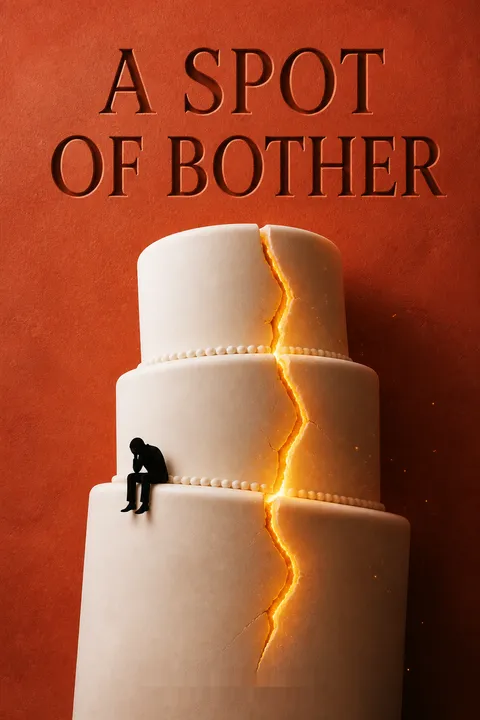
The Hall family is a tapestry of barely-contained anxieties. Katie is caught between her mother's relentless opinions, her own fear of making a second marital mistake, and her pragmatic, if unluxurious, wedding plans with Ray. The family's ability to love is as turbulent as their capacity for misunderstanding—Jean both shields and needles her children, while George, a recently retired patriarch, struggles to connect and fill his days. Frictions surface, especially over Katie's wedding, and the presence (or absence) of each other stakes out emotional territory. While ordinary domestic events unfold, the family members manage rivalries, suspicions, and wishes alike, making even a simple wedding a vortex of expectation and dread.
Lesion, Fear, Diagnosis
George Hall's hypochondria is more than a quirk. When he discovers a lesion on his hip, he's plunged into existential panic, to the point of visualizing his own death in minute detail. Despite Dr. Barghoutian's benign diagnosis (eczema, quickly curable), George's mind remains a battlefield of dread—obsessive, circular, and shamefully private. Mark Haddon takes us deep inside the claustrophobia of late-middle-aged male anxiety: the horror of decline, the shame of needing help, the overwhelming threat of the body turning against itself. This mortal crisis simmers beneath all other family drama, making even trivial events feel radiant with dread or fragile reprieve.
Siblings and Lovers Divide
Jamie, Katie's brother, is quietly devastated by Katie's choice of Ray as a partner, mourning both her distance and their changing relationship. His own romantic life with Tony is tender but fractious; Jamie is torn between hiding Tony from his family and longing for open inclusion. Old wounds—coming out, childhood loneliness, feeling foreign in his own family—boil just under the surface. An argument over the wedding triggers a break with Tony, who leaves, delivering a blow Jamie can barely process. Jamie's longing for connection fighting with his instinct for isolation reflects the book's broader tension between family loyalty and the urge for self-protection.
Infidelities and Parental Masks
Jean, silently dissatisfied, is drawn into an affair with David—a man who both listens and sees her, providing the warmth and attention absent in her marriage to George. Her relationship with David is not just sexual, but an assertion of identity after a lifetime as dutiful wife and mother. This affair is kept hidden, but its pressure alters her interactions and gradually destabilizes the Hall household. The motif of appearances versus truth—ritual, politeness, social status—is a narrative undercurrent, as each parent masks pain, desire, and anger to protect themselves and their children, only to find those masks unraveling at the worst moments.
Wedding Anxiety, Joy, Guilt
As the wedding looms, unresolved issues rise: Jamie is terrified to bring Tony, Katie doubts her love for Ray, George obsesses over mortality, and Jean is emotionally divided by guilt. The preparations—cake, clothes, invitations—are battlegrounds for covert power struggles. Disasters, both comic and emotional, proliferate: a child's tantrum, a best man's crude jokes, family resentments disguised as practical disagreements. The impending ceremony becomes a magnifying lens for everyone's deepest fears and longings, culminating in uncertainty that threatens to upend not only the wedding but the fabric of the family itself.
Eruptions: Secrets, Anger, Escape
Fault lines split: Jamie and Tony argue bitterly and separate. Jean reveals her affair to Katie, placing her daughter in the uneasy role of confidante. Katie and Ray's relationship teeters after a confrontation about trust and love. George's behavior grows erratic, his mind battered by both chemical and emotional storms. Seeking escape, he botches a suicidal attempt at "surgical" self-help and winds up in the hospital. Underneath the farce lies real pain: everyone's personal eruptions spill over, causing collateral damage in each other's lives, making each member re-examine who they can truly depend on.
Breaking, Healing, Love's Failure
The crisis climaxes in George's hospitalization and the specter of psychiatric collapse. Katie cancels the wedding, blaming herself for failing to recognize her father's needs. Ray, left dangling between connection and rejection, questions his place, unsure whether his love is enough. Jamie falls apart, attempts and fails to reconcile with Tony, and experiences the emptiness of independence. Grief, relief, shame, and longing swirl as each family member faces the possibility of permanent loss—of health, of love, of their constructed selves. The only bonds left are those that survive these tests, battered but authentic.
Parents Shaken, Children Shaken
Recovery is slow and incomplete. Jean, exhausted and humbled, reassesses her own needs versus her family's. George, reduced and fragile, gradually re-engages with life through therapy, medication, and honest conversation—however halting. Katie and Ray, after separation and honest reckoning, discover a partnership rooted in mutual respect rather than unresolved gratitude or habit. Jamie recognizes what he truly wants with Tony, discards self-deceit, and risks rejection for the chance of real intimacy. Children nurse parents, lovers nurse each other, and old patterns finally begin to change through pain, perseverance, and awkward kindness.
Attempted Exits, Madness, Return
George, overwhelmed by his sense of incapacity and alienation, tries to disappear—both into the countryside and into oblivion via pills. He is retrieved by his family (and chance), returns to hospital, and slowly emerges from the darkest passage of his breakdown. Across these harrowing episodes, the family's need for each other—no matter how awkwardly expressed—triumphs over the solo flights of despair. Survival is not just a physical act, but a collective one, requiring each member to confront their failings and resist the urge to run from the pain of connection.
Rain Falls, Plans Fray
The days before the rescheduled ceremony are a comic nightmare: bad weather, flooded marquees, plumbing disasters, missing clothing, and relatives converging in a fog of awkwardness and unresolved tension. Yet in this chaos, family and chosen family (friends, lovers) step up—Ray fixes problems with quiet competence, Jean and Katie reconcile, Jamie protects his father, and everyone does their best to stitch the day together. Haddon's irony shines: catastrophe and farce are inextricably mixed, but survival is found in unglamorous adaptation and the willingness to ask for, and accept, imperfect help.
Survival, Recovery, New Choices
In the aftermath of George's breakdown and Katie's aborted wedding, choices are made: Jamie tentatively reconciles with Tony and risks vulnerability with his family; Jean ends her affair, returning to George with chastened acceptance; Katie and Ray, no longer cowed by parental opinion, decide to wed on their own terms. Through tentative acts of forgiveness and new boundaries, the Halls rediscover one another—not because of duty, but because of shared history and the stubborn endurance of affection. The past is not erased, but reframed as something to be lived with, not fled from.
Reunions, Realizations, Commitments
The day of the wedding dawns not as culmination but as proof of transformation. Katie and Ray's partnership, now shorn of self-deceit and social pretense, is grounded in mundane, reliable love. Jamie's reunion with Tony is as much about mutual growth as desire. George finds, if not peace, then competence: facing his anxieties, accepting the limits of his control, and making genuine amends. Jean, compromised but honest, sees her husband and her own needs anew. Commitment is shown not in vows or parties, but in daily acts of care and the willingness to stay present.
Wedding: Chaos and Catharsis
The ceremony itself is a microcosm: disorganized, emotional, and luminous in its imperfection. Family secrets, lost brothers, surprise fights, and unexpected reconciliations blend with blaring music and battered hope. George's brief, moving speech lays bare mortality and the necessity never to take love for granted. A sudden brawl with Jean's former lover (and George's silent rival) electrifies the reception, threatening collapse. Yet out of chaos comes catharsis—grudges, griefs, and apologies becoming the unlikely glue that holds the tribe together. Even in dysfunction, love is chosen again.
Crashes and Rescues
The brawl, disruption, and revealed secrets threaten to unravel everything. Jean and George have the most painful reckoning, confronting the knowledge and aftermath of Jean's affair and George's public humiliation. Jamie provides a lifeline, redirecting disaster with humor and compassion, rescuing his parents from total isolation. Haddon dwells on the ways family often saves us from ourselves—if not by fixing, then by witnessing, accepting, and, finally, forgiving. The rescue is collective, messy, and wholly conditional—an act of grace amid so much evidence of error.
Fights, Forgiveness, Understanding
As celebration gives way to exhaustion, the factions recalibrate: Jean and George tiptoe toward a new honesty, having acknowledged both pain and affection. Katie and Ray, battered but united, claim their new life. Jamie and Tony cherish the quiet miracle of reunion. Ghosts—regret, self-loathing, betrayals—are not banished, but given space in the story, so that forgiveness becomes possible not in spite of, but because of, the memory of pain. Ordinary decency, readiness to start again, and the courage to apologize emerge as the real engines of survival.
Aftermath: Scars and Healing
In the aftermath, the Halls return to daily rhythms. Domestic chores, shared meals, and mundane plans become the true site of redemption; profound wounds are washed, not erased, by gentle, repetitive care and acceptance. Jean and George make peace with their limitations and mutual wounds, choosing to remain together—if not always happily, then at least companionably. Katie, Ray, Jamie, and Tony rediscover the fragile rewards of family, welcoming new in-laws and releasing impossible standards. Survival does not mean perfection, but the humility to carry on, together.
Familial Love, Everyday Hope
In the book's closing scenes, lessons are proved more through resolve than revelation: George chooses to rebuild, plan modest holidays, and return to small pleasures; Jean seeks balance between hope and resignation. The family learns that love is a daily, sometimes failing choice—anchored in presence, apology, and the willingness not to give up, even after profound rupture. As routine reasserts itself, the Halls are neither a model family nor simply broken. Instead, they approximate something like hope: not untroubled joy, but the readiness to find meaning in persistence, forgiveness, and the rediscovery of ordinary affection.
Analysis
A Spot of Botheris both a keen satire of middle-class family life and a compassionate anatomy of the ways people—limited, wounded, absurd, but profoundly human—fumble their way towards connection. Mark Haddon exposes the myth of the "normal family" by placing ordinary people under extraordinary pressure: facing mortality, marital failure, alienation from parents and children, romantic disappointment, and the looming embarrassment of exposure. Instead of heroic or tragic resolutions, the characters muddle through, making unglamorous choices: to forgive, to persist, to apologize, to make space for mess as the price of intimacy. Haddon argues, with wit and tenderness, that happiness is not a stable achievement but a series of small, daily acts of reconciliation, often undertaken amid chaos, setbacks, and misapprehension. The novel's humor, farce, and interior monologues are not mere ornament, but the vehicles by which characters grope their way to empathy and self-knowledge. In a world where the quest for perfection (in weddings, marriages, parenting, or even one's own body) is a folly bound to self-destruction, A Spot of Bother
offers the modest but vital hope that through endurance, humility, and awkward love, even the most fractured families can claim a spot of hope amidst the bother.
Review Summary
Reviews of A Spot of Bother are polarizing, averaging 3.5 stars. Fans praise Haddon's dark humor, tender character portrayals, and ability to depict mental health struggles with empathy and wit. George's descent into anxiety-driven obsession is frequently highlighted as compelling. Critics, however, find the characters unlikeable and poorly developed, the prose lazy, and the resolution overly tidy. Many readers compare it unfavorably to The Curious Incident of the Dog in the Night-Time, feeling disappointed by the departure from that novel's unique voice.
People Also Read



Characters
George Hall
George is the novel's nervous core—a recently retired father facing the emptiness of unstructured days and the terror of mortality. Hypochondriac, tightly wound, and often emotionally inaccessible, George fears change and shuns open conflict. His spiral into mental distress, triggered by a trivial skin lesion, becomes a desperate odyssey through self-diagnosis, attempted self-surgery, and breakdown. His inability to communicate vulnerability distances him from his wife Jean and their children. Yet, in crisis, George is forced to confront the limits of stoicism, the futility of self-reliance, and the fragility of his marriage. He oscillates between rage, despair, and tenderness, ultimately finding partial healing in medication, honesty, and the halting rediscovery of familial love.
Jean Hall
Jean is torn between the obligations of long marriage to George and her hunger for acknowledgment, adventure, and simply being "seen." Her clandestine affair with David, an old acquaintance, springs not from lust alone but from feeling invisible and undervalued. Jean's self-concealment extends as much to herself as to her family; her attempts to keep the peace create a brittle calm that cracks under pressure. She shows fortitude in pragmatic care for George during his breakdown but is herself battered by guilt, loss, and her own emotional needs. Jean's arc is a dance between resignation, regret, and the bittersweet freedom of choosing to continue with George not out of duty, but a more complicated acceptance.
Katie Hall
Katie is spirited, intelligent, and burdened by the residue of past mistakes (her failed first marriage) and present doubts (her hurried engagement with the dependable yet uninspiring Ray). Often torn between the competing demands of her mother and her own son Jacob, she wrestles with shame, anger, and the weight of expectation. Katie cycles through resolve, indecision, and guilt as the wedding nears, seeking authenticity in a world of compromise. Her journey toward second-chance happiness with Ray is marked by the painful necessity to forgive herself, demand honesty from others, and, finally, to define family on her own terms.
Jamie Hall
Jamie is precise, compartmentalizing, and emotionally reticent, traits sharpened by years of hiding (and then revealing) his sexuality to a family slow to understand. His love life with Tony mirrors George and Jean's: full of affection but sabotaged by the need for control and aversion to emotional exposure. Jamie feels both alienated from and deeply loyal to his sister and parents, his critical intellect masking a need for unconditional acceptance. His arc is one of reluctant courage: risking vulnerability, enduring heartbreak, and ultimately choosing reconciliation and openness, both with Tony and his kin.
Ray Phillips
Ray is Katie's fiancé—a practical, unflashy man whose emotional intelligence is hidden beneath an everyman shell. Neither a perfect fit for Katie nor a caricature of "the wrong man," Ray navigates his own insecurities, wrestling with the sense that he's a consolation prize rather than a full partner. His capacity for steadiness and practical support becomes the linchpin of recovery, for both Katie and the wider family. Ray's psychological growth emerges not in dramatic revelation but in dogged, forgiving presence and a capacity to love without illusions.
Tony
Tony upends Jamie's carefully managed world: he is expansive, emotionally available, and uninterested in pretense. His energy and irreverence both attract and threaten Jamie, who vacillates between desiring Tony's openness and defaulting to safe, separate routines. Their breakup and reunion chart Jamie's journey toward embracing emotional risk and interdependence. Tony's characterization cuts through the family's repressed style: he brings humor, candid affection, and necessary confrontations, affirming the value of speaking truth (and making up wild disco dances).
David Symmonds
David is sensitive, attentive, and thoroughly unthreatening—an "old friend" become secret lover. His relationship with Jean is built less on sexual passion than on the emotional connection George never offered. David's openness and support contrast with George's aloofness, even as his presence ultimately provokes the book's most explosive confrontation. Though not the villain, David is a reminder of both the costs and promises of vulnerability, showing that sometimes the quest for fulfillment is both heroic and disruptive.
Jacob
Katie's young son, Jacob, brings a child's literalness and need for stability into the adult turbulence. His presence exposes the inadequacy of the family's coping mechanisms—he is mostly shuttled, soothed, and occasionally ignored amid the drama. Yet he remains a source of unfiltered inquiry and comic relief, demanding "biscuits" in one breath and, in the next, voicing wisdom none of the adults dare: that being loved, even by imperfect parents, is the one thing that shouldn't be taken for granted.
Sarah (Best Woman)
Sarah plays the role of best woman and confidante for Katie, offering both caustic humor and challenging questions. She is a loyal friend but also a necessary skeptic, calling out Katie's evasions about the wedding and Ray. Sarah's outsider status allows her to see through family mythologies, providing both support and the confrontational edge needed for Katie's self-realization.
Ed (Best Man)
Ed, Ray's best man, is boisterous, gauche, and unfailingly earnest—the kind of wedding guest who ensures at least one catastrophe. His stories and mishaps serve as both levity and a commentary on the family's often stultified emotional manners, reminding everyone that celebration is as much about managing discomfort as it is about joy.
Plot Devices
Multiperspective Narrative and Interior Monologue
The novel's structure is polyphonic: Haddon divides the narrative among George, Jean, Katie, and Jamie, with forays into the consciousness of Ray and Tony. This interiority—stream-of-consciousness, anxious ruminations, self-interrogations—immerses the reader in each character's subjective reality, laying bare motivations and emotional traps. The effect is both empathetic and darkly comic, undermining the reliability of any one perspective and developing rich psychological insight.
Humor, Irony, and Farce as Coping
Haddon's storytelling pivots on black humor: farcical wedding mishaps, family arguments, and even George's breakdown are mined for both pathos and bathos. Ritual humiliation (failed wedding speeches, disastrous home surgery, public brawls) disrupt the family's outward respectability, but laughter becomes a survival mechanism, easing trauma and providing a space for otherwise impossible truths to be spoken aloud.
Symbolism and Repeated Motifs
The wedding functions not only as plot climax but as a crucible for family wounds and potential rebirth. George's lesion—obsessively inspected, ineptly excised—symbolizes both the inevitability of decay and the delusion of control. Failed efforts at escape (driving away, getting lost, hiding in hedges, or overdosing) mirror the broader impossibility of sidestepping familial and personal suffering; only by turning back—by staying—do characters find a path forward. Food, illness, and home renovations are recurrent motifs, binding domestic mundanity to existential drama.
Secrets, Revelation, and the Inevitability of Exposure
Nearly every character harbors secrets: Jean's affair, Jamie's relationship, Katie's doubts, George's fears. The tension is not if, but when, these will erupt into daylight. Haddon uses foreshadowing—wedding invitations, surreptitious phone calls, George's growing detachment—to build toward moments of public reckoning, showing both the destructiveness and necessity of exposure. Broken silences lead not just to crisis, but to the fragile possibility of reconciliation.
Structure: Farce to Catharsis
The novel's classic comedic trajectory—misunderstandings, missed connections, and mistaken identities—builds toward the wedding, where catastrophe and catharsis explosively intermingle. From this nadir, quiet scenes of repair and decision—apologies, shared breakfasts, garden walks—anchor the book's conclusion in the possibility of everyday healing, if not fairy-tale happiness.

Download PDF
Download EPUB
.epub digital book format is ideal for reading ebooks on phones, tablets, and e-readers.








































