Plot Summary
Ghost Town's Silent Snowfall
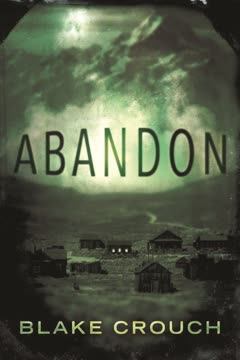
In the dead of winter, 1893, the mining town of Abandon lies eerily silent, snowbound and lifeless. A mule skinner named Brady arrives to deliver supplies, only to find the town deserted, Christmas dinner frozen on tables, and no sign of life except a pale, black-eyed girl. The chilling encounter ends with Brady's murder at the hands of the child, setting the tone for a mystery that will echo through the ages. The snow, the silence, and the sense of something terribly wrong linger, foreshadowing the darkness that will consume Abandon and all who seek its secrets.
Reunion and Regrets
In 2009, Abigail Foster, a New York journalist, travels to Colorado to join an expedition to Abandon, led by her estranged father, Lawrence Kendall. Their reunion is fraught with unresolved pain and awkwardness, both haunted by the past. Lawrence, a historian obsessed with the ghost town's mystery, has invited Abigail under the pretense of a magazine article, but deeper motives simmer beneath. The group—paranormal photographers Emmett and June Tozer, guides Scott and Jerrod—gathers, each carrying their own secrets and wounds. The journey into the mountains is as much about confronting personal ghosts as it is about uncovering Abandon's fate.
Into the Wilderness
The group treks through the San Juans, battling altitude, exhaustion, and the raw elements. Abigail, a city girl out of her element, struggles physically and emotionally, her relationship with Lawrence strained by years of absence. The guides, Scott and Jerrod, reveal competence and hidden scars, while the Tozers' gentle eccentricity masks deep grief. The wilderness amplifies tensions and vulnerabilities, and the first hints of danger—strange glances, a sheriff's warning, and a distant column of smoke—suggest that the past is not as buried as the snow. The journey becomes a crucible, forging and fracturing bonds.
Campfire Stories and Secrets
Around the campfire, the group shares stories of Abandon's mysterious vanishing. Lawrence recounts the legend: on Christmas Day, 1893, the entire population disappeared without a trace. Theories abound—disease, violence, supernatural intervention—but no bones were ever found. The Tozers reveal their own tragedy: the loss of their son, which led them to paranormal photography. The night sky, ablaze with stars, offers a moment of awe, but the silence of the mountains is unsettling. Old wounds surface between Abigail and Lawrence, and the group's sense of safety begins to erode, as if the ghosts of Abandon are listening.
The Ascent and the Pass
The climb to Sawblade Pass is grueling, the air thin and the terrain treacherous. Emmett falls ill, and Abigail faces her own fears, nearly succumbing to vertigo before Jerrod's steady hand saves her. The group's dynamics shift under stress—trust and suspicion intertwine. At the pass, they glimpse the ruins of Abandon far below, a scattering of dark specks in the snow. The sense of foreboding intensifies; the landscape itself seems to resist their intrusion. Abigail calls her mother, momentarily bridging the gap between worlds, but the descent into the box canyon feels like a crossing into another realm.
Abandon Revealed
The party enters Abandon, exploring its decaying buildings—saloon, hotel, church—each a relic of lost lives. Lawrence brings the town's history to life, telling tales of infamous residents like Jocelyn Maddox, the murderous barkeep. June senses a powerful, malignant energy, echoing the fate of Roanoke's Lost Colony. As a storm approaches, the group debates whether to stay or flee. The decision to remain seals their fate. The ghost town, shrouded in fog and snow, becomes a labyrinth of memory and menace, its silence now a warning rather than a mystery.
Christmas Eve, 1893
Flashing back to 1893, Abandon's residents celebrate Christmas Eve amid hardship and hope. The dance hall is filled with music, food, and fleeting joy, but beneath the festivities, tensions simmer—poverty, jealousy, and grief. Sheriff Ezekiel Curtice and his wife Gloria mourn their lost son, while others nurse private sorrows. Outside, a blizzard rages, isolating the town. Bartholomew Packer, the mine owner, is ambushed on his way home, and the seeds of violence are sown. The night is thick with omens, as if the town itself senses its impending doom.
Vanishing and Violence
On Christmas Day, violence erupts. Oatha Wallace and Billy McCabe, driven by greed and desperation, murder Packer and his household, stealing a fortune in gold. The town's leaders, searching for answers, are ambushed and killed in the mountains. Panic spreads as rumors of "heathens" (Indians) attacking the town drive the residents to seek refuge in a mine. The preacher, Stephen Cole, manipulated by a vision of divine wrath, locks the townspeople inside, sealing their fate. The gold, the greed, and the isolation converge in a final act of collective destruction, leaving only bones and silence.
The Gold and the Blood
In both past and present, the lure of Packer's lost gold drives men to madness and murder. In 2009, Lawrence's obsession with the treasure leads the group into peril. Jerrod, Scott's assistant, is revealed as a traitor, part of a team of ex-military mercenaries who take the group hostage, seeking the gold. Violence erupts—Scott is mortally wounded, Jerrod and Isaiah's partnership unravels, and Emmett is executed. The gold, hidden in a secret chamber, is finally found, but at a terrible cost. The curse of Abandon is not supernatural, but human: greed, betrayal, and the willingness to sacrifice others for fortune.
Locked In, Locked Out
Abigail, Lawrence, and June are locked in the mine by Quinn, a modern-day historian and descendant of those who once sought the gold. As their lights and supplies dwindle, they wander the labyrinthine caves, haunted by the bones of Abandon's dead. June, driven mad by grief and hallucinations, takes her own life. Abigail and Lawrence, desperate and exhausted, find a shaft leading to the surface. Abigail climbs out, leaving her father behind, and embarks on a harrowing journey through storm and wilderness, pursued by Quinn and Isaiah, the last of the mercenaries.
The Descent into Madness
Abigail's escape is a test of endurance and will. She witnesses Scott's murder, narrowly survives Isaiah's attack, and finally kills both Isaiah and Quinn in self-defense. The violence is intimate and brutal, stripping away any illusion of heroism. In Silverton, Abigail seeks help, only to discover that the sheriff and her brother are also descendants of those who coveted the gold. Drugged and nearly murdered, Abigail turns the tables, killing her would-be executioners. The cycle of greed and violence repeats, each generation inheriting the sins of the last.
Modern Greed, Ancient Curses
The aftermath is a blur of trauma, legal battles, and public scrutiny. Abigail is acquitted by reason of temporary insanity, but the scars remain. The gold, still hidden in the mountain, exerts its pull, but Abigail refuses to claim it, recognizing its curse. The story of Abandon is revealed as a parable of human weakness—how the promise of wealth can destroy families, friendships, and entire communities. The ghosts of Abandon are not supernatural, but the lingering consequences of choices made in desperation and desire.
The Final Escape
Abigail returns to New York, forever changed. She reconnects with her mother, sharing the truth of what happened in Abandon. The photograph of her and Lawrence, the only one ever taken, becomes a symbol of reconciliation and loss. The gold remains buried, its secret kept, as Abigail chooses to break the cycle of greed. The wilderness, once a place of terror, is now a memory of survival and hard-won wisdom. The story ends not with triumph, but with acceptance and the hope of healing.
The Price of Survival
Lawrence, trapped in the cave, faces his end with regret and a measure of peace. He reflects on his failures as a father and the cost of his obsession. In the darkness, he finds solace only in the thought that Abigail is safe. The bones of Abandon, the gold, and the secrets are left to the mountain, a testament to the price paid by those who sought too much. The past cannot be redeemed, but it can be understood, and perhaps, forgiven.
The Legacy of Abandon
The story of Abandon is not just a mystery, but a meditation on history itself—how the past shapes the present, how trauma and greed are passed down through generations. The town's fate is mirrored in the lives of those who come after, each repeating the same mistakes, each haunted by the same desires. The wilderness endures, indifferent to human suffering, while the bones and gold remain as silent witnesses. The lesson is clear: some secrets are better left buried, and some curses are of our own making.
Bones in the Dark
The final image is of Lawrence and Gloria, side by side in the darkness, surrounded by the bones of Abandon. Their memories, regrets, and lost hopes swirl in the blackness, time stretching and collapsing. The cave becomes a tomb, a monument to all that was lost—love, innocence, and the possibility of redemption. The story ends not with answers, but with the enduring mystery of human nature, the darkness within, and the faint hope that, somewhere, forgiveness is possible.
The Last Summer Dream
In a rare moment of peace, Lawrence dreams of a perfect Colorado summer with Abigail and grandchildren he will never know. The vision is bittersweet, a glimpse of the life that might have been if not for pride, obsession, and fear. This dream, fragile and fleeting, is the true treasure of Abandon—a reminder that love, not gold, is what endures. The curse is not in the mountain, but in the choices we make, and the hope that, even in darkness, we can choose differently.
The Curse Endures
The story closes with the mountain silent once more, the gold and bones undisturbed. Abigail, having thrown away the key, chooses to let the past rest. The curse of Abandon is not lifted, but contained, its lessons etched into the lives of those who survived. The wilderness, vast and indifferent, remains, and the ghosts of Abandon—real and imagined—fade into legend. The final message is clear: some mysteries are meant to remain unsolved, and some debts can never be paid.
Analysis
A meditation on greed, trauma, and the inescapable pastAbandon is more than a thriller or a ghost story—it is a profound exploration of how history, both personal and collective, shapes and haunts us. The novel interrogates the American myth of the frontier, exposing the violence and desperation beneath the surface of progress and prosperity. The lost gold is a symbol of all that is sought and lost in the pursuit of happiness, while the fate of Abandon's residents—locked in darkness, undone by their own choices—serves as a warning about the dangers of obsession and the refusal to let go. The dual timelines reinforce the idea that the past is never truly past; its echoes reverberate through generations, demanding reckoning and, if possible, forgiveness. Ultimately, the novel suggests that survival is not just a matter of endurance, but of choosing what to carry forward and what to leave buried. The curse of Abandon is not supernatural, but human—a legacy of pain, greed, and longing that can only be broken by acts of courage, compassion, and the willingness to face the darkness within.
Review Summary
Reviews for Abandon are mixed, averaging 3.62 stars. Many readers felt misled by the book's blurb, which implied supernatural elements that never materialized. The dual-timeline structure — alternating between 1893 and 2009 — was praised by some for building tension but criticized by others for being confusing. Readers appreciated the vivid setting and mystery surrounding the vanished town, though many found the story overly long and violent. Fans of Crouch's sci-fi works like Dark Matter and Recursion were often disappointed by this earlier, grittier thriller.
People Also Read









Characters
Abigail Foster
Abigail is the emotional core of the novel—a journalist driven by curiosity, pain, and a longing for connection. Her journey is both physical and psychological, as she confronts the legacy of her father's abandonment and the trauma of her own survival. Abigail's skepticism is challenged by the horrors she witnesses, and her resilience is tested by betrayal, violence, and loss. Her relationship with Lawrence is fraught but ultimately redemptive, as she learns to forgive without forgetting. Abigail's arc is one of transformation: from victim to survivor, from seeker to keeper of secrets, choosing to break the cycle of greed and violence that destroyed Abandon.
Lawrence Kendall
Lawrence is a man consumed by the past—both the mystery of Abandon and his own failures as a father. His intellectual brilliance is matched by emotional blindness, and his pursuit of the gold becomes a metaphor for his inability to let go of regret. Lawrence's relationship with Abigail is marked by guilt, longing, and a desperate need for redemption. His obsession leads to tragedy, but in his final moments, he finds a measure of peace, accepting responsibility and expressing love. Lawrence embodies the dangers of living in the past and the possibility of grace, even at the end.
Emmett and June Tozer
The Tozers are artists and paranormal photographers, their work a response to the loss of their son. Emmett is practical and kind, while June is sensitive and attuned to the unseen. Their belief in spirits is both a coping mechanism and a genuine calling, offering comfort to others and themselves. Their fate—Emmett's murder and June's suicide—underscores the novel's themes of grief, faith, and the limits of endurance. They serve as a mirror to Abigail and Lawrence, showing how love can both heal and destroy.
Scott Sawyer
Scott is the group's wilderness guide, a man at home in the mountains but haunted by past mistakes. His competence masks deep wounds—both physical and emotional—and his partnership with Lawrence in the search for gold is driven by desperation as much as greed. Scott's death is brutal and senseless, a casualty of the violence unleashed by the quest for treasure. His story is a cautionary tale about the cost of secrets and the fragility of trust.
Jerrod Spicer
Jerrod is Scott's assistant, a former soldier scarred by war and betrayal. His PTSD is evident in his reactions to danger, and his eventual betrayal of the group is both shocking and tragic. Jerrod's alliance with Isaiah and Stu is rooted in shared trauma and a desire for compensation, but it leads only to more violence and death. His end is marked by regret and a longing for peace, a reminder that some wounds never heal.
Isaiah
Isaiah is the most dangerous of the mercenaries—charming, intelligent, and utterly ruthless. His experiences in Iraq have left him broken and angry, and he channels his pain into cruelty and manipulation. Isaiah's pursuit of the gold is relentless, and his willingness to kill without remorse makes him the novel's most terrifying antagonist. Yet, in his final moments, a flicker of humanity emerges, hinting at the complexity beneath the brutality.
Quinn
Quinn is a historian like Lawrence, but his motives are darker—he is a descendant of those who once sought the gold, and his actions are driven by a sense of entitlement and unfinished business. Quinn's betrayal of Abigail and Lawrence is cold and calculated, and his willingness to kill to protect the secret of the gold reveals the enduring power of Abandon's curse. He represents the danger of history unexamined and the persistence of old sins.
Stephen Cole
Stephen is the preacher of Abandon in 1893, a man torn between faith and doubt. Manipulated by visions of divine wrath, he becomes the agent of the town's destruction, locking the residents in the mine. His actions are both tragic and horrifying, a testament to the dangers of fanaticism and the human need for meaning in suffering. Stephen's fate is a meditation on guilt, responsibility, and the limits of forgiveness.
Gloria and Ezekiel Curtice
Gloria and Ezekiel are the emotional heart of Abandon's past—a couple shattered by the loss of their son, struggling to find meaning and connection. Their love is deep but wounded, and their deaths in the mine are marked by longing and regret. Gloria's final vision of Ezekiel offers a moment of grace amid the horror, a reminder that love endures even in the darkest places.
Lana Hartman and Jocelyn Maddox
Lana, the mute piano player, and Jocelyn, the infamous barkeep, are emblematic of Abandon's lost souls. Their stories—of trauma, resilience, and defiance—add depth to the town's tragedy. Lana's survival and mutilation in Silverton is a cruel twist, while Jocelyn's fate in the cave is a testament to the randomness of suffering. Both women are reminders of the forgotten lives behind every legend.
Plot Devices
Dual Timelines and Mirrored Fates
The novel's structure alternates between 1893 and 2009, using parallel narratives to explore how the past shapes the present. Characters in both timelines are driven by similar desires—love, redemption, greed—and their fates mirror each other in tragic ways. The use of dual timelines allows for foreshadowing, dramatic irony, and a deepening sense of inevitability, as the mistakes of one generation are repeated by the next.
The Locked Room and the Unsolvable Mystery
The motif of being locked in—whether in the mine, the wilderness, or one's own regrets—recurs throughout the novel. The iron door of the mine is both a literal and symbolic barrier, representing the impossibility of escaping the consequences of one's actions. The mystery of Abandon's disappearance is ultimately unsolvable, not because of supernatural forces, but because human motives are complex and often self-destructive.
The Gold as MacGuffin and Curse
The lost gold is the novel's central MacGuffin, driving the plot and motivating characters across generations. Its allure is irresistible, but it brings only misery and death. The gold functions as a curse, exposing the darkest aspects of human nature—greed, betrayal, violence. Its ultimate fate—left buried and unclaimed—serves as a commentary on the futility of seeking happiness in material wealth.
Psychological Horror and Unreliable Perception
The novel employs psychological horror, blurring the line between reality and hallucination. Characters experience visions, breakdowns, and altered states, especially when trapped in the cave. The darkness becomes a character in itself, amplifying fear and eroding sanity. The unreliable perception of events heightens suspense and underscores the theme that the true horror lies within.
Generational Cycles and Inherited Sin
The descendants of Abandon's original residents are drawn back to the town, repeating the same mistakes and succumbing to the same temptations. The novel uses this cyclical structure to explore the idea of inherited sin—how trauma, greed, and violence are passed down, and how breaking the cycle requires conscious choice and sacrifice.








































