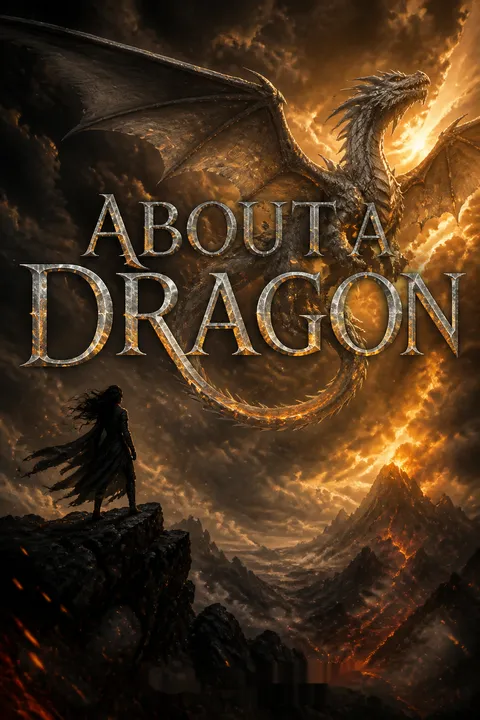

Plot Summary
Arrogance Meets Acid Tongue
In the market square, Briec the Mighty—a dragon in human form—encounters Talaith, a quick-tongued and secretly powerful woman ostracized by her village. He's arrogant and blunt about his desire, but Talaith, trapped in a cold marriage, repels him with sarcasm and wit. Uninterested in submission, she throws barbs that amuse rather than offend him. Their first meeting is rife with tension: Briec is unused to such resistance, while Talaith, weary of being accused of witchcraft, fears both human and dragon intentions. The emotional charge hints at a dangerous, compelling connection, with Talaith's pride deflecting Briec's persistent charm, and Briec's fascination ignited by her refusal. Both recognize something unusual in their encounter—an irritant and a spark.
The Witch's Noose
Talaith's village turns on her, accusing her of witchcraft. They attempt to hang and burn her in a grim early morning display of collective fear. As she faces certain death, both resigned and scornful, Briec reenters the scene, initially appearing to ignore her plight—until he reemerges in his true form, an immense silver dragon. His unexpected intervention disperses the mob, and, in a display both terrifying and awe-inspiring, he flees with Talaith trapped in his tail. For the first time, she's forced to confront her mortality, her helplessness—and the ambiguous nature of a dragon's mercy. Briec's actions blur the lines: he's savior, captor, and something else Talaith can't yet name.
Dragon Law, Human Defiance
Far from home, Briec treats Talaith as both prize and project: in dragon law, a life saved is a life claimed. But Talaith defies ownership, challenging dragon arrogance with fierce independence. Briec shifts between dragon and human forms, testing her boundaries—his intentions swinging between lust, curiosity, and a burgeoning desire for connection. Talaith uses wit and anger as shields, never submitting, always plotting escape. Their banter crosses into flirtation but remains ground in mutual stubbornness. The power struggle reveals mutual loneliness and the possibility—albeit hidden—of something both crave: a relationship neither dominance nor servitude, but hard-won partnership.
Secrets in the Silver Shadows
In the wilds, Talaith and Briec's uneasy truce turns to emotional skirmishing. As Briec tends to her wounds and provides sustenance, he discovers Talaith's secrets—her background as a Nolwenn witch, her carefully hidden skills, and the mysterious forces constraining her life. Talaith's vulnerability and toughness intermingle; though she mistrusts Briec's motives, she is drawn to his unexpected tenderness. Encounters with other dragons shake her further, especially as Briec's familial ties and dragon culture come to light. In shared danger and discomfort, their mutual attraction surfaces, complicated by old pain and persistent secrets neither are willing to fully share.
Reluctant Flight, Unwilling Hearts
Storms and threats force the unlikely companions into a shared journey. Briec's arrogance is met by Talaith's refusal to be cowed, their quarrels paradoxically deepening their intimacy. They bicker over everything—food, shelter, freedom—using humor and antagonism as armor against deeper vulnerability. Briec is unsettled by his growing concern for Talaith; she, in turn, is shocked by desires awakened by proximity to the dragon. The tension between them oscillates, sharp and sensual, as each tests the other's patience. Neither will admit fear or longing, making their journey a battle for emotional ground as much as physical survival.
Castles, Dragons, and Intrigues
They seek refuge in Gwenvael's den, where Talaith is thrust into the center of dragon politics and family. Here she meets a trio of Briec's siblings—a mischievous gold, a diplomatic blue, and a fiercely independent witch. Their antics, brawls, and banter provide comic relief but also expose the complicated web of dragon loyalty. At the same time, Talaith's past—her forced servitude to the goddess Arzhela, the threat hanging over her absent daughter, and her deadly skills as an assassin—are drawn to the surface. Plotting against dragonkind and humanity alike, the gods' shadowy influence becomes the real enemy, with Talaith as a key pawn.
Clashing Tongues and Tempers
Talaith's fiery independence earns her both admiration and catastrophe. Briec's brothers test her mettle; a dangerous misunderstanding results in near bloodshed, then laughter, as family bonds are tested. Jealousy, pride, and protectiveness swirl as Briec's feelings deepen, and Talaith's sharp words provoke both desire and anger. Their confrontations veer from comedic to intimate to combative, each using argument and wit as both foreplay and defense mechanism. When Talaith is caught between escape attempts and the dragons' machinations, loyalties are tested—and shattered trust cuts deeper than any blade.
Stormbound and Rescued
Nature's fury traps the cast in close quarters: in the storm's enforced isolation, boundaries dissolve. Talaith and Briec, no longer able to deny their attraction, move from sparring to surrender—with both tenderness and urgency. Their physical union is a consummation of weeks of tension, complicated by Briec's inexperience with human love and Talaith's fear of dependence. The storm is both literal and emotional, washing away resistance and exposing hope—and vulnerability. For the first time, they glimpse the possibility of something lasting, tempered by honesty and genuine care. Yet new challenges hover, as secrets still fester.
Unraveling the Witch's Past
With intimacy comes revelation: Talaith's forced separation from her daughter, her coerced partnership with the goddess Arzhela, and her role as an unwilling assassin. The cost of sixteen years in exile unspools, revealing wounds both physical and emotional. Briec and his kin begin to understand the depth of Talaith's scars—and her formidable strength. The return of her powers, Arzhela's renewed threats, and the looming danger to her still-missing child force Talaith into a crisis of purpose. The dragon's world and the witch's mission converge, setting the stage for alliances and betrayals that will test every bond.
Sisters, Queens, and Difficult Choices
Talaith finds reluctant allies in Morfyd the White, a formidable dragonwitch, and Annwyl the Blood Queen. In the queen's war camp, sisterhood is redefined—not of blood, but of survival and shared fight against injustice. Annwyl's legend collides with reality: she is both ruthless monarch and unexpectedly human, haunted by her own gods and destiny. The three women's rapport and discord echo the story's larger themes of power, autonomy, and sacrifice. Talaith, now on the threshold of reclaiming her daughter, must finally decide who she is fighting for: herself, her child, or a world manipulated by gods and dragons alike.
A Daughter Lost and Found
After years apart and much danger, Talaith is reunited with her daughter, Iseabail—Izzy the Dangerous—in an emotionally charged meeting shaped by humor, personality, and the scars of long separation. The reunion is both a triumph and a new source of anxiety: Izzy is smart, strong-willed, and already caught up in the epic struggles between gods and mortals. Their bond is both tender and fraught, as each struggles to adapt to a world forever changed by love, magic, and blood debts. The question of legacy, trust, and freedom comes to the fore, challenging both mother and daughter.
Betrayal, Claiming, and True Names
Talaith chooses to leave Briec—at great personal cost—when the goddess demands her loyalty and threatens Izzy. Briec, crushed by heartbreak, is forced to confront his own feelings and flaws; his family watches in dismay as he is undone by loss and love. When fate reunites them in Annwyl's castle, the reunion is turbulent: betrayals aired, true names and feelings spoken at last. Briec and Talaith's relationship achieves a new honesty, forged in the fires of adversity. At the same time, gods' manipulations—and the high cost of choice—become starkly apparent.
Battles for Blood and Love
An enemy army, led by Hamish and driven by Arzhela's machinations, marches on Dark Plains. The dragons, humans, and witches unite in desperate defense. Annwyl's martial prowess and pregnancy, Talaith's assassin's skills, and Briec's loyalty are all tested as war, gods, and destiny converge. Amid chaos and violence, alliances are solidified and lines drawn between friend and foe. Each character must balance loyalty, love, and survival, making painful choices—some strategic, some sacrificial—that shape the fate of clans, families, and kingdoms.
Gods' Games and Sacrifice
In a final, wrenching gambit, Talaith sacrifices herself—body, blood, and will—to rescue her daughter from Arzhela's clutches. Empowered by dragon-god magic and her own resolve, she confronts the goddess in her home realm. Talaith's suffering, courage, and mother-love become both weapon and shield. Rhydderch Hael, the dragon god, possesses her to destroy Arzhela, and in the process, both woman and goddess are changed forever. The cost is high, and the price of meddling gods is paid in blood and memory. Talaith returns home, changed but victorious.
Destinies Bound by Fire
The defeated goddess and routed armies leave Dark Plains battered but free. The aftermath is bittersweet: Annwyl's unbelievable pregnancy by her dragon mate shocks both court and gods, foreshadowing greater destinies and dangers yet to unfold. Talaith, scarred in flesh and spirit, is forced to reconcile her newfound freedom with Briec's impulsive claim on her. For all characters, the future is uncertain, but courage and connection—sisterhood, kinship, and unlikely love—promise hope.
The Queen's Horrifying Blessing
News spreads: Annwyl, the warrior queen, carries twin children sired by Fearghus. Their existence is a direct challenge to the gods—both human and draconic—who manipulate mortals for their own ends. In full awareness of the risks, Annwyl and Fearghus vow to raise their children as weapons against oppression, even gods themselves. This defiant stance shifts the saga's stakes: the next generation will be more than heirs; they will be avengers, wreckers of the old order, and perhaps the hope of peace between dragon and human kind.
Dragon's Heir, Witch's Mate
Briec and Talaith navigate the aftermath of passion, pain, and prophecy. Briec's magical "Claiming" leaves Talaith literally marked—body and soul—as his mate. This act, half accident and half instinct, forces both to reckon with what it means to choose one another, rather than being chosen by fate or tradition. They struggle to define boundaries, voices, and new roles: Talaith as mate of a prince, Briec as partner rather than owner. Izzy, too, finds her place, both daughter and budding warrior. Love, not law or magic, becomes the binding force of this new family.
Choices, Arguments, and Goodbyes
As peace returns, each character must decide what home, loyalty, and legacy mean. Talaith and Briec, after hard-won reconciliation and mutual confession, prepare to leave for their own den, to build a life free of gods, debt, or coercion—a life built on choice, shared struggle, and hard-earned trust. Izzy embarks on her own career, Annwyl faces the future as a mother, Morfyd and Brastias admit to hidden desires, and alliances old and new shape the path ahead. The story closes with quarrels and laughter, promising new adventures and greater battles on the horizon—but, for now, amidst arguments and affection, love prevails.
Analysis
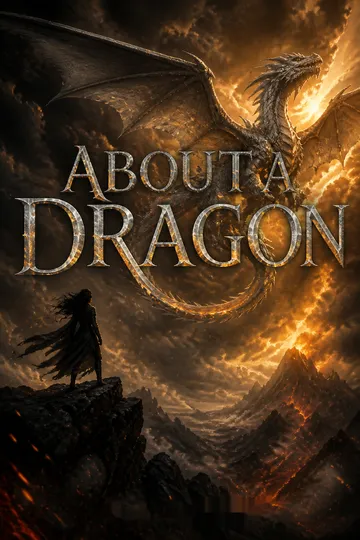
A modern fantasy romance, About a Dragon is at once a satirical take on the "fated mate" trope and a deep exploration of autonomy, consent, and the power of choice. It interrogates gender roles, societal laws, and the nature of love, using dragons and witches as metaphors for difference—racial, cultural, and personal. Central to the narrative is the battle to reclaim agency: Talaith's journey is a fight to choose her life, rather than be shaped by gods, husbands, or lover's laws. Briec's transition from arrogant dragon to vulnerable partner models the humility, empathy, and flexibility that true connection demands. The comedic approach subverts high fantasy's sometimes ponderous self-seriousness, bringing levity to trauma without undermining its reality. The gods' manipulations parallel those of institutions, traditions, and even families—highlighting the necessity and difficulty of rebellion. Ultimately, the novel's lesson is that love, family, and destiny are not mere gifts but achievements: to be claimed not by force, but by willful, mutual choice. The triumph is not in overthrowing gods or winning wars, but in building a life—together, through stubbornness, patience, and the refusal to submit.
Review Summary
About a Dragon receives mixed reviews, averaging 4.19/5. Many readers enjoy the humorous banter, arrogant dragon hero Briec, and feisty witch heroine Talaith, praising the laugh-out-loud moments and entertaining sibling dynamics. Critics find the constant arguing tedious and feel the heroine is overly aggressive rather than genuinely strong. Supporting characters, particularly Annwyl, Gwenvael, and newcomer Izzy, are fan favorites. Most agree the series delivers entertaining, comedic paranormal romance, even if this installment falls slightly short of the first book.
People Also Read



Characters
Briec the Mighty
As the second oldest dragon prince, Briec is the living embodiment of dragon pride: confident, powerful, direct, and dismissive of human frailty. His initial desire for Talaith is possessive and pragmatic, invoking "dragon law" to claim what he saved. However, Briec's arrogance masks a deep yearning for meaning—having grown tired of dragon family squabbles and centuries of little change. Talaith's refusal to be tamed fascinates and bewilders him, sparking a transformation from self-satisfied conqueror to vulnerable, emotionally engaged partner. Briec's journey is one of learning humility, consent, and recognizing that love cannot be demanded or controlled. His love for Talaith and growing role as father-figure to Izzy expands his capacity for both tenderness and self-sacrifice, shaping him into a truly worthy mate.
Talaith
Marked by suffering and separation, Talaith is outwardly fierce—her acid tongue and stubborn pride a defense against a world that's taken much from her. Forced into exile, manipulated by a goddess, and separated from her child, she has survived through wit, resourcefulness, and an unapologetic refusal to surrender. Her relationship with Briec is fraught: his initial arrogance and her own wounds make trust nearly impossible. But beneath her defenses lies fierce love, unyielding loyalty, and a longing for her own autonomy. Talaith's deepest struggles are with choice—she is used as a pawn in divine games, yet insists on reclaiming her agency, especially when it comes to her daughter Izzy and her hard-won love with Briec. Her transformation is one from victim to heroine: she chooses her fate, even sacrificing herself for her child, and finds a place not only as dragon's mate but as a powerful woman in her own right.
Iseabail "Izzy" the Dangerous
Izzy, Talaith's long-lost daughter, embodies resilience, curiosity, and comic vigor. Raised in hiding, protected by loyal warriors and secret gods, Izzy's life is one of perpetual motion and improvisation. Her reunion with Talaith is both joyful and awkward—a mix of love, independence, and inherited stubbornness. Izzy's chatty nature is a mask for deep need, but she quickly adapts, forging bonds with Talaith, Briec, and the dragon family. Her quickness with wit and weapons points to a future as both warrior and peacemaker. Marked by divine power, Izzy stands as both the hope and the uncertainty of the next generation—a legacy of conflict, but also of possibility.
Morfyd the White
Morfyd, Briec's sister, is a powerful dragonwitch: calm, wise, and persistent in the face of chaos. She bridges human and dragon realms—an ally to Annwyl and a formidable magic-user whose knowledge, rituals, and emotional intelligence frequently save lives. Morfyd acts as a confidante to Talaith, a temper to her brothers' excesses, and a would-be lover to Brastias. Her own internal struggles—desiring connection while maintaining strength—give her complexity. Morfyd's story is one of self-sacrifice, silent longing, and the burdens of responsibility. She is the anchor in storms both magical and familial.
Annwyl the Blood Queen
Annwyl is at once a legend: the "bloody" queen, undefeated on the battlefield, destroyer of tyrants, and breaker of gender roles. Her relationship with Fearghus humanizes her—she is fierce and protective but also funny, loyal, and deeply troubled by the gods' games. Annwyl's unpredictability—her volatility and strength—terrifies and inspires those around her. Her surprising vulnerability in the face of love, pregnancy, and ambivalence about destiny makes her more than a figurehead; she is a living paradox, both destroyer and protector, tyrant and liberator.
Gwenvael the Handsome
The gold dragon brother, Gwenvael is comic relief and cunning manipulator alike. His penchant for mischief and sexual exploits belies sharp intelligence, and his ability to diffuse tension—sometimes—keeps his family from disaster. Gwenvael's flirtation with Talaith both annoys Briec and reveals underlying currents of jealousy, affection, and competition. Though rarely serious, he is fiercely loyal, occasionally wise, and the necessary foil for his siblings' intensity.
Éibhear the Blue
The gentle giant, Éibhear provides both comedy and clarity. His youth among ancient siblings makes him both naïve and refreshingly straightforward. Éibhear befriends Talaith and Izzy, providing them warmth and stability absent from much of their lives. He is a reminder that power does not preclude kindness, and his own longing for acceptance and love frames him as both a protector and a future hero.
Arzhela, Goddess of Light
Arzhela's influence haunts Talaith's journey. As the goddess of light, love, and fertility, her power is a cruel counterpoint to her role as benefactor; she manipulates mortals through threats and coercion. Her desire for control—over Talaith, over destiny, over life and death—spins the core of the narrative conflict. Ultimately, her defeat at the hands of Rhydderch Hael through Talaith's sacrifice is both personal and cosmic—her end marks the shifting of divine power, but also the breaking of generational cycles of abuse.
Rhydderch Hael, Dragon God
The dragon god acts mostly from behind the scenes, pulling invisible strings to shape the world's fate. His inscrutable motives—partly protective, partly self-serving—make him both benefactor and manipulator. His interactions with Talaith and Izzy are marked by riddles and bargains, and his ultimate destruction of Arzhela signifies both the end of one tyranny and the burdens of divine intervention. As both ancestor and god, he frames the limits and the possibilities of dragonkind, forcing both mortals and immortals to reckon with what it means to choose one's path.
Fearghus the Destroyer
Fearghus, Briec's elder brother and mate to Annwyl, stands as both model and foil for Briec. Stoic, lethal, and deeply private, he is feared and respected in equal measure. His own love story with Annwyl—marked by blood, reconciliation, and resistance to change—provides a template for Briec's own journey. As Annwyl's anchor and the family's protector, Fearghus embodies the tension between tradition and evolution.
Plot Devices
The Claimed Mate and Blood Debt
Central to the story is the concept of "claiming"—the magical, near-sacred act by which a dragon who saves a human claims their life, and later in the narrative, binds them body and soul. This plot device forces a confrontation between cultural law (dragon) and personal autonomy (human), underpinning conflict and erotic tension throughout. The claiming is at turns coercive, accidental, and a culmination of mutual love, raising questions of consent, agency, and transformation. Likewise, the idea of a "blood debt" propels many characters' fates, underscoring the theme that every gift, every rescue, comes with expectation—and the need to break inherited cycles.
Secrets, Revelations, and the Unwanted Destiny
Each character harbors pivotal secrets—the reality of Talaith's daughter, the goddess's threats, Briec's capacity for humility, Izzy's supernatural alliances—that are brought to light through crisis and intimacy. The story uses confession as catharsis, linking emotional vulnerability to physical connection, and betrayal or revelation as moments of both rupture and healing. The tension between chosen and unchosen destiny pervades: characters are manipulated by gods, laws, and family, but continually resist, subvert, or redefine the terms of fate.
Divine Manipulation and Mortal Resistance
Throughout, gods interfere directly and indirectly, threading the plot with prophecy, enchantment, and large-scale manipulation. Their machinations are responsible for wars, bloodlines, and personal agony. The novel uses divine interference to highlight both the powerlessness and resistance of mortals. Victory and happiness are achieved not by acquiescing to gods' designs but by acts of personal sacrifice, self-determination, and reclaimed agency—first by Talaith, later by Annwyl and others.
Comic Reversals and Subversive Arguments
The book fuses high fantasy and erotic romance with farcical comedy: arguments, insults, slapstick violence, and sexual misadventure serve both as escapism and incisive character development. The constant verbal sparring between Talaith and Briec (and among the dragons) stands in for and destabilizes traditional courtship; power is negotiated through laughter and annoyance as much as through battle or seduction. Comic reversals keep emotional stakes high: what begins as insult becomes tenderness, what looks like defeat often ends in love.
Shifting Narrative Perspective
The novel frequently shifts perspectives—from Talaith to Briec, from Izzy to Annwyl, from gods to dragons—offering varied insights and emotional nuances. This device balances the deeply personal and the epic, rooting world-shattering events in individual feeling. The structure allows for both suspense and emotional resonance, as readers know secrets kept from other characters, heightening tension and ultimately satisfaction as truth comes to light.
Dragon Kin Series

About the Author
Download PDF
Download EPUB
.epub digital book format is ideal for reading ebooks on phones, tablets, and e-readers.








































