

Plot Summary
Broken Boyhood, Shattered Home
Hardin's childhood is marked by instability, neglect, and trauma. His father's alcoholism and violence, his mother's exhaustion and heartbreak, and the absence of real friends leave him isolated and angry. Books become his only solace, a lifeline provided by Vance, his mother's kind friend. But when violence invades his home and his father disappears, Hardin's world hardens. He turns to cigarettes, rebellion, and a crowd of delinquents, numbing himself with substances and casual sex. The boy who once dreamed of being a fireman or teacher is replaced by a young man who trusts no one, feels nothing but anger, and believes he is destined to be alone. The seeds of his future relationships—and his inability to love—are sown in these formative, broken years.
Girls, Games, and Exile
Hardin's adolescence is a blur of reckless nights, shallow connections, and escalating cruelty. He uses girls for pleasure, never allowing himself to feel or care. Natalie, a gentle church girl, becomes collateral damage in his emotional war. His callousness ruins her reputation and isolates her from her family and faith, a cruelty that becomes the final straw for his mother. Exiled to America to live with his estranged father, Hardin is forced to confront the consequences of his actions. The loneliness he always felt is now a physical reality. The cycle of pain and detachment continues, but the stage is set for something—or someone—to disrupt his destructive path.
Dangerous Girls, Dangerous Boys
The narrative widens to include Molly, Melissa, and Steph—girls with their own scars and survival strategies. Molly, aching from loss and abandonment, seeks validation in risky behavior and fleeting attention. Melissa, overshadowed by her brother and family drama, navigates loyalty and betrayal. Steph, the overlooked sibling, burns with jealousy and a hunger for recognition. Each girl's story is a mirror to Hardin's: a search for meaning, love, and escape from pain. Their paths will intersect with his, shaping and being shaped by the games, betrayals, and desires that define their college years.
Arrival in America
Hardin's move to Washington is both a punishment and a chance for reinvention. He joins a fraternity out of spite, but quickly falls into familiar patterns: drinking, fighting, and using people as shields against vulnerability. The American college scene is a playground for his worst impulses, but also a crucible for change. He meets a new cast of friends and enemies, including the American versions of his old crowd. The sense that "nothing really matters" persists—until a new girl arrives, and the cycle is threatened.
The Bet That Changed Everything
Hardin and his friends, bored and jaded, concoct a bet: who can seduce the new, innocent girl, Tessa, first? For Hardin, it's just another game, a way to assert control and stave off the emptiness. But Tessa is different—her kindness, intelligence, and stubbornness unsettle him. The bet, meant to be a joke, becomes a catalyst for real feelings and real consequences. As Hardin pursues Tessa, the lines between manipulation and genuine connection blur, and the stakes become higher than he ever imagined.
Tessa's World Collides
Tessa Young arrives at college with dreams, discipline, and a carefully planned life. Her world is upended by her wild roommate Steph and Steph's circle of friends, including the enigmatic, infuriating Hardin. Tessa is drawn into their orbit, challenged by their games and seduced by the thrill of rebellion. Her relationship with her high school boyfriend, Noah, is tested as she is exposed to new experiences, desires, and betrayals. The collision of her structured world with Hardin's chaos ignites a transformation in both of them.
Friction, Fire, and Firsts
The push and pull between Hardin and Tessa intensifies. Their banter is electric, their arguments volcanic, and their chemistry undeniable. What begins as a game becomes an obsession. Hardin is both cruel and tender, pushing Tessa away and then pulling her close. Tessa, for her part, is both repelled and fascinated, discovering parts of herself she never knew existed. Their first kiss, first touch, and first night together are fraught with confusion, guilt, and longing. Each encounter leaves them more entangled—and more vulnerable to heartbreak.
The Game Turns Deadly
As Hardin and Tessa grow closer, the truth about the bet—and the depth of Hardin's emotional wounds—begins to surface. Friends become enemies, and betrayals multiply. Tessa learns of the cruel wager that started it all, and her world collapses. Hardin, confronted with the consequences of his actions, is forced to reckon with his own capacity for love and destruction. The fallout is explosive, leaving both of them broken and adrift.
Betrayal and Confession
In the aftermath of the revelation, Hardin spirals into guilt and self-loathing, while Tessa grapples with anger, humiliation, and the loss of her innocence. Both are forced to confront their pasts: Hardin's trauma and patterns of self-sabotage, Tessa's need for control and approval. Through painful conversations and raw confessions, they begin to understand each other—and themselves. The possibility of forgiveness emerges, but only if they can break the cycles that have defined their lives.
Breaking, Healing, Becoming
Hardin and Tessa's journey is one of breaking and remaking. They must unlearn the lessons of their childhoods, confront their fears, and choose vulnerability over self-protection. Their love is messy, passionate, and often destructive, but it is also a force for healing. Through therapy, sobriety, and the support of new friends and family, they begin to build a healthier relationship. The process is slow and painful, but it is real. They learn that love is not about possession or control, but about acceptance, growth, and mutual respect.
After the Storm
The narrative shifts to the years after the initial storm. Hardin and Tessa spend time apart, each working on themselves and their dreams. Hardin becomes a writer, channeling his pain into art and advocacy. Tessa pursues her own ambitions, finding strength and purpose beyond her relationship. Their paths cross and diverge, but the connection between them endures. The story becomes one of second chances, resilience, and the slow, steady work of building a life together.
New Beginnings, Old Ghosts
As Hardin and Tessa create a new life—marriage, children, careers—they are haunted by the ghosts of their pasts. Family secrets, old wounds, and the fear of repeating their parents' mistakes threaten their happiness. But with each challenge, they choose each other, breaking the cycles of abuse and neglect that shaped them. Through forgiveness—of themselves and others—they find peace and belonging.
Family, Forgiveness, and Future
The story expands to include the next generation: siblings, children, and friends who form a chosen family. Hardin's relationship with his father, Vance, and his half-brother, Smith, becomes a source of healing and pride. Tessa's journey from wounded girl to empowered woman inspires those around her. Together, they model a new way of loving—one that is honest, supportive, and enduring. The future is uncertain, but it is filled with hope.
Cycles Broken, Love Remains
Hardin and Tessa's greatest achievement is not their careers or even their love story, but the breaking of generational cycles. They raise their children with tenderness, presence, and open communication, determined to give them what they never had. The scars of the past remain, but they are no longer wounds—they are reminders of how far they have come. Love, once a source of pain, becomes a source of strength and joy.
The Next Generation
The narrative shifts to the perspectives of Smith, Landon, and the children of Hardin and Tessa. Their lives are shaped by the choices and sacrifices of their parents. They grow up in homes filled with books, laughter, and unconditional love. The mistakes of the past are not erased, but they are not repeated. The next generation is free to dream, to love, and to become their truest selves.
Hessa's Heaven
Hardin and Tessa's life together is not perfect, but it is deeply fulfilling. They find happiness in the ordinary: parenting, work, holidays, and quiet moments of connection. Their love matures, deepens, and becomes a safe haven for themselves and their children. The pain and drama of their early years are transformed into wisdom and gratitude. Together, they create a version of heaven on earth.
Love's Long Afterglow
Years pass, and Hardin and Tessa's love story becomes a legacy. Their children grow, their careers flourish, and their bond remains unbreakable. They support each other through loss, celebrate each other's victories, and continue to choose each other every day. The aftershocks of their early trauma are felt, but they are no longer defining. Love, hard-won and hard-kept, is their greatest triumph.
Full Circle, Forever Changed
The novel closes with a sense of completion and renewal. Hardin and Tessa, once broken and lost, are now whole and found. Their journey—from pain to healing, from chaos to peace—serves as a testament to the power of love, forgiveness, and personal growth. The cycles of the past are broken, and a new legacy is born. The story ends, but the impact of their choices ripples forward, forever changing the lives of those who come after.
Analysis
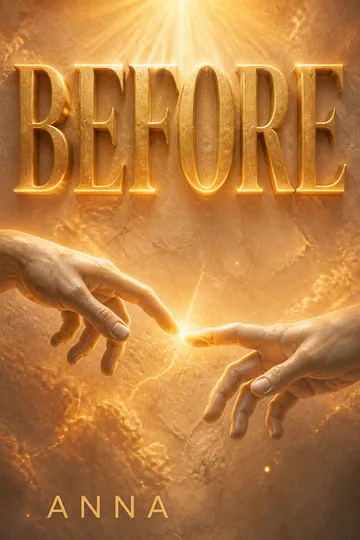
A modern epic of trauma, love, and healingBefore by Anna Todd is more than a romance; it is a raw, unflinching exploration of how trauma shapes identity, relationships, and the possibility of change. Through the intertwined stories of Hardin, Tessa, and their circle, the novel examines the ways people hurt and heal each other, the seductive pull of old patterns, and the courage required to break free. The use of multiple perspectives and time shifts deepens empathy, revealing that everyone carries wounds—and that everyone is capable of growth. The central bet is both a plot engine and a metaphor for the risks we take in love: the danger of treating others as objects, and the redemptive power of seeing and being seen. Ultimately, the novel's message is one of hope: that cycles can be broken, that forgiveness is possible, and that love—messy, imperfect, hard-won—can be both a refuge and a revolution. In a world hungry for stories of resilience and transformation, Before offers a blueprint for turning pain into purpose, and for building a future brighter than the past.
Review Summary
Reviews for Before are mixed, averaging 3.67/5. Fans of the After series appreciate gaining insight into Hardin's perspective, his inner turmoil, and backstory details for supporting characters. Many enjoyed the epilogue-style chapters revealing characters' futures. However, critics argue the book is largely a retelling of the first novel with little new content, calling it unnecessary and disappointing. Some readers also take issue with the toxic relationship dynamics throughout the series, while others find Hardin's POV emotionally rewarding and a satisfying conclusion to the Hessa story.
People Also Read










Characters
Hardin Scott
Hardin is the product of a broken home, marked by his father's alcoholism and violence and his mother's exhaustion. His early years are defined by loneliness, anger, and a desperate need for control. He uses rebellion, substances, and casual sex to numb his pain, pushing people away before they can hurt him. Hardin's relationship with Tessa is both a mirror and a catalyst: she exposes his vulnerabilities and challenges his self-destructive patterns. Over the course of the story, Hardin transforms from a cruel, emotionally unavailable "bad boy" into a man capable of love, honesty, and healing. His journey is one of breaking cycles, seeking forgiveness, and learning to build a life rooted in trust and connection.
Tessa Young
Tessa begins as a disciplined, ambitious young woman with a carefully planned future. Her arrival at college exposes her to a world of chaos, temptation, and betrayal. Through her tumultuous relationship with Hardin, Tessa is forced to confront her own desires, fears, and need for control. She experiences heartbreak, humiliation, and loss, but emerges stronger, more self-aware, and more compassionate. Tessa's journey is one of self-discovery, empowerment, and the realization that love is not about saving or being saved, but about growing together. She becomes a model of resilience and hope for those around her.
Molly Samuels
Molly is a complex figure, driven by a need for validation and escape from her own pain. Her provocative behavior masks deep wounds: abandonment, grief, and a sense of never being enough. She is both a rival and a mirror to Tessa, embodying the dangers of seeking love in all the wrong places. Molly's interactions with Hardin are transactional and competitive, but she also serves as a cautionary tale about the costs of unresolved trauma. Over time, Molly's edges soften, and she finds her own path to healing.
Steph Jones
Steph is the overlooked sibling, always in the shadow of her "perfect" sister. Her jealousy and need for recognition drive her to manipulate, betray, and compete with those around her. She is both friend and foe to Tessa, alternately supportive and destructive. Steph's actions are fueled by insecurity and a desperate desire to matter. Her arc is one of self-sabotage, but also of eventual self-awareness and the possibility of change.
Zed Evans
Zed is the classic love triangle figure: attractive, sensitive, and always second to Hardin in Tessa's affections. His pursuit of Tessa is both genuine and competitive, driven by a need to prove himself. Zed's story is one of unrequited love, jealousy, and the struggle to find his own identity outside of rivalry. He ultimately learns to let go, to forgive, and to seek happiness on his own terms.
Landon Gibson
Landon is the calm in the storm, offering Tessa and Hardin a model of stability, kindness, and loyalty. As Hardin's stepbrother and Tessa's confidant, Landon navigates the complexities of blended families and divided loyalties. He is a peacemaker, a voice of reason, and a source of unconditional support. Landon's own journey—through heartbreak, ambition, and self-discovery—parallels and contrasts with Hardin's, highlighting the different ways people cope with pain and seek connection.
Ken Scott
Ken is Hardin's father, a man haunted by his failures as a parent and partner. His alcoholism and absence leave deep scars on Hardin, but he eventually seeks sobriety and a second chance. Ken's relationship with Hardin is fraught with guilt, resentment, and the longing for reconciliation. Through patience, humility, and the support of his new family, Ken works to break the cycles of the past and become a better father and husband.
Vance
Vance is a stabilizing force in Hardin's life, offering kindness, wisdom, and the gift of books. He represents the possibility of positive male influence and the importance of chosen family. Vance's presence is a reminder that healing is possible, even for those who have been deeply wounded. His relationship with Hardin is one of quiet support and encouragement, helping to guide him toward a better future.
Smith
Smith is the child who inherits the legacy of brokenness and healing. His relationship with Hardin, Ken, and the extended family is a testament to the power of love, forgiveness, and new beginnings. Smith's innocence and curiosity offer a contrast to the pain of the past, and his growth reflects the possibility of a different, brighter future.
Emery and Auden
Emery and Auden, the children of Hardin and Tessa, embody the hope and healing that their parents fought so hard to achieve. Raised in a home filled with love, books, and open communication, they are free to become their truest selves. Their presence in the story is a reminder that cycles can be broken, and that the legacy of pain can be transformed into a legacy of love.
Plot Devices
Dual Perspectives and Time Shifts
The novel employs shifting perspectives—Hardin, Tessa, and key secondary characters—allowing readers to see events through different emotional lenses. This device humanizes even the most flawed characters, revealing the motivations and wounds behind their actions. The narrative also moves fluidly through time: childhood flashbacks, present-day drama, and glimpses of the future. This structure mirrors the cyclical nature of trauma and healing, emphasizing that the past is never truly past, but can be rewritten through conscious choice.
The Bet as Catalyst
The central plot device—the bet to seduce Tessa—serves as both a literal and symbolic catalyst. It exposes the toxic dynamics of Hardin's friend group, the dangers of objectification, and the ease with which people can be hurt in the pursuit of power or validation. The bet's revelation is a turning point, forcing characters to confront the consequences of their actions and the need for honesty, accountability, and forgiveness.
Foreshadowing and Literary Allusions
References to works like Wuthering Heights and Pride and Prejudice are woven throughout the narrative, serving as both foreshadowing and commentary. These allusions highlight the timelessness of love, betrayal, and redemption, while also inviting readers to consider how stories shape our understanding of ourselves and others. The parallels between Hardin and literary antiheroes deepen the emotional resonance and complexity of his journey.
Cycles and Breaking Patterns
The novel is structured around cycles: of abuse, addiction, betrayal, and reconciliation. Characters repeat the mistakes of their parents, fall into familiar traps, and struggle to break free. The narrative's repetition—of fights, reconciliations, and setbacks—mirrors the real work of healing. Only through conscious effort, support, and self-awareness do the characters begin to forge new paths.
Chosen Family and Generational Healing
The story emphasizes the importance of chosen family—friends, mentors, and partners who offer the love and support that biological families sometimes cannot. The inclusion of the next generation, and the focus on parenting, highlight the possibility of generational healing. The cycles of pain are not erased, but they are transformed, offering hope for a different future.



About the Author



Download PDF
Download EPUB
.epub digital book format is ideal for reading ebooks on phones, tablets, and e-readers.








































