Plot Summary
Confessions in the Dark
In the dim confessional, Father Elias Cross listens to a stranger's sinful confession—one that echoes his own buried desires. The voice on the other side is dangerously familiar, stirring memories and longing Elias has spent years suppressing. The stranger's words become more explicit, pushing Elias to the edge of his faith and self-control. When the partition shatters and a bloodied hand reaches through, Elias is confronted by Ronan, the man he once loved and left for God. The encounter is electric, shameful, and intoxicating, setting the stage for a battle between faith and flesh that will haunt Elias through every prayer and every night.
Temptation Returns Home
Ronan Saint Clare, hardened by a brutal past and years away, storms back into Elias's life and church. Their reunion is violent and passionate, reigniting the magnetic connection they shared as boys. Ronan's presence is a living temptation, challenging Elias's vows and the fragile peace he's built. Old wounds resurface—anger, betrayal, and unresolved longing. The church, once a sanctuary, becomes a battleground for desire and denial. Elias's struggle is palpable: he wants to resist, but Ronan's pull is irresistible, and the past refuses to stay buried.
Childhood Shadows, Adult Sins
Flashbacks reveal the roots of Ronan and Elias's bond: two boys from opposite worlds, drawn together by need and pain. Ronan's home is a hell of abuse and addiction, his stepfather Jack a violent bigot. Elias's family is loving but oblivious to the darkness next door. Their friendship becomes a lifeline, but also a source of shame and danger. When Ronan's stepfather threatens Elias, Ronan chooses to leave, breaking both their hearts. The scars of childhood shape their adult choices, fueling cycles of self-destruction, guilt, and longing for redemption.
The Weight of the Collar
Alone, Elias tries to pray away his lust, punishing himself for thoughts of Ronan. The rituals of priesthood—prayer, confession, penance—become both shield and prison. He cages his own body, literally and figuratively, desperate to remain pure. But Ronan's memory invades every moment, turning even the sanctuary into a site of torment. Elias's struggle is not just with temptation, but with the meaning of faith itself: is love a sin, or is denying it the greater blasphemy? The tension between flesh and spirit grows unbearable.
Family Ties and Fractures
Ronan's return brings him face-to-face with his addicted mother and abusive stepfather, while Elias's family remains blissfully ignorant of his turmoil. The contrast is stark: one family is loving but blind, the other toxic and violent. Both men are shaped by their families' failures—Ronan by trauma and survival, Elias by repression and guilt. Their attempts to protect those they love only deepen their wounds. When Ronan's mother is hospitalized after another beating, the cycle of violence threatens to consume them both.
Old Wounds, New Scars
A chance encounter at the hospital brings Ronan and Elias together again, raw and exposed. Their conversation is fraught with accusation, regret, and the ache of unfinished business. Both are haunted by what they lost and what they still want. The physical wounds—bandaged hands, bruised faces—mirror the deeper emotional scars. The world around them is indifferent, but in each other's presence, the past is always present, demanding reckoning. The possibility of healing flickers, but so does the threat of further harm.
The Kiss That Damned Us
In a moment of weakness and need, Elias and Ronan finally give in to their longing. Their first kiss is desperate, angry, and full of years of pent-up emotion. The act is both liberation and damnation, shattering the fragile barriers Elias has built. The aftermath is messy—guilt, shame, and the realization that nothing will ever be the same. Their bodies remember what their minds try to forget. The kiss is a point of no return, binding them together even as it threatens to destroy them.
Dinner with Ghosts
Ronan is invited to dinner at the Cross family home, a setting thick with memories and unresolved tension. The meal is a minefield: old jokes, pointed questions, and the ever-present specter of the past. Maria, Elias's sister, is a reminder of betrayals and misunderstandings. The family's warmth is both comforting and suffocating, highlighting what Ronan and Elias have lost and what they still crave. Underneath the surface, everyone is pretending—no one more so than Elias, who is torn between his roles as son, brother, and lover.
Hunting for Forgiveness
Forced into a hunting trip together, Ronan and Elias confront their shared history in the snowy woods. The physical challenge mirrors their emotional struggle: tracking, aiming, missing, and finally, taking the shot. The hunt becomes a metaphor for their relationship—pursuit, hesitation, and the violence of desire. In the cold, surrounded by silence, they confess truths they've hidden for years. The snow covers everything, but nothing is truly buried. The moment is both catharsis and tragedy, as forgiveness remains elusive.
Breaking the Chastity Cage
Back in the warmth of Elias's home, the tension between them erupts. Elias's literal chastity cage is unlocked, symbolizing the breaking of his self-imposed restraints. Their lovemaking is intense, desperate, and full of both pleasure and pain. The act is a reclamation of their bodies and their love, but also a surrender to the consequences. For Elias, it is both a fall from grace and a moment of grace—a recognition that love, even forbidden, can be holy. The aftermath is bittersweet, as reality intrudes once more.
The Church Burns
Jack, Ronan's stepfather, returns for vengeance, dragging Elias back to the church. In a horrifying act of violence, Jack crucifies Elias, demanding repentance for his "sins." The church, once a place of sanctuary, becomes a site of torture and martyrdom. Ronan arrives too late, forced to witness the destruction of everything he loves. The church is set ablaze, and in the chaos, Ronan tries to save Elias, but the wounds are too deep. The fire consumes not just the building, but the hope of redemption.
Prison of Flesh and Faith
Ronan is imprisoned, both literally and metaphorically. In jail, he faces violence, humiliation, and the constant threat of assault. The trauma of his past and the brutality of his present blur together. Elias, haunted by guilt and love, tries to save him, but the system is indifferent. Both men are trapped—Ronan by bars and bodies, Elias by vows and shame. Their letters and visits are lifelines, but also reminders of what they cannot have. The world outside moves on, but inside, time stands still.
The Price of Survival
After a brutal assault in prison, Ronan is hospitalized, his body and spirit shattered. Elias stays by his side, offering comfort and love, but the wounds are deep. The men responsible are eventually brought to justice, but the victory is empty. The trauma lingers, and the scars—physical and emotional—remain. Both men struggle to find meaning in survival, questioning whether justice is possible in a world so broken. The price of survival is high, and the cost is borne in silence and sleepless nights.
Mother's Last Confession
Miranda, Ronan's mother, awakens long enough to confess the truth about Jack's abuse and crimes. Her statement exonerates Ronan, but her death leaves him unmoored. The confession is both a blessing and a curse—freedom bought at the cost of another loss. Ronan is released, but the world he returns to is irrevocably changed. The past cannot be undone, and the future is uncertain. The truth, once hidden, is now a burden to carry.
The Cross and the Hammer
Jack's final act of violence is both literal and symbolic: he nails Elias to the cross, demanding repentance. The scene is a grotesque inversion of faith, turning the church into a site of horror. Elias refuses to repent, choosing Ronan over God, even as he is tortured. The hammer falls, and with it, the last hope of escape. The act is both a personal vendetta and a commentary on the cruelty of dogma. The cross, once a symbol of salvation, becomes a tool of destruction.
Fire and Ashes
As the church burns, Ronan rescues Elias from the cross, but the wounds are fatal. In a final, heartbreaking moment, Elias dies in Ronan's arms, choosing love over faith. The fire consumes everything—the church, their past, and the possibility of a future together. The ashes are all that remain, a testament to the cost of love in a world that cannot accept it. Ronan is left alone, carrying the weight of loss and the memory of a love that was both his salvation and his undoing.
The Final Goodbye
In the aftermath, Ronan is adrift, haunted by memories and unable to find peace. He visits Elias's grave, seeking closure but finding only emptiness. The world moves on, indifferent to his pain. Justice is served—Jack and the men who hurt Ronan are punished—but the victory is hollow. The rituals of mourning offer no comfort. Ronan's grief is a wound that will not heal, and the final goodbye is a silence that echoes forever.
Justice and Hollow Victory
The men who brutalized Ronan are executed, and Jack is finally brought to justice. The system, slow and indifferent, grinds on. Ronan witnesses their deaths, but the satisfaction he expected never comes. The world is unchanged, and the scars remain. In the end, justice is not enough to heal what has been broken. Ronan is left with the memory of Elias, the ache of loss, and the knowledge that some wounds never close. The story ends not with triumph, but with the quiet, unresolved pain of survival.
Analysis
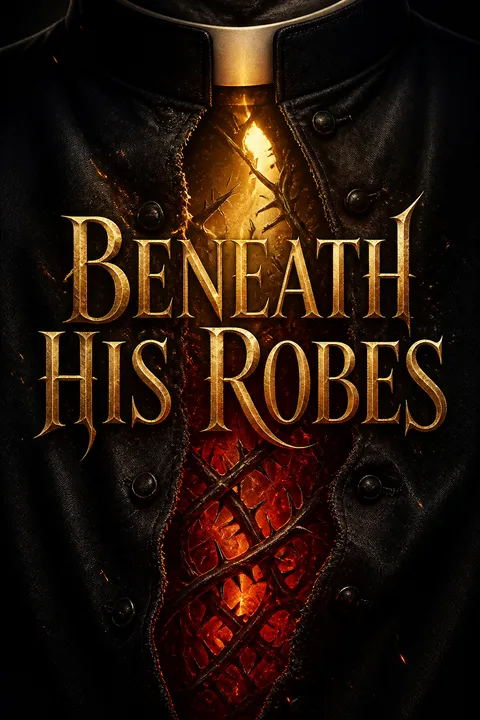
A modern tragedy of faith, trauma, and forbidden loveBeneath His Robes is a harrowing exploration of the collision between faith and desire, trauma and healing, love and violence. The novel interrogates the ways in which institutions—family, church, prison—can both shelter and destroy. At its core, the story is about the cost of survival in a world that punishes difference and vulnerability. Elias and Ronan's love is both their salvation and their undoing, a force that offers fleeting moments of grace but ultimately cannot withstand the weight of shame, violence, and societal rejection. The narrative refuses easy answers: justice is served, but peace remains elusive; love is real, but not enough to save. The book's unflinching depiction of abuse, addiction, and martyrdom is both a critique of the systems that perpetuate suffering and a testament to the resilience of those who endure. In the end, Beneath His Robes is a meditation on the impossibility of purity, the necessity of confession, and the tragic beauty of loving in a world that cannot accept it. The lesson is not one of triumph, but of endurance—the courage to love, to survive, and to bear witness, even when hope seems lost.
Review Summary
Beneath His Robes receives mixed reviews, averaging 4.01 stars. Many readers praise its raw emotional depth, intense angst, and the devastating love story between priest Elias and prostitute Ronan. The push-pull dynamic and tragic ending left numerous readers sobbing, though some found it repetitive and inconsistently written. The book carries heavy trigger warnings, notably suicide and graphic violence. While some consider it an unforgettable romantic tragedy, others felt the execution fell short of its compelling premise, citing pacing issues and underdeveloped backstory.
Characters
Elias Cross
Elias is a man divided between his faith and his forbidden love for Ronan. Raised in a loving but sheltered family, he seeks solace in the church, hoping to atone for past mistakes and suppress his desires. His priesthood is both refuge and prison, offering structure but demanding denial. Elias's psychological struggle is intense: he punishes himself for his feelings, using rituals and even a chastity cage to maintain control. His love for Ronan is both his greatest sin and his only salvation. Over the course of the story, Elias moves from repression to acceptance, ultimately choosing love over dogma, even at the cost of his life. His martyrdom is both tragic and redemptive, a testament to the power and danger of love in a world that cannot accept it.
Ronan Saint Clare
Ronan is shaped by trauma: an abusive stepfather, an addicted mother, and a society that rejects him. His love for Elias is a lifeline, but also a source of shame and danger. Ronan's coping mechanisms—sex work, violence, bravado—mask deep vulnerability and longing for acceptance. He is fiercely loyal, willing to sacrifice everything for those he loves, but haunted by guilt and self-loathing. His journey is one of survival, resilience, and the search for meaning in a world that has offered him little kindness. Ronan's relationship with Elias is both healing and destructive, a cycle of longing, loss, and brief moments of grace. In the end, Ronan is left alone, carrying the scars of love and violence, searching for peace that may never come.
Jack Manning
Jack is Ronan's stepfather and the primary antagonist. He is violent, bigoted, and manipulative, using fear and brutality to control those around him. Jack's abuse shapes Ronan's life, instilling shame and self-hatred. His hatred of Elias and Ronan's relationship is both personal and ideological—a crusade against what he sees as weakness and sin. Jack's final acts of violence are both literal and symbolic, turning the church into a site of martyrdom. He is a force of destruction, but ultimately, his power is rooted in the silence and complicity of others.
Miranda Saint Clare
Miranda is Ronan's mother, trapped in a cycle of addiction and abuse. She is both victim and enabler, unable to protect herself or her son from Jack's violence. Her moments of clarity are rare but profound—her final confession exonerates Ronan and exposes Jack's crimes. Miranda's death is both a release and a tragedy, leaving Ronan unmoored. Her character embodies the generational trauma that shapes the lives of those around her.
Maria Cross
Maria is Elias's sister, a reminder of what could have been. Her presence is a source of tension, representing both familial love and the misunderstandings that drive the brothers apart. Maria's attempts to connect with Ronan are well-meaning but ultimately futile, highlighting the isolation of those who live outside the norms of their community.
Father Franklin
Father Franklin is Elias's spiritual guide, offering wisdom and acceptance in a world of judgment. He represents the possibility of a more compassionate faith, one that acknowledges human frailty and the complexity of love. His presence is a balm for both Elias and Ronan, offering hope even in the darkest moments.
Travis
Travis is Ronan's friend from Vegas, a fellow survivor who offers support and understanding. His irreverence and humor provide moments of levity, but he is also a reminder that healing is possible, even after great pain. Travis's loyalty is unwavering, and his presence helps Ronan navigate the aftermath of trauma.
Officer Mullins
Mullins is a prison guard who participates in Ronan's assault. He embodies the cruelty and indifference of the system, using his power to exploit and destroy. His eventual execution is a moment of justice, but also a reminder of the limits of retribution.
Vixor
Vixor is Ronan's unpredictable cellmate, a figure of both menace and insight. His ramblings and provocations force Ronan to confront his own fears and desires. Vixor represents the chaos of prison life and the thin line between survival and surrender.
Detective Weston
Detective Weston is the investigator who ultimately brings Jack and the other abusers to justice. His persistence and integrity stand in contrast to the corruption and violence that pervade the story. Weston's actions offer a glimmer of hope that the truth can prevail, even in a broken world.
Plot Devices
Duality of Faith and Desire
The narrative is structured around the tension between Elias's religious vows and his love for Ronan. This duality is explored through confessions, rituals, and the literal use of a chastity cage. The church, both sanctuary and prison, is a recurring symbol. The story uses biblical imagery—crucifixion, confession, martyrdom—to heighten the stakes and underscore the tragedy of forbidden love. The interplay of light and darkness, purity and sin, is ever-present, shaping both character and plot.
Nonlinear Narrative and Flashbacks
The story frequently shifts between past and present, using flashbacks to reveal the roots of Ronan and Elias's bond and the traumas that shape them. These shifts deepen the emotional resonance, showing how childhood wounds inform adult choices. The nonlinear structure mirrors the characters' psychological fragmentation and the cyclical nature of trauma and healing.
Symbolism of the Cross and Fire
The cross is both a symbol of faith and a tool of violence, culminating in Elias's crucifixion. Fire represents both destruction and purification—the burning church is the climax of both love and loss. These symbols are used to explore themes of sacrifice, redemption, and the cost of survival.
Prison as Metaphor
The literal prison is mirrored by the metaphorical prisons of faith, shame, and trauma. Characters are trapped by their pasts, their bodies, and the expectations of others. The narrative uses the prison setting to explore power, vulnerability, and the struggle for agency.
Confession and Testimony
Confession is a recurring motif—both in the religious sense and as a means of survival. Characters confess to each other, to God, and to themselves, seeking absolution or understanding. Testimony—Miranda's dying words, Ronan's statements, Jack's confession—drives the plot and determines the fate of the characters.
Foreshadowing and Circularity
The prologue and repeated biblical verses foreshadow the story's tragic arc. The narrative is circular—beginning and ending with confession, loss, and the search for redemption. The sense of inevitability heightens the emotional impact, making each moment of hope more poignant.
Download PDF
Download EPUB
.epub digital book format is ideal for reading ebooks on phones, tablets, and e-readers.








































