
Plot Summary
City On The Brink
Addis Ababa, 1974. Rumors of rebellion — whispered through crackling radios and tense hospital rooms — cut the city's late afternoon air. The heart of a nation and the heart of a family converge as Dr. Hailu, a respected physician, fights to save a wounded student while worrying if his own son Dawit is next. On the streets, demonstrations flame and falter; inside homes, families worry through prayers for absent mothers or missing children. In Hailu's clinic, hope and exhaustion clash as bullets and stones wound the young, and memories of empire and modernity battle in the city's labyrinth. For Hailu, every patient is his child and every shuddering heartbeat forecasts the tremors threatening Ethiopia's thousand-year throne.
Family Under Siege
The bonds of family tighten and strain under political collapse. Hailu navigates a household shadowed by his wife Selam's chronic illness, his eldest Yonas's cautious faith, and his younger son Dawit's smoldering defiance. Each member is haunted by a private ache—grieving loss, fearing change, or fueling anger through dance and memory. As Selam hovers between life and surrender in a hospital bed, her sons and husband drift between hope, resentment, and the knowledge that their home—once a sanctuary—is now a battleground for secret grief and clashing visions of Ethiopia's future. They pray together in shifts, torn by tradition and revolution tugging at their doors.
Dance Of Dissent
On city streets and behind closed doors, Dawit and his friends channel desperation and hope into radical meetings and protest dances. The university, once a beacon, is closed, its students now targets; secret pamphlets and forbidden music stoke the fires of dissent. Through violence and loss, Dawit's convictions harden—transforming childhood trauma and a thirst for justice into action. He tangles with his father, who cannot reconcile his child's anger with his duty as healer. Dawit's resistance symbolizes a generation: they reject both the empire's solemn decrees and their parents' cautions, determined to pull an old nation into a new, uncertain dawn.
The Emperor Diminished
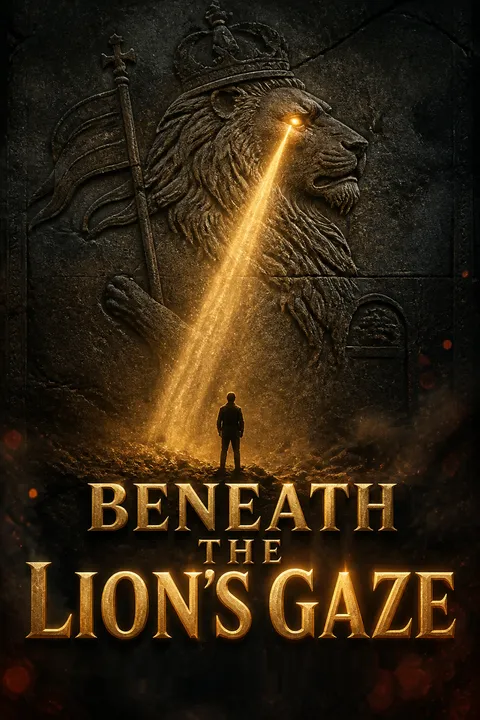
Emperor Haile Selassie — solitary lion in a palace now echoing with footsteps of mutinous soldiers — faces the unraveling of his divine rule. Once celebrated and respected, the Emperor finds his authority chipped away by unrest: military mutinies, famine, and demands for justice. His decrees grow ineffectual as the Derg—an ambitious committee of officers—rises under his nose. Selassie's court becomes a prison; the once-mighty "Conquering Lion of Judah" is reduced to lonely prayer, remembering his glory days as the revolution's paper demands flutter through the city like falling leaves. The emperor's downfall is no fiery tragedy, but a quiet, bewildered dissolution of power.
Splintered Bonds
As revolution rages outside, the family is hammered by inside crises. Hailu must keep his vow to respect his wife's wish for release—yet aches to heal her, clashing with Yonas's faith and Dawit's private grief. Selam, dying, is the hub of their anguish; her suffering pulls her sons and husband into confrontation, confession, and regret. When she finally passes in a haze of peace and struggle, her absence tears them open—each left alone with guilt, secrets, and an unfillable space around the prayer room's wooden table. Loss hardens Dawit and drives Yonas and Sara, his wife, to the edge.
Hunger & Revolt
Outside the capital, famine eviscerates rural provinces—fields once fertile now littered with the dying. Mickey, Dawit's childhood friend, is sent to Wello as a soldier and brings back haunting stories of starvation and the government's lies. The city's students learn that the emperor's regime has concealed hunger, allowing poverty and death to stalk the land while the rich dine in gilded halls. Hunger is more than a metaphor: it is the root of revolution, igniting calls for land reform and justice. The country's suffering — silent, massive — becomes the moral engine for rebellion, giving Dawit and his peers righteous fury and purpose.
Selam's Last Days
As Selam weakens, her room becomes the stage for the family's deepest battles. Hailu wrestles with the meaning of mercy—should he fight death on her behalf, or let go as she pleads? Yonas, stuck between faith and guilt for enabling her to discard medicine, questions whether obedience is compassion. Dawit, aching for maternal comfort, brings his radical hopes to Selam, seeking her blessing or absolution. In her final moments, peace is elusive, and her departure is as much a reckoning for the living as it is a release for the dying. Her last breath deepens the cracks running through her husband and sons.
Streets Run Red
Emperor Haile Selassie is toppled with barely a whisper. The Derg assumes control, promising order while launching terror: ministers, nobility, and students are arrested, "trials" a mere theater for executions. Nightly, the sound of gunfire ambushes sleep; streets are littered with bodies—neighbors, friends, or strangers—left as warnings. Dawit watches friends die and families shatter; Yonas and Sara's daughter Tizita nearly succumbs to a sudden sickness, their terror mirrored by the panic in every household. As neighbors disappear and trusted friends become informers or soldiers, even private spaces become dangerous. The family's unity is strained further by trauma, guilt, and moral compromise.
Generation Uprising
Resistance shifts from idealistic protest to deadly urban warfare. Dawit and Lily's relationship is transformed by hardship; student activism splinters as the Derg co-opts the language of reform while wielding guns. Some join the regime, others disappear. The revolutionary dream turns grim, as even hoped-for victories require blood. Dawit, recruited by a clandestine opposition, must choose between rage and mercy when facing collaborators—including childhood friends like Mickey, now advanced within the military. The cycle of accusation, betrayal, and loss leaves the young embittered: old alliances crumble, and new ones must be forged in secrecy and shadow.
Trauma And Betrayal
Violence and betrayal corrode every relationship. Friends and family break apart as complicity, guilt, and fear poison even moments meant for comfort. Mickey confesses to Dawit his role in mass executions, crossing an irrevocable line. Hailu, forced to treat a tortured girl in the hospital, chooses mercy, sparing her more suffering by aiding her death—a decision leading to his arrest by the regime. The cycle is relentless: neighbors become spies, children are taken, and men must betray those they love to protect others. Trauma deepens as survival demands impossible choices, and every act of resistance carries risk of lethal betrayal.
Death Of An Empire
Haile Selassie dies ingloriously in jail—possibly murdered—and his empire, built on millennia of legend, collapses irretrievably. The Derg turns Red Terror into official policy. Prisoners are dispatched, summary executions become routine, and violence runs unchecked, with families left to mourn unburied dead. The city is haunted by mourning and rage. Even the conquering lion is a ghost now: all that remains is his city, his palace, and the hungry, wounded people searching for meaning, justice, and peace as the gunfire echoes and new rulers grow ever more tyrannical.
The Long Night
Months become years as Red Terror poisons every day. Hailu, brutalized in jail, drifts between agony and surrender, comforted by visions of his beloved Selam. Sara and Dawit, joined by Melaku, create a clandestine network to rescue and bury the regime's victims—becoming heroes and hunted. Tizita's childhood is punctuated by gunfire; children work, are killed, or vanish. Ordinary people become extraordinary, capable of both compassion and destruction. The family fragments and reunites in cycles of fear and hope, driven by a stubborn belief that even the darkest era can end if enough endure, love, and fight for each other.
Guilt, Survival, Hope
Those left alive bear the guilt of action and inaction. Yonas and Sara must face secrets, betrayals, and forgiveness in their marriage; Dawit's resistance brings both pride and pain; Hailu's return from prison is a resurrection tinged with shame and trauma. The deaths of children, friends, and neighbors become private wounds and public reckonings. Small acts—hidden burials, prayers, even defiance—become infused with hope. Redemption is only partial; wounds heal with scars. But the survivors—tethered together by shared ordeal—compose the nucleus of a country stubbornly refusing to disappear.
Children Of War
Children like Tizita and Berhane are not spared: they witness atrocities firsthand, sometimes becoming victims themselves. Their games, friendships, and dreams are shaped by violence, hunger, and loss. The deaths of Berhane and countless others become the revolution's most damning indictment. Yet moments of tenderness—the lullabies, embraces, prayers—offer the faint possibility that innocence, though battered, might persist. The next generation will inherit the legacies of brutality, courage, and survival.
Old Lions, New Chains
Many who opposed the emperor find themselves crushed under the Derg, their ideals betrayed. Revolutionaries become jailers; friends are transformed into interrogators. The book's Lament: even "good men," dreamers, patriots—Hailu, Solomon, Melaku—cannot escape guilt or loss. The revolution devours its children. Yet among the ruins, old bonds reemerge, and elders rediscover meaning in resistance, storytelling, and love, forging new chains of solidarity across generations.
Resistance Beneath The Surface
Through prayer rooms, coded songs, clandestine pamphlets, and the act of honoring the dead, resistance endures. The family, even in hiding and under suspicion, helps organize and protect a fragile network of hope. Sara finds purpose in action; Melaku, once a wishful singer, becomes their linchpin. Even Yonas, accused of cowardice, stands up for family when soldiers threaten them. Even in utter darkness, faith—whether spiritual, familial, or political—gives strength. The story closes not with victory, but with the battered endurance of those who dare to remain human.
Losses Counted, Futures Forged
With the Red Terror's violence still lurking, the family clings together—Hailu returned, Dawit in hiding, Tizita and Sara holding each other as dusk falls, while Yonas quietly resumes hope. The old Ethiopia—kingdom, faith, innocence—is lost. But the will to survive, to reclaim dignity, and to resist losing one's soul persists. The story ends not with easy answers but with the image of family holding hands, counting in the darkness, and longing for a peace that remains just out of reach—but not impossible.
Analysis
Maaza Mengiste's Beneath the Lion's Gaze presents a searing chronicle of an Ethiopian family ensnared in the early years of revolution, where the personal is inseparable from the political, and every act of conscience is shadowed by violence, complicity, or loss. The novel's power lies in its refusal to offer easy heroes or villains: characters are ground down by circumstance, forced to choose between unspeakable options—loyalty to family, faith, justice, or their own survival. Through the fractured experiences of Hailu's family and the tragic fall of Emperor Haile Selassie, Mengiste meticulously shows how grand historical shifts devastate ordinary lives—splitting open the bonds of family, friendship, and faith. Yet, amidst despair, the novel holds space for acts of mercy, the tenacity of love, and the birth of resistance, arguing that even when empires and ideals collapse, the daily courage of mothers, daughters, healers, and forgotten children forges the painful first steps toward a better world. Modern readers are left with profound questions: What is the cost of silence? How do we honor our dead and broken? Can endurance itself be a kind of victory when justice seems impossible? In rendering the Ethiopian revolution as a series of intimate heartbreaks and hard-won solidarities, Mengiste delivers a lesson both particular and universal: nations die and are reborn in the hearts and households of their people.
Review Summary
Beneath the Lion's Gaze is widely praised for its vivid portrayal of 1970s Ethiopia during the fall of Emperor Haile Selassie and the brutal Derg regime. Readers appreciate Mengiste's ability to ground historical trauma in one family's experience, balancing graphic violence with intimate moments of love and faith. The novel is commended for illuminating little-known Ethiopian history, particularly for Western audiences. Some critics note pacing issues, underdeveloped characters, and abrupt scene transitions, but most agree the emotional power and beautiful prose outweigh these shortcomings.
People Also Read

Characters
Hailu
As the family's anchor and moral barometer, Hailu embodies the struggle between duty and mercy. Loved by his sons but isolated by pride and grief, he is haunted by his wife's illness and the country's slow collapse. Professionally, he is a skilled doctor, but his adherence to principle brings peril—notably in his decision to grant mercy to a tortured young "enemy," leading to his own arrest and torture. Psychologically, he is torn between logic and faith, unable to resolve his longing to heal, his guilt over past inaction, and the limits of his power. By the end, he is scarred but survives, his authority diminished but not erased, modeling resilience through humility and sacrifice.
Dawit
Once sensitive, inquisitive, prone to rage, Dawit's journey charts the evolution from rebellious student to hardened resistance fighter and borderline avenger. His outrage at injustice—stoked by memories of class violence and stories of famine—pushes him from idealistic protester to clandestine operative, capable of both mercy and violence. Dawit's greatest torment is guilt: for not saving more, for the transformation of friends into enemies, for the burden his activism places on his family. His relationships—with Sara (his sister-in-law, emotional touchstone), Lily (lost love), Mickey (friend turned killer), and his father—are marked by yearning, regret, and the impossibility of full reconciliation in brutal times.
Yonas
Older brother Yonas is a teacher, a husband, and a man who tries to keep order in chaos. He is an observer, shaped by religious devotion and a longing for security. His guilt—over his mother's death, his daughter's near-death, his father's imprisonment, and his inability to be either bold (like Dawit) or silent—paralyzes him, making him seem cowardly. Yet he finally finds strength, defending family against soldiers, supporting Sara's decisions, and forging a path beyond passive faith, even as he retains a core gentleness and sense of decency.
Sara
Sara, Yonas's wife, is both mother and "sister" to Dawit, carrying her own legacies of trauma, resilience, and longing for redemption. Marked by childhood loss, physical scars, and difficult pregnancies, Sara channels her love and pain into devotion to Tizita and, later, clandestine acts of resistance—risking her own safety to honor and bury the regime's victims. Beneath her nurturing is an iron will and anger toward institutions and husbands who too often accept fate. Her evolution from passive caretaker to underground activist is one of the novel's most quietly heroic arcs.
Mickey
Mickey's path is the story of the ordinary, well-intentioned man caught in the revolution's machinery. Born poor, eager for a place, he joins the military out of necessity, only to become complicit in atrocities under orders—especially a fateful night executing prisoners. His confessions to Dawit, and his inability to forgive himself, expose the regime's corruption of innocence. As guilt gnaws, Mickey both tries to protect old friends and advances within the Derg—his self-loathing, isolation, and psychological collapse reflect the wider destruction of a generation's decency.
Selam
Selam, wife to Hailu and mother to Yonas and Dawit, is mostly seen in dreams, memories, and the liminal space of her sickbed. Symbolizing both motherland and lost wholeness, her dignity, love, and wisdom guide the family through emotional crises—even as her request for "mercy" death becomes the crucible for Hailu's agony. Her passing is both a personal and national loss—a silence at the center that leaves the family, and the city, searching for comfort and meaning.
Lily
Lily, Dawit's lover, represents the complexities of women's aspirations. She is idealistic, quick-witted, more pragmatic than Dawit in her approach to reform: using the system as leverage, seeking real empowerment even if it means some accommodation. Her relationship with Dawit is marked by passion and arguments, ultimately outlasted by revolution's pressures. Lily's departure for Cuba with a scholarship marks another diaspora, fracturing hope for simple romantic or political salvation.
Melaku
An aging shopkeeper and former musician, Melaku is the link between past and present, tradition and change. Wise, sly, and deeply wounded by loss, he becomes essential to Dawit and Sara's clandestine efforts, risking everything for the greater good after a lifetime of private pain and ambiguous regret. Melaku's arc—from comic relief to underground hero—reflects the potential for ordinary people to matter most.
Emama Seble
Old, sharp-tongued, dressed forever in black, Emama Seble is at once a source of practical wisdom and spiritual ballast. Both feared and beloved, she mothers the compound during crises, provides healing when doctors fail, and calls out cowardice. She represents the persistence of memory and the necessity of endurance, embodying links to Ethiopian history and the lesson that survival is an act of resistance.
The Emperor (Haile Selassie)
Once godlike, by the novel's events the Emperor is isolated and diminished, his palace invaded by his enemies, unable to comprehend the world's new machinery. Both revered and abandoned, he is a study in the distance between legend and frail humanity. His arc—from proud rule to bewildered captivity to dying in obscurity—mirrors the nation's own loss of direction. Even in defeat, his presence haunts both the revolutionaries and the generations that follow.
Plot Devices
Multiple Narratives And Perspective Shifts
The novel weaves together a dense narrative tapestry, jumping between internal monologues, public events, private tragedies, and collective fears. By granting the reader access to the interlocking lives of Hailu's family, the Emperor's inner circle, street-level activists, and ordinary neighbors, Mengiste conjures a panoramic vision of revolution and its corrosive effects on the psyche. The use of dreams, memories, and hallucinations bridges chronology, making past, present, and future echo one another.
Foreshadowing Through Ritual And Repetition
Prayer rooms, family rituals, and the act of mourning are used to foreshadow the eruption of violence and the recurring nature of grief. The family's prayers, Selam's wishes, Hailu's counting, and the details of burial rites all return with tragic significance as the city moves from protest to massacre to clandestine hope. The repetition of loss across generations—seen in both personal and national histories—underscores the reach of trauma and the longing for redemption.
The Body As Battleground
Physical suffering—illness, torture, poisoning, gunshot wounds, starvation, rape—serves as a literal and symbolic map of Ethiopia's pain. Hospitals and morgues become theaters of moral conflict: mercy versus cruelty, healing versus complicity. Characters' bodies remember what words cannot say: the tremor in Hailu's hands, the bruises on Dawit's body, the wounds of tortured prisoners and murdered children—each is a testimony to both endurance and devastation.
Codes & Testaments
Pseudonyms ("Mekonnen"), coded letters, and underground publications operate as the street-level infrastructure of revolution. But so do secret prayers, gentle touches, and simple acts of care. The use of code—both to resist and to conceal—invites reflection on truth, identity, and what must be hidden to survive.
Parent/Child Cycles
Fathers and sons, mothers and daughters—their conflicts, misunderstandings, and acts of devotion mirror the larger contest between generations, empires, and visions for Ethiopia's future. The choices of parents haunt the children, while each new generation must decide whether to repeat or break the cycles of violence and compromise.
Download PDF
Download EPUB
.epub digital book format is ideal for reading ebooks on phones, tablets, and e-readers.








































