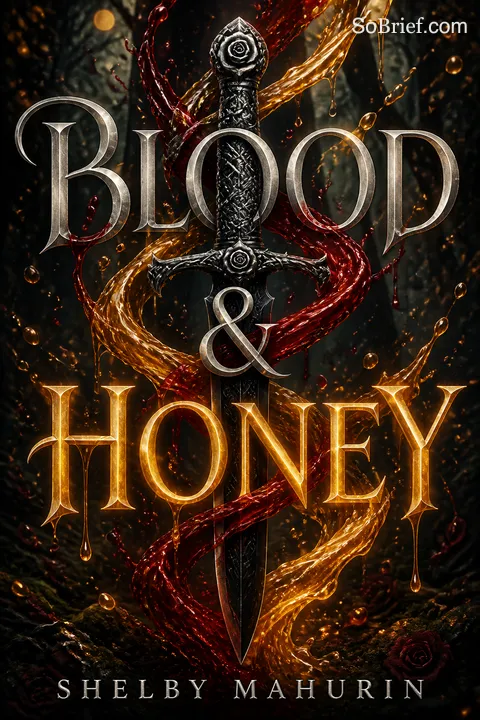
Plot Summary
Stolen Sanctuary in the Hollow
Lou, Reid, and their mismatched band of fugitives—witches, ex-huntsmen, a prince, and outcasts—hide in the Hollow, a magical pocket in the haunted forest. They are fugitives from both the witch queen Morgane and the king's Chasseurs, their faces plastered on wanted posters. The group's camaraderie is laced with tension, hunger, and the ever-present threat of discovery. Lou and Reid's love is a rare comfort, but both are haunted by trauma and guilt from recent violence. Madame Labelle, Reid's mother, pushes for alliances and strategy, but Lou resists, clinging to the illusion of safety. The Hollow is a temporary haven, but the outside world's dangers—huntsmen, witches, and the king's wrath—press ever closer, and the group's unity is as fragile as the melting snow around them.
Blood, Magic, and Memory
The group's safety is shattered when Chasseurs discover them. Lou and Reid, caught off guard, are forced to use magic to survive, but the cost is steep. Lou manipulates memories and trades pieces of herself to save Reid, while Reid, a former witch-hunter, is forced to wield the very magic he despises. The aftermath leaves them both physically and emotionally scarred. The group debates the morality and danger of magic, the nature of evil, and whether people are shaped by nurture or nature. The trauma of violence and the sacrifices made for love begin to erode Lou and Reid's sense of self, and the group's trust in one another is tested as they realize that hiding is no longer an option.
The Gathering Storm
Madame Labelle insists they must gather allies to stand a chance against Morgane. The group splits up: Lou, Coco, and Ansel seek the blood witches, while Reid, Madame Labelle, and Beau head for the werewolves. Disguises are donned, hair is dyed, and old wounds are reopened. The journey is fraught with mistrust—Reid's aversion to magic, Lou's impulsiveness, and the group's fear of betrayal. Each character is forced to confront their past and their place in the coming conflict. The storm is not just in the sky, but in their hearts, as they prepare to face enemies both within and without.
A World on the Run
The group's separation exposes them to new threats. Lou's attempt to win the blood witches' alliance is met with suspicion and grief, as she is forced to help search for a missing prince—one of the king's many illegitimate children, now targeted by Morgane. Reid's journey to the werewolves is equally perilous, as he must confront his own bloody past and the consequences of his actions as a Chasseur. Both groups face betrayal, violence, and the realization that the world they knew is gone. The only way forward is through pain, sacrifice, and the forging of unlikely alliances.
Painted Hair, Hidden Hearts
Lou's attempt to disguise herself—dying her hair, hiding her scars—mirrors her internal struggle. The group's efforts to blend in are both comic and tragic, as old identities are shed and new ones assumed. Ansel, desperate to prove himself, seeks to learn magic and combat, but is met with disappointment and self-loathing. Beau's bravado masks his own insecurities, while Coco's sharp tongue hides her pain. The group's banter is a thin veneer over deep wounds, and the act of hiding becomes a metaphor for the lies they tell themselves and each other.
The Price of Power
As the group faces bounty hunters and betrayal, the true cost of magic becomes clear. Lou's use of magic grows more reckless, and Reid's fear of losing himself to power intensifies. The group is forced to kill to survive, and each act of violence leaves a mark. The lines between good and evil blur, and the characters grapple with guilt, shame, and the fear of becoming monsters. The price of power is not just physical, but spiritual, as each sacrifice chips away at their humanity and their relationships.
Troupe of Masks and Lies
Seeking refuge, the group joins Claud Deveraux's traveling troupe, hiding in plain sight as actors. The troupe is a microcosm of the world's chaos—filled with secrets, hidden magic, and shifting allegiances. Reid is forced to perform, both on stage and in life, while Lou's past and present collide. Claud, enigmatic and otherworldly, becomes both protector and mystery. The troupe's performances mirror the characters' own struggles with truth and illusion, and the boundaries between reality and theater blur as they prepare for the next act in their fight against Morgane.
Wolves, Witches, and Kings
The group's quest for allies leads to confrontations with werewolves and the king. Old enemies become uneasy partners as they face a common threat in Morgane. Reid must atone for past sins, challenging the werewolf alpha to a deadly duel to secure their support. The king, Auguste, proves as dangerous as any witch, driven by pride and paranoia. Loyalties are tested, and the cost of unity is steep. The group's survival depends on their ability to trust one another, even as betrayal and old wounds threaten to tear them apart.
The Trap is Set
Morgane, ever the master manipulator, sets her trap with riddles and threats. The group races to decipher her clues, knowing that failure means death for innocents. The funeral of the Archbishop becomes the stage for Morgane's next move, and the group must navigate a city on edge, hunted by Chasseurs and haunted by their own demons. The tension mounts as the clock ticks down, and the line between hunter and hunted blurs. Each character is forced to confront their deepest fears as Morgane's web tightens around them.
Funeral of the Father
The Archbishop's funeral is both a public spectacle and a private reckoning. Reid is forced to confront his grief and guilt over killing the man who raised him, while Lou grapples with her own complicated legacy. The city mourns, but the group knows that the real danger is yet to come. Old relationships are tested, secrets are revealed, and the weight of the past threatens to crush the future. In the shadow of death, the characters must choose what—and who—they are willing to fight for.
The Masquerade Below
Morgane's final trap is sprung in the catacombs beneath the city, at the Skull Masquerade. Lou, separated from her allies, must navigate a labyrinth of death and deception to save Célie, Reid's former love, now a pawn in Morgane's game. The tunnels are filled with magic, madness, and the ghosts of the past. Allies vanish, enemies multiply, and the true nature of power is revealed. The masquerade is both literal and metaphorical, as masks are stripped away and the characters' true selves are laid bare.
The Mirrored Grave
Lou finds Célie entombed with her dead sister, a living victim of Morgane's cruelty. Ansel, desperate to prove his worth, follows Lou and becomes ensnared in the deadly game. The rescue is fraught with pain, as Lou is forced to hurt those she loves to save them. The cost of victory is high, and the line between savior and destroyer blurs. The mirrored grave is a symbol of the choices that haunt the characters—the lives they cannot save, and the parts of themselves they must bury to survive.
The Mother's Game
Lou faces Morgane in a final, brutal confrontation. The battle is as much psychological as magical, with Morgane exploiting every weakness and fear. Allies fall, and the cost of defiance is paid in blood. Lou's struggle is not just against her mother, but against the darkness within herself—the temptation to become the monster she fears. The game is rigged, and victory comes at a terrible price. The legacy of violence and vengeance threatens to consume everyone.
The Woodwose Revealed
In the midst of chaos, Claud Deveraux reveals his true nature as the Woodwose, an ancient spirit of the wild. His intervention halts Morgane's rampage, but the cost is the exposure of old magic and the realization that the world is governed by forces beyond mortal understanding. The Woodwose's presence is both a blessing and a warning—the balance of power is fragile, and the consequences of violence ripple through the world. The characters are left to reckon with the limits of their own strength and the dangers of unchecked ambition.
The End of Innocence
The battle's aftermath is marked by devastating loss. Ansel, the group's heart, is killed in front of Lou, shattering what remains of her innocence. Grief and rage threaten to consume her, and the group is left fractured and broken. The cost of vengeance is laid bare, and the survivors must choose whether to continue the cycle of violence or seek a new path. The end of innocence is not just personal, but collective—the world itself is changed, and nothing will ever be the same.
Old Magic, New Monsters
In the wake of tragedy, Lou seeks new alliances with the blood witches, only to be betrayed by La Voisin and Nicholina. The old magic they wield is as dangerous as Morgane's, and Lou is forced to confront the darkness within herself and her supposed allies. The hunger for power corrupts all, and the line between friend and foe blurs. Lou's struggle is no longer just against Morgane, but against the evil that seeks a foothold in every heart—including her own.
The Cost of Vengeance
The survivors gather to mourn and plan their next move. The desire for vengeance is strong, but the cost is clear—each act of violence begets more suffering, and the cycle threatens to spiral out of control. Old wounds are reopened, and the group's unity is tested as they debate the morality of their actions. The true enemy is not just Morgane, but the darkness that grows in the absence of hope. The characters must decide whether to continue fighting or seek redemption.
Something Dark and Ancient
As the dust settles, Lou and Reid are left to pick up the pieces of their shattered world. The losses they have suffered—friends, family, innocence—cannot be undone. The darkness within and without remains, but so does the possibility of change. The story ends not with triumph, but with the recognition that the fight against evil is ongoing, and that the greatest battle is within themselves. The future is uncertain, but hope endures, fragile and fierce.
Analysis
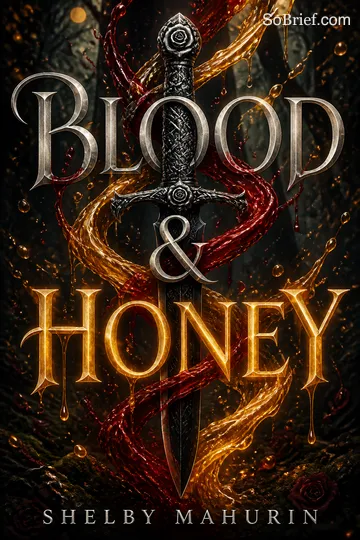
Shelby Mahurin's Blood & Honey is a dark, emotionally charged exploration of love, power, and the cost of survival in a world defined by violence and prejudice. At its core, the novel interrogates the nature of evil—not as an external force, but as something that grows within, fed by trauma, fear, and the hunger for control. Through Lou and Reid's intertwined journeys, the story examines the price of magic, the burden of legacy, and the struggle to remain human in the face of monstrosity. The dual narration allows for a nuanced portrayal of love's power to heal and destroy, and the shifting alliances and betrayals reflect the complexity of real-world conflicts. The novel's use of prophecy, masks, and performance underscores the tension between fate and free will, and the ultimate message is one of hope tempered by hard-won wisdom: that breaking the cycle of violence requires not just strength, but vulnerability, forgiveness, and the courage to choose a different path. In a world where every victory comes at a cost, Blood & Honey asks what we are willing to sacrifice for those we love—and whether redemption is ever truly possible.
Review Summary
Blood & Honey received mixed reviews, with many readers disappointed compared to the first book. Critics cited a lack of plot progression, character regression, and unnecessary filler content. Some enjoyed the expanded world-building and new characters, while others found the protagonists frustrating and their relationship strained. The dark tone and magic system garnered praise, but pacing issues and a controversial ending left many readers unsatisfied. Despite criticisms, some still found the book engaging and looked forward to the trilogy's conclusion.
People Also Read


Characters
Lou (Louise le Blanc)
Lou is the daughter of Morgane, the witch queen, and the story's central figure. Torn between her heritage and her desire for freedom, Lou is fiercely independent, witty, and impulsive. Her love for Reid is both her greatest strength and her deepest vulnerability. Lou's journey is one of self-discovery and sacrifice—she trades pieces of herself, both magical and emotional, to protect those she loves. Haunted by guilt, trauma, and the fear of becoming her mother, Lou's struggle is as much internal as external. Her arc is one of transformation, as she learns the true cost of power and the meaning of love, loss, and redemption.
Reid Diggory
Reid is a former Chasseur, raised by the Archbishop and trained to hunt witches. His world is upended when he falls in love with Lou and discovers his own magical heritage. Reid is principled, disciplined, and often rigid, struggling to reconcile his beliefs with the reality of magic and the moral ambiguity of war. His journey is one of atonement and acceptance—of his past, his power, and his love for Lou. Reid's internal conflict is mirrored in his relationships, as he grapples with guilt, grief, and the fear of losing himself to darkness. His development is marked by moments of vulnerability, courage, and the painful process of letting go.
Coco (Cosette Monvoisin)
Coco is Lou's closest friend and a powerful blood witch. Scarred by loss and betrayal, she is sharp-tongued, fiercely protective, and deeply compassionate. Coco's relationship with her aunt, La Voisin, is fraught with tension, as she is torn between loyalty to her people and her chosen family. Her arc is one of leadership and sacrifice—she must navigate the politics of the blood witches, confront her own pain, and make impossible choices. Coco's struggle with grief, especially after Ansel's death, reveals her vulnerability and strength, and her journey is one of healing and hope.
Beau (Beauregard Lyon)
Beau is the king's son, a prince who hides his insecurities behind bravado and wit. Initially self-absorbed and dismissive, Beau grows into a key ally, risking everything for his friends. His relationship with his family is complicated—he seeks approval but is often disappointed. Beau's arc is one of maturity and self-acceptance, as he learns the value of loyalty, courage, and sacrifice. His humor masks deep wounds, and his journey is marked by moments of vulnerability and unexpected heroism.
Madame Labelle (Helene)
Madame Labelle is Reid's mother and a powerful witch. She is pragmatic, diplomatic, and often manipulative, pushing the group toward alliances and strategy. Her relationship with Reid is strained by years of separation and secrets, but her love for him is genuine. Madame Labelle's arc is one of reconciliation and sacrifice—she must atone for past mistakes and fight for a future she may not live to see. Her wisdom and experience are invaluable, but her methods often put her at odds with the others.
Ansel Diggory
Ansel is the group's moral compass, a gentle soul desperate to prove his worth. His innocence and optimism are both his greatest strengths and his undoing. Ansel's journey is one of longing—for acceptance, love, and purpose. His tragic death is the story's emotional nadir, shattering the group and forcing them to confront the true cost of their fight. Ansel's legacy is one of hope and kindness, a reminder of what is lost in the pursuit of vengeance.
Morgane le Blanc
Morgane is Lou's mother and the story's primary antagonist. She is powerful, cunning, and ruthless, driven by a desire for vengeance against those who have wronged witches. Morgane's love for Lou is twisted by her belief in destiny and sacrifice—she sees her daughter as a weapon, not a child. Her arc is one of descent into madness, as her quest for power consumes her humanity. Morgane is both a cautionary tale and a mirror for Lou, embodying the dangers of unchecked ambition and the corrosive nature of hate.
Claud Deveraux / The Woodwose
Claud is the leader of the traveling troupe and, ultimately, revealed as the Woodwose, an ancient spirit of the wild. He is charming, mysterious, and otherworldly, guiding the group with wisdom and subtle power. Claud's true nature is a reminder of the world's deeper magic and the limits of mortal understanding. His intervention is both salvation and warning, and his presence forces the characters to reckon with forces beyond their control.
La Voisin (Josephine Monvoisin)
La Voisin is Coco's aunt and the leader of the blood witches. She is cold, calculating, and fiercely protective of her people. Her willingness to betray Lou for the greater good highlights the moral ambiguity of leadership. La Voisin's arc is one of survival and pragmatism—she will do whatever it takes to ensure her coven's future, even at the cost of her own humanity.
Nicholina
Nicholina is La Voisin's attendant, a blood witch who embodies the story's darkest magic. She is eerie, unpredictable, and deeply unsettling, serving as both ally and threat. Nicholina's presence is a constant reminder of the dangers of old magic and the thin line between power and monstrosity. Her actions and influence push Lou toward the brink, and her role is both catalyst and warning.
Plot Devices
Dual Narration and Shifting Perspectives
The story alternates between Lou and Reid's perspectives, allowing readers to experience events through both a witch's and a former witch-hunter's eyes. This dual narration deepens the emotional arc, reveals hidden motivations, and highlights the misunderstandings and secrets that drive the plot. The shifting perspectives also allow for dramatic irony, as readers know more than the characters at key moments, heightening tension and empathy.
Magic as Metaphor and Mechanism
Magic in the story is both a literal force and a metaphor for trauma, love, and the cost of survival. Every spell requires sacrifice—memories, emotions, or physical pain—mirroring the psychological toll of violence and loss. Magic's moral ambiguity is central: it can heal or destroy, save or corrupt. The struggle to control magic parallels the characters' struggle to control their own darkness, and the consequences of its use drive the narrative's emotional stakes.
Foreshadowing and Prophecy
The plot is laced with foreshadowing—Coco's visions, Morgane's riddles, and the ever-present threat of prophecy. These devices create a sense of inevitability and doom, as characters race to prevent foretold tragedies but often fulfill them instead. The use of riddles and notes as clues propels the plot and underscores the theme of fate versus free will.
Masks, Disguises, and Performance
The motif of masks—literal and figurative—runs throughout the story. Characters disguise themselves to survive, join a troupe of actors, and perform roles both on and off stage. The act of hiding becomes a metaphor for the lies they tell themselves and each other, and the process of unmasking is both dangerous and liberating. The masquerade is the ultimate stage for revelation and transformation.
Cycles of Violence and Redemption
The narrative structure mirrors the cycles of violence that define the characters' world—betrayal begets vengeance, power begets corruption, and love begets sacrifice. Each act of violence escalates the stakes, and the characters are forced to confront the consequences of their actions. The possibility of redemption is always present, but never guaranteed, and the story's resolution is as much about breaking the cycle as it is about defeating the enemy.
Serpent & Dove Series
Download PDF
Download EPUB
.epub digital book format is ideal for reading ebooks on phones, tablets, and e-readers.








































