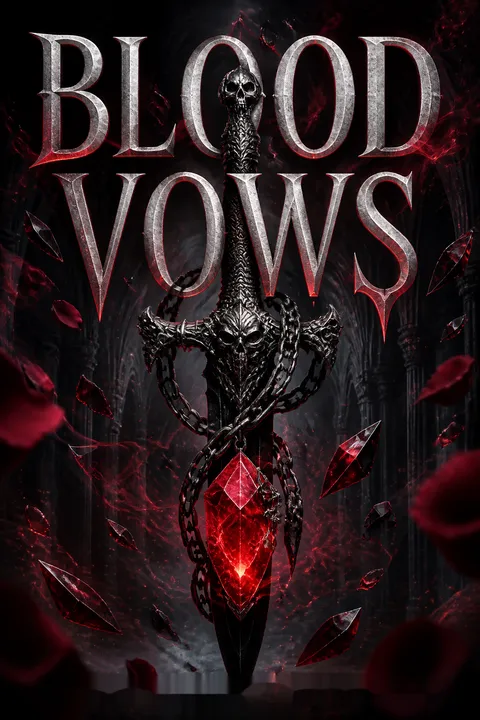

Plot Summary
Shadows and Bloodlines
Vanessa, a young woman marked by trauma, is kidnapped by Vasileios, a vampire mafia lord with a vendetta. She awakens in his ancient English manor, a place steeped in old-world luxury and shadowed by secrets. Vasileios is both her captor and her reluctant protector, his motives tangled in revenge against his estranged brothers, Victor and Talon. Vanessa's fear is palpable, but so is her curiosity—about the forbidden east wing, the mysterious dagger, and the true nature of her captor. The house itself becomes a character, its silence and grandeur amplifying her isolation and the sense that she is a pawn in a much larger, blood-soaked game.
The Captive and the Captor
Vanessa's initial terror is met with Vasileios's cold pragmatism. He insists she is a means to an end, a bargaining chip to reclaim the family's legendary dagger from his brothers. Yet, his actions betray a conflicted nature: he tends her wounds, provides for her comfort, and enforces rules with a strange gentleness. Their interactions are fraught with tension, but also with a growing, dangerous intimacy. Vanessa senses that beneath his monstrous exterior lies a man at war with himself, and she is drawn to the glimpses of vulnerability he cannot fully hide.
Unmasking the Monster
Vanessa's nights are plagued by nightmares—some memories, some conjured by Vasileios's supernatural influence. Yet, when she wakes screaming, it is Vasileios who comforts her, holding her until her terror subsides. The lines between captor and savior blur. She begins to see the cracks in his armor, the pain and loneliness that drive him. Their connection deepens, built on shared trauma and the unspoken recognition of two damaged souls. The monster she feared becomes, paradoxically, her safest place.
Nightmares and Gentle Hands
The days pass in a strange rhythm. Vasileios leaves her books—stories of revenge and redemption, like The Count of Monte Cristo—inviting her to understand him through fiction. They share meals, conversations, and moments of unexpected laughter. Vanessa's bruises fade, but her emotional wounds are laid bare. She confides in him about her past, and he, in turn, reveals glimpses of his own haunted history. The housekeeper, Mrs. Ashcroft, becomes a fleeting symbol of normalcy, but even she is wary of the darkness that rules the manor.
The Bargain of Vengeance
Vasileios's vendetta is rooted in a family tragedy: a father consumed by a demonic curse, a mother driven mad, and brothers who turned on each other in a night of blood and betrayal. The dagger is more than a weapon—it is the key to power, the symbol of the Erebus bloodline, and the object of every character's obsession. Vasileios's hatred for his brothers is matched only by his longing for what was lost. Vanessa becomes the axis on which their fates turn, her presence awakening old wounds and new desires.
Dinner, Books, and Banter
A formal dinner becomes a battlefield of wit and longing. Vanessa, dressed in black silk, teases and challenges Vasileios, refusing to be cowed by his authority. Their banter is electric, masking the deeper currents of attraction and fear. The housekeeper's presence is a reminder of the world outside their strange bubble, but the real drama is between captor and captive. The library, filled with ancient tomes and secrets, becomes their sanctuary—a place where masks slip and truths are whispered in the dark.
Haunted by the Past
Vanessa's curiosity leads her to the forbidden east wing, where she glimpses horrors that confirm her suspicions: the house is not just haunted by memories, but by living ghosts. Vasileios's mother, long thought dead, is revealed to be alive—mad, predatory, and imprisoned by her son. The truth of the family's curse comes into focus: a demonic bargain, a mother's ambition, and a legacy of violence that has twisted love into something monstrous. Vanessa's empathy for Vasileios deepens, even as her fear grows.
The Storm Breaks
A literal and metaphorical storm erupts. Vanessa and Vasileios, soaked and shivering, finally surrender to the passion that has been building between them. Their union is both a consummation and a blood vow, binding them together in ways neither fully understands. The darkness within Vasileios responds to her touch, receding for the first time in decades. Yet, even in their intimacy, the threat of the past looms—his mother's madness, his brothers' impending arrival, and the secrets that still lie buried.
The Forbidden Wing
Vanessa's search for answers leads her back to the east wing, where she is attacked by Vasileios's mother, Calista. The encounter is brutal and surreal—Calista shifts between forms, her madness fueled by jealousy and the hunger for innocence. Vanessa barely escapes, wounded and shaken. Vasileios arrives in time to save her, but the damage is done. The truth of his mother's condition—her descent into predation and insanity—is laid bare. Vanessa's compassion is tested, but so is her resolve to uncover the full story.
The Mother's Curse
In the aftermath, Vasileios confesses the full extent of his mother's curse. Calista's hunger for power led her to make a bargain with a demon, forging a necklace of crimson crystal that became the source of her madness and the family's ruin. The necklace, now in Vanessa's possession, pulses with a dark, seductive power. It calls to her, whispering secrets and threatening to consume her as it did Calista. The line between victim and villain blurs, and Vanessa realizes she is at the center of a generational tragedy.
Truths in Crimson
Victor and Talon, drawn by blood and vengeance, arrive at the manor. The reunion is explosive—accusations, violence, and the threat of death hang in the air. Vanessa, caught between the three brothers, becomes both prize and peacemaker. The dagger, the necklace, and the truth of the family's curse converge in a moment of crisis. Vanessa's act of self-sacrifice—threatening her own life to stop the brothers' violence—forces a reckoning. The necklace's power is unleashed, revealing the true architect of the family's destruction.
Brothers Reunited
The truth, once revealed, is devastating: Calista, not Sebastian, was the architect of the family's ruin. Her jealousy, ambition, and demonic bargain set in motion the events that destroyed the Erebus bloodline. The brothers, forced to confront their own guilt and the lies they believed, begin the slow, painful process of reconciliation. Vanessa, the fated one, is the catalyst for their healing—but also the key to breaking the curse. The possibility of redemption flickers, fragile but real.
The Dagger's Secret
The dagger, long the object of obsession and violence, is revealed to be more than a symbol—it is a vessel of the family's curse, a conduit for the demon's power, and the key to both destruction and salvation. Vanessa's blood, spilled on the blade, awakens its true purpose. The brothers must decide whether to use it to perpetuate the cycle of vengeance or to break it once and for all. The choice is fraught with danger, but also with hope.
The Necklace's Call
The crimson necklace, now cracked and pulsing with demonic energy, calls to Vanessa with increasing urgency. She is tempted by its promise of power and knowledge, but also repulsed by the madness it brings. The struggle becomes internal as much as external—a battle for her soul, her agency, and her future. The brothers, each bound to her in different ways, must confront their own desires and fears as the final confrontation looms.
The Demon's Bargain
The necklace unleashes a torrent of visions, revealing the full history of the Erebus curse: Calista's bargain, the demon's manipulation, and the cycle of betrayal that has haunted the family for generations. Vanessa sees the truth of her own role—not just as a victim, but as the key to breaking the curse. The demon, sensing its end, lashes out, threatening to consume them all. The final battle is not just for survival, but for the soul of the family itself.
When Love Defies Fate
In the aftermath of the demon's defeat, the brothers and Vanessa are left to pick up the pieces. The curse is broken, but at great cost. Forgiveness is hard-won, and the wounds of the past do not heal easily. Yet, in their shared suffering, they find the possibility of a new beginning. Vanessa, once a pawn, becomes the architect of her own fate. The story ends not with a happily ever after, but with the promise of healing, love, and the hard work of building a future from the ruins of the past.
Analysis
Blood Vows is a gothic romance that uses the trappings of dark fantasy to explore the psychological scars of trauma, the complexity of family, and the possibility of redemption
At its core, the novel is about the ways in which love and violence are intertwined, how the wounds of the past shape the present, and how the search for truth can both destroy and heal. The supernatural elements—vampires, curses, demonic bargains—are metaphors for the real, human struggles of the characters: the longing for belonging, the fear of abandonment, the corrosive power of secrets. Vanessa's journey from victim to agent of change is a testament to the resilience of the human spirit, while the brothers' reconciliation offers a hard-won hope that even the deepest wounds can be healed. The novel's use of gothic tropes—haunted houses, forbidden wings, cursed objects—serves to heighten the emotional stakes and to remind readers that the greatest monsters are often those we carry within. Ultimately, Blood Vows is a story about the cost of love, the danger of unchecked ambition, and the redemptive power of facing the truth, no matter how painful.
Review Summary
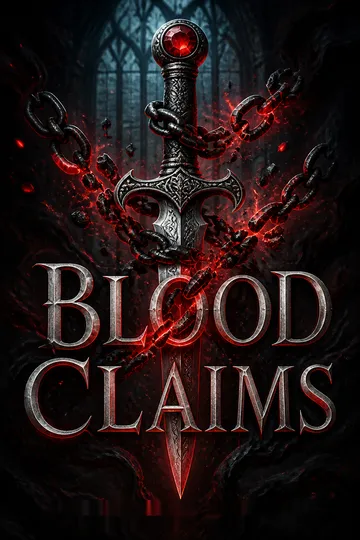
Blood Vows, book 3 in Stephanie Hudson's Garnet Dagger Mafia series, receives overwhelmingly positive reviews with a 4.6/5 rating. Readers praise the compelling characters, unexpected twists, and addictive storytelling that keeps them reading through the night. The alpha males and resilient heroine captivate audiences. Most reviewers consider it better than previous installments, though some note a rushed ending. The cliffhanger finale leaves readers eager for book 4, with many calling it impossible to put down and praising Hudson's emotional storytelling abilities.
Characters
Vanessa (Nessa)
Vanessa is the emotional heart of the story—a young woman marked by trauma, resilience, and a longing for belonging. Her journey from captive to catalyst is defined by her empathy, courage, and refusal to be defined by her past. She is both the object of the brothers' obsession and the agent of their redemption. Her psychological depth is rooted in her ability to see the humanity in monsters and to find strength in vulnerability. Her relationships with Vasileios, Victor, and Talon are complex, blending love, fear, and the desire for agency. Vanessa's development is a testament to the power of compassion and the possibility of healing even the deepest wounds.
Vasileios Erebus (Vas)
Vasileios is a study in contradictions—a vampire mafia lord driven by vengeance, yet capable of profound gentleness. His psychological complexity stems from his traumatic past: a father's curse, a mother's betrayal, and the burden of being both victim and perpetrator. Vas's relationship with Vanessa is transformative; she awakens the humanity he thought lost, challenging his self-image as a monster. His journey is one of self-forgiveness, the struggle to break free from the cycle of violence, and the hope of redemption through love.
Victor Erebus
Victor is the eldest of the surviving brothers, burdened by the weight of leadership and the guilt of past actions. He is fiercely protective of Vanessa, but his love is complicated by jealousy, regret, and the unresolved trauma of his family's destruction. Victor's psychological arc is defined by his struggle to reconcile his role in Vas's suffering with his desire to protect those he loves. His relationship with Talon is both a source of strength and a reminder of their shared failures.
Talon Erebus (Tal)
Talon is the pragmatic, action-oriented brother, often serving as the mediator between Victor and Vas. He is skeptical of easy answers and quick to question the narratives that have shaped their lives. Talon's psychological depth lies in his willingness to confront uncomfortable truths and his capacity for forgiveness. His love for Vanessa is quieter but no less intense, and his loyalty to his brothers is tested by the revelations that emerge.
Calista Erebus (The Mother)
Calista is both villain and victim—a woman whose ambition and jealousy led her to make a demonic bargain that destroyed her family. Her descent into madness is both supernatural and psychological, fueled by the cursed necklace and her own unresolved desires. Calista's relationship with her sons is fraught with manipulation, guilt, and the longing for power. She is a cautionary figure, a reminder of the dangers of unchecked ambition and the corrosive power of envy.
Sebastian Erebus (The Father)
Sebastian is the absent center of the family tragedy—a man consumed by a demonic curse and ultimately destroyed by his wife's betrayal. His legacy is one of power, violence, and the hope for redemption that is never realized. Sebastian's presence lingers in the memories and traumas of his children, shaping their actions long after his death.
Mrs. Ashcroft (The Housekeeper)
Mrs. Ashcroft is a minor but significant character—a human housekeeper who serves as a bridge between the supernatural and mundane worlds. Her wariness and compassion provide a counterpoint to the family's violence, and her presence is a reminder of the cost of living in the shadow of monsters.
The Demon
The demon is the unseen antagonist, the force behind the family's ruin. Its bargains, whispers, and manipulations set the events of the story in motion, feeding on ambition, jealousy, and pain. The demon's psychological power lies in its ability to exploit weakness and to turn love into a weapon.
The Witch
The witch is a secondary antagonist, working at the behest of Vasileios but ultimately serving her own interests. She is a symbol of the dangers of unchecked power and the ease with which trauma can be weaponized. Her actions set the plot in motion, but she is ultimately a pawn in a much larger game.
The Dagger and the Necklace
Though not characters in the traditional sense, the dagger and the necklace are central to the story's psychological and supernatural dynamics. They embody the family's legacy, the weight of history, and the possibility of both destruction and redemption.
Plot Devices
Gothic Setting and Symbolic Architecture
The ancient house is more than a backdrop—it is a reflection of the characters' inner lives. Its locked doors, forbidden wings, and decaying grandeur symbolize the secrets, guilt, and unresolved pain that haunt the Erebus family. The setting amplifies the psychological tension, creating an atmosphere of claustrophobia and dread.
Duality and Mirrors
The story is rich in dualities: love and hate, victim and villain, human and monster. Mirrors, both literal and metaphorical, are used to explore the characters' fractured identities and the ways in which trauma distorts perception. The shifting forms of Calista, the doppelgänger nightmares, and the recurring motif of masks all reinforce the theme of duality.
Blood Bonds and Fated Love
The concept of the fated one—the Moirai Theía—serves as both a supernatural plot device and a psychological metaphor. The blood bonds between Vanessa and the brothers are at once empowering and imprisoning, reflecting the complexities of love, trauma, and agency. The curse that binds the family is both literal and symbolic, a manifestation of generational pain.
Unreliable Narration and Shifting Perspectives
The narrative structure employs shifting points of view, unreliable memories, and visions that challenge the reader's understanding of events. The truth of the family's tragedy is revealed in fragments, forcing both characters and readers to question what is real and what is manipulation. This device heightens suspense and deepens the psychological complexity of the story.
Foreshadowing and Symbolic Objects
Objects carry immense symbolic weight—the dagger as a symbol of power and violence, the necklace as a vessel of madness and manipulation. Their presence foreshadows key revelations and serves as a constant reminder of the family's cursed legacy. The act of breaking the necklace and spilling blood on the dagger becomes the catalyst for the story's climax.
The Power of Storytelling
The inclusion of classic literature—The Count of Monte Cristo, Wuthering Heights—serves as both a narrative device and a commentary on the characters' struggles. These stories of revenge, redemption, and doomed love mirror the characters' own journeys, offering both warning and hope.
About the Author
Other books by Stephanie Hudson
Download PDF
Download EPUB
.epub digital book format is ideal for reading ebooks on phones, tablets, and e-readers.








































