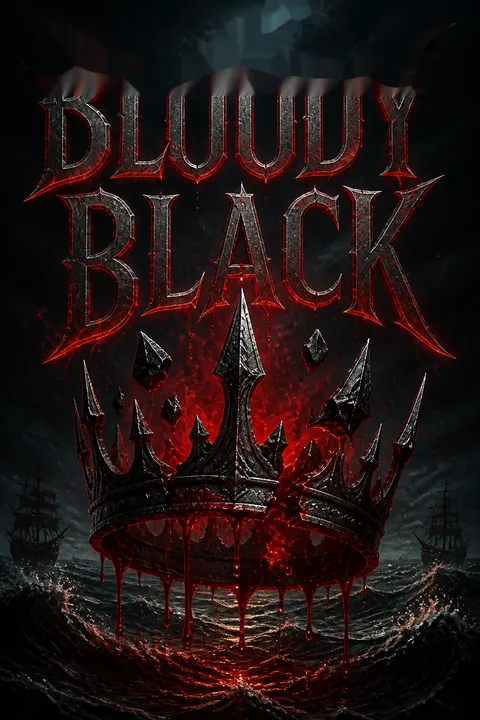

Plot Summary
Blood and Betrayal
Anne, princess of Celestia, is determined to win her independence by defeating one hundred men in the kingdom's longest-running tournament. Her victory will allow her to choose her own husband, rather than be bartered away for political gain. The stakes are high: if she fails, she faces a loveless marriage to a cruel lord. Anne's world is one of icy courts, simmering violence, and the ever-present threat of betrayal. Her only allies are her loyal guard Ben and a handful of trusted friends. But as she faces her final opponent—a mysterious, golden-haired soldier named William—Anne senses that the real dangers lie not in the arena, but in the shadows of her own home.
The Tournament's Last Duel
In the final duel, Anne chooses William, a defector from enemy Rivelle, as her opponent. Their fight is fierce, intimate, and unsettlingly charged with attraction. William's skill is undeniable, and he pushes Anne harder than any before. Yet, in a subtle act of mercy—or perhaps conspiracy—he lets her win, making her victory seem earned. Anne, recognizing both his prowess and the threat he now faces from jealous soldiers, claims him as her "Shield-Bearer," granting him royal protection. This act binds their fates together, setting in motion a chain of events that will upend both their lives and the fate of the kingdom.
A Shield-Bearer's Oath
Anne and William's relationship deepens as they navigate the treacherous politics of court. Their connection is fraught with longing and the impossibility of a future together. Anne, now free to choose her husband, faces mounting pressure from her father and the court. William, ever the outsider, is both her protector and her temptation. Their stolen moments—horseback rides, secret conversations, and a charged dinner—are shadowed by the knowledge that their union would be scandalous. Yet, Anne's resolve hardens: she will have the life she chooses, even if it means defying everyone she knows.
Wedding Night, Wedding Knife
Against all odds, Anne marries William. The wedding is a spectacle, but beneath the surface, danger simmers. Anne's victory is met with resentment and suspicion. The consummation of their marriage is a public, painful ordeal, stripping Anne of her illusions about love and power. That night, a cryptic warning and an assassination attempt shatter any sense of safety. Anne's world narrows to survival, her trust in William both a comfort and a growing source of dread. The wedding night marks the end of innocence and the beginning of a darker, more perilous journey.
The Night of Ruin
Anne awakens to horror: William, her new husband, is not the man she believed. He murders a maid before her eyes and reveals his true allegiance. Her most trusted guards—Soren, Roger, Venka, Baldric—are all traitors, complicit in a coup that leaves her father dead and the kingdom in chaos. Anne is brutalized, raped, and left for dead, her body discarded like refuse. The men she called friends are her destroyers. In the darkness of a locked trunk, Anne's spirit is broken, but a spark of vengeance is kindled. She is not yet finished.
Betrayed by Brothers
Dragged through the castle, Anne witnesses the full extent of the betrayal. Her father is slain, her loyal guards are revealed as conspirators, and her kingdom is lost. The men who once swore fealty now mock her suffering. Anne's pain is both physical and existential—she is stripped of power, dignity, and hope. Yet, even as she is violated and discarded, Anne's resolve hardens. The cost of her trust is everything, but the fire of revenge begins to burn. In the darkness, she makes a desperate plea for salvation, willing to pay any price to survive.
Bargain in the Dark
Locked in a cursed trunk, Anne encounters Rokhur, a demon imprisoned for centuries. Rokhur offers Anne a bargain: her help in exchange for vengeance. With nothing left to lose, Anne accepts. The demon's magic resurrects her, branding her with a mark of power and binding their fates. Anne awakens on a ship littered with corpses, her body healed but her soul forever altered. Rokhur's price is unclear, but Anne is reborn as something new—neither living nor dead, driven by a singular purpose: to hunt those who destroyed her.
The Demon's Price
Anne frees the ship's prisoners—witches, fae, djinn, and broken souls—forming a crew of the damned. Each is scarred by men's violence, united by a thirst for retribution. Anne, now Blackbeard, becomes their captain. Together, they vow to hunt slavers, free the oppressed, and take vengeance on those who profit from suffering. The ship, renamed Queen Anne's Revenge, becomes a symbol of resistance. Anne's leadership is forged in pain, her authority unquestioned. Yet, the bargain with Rokhur looms, its cost yet to be paid.
The Crew of the Damned
Life at sea is brutal, but Anne's crew finds strength in each other. They learn to sail, fight, and survive, their bonds deepening with every battle. Anne's legend grows—Blackbeard, the pirate with a black beard and a demon at her side. The crew rescues more captives, swelling their ranks with the broken and the brave. Each member—Prudence, Domino, Xandretta, Samson, Holly, Teach—brings their own wounds and gifts. Together, they become more than survivors; they are a family, united by shared scars and a common enemy.
Becoming Blackbeard
Anne's transformation is complete. She is no longer a princess, but a pirate queen, feared and hunted across the seas. Her exploits become legend—raiding slaver ships, outwitting the king's navy, and building a reputation as the scourge of tyrants. Yet, Anne's heart remains haunted by betrayal and loss. Her relationship with her crew is tested by hardship, mutiny, and the ever-present threat of Rokhur's bargain. Through it all, Anne clings to her purpose: vengeance against William and the men who destroyed her. The sea is her home, and revenge her compass.
Mutiny and Mercy
As Anne's legend grows, so does dissent within her ranks. Prudence, once her closest friend, leads a mutiny, accusing Anne of sacrificing her crew for personal vengeance. The crew is divided, and Anne is imprisoned alongside Robb, a lieutenant with secrets of his own. In the darkness of the cell, Anne confronts her fears, her desires, and the cost of leadership. Mercy, Prudence's twin, is lost to the sirens, a casualty of Anne's choices. The price of command is steep, and Anne must decide what—and who—she is willing to lose.
The Pirate's New Heart
In captivity, Anne and Robb's relationship deepens. Their intimacy is fraught with pain and healing, desire and fear. Robb's patience and tenderness help Anne reclaim her body and her sense of self. Together, they escape, reclaim the ship, and confront the mutineers. Anne learns that leadership is not just about vengeance, but about mercy, forgiveness, and the courage to trust again. The crew is reforged, stronger for their trials, and Anne's heart, once hardened by betrayal, begins to open to love.
The Concorde's Reckoning
Anne's crew targets The Concorde, a ship crewed by her former betrayers. The battle is fierce, and Anne's vengeance is personal. She confronts Roger, one of her rapists, and exacts a brutal, poetic justice. The victory is bittersweet—her enemies fall, but the cost is high. The Queen Anne's Revenge becomes a symbol of hope and terror, its black flag a warning to all who would harm the innocent. Yet, Anne's quest is far from over. William remains, and the final reckoning awaits.
The Lieutenant's Secret
Robb's true identity is unveiled: he was William's co-conspirator, a fellow survivor of Celestia's wars, driven by his own thirst for revenge. His love for Anne is real, but his past is a web of lies and divided loyalties. Anne is devastated, forced to confront the possibility that she has been betrayed again. Yet, in the crucible of battle and loss, Robb proves his loyalty, standing with Anne against William. Their love, forged in fire, becomes both a weapon and a wound.
The Queen Anne's Revenge
With The Concorde captured and her enemies falling, Anne's crew renames the ship Queen Anne's Revenge. The name is both a promise and a curse—a reminder of all that has been lost and all that remains to be won. The crew votes to stay with Anne, their loyalty hard-won. Yet, the shadow of Rokhur's bargain grows darker. Anne knows that every victory brings her closer to paying the ultimate price. The sea is both sanctuary and prison, and the final battle looms on the horizon.
Storms and Sirens
The crew faces storms, sirens, and the relentless pursuit of William's navy. Mercy is lost to the sirens, a sacrifice that haunts Anne and Prudence. The cost of vengeance is measured in blood and souls. Rokhur's magic is both blessing and curse, saving lives but demanding payment. Anne's leadership is tested as never before, and the bonds of the crew are strained to breaking. Yet, through loss and grief, they endure, driven by the hope of justice and the promise of freedom.
The Cost of Vengeance
Anne returns to Celestia, her home transformed by war and betrayal. She confronts her past—her father's legacy, her own trauma, and the ghosts of those she has lost. The final battle with William is brutal and intimate, a clash of equals bound by shared wounds. Rokhur's bargain comes due, and Anne is forced to choose between her own life and the lives of those she loves. In the end, it is sacrifice, not vengeance, that brings peace. Anne's victory is hard-won, and the cost is everything she once was.
The Throne Room's Ghosts
With William dead and the throne reclaimed, Anne faces the emptiness of victory. The crown is heavy, the kingdom scarred. Rokhur demands her due, but Xandretta's final wish saves Anne, banishing the demon and breaking the curse. The crew mourns their dead and celebrates their survival. Anne, now free from vengeance and magic, chooses the sea over the throne, love over power. She marries Robb, and together with her found family, sails into a future shaped by scars, hope, and the promise of new legends.
Analysis
"Bloody Black" is a dark, unflinching meditation on trauma, vengeance, and the possibility of healing. Rhiannon Hargadon crafts a narrative that is both epic and intimate, blending grimdark fantasy with the raw emotional honesty of survivor's fiction. The novel interrogates the cost of power—personal, political, and magical—through the lens of a heroine who is both deeply wounded and fiercely resilient. Anne's journey is a crucible: she is betrayed, brutalized, and resurrected, forced to confront the darkness within and without. The story refuses easy answers; vengeance is never clean, and justice is always compromised. Yet, through the bonds of found family, the courage to trust again, and the willingness to sacrifice, Anne finds a path to redemption. The novel's lessons are hard-won: that survival is not enough, that healing requires both rage and mercy, and that true power lies not in crowns or curses, but in the choice to love and to live. "Bloody Black" is a testament to the endurance of the human spirit, a rallying cry for those who have been broken and have dared to rise again.
Review Summary
Bloody Black is a dark romantasy Blackbeard retelling following Anne, a princess turned revenge-driven pirate captain. Reviews praise its feminine rage, found family dynamics, and patient love interest Robb, with many highlighting its emotional depth and healing themes. Common criticisms include disjointed pacing, insufficient world-building, underdeveloped character relationships, and editing issues. Most reviewers strongly urge checking trigger warnings due to graphic content. The book holds a 4.01 average rating, with passionate fans calling it unforgettable and detractors citing writing quality concerns.
Characters
Anne / Blackbeard
Anne is the princess of Celestia, raised in a world of violence, politics, and impossible expectations. Her journey is one of transformation—from sheltered royal to pirate queen, from victim to avenger, from leader to lover. Anne's psyche is marked by trauma, betrayal, and the relentless pursuit of justice. Her relationships—with Ben, William, Robb, and her crew—are fraught with longing, loss, and the struggle to trust. Anne's development is a study in resilience: she learns to wield power, to forgive, and ultimately, to choose her own destiny. Her scars are both literal and metaphorical, and her greatest strength is her refusal to be defined by what was done to her.
William
William is a defector from Rivelle, Anne's final opponent and eventual husband. His charm masks a ruthless ambition and a deep-seated need for revenge against Celestia. William orchestrates the coup that destroys Anne's world, using love as a weapon. His relationship with Anne is a twisted mirror—he is both her lover and her destroyer, her equal and her nemesis. William's psyche is shaped by loss and the belief that justice can only be won through violence. His downfall is his inability to let go of the past, and his tragedy is that he and Anne are more alike than either will admit.
Robb Maynard
Robb is William's co-conspirator, a survivor of Celestia's wars, and Anne's greatest love. His role is complex: both betrayer and redeemer, enemy and ally. Robb's psyche is marked by guilt, longing, and the desperate hope for forgiveness. His love for Anne is genuine, but his past is a web of lies and divided loyalties. Robb's development is a journey from vengeance to love, from secrecy to sacrifice. He is the only man who helps Anne heal, and their relationship is a testament to the possibility of trust after betrayal.
Ben Hornigold
Ben is Anne's loyal guard and surrogate father, the man who trains her to fight and survive. His love is steadfast but complicated by secrets and the burdens of duty. Ben's psyche is shaped by regret and the knowledge that he cannot protect Anne from every danger. His relationship with Anne is paternal, but also marked by the limitations of power and the inevitability of loss. Ben's development is a lesson in letting go, in trusting the next generation to fight their own battles.
Prudence
Prudence is a witch, survivor of captivity, and Anne's closest friend and eventual rival. Her psyche is marked by trauma, anger, and the need for agency. Prudence's loyalty is fierce, but her sense of justice is uncompromising. She challenges Anne's leadership, forcing her to confront the cost of vengeance and the meaning of mercy. Prudence's development is a journey from follower to leader, from anger to acceptance, and her relationship with Anne is a crucible for both women's growth.
Domino
Domino is a fae with a brutal past, her body and spirit marked by violence. She copes with trauma through humor, sexuality, and a refusal to be defined by her scars. Domino's relationship with Anne and the crew is one of loyalty and mischief. Her development is a testament to resilience, the power of found family, and the healing that comes from shared struggle.
Xandretta
Xandretta is a djinn with limited wishes, a being of immense power and profound loneliness. Her psyche is shaped by captivity and the fear of being used. Xandretta's relationship with Anne is one of mutual respect and eventual love. Her final act—using her last wish to save Anne—cements her as the story's quiet hero, the friend who gives everything for those she loves.
Rokhur
Rokhur is the demon who resurrects Anne, binding her with a bargain that drives the narrative. She is both savior and destroyer, a force of nature who demands payment for every gift. Rokhur's psyche is inscrutable, her motives a blend of hunger, spite, and a twisted sense of justice. Her relationship with Anne is adversarial, yet intimate—a dance of power, dependence, and mutual recognition. Rokhur's ultimate defeat is a victory for humanity over vengeance.
Teach (Edward Teach)
Teach is Anne's steadfast companion, a sailor with a tragic past and a heart of gold. His psyche is marked by loss, humor, and the need to belong. Teach's relationship with Anne is one of mutual support and gentle challenge. His death is a devastating blow, a reminder of the cost of war and the value of friendship.
Holly
Holly is the crew's doctor, a survivor of violence who finds purpose in caring for others. Her psyche is shaped by loss, resilience, and the refusal to be defined by suffering. Holly's relationship with Anne and the crew is nurturing, grounding them in moments of chaos. Her death is a turning point, forcing Anne to confront the limits of vengeance and the necessity of mercy.
Plot Devices
Duality of Identity
The narrative is structured around Anne's metamorphosis—from royal to outlaw, victim to avenger, leader to lover. This duality is mirrored in her relationships (with William, Robb, her crew) and in the story's shifting settings (castle, ship, sea). The motif of masks, names, and roles recurs, challenging the reader to question what is real and what is performance. Anne's journey is both external (the quest for vengeance) and internal (the search for selfhood).
Betrayal and Trust
Betrayal is the engine of the plot: Anne is betrayed by her husband, her guards, her friends. Each act of treachery is met with a test of trust—first in herself, then in her crew, and finally in Robb. The narrative structure uses foreshadowing (the note at the wedding, the shifting loyalties of the crew) to build tension. The story's emotional arc is one of moving from suspicion to faith, from isolation to connection.
Supernatural Bargain
The bargain with Rokhur is both a literal plot device (resurrecting Anne, granting her power) and a metaphor for trauma's lingering cost. The demon's mark is a constant reminder of the price of vengeance. The narrative uses this device to explore themes of agency, sacrifice, and the limits of justice. The eventual breaking of the bargain (through Xandretta's wish) is both a plot resolution and a symbolic release.
Found Family and Chosen Loyalty
Anne's crew is a microcosm of the world's brokenness and its hope. Each member brings their own wounds, and their loyalty is never assumed—it must be earned, tested, and sometimes lost. The narrative structure uses ensemble scenes (mutiny, battles, celebrations) to explore the dynamics of power, forgiveness, and belonging. The crew's evolution parallels Anne's own, culminating in the choice to leave the throne for the sea.
Cyclical Violence and the Cost of Revenge
The story is structured around cycles of violence—personal, political, supernatural. Each act of revenge begets new wounds, and the narrative repeatedly asks whether justice is possible without mercy. The final chapters use foreshadowing (the cost of bargains, the deaths of friends) to underscore the price of vengeance. The breaking of the cycle—through sacrifice, forgiveness, and the choice of love over power—is the story's ultimate resolution.
Download PDF
Download EPUB
.epub digital book format is ideal for reading ebooks on phones, tablets, and e-readers.








































