
Plot Summary
The Game Begins Anew
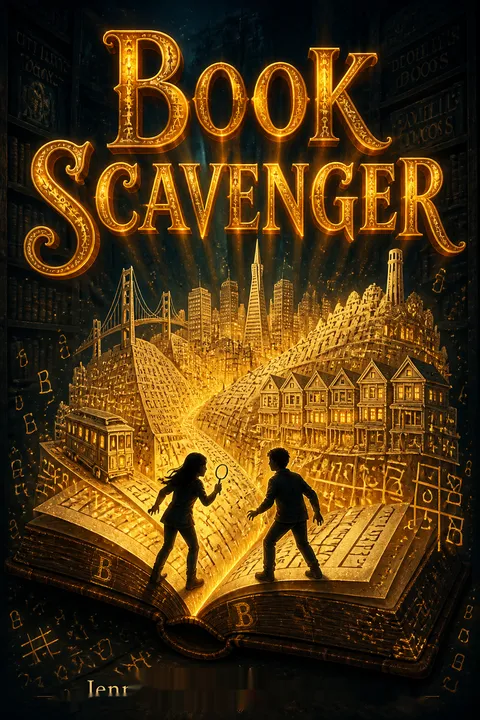
Emily Crane, a twelve-year-old book and puzzle lover, arrives in San Francisco with her family, who are on a quest to live in all fifty states. Emily's excitement is tinged with loneliness from constant moving, but she finds solace in Book Scavenger, an online game where players hide and hunt for books using puzzles. As they settle into their new apartment, Emily's anticipation grows for the rumored new game from her idol, Garrison Griswold, the eccentric creator of Book Scavenger. Unbeknownst to her, Griswold is attacked on the eve of his big announcement, setting in motion a citywide mystery that will soon entangle Emily's fate with the city's secrets and her own longing for belonging.
A City of Clues
As Emily adjusts to her new home, she is drawn into the city's literary and historical landscape. Her family's quirky moving tradition and her father's love for literary figures like Jack Kerouac color her perception of San Francisco as a place of possibility. Emily's curiosity is piqued by the city's landmarks and the mysterious absence of Griswold at his scheduled event. She begins to suspect that Griswold's disappearance is part of a larger game, fueling her determination to uncover the truth. The city's vibrant streets, iconic locations, and the promise of hidden books become the backdrop for Emily's unfolding adventure.
New Friend, New Puzzles
Emily's first encounter with her neighbor James Lee is marked by a playful exchange of puzzles and ciphers. James, quirky and inventive, quickly becomes her partner in sleuthing. Their friendship is cemented through shared challenges, including solving a magic square and decoding Book Scavenger clues. James's steadfast presence offers Emily the stability she craves, while their collaboration brings out the best in both. Together, they navigate the complexities of new friendships, the thrill of discovery, and the subtle pains of being outsiders, forging a bond that will be tested by the mysteries ahead.
The Gold-Bug Discovery
Emily and James stumble upon a pristine copy of Edgar Allan Poe's "The Gold-Bug" hidden in a BART station, the very place where Griswold was attacked. The book, oddly filled with intentional typos, becomes the centerpiece of their quest. As they pore over its pages, they realize the errors form a secret message—a clue left by Griswold himself. The discovery electrifies Emily, who senses she is at the heart of Griswold's final, unfinished game. The book's enigmatic nature and the danger surrounding it draw the friends deeper into a web of puzzles, secrets, and peril.
Danger in the Shadows
The excitement of the hunt is shadowed by real danger. Two men, Barry and Clyde, who attacked Griswold, are now searching for the book, believing it holds the key to a valuable treasure. Their pursuit of Emily and James escalates from distant threats to direct confrontations, forcing the kids to use their wits to evade capture. The stakes are raised as Emily realizes the game is not just about points or books, but about safety, trust, and the power of knowledge. The line between play and peril blurs, making every clue a potential risk.
Ciphered Friendships
As Emily and James delve deeper into the game, their friendship is tested by misunderstandings, jealousy, and the pressures of competition. The school's cipher challenge, led by their teacher Mr. Quisling (secretly the Book Scavenger user Babbage), becomes a battleground for intellect and pride. Rival Maddie Fernandez adds to the tension, while Emily's focus on the hunt strains her bond with James. The emotional stakes rise as the friends must learn to balance ambition with loyalty, and the realization dawns that the greatest puzzles are those of the heart.
The Poe Connection
The clues in "The Gold-Bug" lead Emily and James to explore the tangled history between Poe and Griswold's ancestor, Rufus Griswold. They discover that the game is not just a scavenger hunt, but a literary apology and tribute. The story's layers intertwine Poe's legacy, San Francisco's literary past, and Griswold's desire to right historical wrongs. The friends' research into Poe's works, the symbolism of the raven, and the city's landmarks deepen their appreciation for the interconnectedness of stories, history, and personal redemption.
The Hunt Intensifies
The game accelerates as Emily and James follow a trail of increasingly complex clues—magic squares, ciphers, ISBN numbers, and hidden books like "The Maltese Falcon." Each solved puzzle leads to another, weaving together San Francisco's geography and literary heritage. The friends race against time and adversaries, including the relentless Barry, Clyde, and the duplicitous Mr. Remora, Griswold's rare-book collector. The hunt becomes a test of endurance, intellect, and courage, with the city itself becoming a living puzzle box.
Secrets in the Margins
Emily's meticulous editing of "The Gold-Bug" reveals a hidden sentence formed by the corrected typos—a message that unlocks the next stage of the game. This discovery is mirrored by personal revelations: Emily's struggle with her family's nomadic lifestyle, her longing for roots, and her evolving relationship with her brother Matthew. The act of finding meaning in the margins becomes a metaphor for Emily's journey—learning to see beyond the obvious, to find connection and purpose in unexpected places.
Rivalries and Revelations
The competition intensifies as Maddie's sabotage and Mr. Quisling's secret identity as Babbage come to light. Emily's trust is shaken when she is forced to give up "The Gold-Bug" to Quisling, believing she has lost the game and her chance at victory. Yet, through setbacks and betrayals, Emily learns the value of forgiveness, teamwork, and resilience. The friends' reconciliation and the exposure of Maddie's cheating restore balance, while the realization that the true treasure lies in the journey, not just the prize, brings new maturity.
The Maltese Falcon Trail
The hunt leads Emily and her brother to a hidden copy of "The Maltese Falcon," concealed in a raven-shaped box at a historic San Francisco address. Decoding the Pigpen cipher inside, with a crucial hint from James, they uncover the word "scarab," pointing them back to "The Gold-Bug." The chase through the city's literary landmarks, the tension of evading their pursuers, and the thrill of discovery culminate in a sense of accomplishment and unity. The city's streets become a map of memory, friendship, and adventure.
Betrayals and Breakthroughs
The climax arrives as Emily, James, and Matthew confront Mr. Remora, Barry, and Clyde in a tense showdown over the true prize: a lost Poe manuscript. Using quick thinking and teamwork, the kids outwit their adversaries, aided by the timely intervention of Hollister, Griswold's estranged friend. The revelation of the manuscript's significance, the exposure of Remora's greed, and the restoration of justice bring closure to the external conflict. The friends' bravery and integrity shine, proving themselves worthy of Griswold's legacy.
The Final Treasure
Guided by the final clue—a map revealed by heat in "The Gold-Bug"—the friends dig up a metal box in Portsmouth Square. Inside, they find a letter from Griswold and the lost Poe manuscript, with a promise of royalties and recognition. The treasure is both material and symbolic: a testament to the power of stories, the importance of history, and the rewards of perseverance. The moment is bittersweet, as Emily realizes that the journey has changed her more than the prize itself.
Truths Unburied
The aftermath brings justice for Griswold's attackers, closure for the city, and healing for old wounds. Griswold, revealed to be alive and recovering, meets with Emily, James, and Matthew, expressing gratitude and sharing the true purpose of the game: to build community, honor the past, and inspire future generations. The friends' achievements are celebrated, and the manuscript is preserved for all to enjoy. The experience cements their bonds and affirms the value of courage, curiosity, and kindness.
Home, Found and Chosen
The Crane family, moved by Emily's growth and the events of the hunt, decides to make San Francisco their home for as long as the children wish. The decision marks a turning point for Emily, who finally feels a sense of belonging and stability. The city, once a backdrop for adventure, becomes a true home—a place where friendships can deepen, roots can grow, and new stories can begin. Emily's journey from outsider to insider is complete, and the future is filled with promise.
The Legacy of Play
With Griswold's recovery, Book Scavenger is revitalized, and Emily, James, and Matthew are honored as founding members of a new advisory board. Their story is immortalized in the publication of Poe's lost novel, and their adventures inspire a new generation of readers and puzzle-solvers. The spirit of play, discovery, and community endures, reminding all that life's greatest treasures are found not just in books or games, but in the connections we make and the courage to seek out the unknown.
Analysis
A celebration of curiosity, community, and the transformative power of play"Book Scavenger" is more than a middle-grade mystery; it is a meditation on the importance of stories, the value of friendship, and the courage to seek connection in a world of uncertainty. Through Emily's journey, the novel explores the tension between transience and belonging, the allure of competition versus the necessity of collaboration, and the redemptive potential of confronting the past. The literary scavenger hunt is both a thrilling adventure and a vehicle for deeper questions: How do we make meaning from chaos? How do we forgive, trust, and grow? The book champions intellectual curiosity, resilience, and empathy, reminding readers that the greatest treasures are not found in prizes or points, but in the bonds we forge and the stories we share. In a digital age, "Book Scavenger" reaffirms the enduring magic of books, puzzles, and the communities they create.
Review Summary
Book Scavenger is widely praised as a fun, engaging middle-grade adventure centered on puzzles, codes, and a love of books, set in San Francisco. Most reviewers appreciated the clever mystery, Edgar Allan Poe references, and relatable characters like Emily and James. Many adult readers wished they'd had the book as children. Common criticisms included underdeveloped characters, some unrealistic plot elements, and answers to puzzles being revealed before readers could solve them. Overall, it's considered an entertaining, heartwarming read ideal for young mystery and puzzle enthusiasts.
People Also Read
Characters
Emily Crane
Emily is a twelve-year-old girl shaped by her family's constant moves and her longing for stability and belonging. Her passion for books, puzzles, and the Book Scavenger game provides both escape and connection. Emily is analytical, determined, and sometimes impulsive, driven by a need to prove herself and find her place. Her journey is one of self-discovery: learning to trust others, accept help, and value friendship over solitary achievement. Through her partnership with James and her evolving relationship with her family, Emily transforms from a lonely outsider into a confident, rooted member of her community.
James Lee
James is Emily's neighbor and soon her closest ally. Quirky, creative, and deeply loyal, James brings humor and ingenuity to every challenge. His love of puzzles is matched by his desire for connection, and his family's deep roots in San Francisco contrast with Emily's transience. James's cowlick "Steve" and playful spirit mask insecurities about fitting in and being valued. His friendship with Emily is tested by rivalry and misunderstanding, but ultimately he proves himself a steadfast companion, willing to risk much for those he cares about.
Garrison Griswold
Griswold is the enigmatic creator of Book Scavenger, known as the "Willy Wonka of book publishing." His love for books, puzzles, and community drives the narrative. Griswold's attack and the secrets he leaves behind set the story in motion. He is both a mentor and a symbol—a reminder of the power of play, the importance of history, and the redemptive potential of storytelling. His personal quest to atone for his ancestor's wrongs and to inspire others gives the game its deeper meaning.
Matthew Crane
Emily's older brother, Matthew, is initially self-absorbed and dismissive of her interests, focused on music and his own social world. However, as the story progresses, he reveals depth, humor, and loyalty, stepping up to help Emily in crucial moments. His journey mirrors Emily's: from sibling rivalry and distance to understanding, support, and shared adventure. Matthew's willingness to prioritize family over personal desires marks his growth and strengthens their bond.
Barry and Clyde
Barry and Clyde are the bumbling antagonists whose pursuit of "The Gold-Bug" adds danger and urgency to the hunt. Motivated by greed and manipulated by Mr. Remora, they oscillate between menace and incompetence. Their presence raises the stakes, forcing Emily and her friends to confront real-world threats and to rely on their resourcefulness and courage. Ultimately, their downfall is a result of their own flaws and the unity of the protagonists.
Mr. Remora
Mr. Remora is Griswold's rare-book specialist, whose envy and ambition drive him to betray his employer and pursue the Poe manuscript for personal gain. His actions are rooted in a desire for recognition and control, making him a complex antagonist. Remora's manipulation of Barry and Clyde, his willingness to endanger children, and his ultimate exposure highlight the dangers of unchecked ambition and the corrosive effects of resentment.
Hollister
Hollister, a former friend of Griswold and owner of a local bookstore, serves as a mentor and protector to Emily and James. His knowledge of San Francisco's literary history and his own regrets about lost friendship provide guidance and perspective. Hollister's intervention at critical moments and his encouragement to value connection over competition help the protagonists navigate both the game and their personal challenges.
Maddie Fernandez
Maddie is Emily and James's classmate and cipher challenge adversary. Her relentless competitiveness and willingness to cheat force the protagonists to confront issues of integrity, fairness, and self-worth. Maddie's presence sharpens the stakes of the school subplot and provides a foil for Emily's and James's evolving values. Her eventual defeat and exposure serve as a lesson in humility and the true meaning of victory.
Mr. Quisling (Babbage)
Mr. Quisling, the social studies teacher and secret Book Scavenger user Babbage, embodies the duality of authority and rivalry. His cipher challenge pushes students to their intellectual limits, while his hidden identity and actions as a poacher complicate Emily's quest. Quisling's eventual exposure and ambiguous morality highlight the complexities of mentorship, competition, and the blurred lines between play and real life.
Raven
Raven is the automated online persona programmed by Griswold to guide players through the scavenger hunt. Her cryptic responses, triggered by specific prompts, add an element of mystery and challenge. Raven represents the intersection of technology and tradition, serving as both obstacle and aid. Her presence underscores the importance of asking the right questions and the value of persistence in the face of ambiguity.
Plot Devices
Literary Treasure Hunt Structure
The novel's central device is the literary scavenger hunt, modeled after armchair treasure hunts and real-world games like Book Scavenger and geocaching. Each clue is embedded in books, ciphers, and city landmarks, creating a layered, interactive experience for the characters and readers. The structure mirrors classic mysteries, with escalating stakes, red herrings, and a final revelation that ties together personal and historical threads.
Ciphers and Codes
The use of ciphers—substitution codes, magic squares, Pigpen, ISBNs—serves as both the literal mechanism of the hunt and a metaphor for the characters' emotional journeys. Decoding messages parallels the process of understanding oneself and others, while the collaborative nature of puzzle-solving reinforces themes of friendship, trust, and interdependence. The narrative structure itself mimics a puzzle, with clues revealed in stages and solutions requiring both intellect and empathy.
Foreshadowing and Parallelism
The story employs foreshadowing through repeated motifs (ravens, gold bugs, literary references) and parallel relationships (Emily and James, Griswold and Hollister, Poe and Rufus Griswold). These echoes deepen the narrative, suggesting that history, personal growth, and reconciliation are cyclical and interconnected. The resolution of past wrongs (Rufus's treatment of Poe, Hollister's estrangement from Griswold) is mirrored in the protagonists' own journeys toward forgiveness and belonging.
Dual Threats: Real and Imagined
The plot blurs the line between playful competition and real-world peril. The antagonists' pursuit of the book, the physical threats faced by the protagonists, and the emotional risks of trust and betrayal elevate the stakes beyond a simple game. This duality reinforces the novel's central question: What is truly valuable—winning, or the relationships and growth forged along the way?
Symbolism of Books and Place
The city's landmarks, literary history, and diverse neighborhoods are woven into the fabric of the hunt, making place itself a character. Books serve as both literal objects of pursuit and symbols of knowledge, connection, and legacy. The act of hiding and finding books becomes a metaphor for seeking meaning, identity, and home.
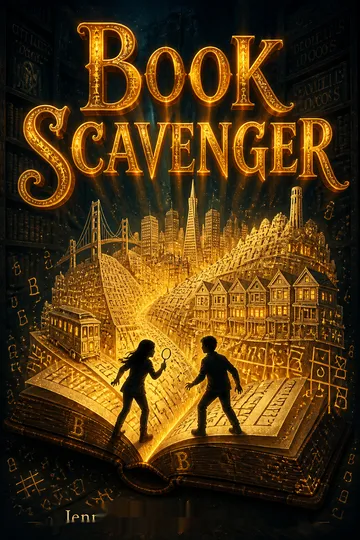
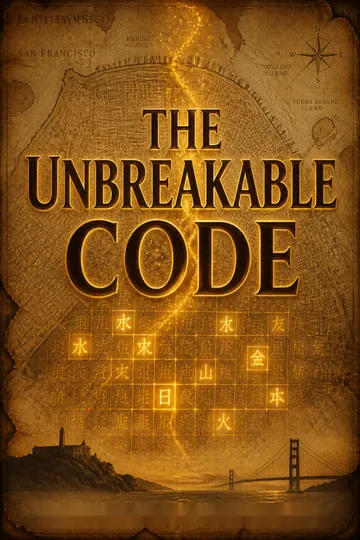
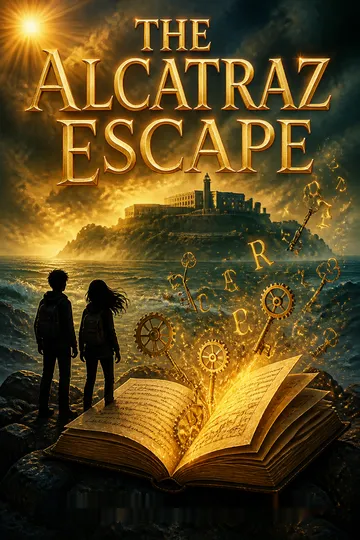
Book Scavenger Series
Download PDF
Download EPUB
.epub digital book format is ideal for reading ebooks on phones, tablets, and e-readers.








































