
Plot Summary
Winter's Edge, Love's Fray
Pearl, a resilient young woman with a troubled past, tries to find comfort in her New York apartment with her boyfriend Jacob. The winter outside mirrors the coldness growing between them. Jacob's recent job loss and secretive behavior create tension, and Pearl's instincts warn her something is wrong. When a threatening stranger comes to their door demanding payment from Jacob, Pearl's sense of safety crumbles. The holidays, once a symbol of hope, now feel like a countdown to disaster. Pearl's longing for stability and love is met with Jacob's withdrawal, setting the stage for a betrayal that will upend her world.
Shadows at the Dock
Jacob proposes a spontaneous trip to the Bahamas, hoping to rekindle their relationship. Pearl, eager for escape, agrees. The sun-soaked days and romantic dinners seem to heal old wounds, but Jacob's nervousness grows. One night, he insists they visit the docks. Pearl's unease is dismissed until, in a moment of darkness, she is violently abducted. Jacob's cries fade as Pearl is drugged and dragged away. The betrayal is swift and complete—her trust shattered, her fate uncertain. The paradise she hoped for becomes the gateway to her worst nightmare.
Captive on the Sea
Pearl regains consciousness in a locked cell aboard a ship, surrounded by the sounds of the ocean and the cries of other women. Her captors are brutal, their intentions clear: she is cargo, destined for sale. Pearl's survival instincts kick in as she fights off an attempted rape, only to witness the cold-blooded murder of her attacker by another guard. The ship is a floating prison, and Pearl's only solace is her determination to resist. She forms silent bonds with the other captives, her resolve hardening with every indignity. The sea becomes both her cage and her crucible.
Survival and Defiance
Despite relentless abuse and threats, Pearl's defiance grows. She endures beatings, humiliation, and the constant threat of sexual violence, but she never surrenders her will. When a guard tries to drug and rape her, she fights back with ferocity, injuring him and earning the grudging respect—and fear—of her captors. Pearl's reputation as "unbreakable" spreads among the crew. She seizes a rare opportunity to escape, freeing herself and other women, but is quickly recaptured. Her punishment is a medical examination and preparation for auction, her body commodified, but her mind remains her own.
Auctioned to the Highest
Pearl is transported to a lavish estate, groomed and dressed for a clandestine auction. The other women are terrified, but Pearl's anger burns hotter than her fear. On stage, her resistance and fighting spirit make her a prized commodity. The bidding is fierce, and she is sold for an astronomical sum to a masked man known as Bones. Her new owner is a sadistic arms dealer, infamous for his cruelty. Pearl is stripped of her name and identity, reduced to "cunt," and delivered into a world where pain and pleasure are indistinguishable, and survival depends on her ability to manipulate her captor.
Bones: The Monster's Lair
Bones's mansion is a gilded cage, filled with luxury and horror. He rapes and beats Pearl, delighting in her pain and resistance. She is forced to serve at his dinner parties, threatened with being shared among his equally depraved associates. Pearl's only hope lies in her ability to make Bones fall in love with her, a strategy suggested by another former slave. She plays a dangerous game, feigning submission while plotting escape. The psychological warfare between captor and captive intensifies, each testing the other's limits. Pearl's body is battered, but her mind remains sharp, always searching for a way out.
Crow's Vengeance
During a violent raid on Bones's estate, Pearl is "rescued" by Crow, a rival arms dealer with his own vendetta. Crow is cold, calculating, and obsessed with revenge for his sister's death at Bones's hands. Pearl quickly realizes she has traded one prison for another. Crow's compound is beautiful but isolated, and his rules are absolute. He offers Pearl a grim bargain: serve him, and she may one day earn her freedom. The dynamic between them is fraught with tension—Crow is both protector and tormentor, and Pearl must navigate his shifting moods and the ever-present threat of violence.
The Price of Pain
Crow's methods are different from Bones's—he is controlled, almost gentlemanly, but no less dangerous. He introduces Pearl to his world of dominance and submission, offering her a choice: endure his punishments and earn "buttons" toward her freedom, or remain a prisoner forever. Each button represents a sexual act, a transaction that blurs the line between coercion and consent. Pearl is repulsed by her own arousal, her body betraying her even as her mind resists. Crow is fascinated by her strength, pushing her to her limits but never quite breaking her. Their relationship becomes a battle of wills, each trying to master the other.
The Button Bargain
Pearl agrees to Crow's terms, entering into a contract where sex is the price of her eventual release. The button jar becomes a symbol of her captivity and her hope. As the days pass, their encounters grow more intense, mixing pain with pleasure in ways Pearl never imagined. She discovers a dark satisfaction in submitting to Crow, even as she despises him for making her want it. Crow, in turn, is drawn to Pearl's fire, her refusal to be tamed. Their connection deepens, complicating the simple calculus of captor and captive. The boundaries between hate and desire blur, and both are changed by the bargain they struck.
Power, Pleasure, and Guilt
Pearl is tormented by guilt over her growing attachment to Crow and her betrayal of Jacob, the boyfriend she believes is searching for her. She tries to resist Crow's pull, but their chemistry is undeniable. Crow, for his part, is possessive and jealous, refusing to let Pearl contact the outside world. The revelation that Jacob was the one who sold her shatters Pearl's last illusions. Her grief is overwhelming, but Crow's unexpected tenderness offers a lifeline. Together, they navigate the aftermath of betrayal, finding solace in each other even as the world outside threatens to tear them apart.
Betrayal in the Vineyard
The truth about Jacob devastates Pearl, leaving her adrift and hopeless. Crow, who has come to care for her deeply, becomes her only source of comfort. He tends to her wounds, both physical and emotional, and promises vengeance on those who hurt her. Pearl's sense of self is shattered, but in Crow's arms, she begins to heal. Their relationship shifts from one of power and submission to something more complex—a partnership forged in pain and resilience. The vineyard, once a symbol of captivity, becomes a place of refuge and rebirth.
The Truth About Jacob
Haunted by nightmares and memories, Pearl struggles to reconcile her past with her present. The knowledge that Jacob betrayed her for money forces her to reevaluate everything she believed about love and loyalty. Crow's unwavering presence helps her find strength, and she begins to see herself not as a victim, but as a survivor. The button jar, once a measure of her enslavement, becomes a testament to her endurance. Pearl decides to claim her own destiny, refusing to let the men who hurt her define her worth.
Shattered and Reborn
As Pearl recovers, she and Crow develop a relationship built on mutual respect and understanding. The power dynamics between them shift, and Pearl gains agency within the confines of her captivity. Crow's own wounds begin to heal as he opens himself to vulnerability and connection. Together, they confront the ghosts of their pasts, finding redemption in each other's arms. The violence and trauma that once defined them are transformed into a source of strength. Pearl is no longer just a survivor—she is a woman reborn.
The Currency of Buttons
Pearl continues to earn buttons, each one bringing her closer to freedom. The sexual acts that once felt like violations become acts of choice, expressions of desire and trust. Crow honors his promise, never forcing Pearl to do anything against her will. Their intimacy deepens, and the button jar fills. The currency of buttons becomes a metaphor for the power they share, the trust they build, and the love that grows between them. Pearl's journey from victim to victor is marked by each button, a tangible reminder of her resilience.
The Playroom's Bargain
Crow introduces Pearl to his playroom, a space filled with implements of dominance and submission. Pearl is apprehensive but curious, and together they explore the boundaries of pain and pleasure. Crow's respect for Pearl's limits allows her to reclaim her body and sexuality on her own terms. The playroom becomes a place of empowerment, where Pearl learns to trust herself and her desires. The acts that once symbolized her oppression are transformed into sources of liberation and joy.
The Edge of Freedom
With the button jar nearly full, Pearl must decide what freedom means to her. The world outside is uncertain, and the wounds of betrayal still ache. Crow offers her a choice: stay with him as an equal, or leave and reclaim her old life. Pearl's decision is not made lightly—she weighs her love for Crow against her need for autonomy. In the end, she chooses herself, refusing to be defined by her past or her captors. The edge of freedom is both terrifying and exhilarating, a leap into the unknown.
Nightmares and New Beginnings
Pearl's nightmares persist, but Crow becomes her anchor, chasing away the darkness with his presence. Their relationship, once built on power and pain, evolves into one of trust and partnership. Pearl learns to forgive herself for surviving, for loving, for choosing happiness in the aftermath of trauma. The vineyard, once a prison, is now a sanctuary. As the button jar fills, Pearl and Crow look to the future—not as captor and captive, but as two wounded souls who found solace in each other. Their story is far from over, but for the first time, hope blooms.
Analysis
A modern dark romance about trauma, agency, and the search for selfButtons & Lace is a provocative exploration of captivity, survival, and the complexities of desire. Through Pearl's harrowing journey, the novel interrogates the boundaries between victimhood and agency, pain and pleasure, love and power. The button jar, as both a literal and symbolic device, reframes sexual acts as currency, challenging traditional notions of consent and autonomy. The story does not shy away from the brutality of trafficking or the psychological scars it leaves, but it also offers a nuanced portrayal of resilience and transformation. Crow and Pearl's relationship, forged in violence and necessity, evolves into a partnership marked by mutual respect and vulnerability. The novel's willingness to confront uncomfortable truths—about betrayal, trust, and the commodification of bodies—makes it a compelling and unsettling read. Ultimately, Buttons & Lace is a testament to the human capacity for survival, the possibility of healing, and the power of choice, even in the darkest of circumstances.
Review Summary
Buttons & Lace receives mixed reviews, with ratings ranging from 1 to 5 stars. Many readers find it a captivating dark romance, praising the strong heroine and complex anti-hero. However, others criticize the writing quality, unrealistic plot elements, and graphic content. The book deals with themes of human trafficking, sexual slavery, and dubious consent, which some readers find disturbing. Despite its controversial nature, many readers express eagerness to continue the series, drawn in by the intense relationship between Pearl and Crow.
Characters
Pearl
Pearl is the heart of the story—a woman forged by abandonment, foster care, and betrayal. Her relationship with Jacob is her last tether to normalcy, but his treachery shatters her trust in others. Pearl's psychological journey is one of survival against impossible odds. She endures physical and emotional torment, yet her spirit refuses to break. Her intelligence, wit, and defiance make her both a target and a force to be reckoned with. Through captivity, abuse, and manipulation, Pearl learns to reclaim her agency, transforming from victim to survivor to lover. Her connection with Crow is fraught with danger and desire, but ultimately, she finds strength in vulnerability and the courage to choose her own fate.
Crow (Barsetti)
Crow is a complex figure—an arms dealer driven by revenge for his sister's death at the hands of Bones. His exterior is cold, ruthless, and commanding, but beneath the surface lies a man capable of deep loyalty and unexpected tenderness. Crow's relationship with Pearl begins as one of dominance and control, but her resilience and fire challenge his worldview. He is both captor and savior, tormentor and lover. Crow's psychological arc is one of transformation: through Pearl, he confronts his own pain, learns to trust, and ultimately chooses compassion over vengeance. His struggle to balance power and intimacy defines the emotional core of the novel.
Bones
Bones is the primary antagonist—a monstrous arms dealer who delights in the suffering of others. He is Pearl's first buyer, subjecting her to rape, torture, and psychological warfare. Bones's power is absolute, his empathy nonexistent. He represents the darkest aspects of human nature, using fear and violence to control those around him. Bones's obsession with breaking Pearl is both personal and symbolic; her resistance is a threat to his authority. His rivalry with Crow adds another layer of danger, making him a formidable and relentless foe.
Jacob
Jacob is Pearl's boyfriend and the architect of her initial betrayal. His gambling addiction and desperation lead him to sell Pearl to traffickers, shattering her trust and sense of self. Jacob's actions haunt Pearl throughout her captivity, fueling her guilt and complicating her relationship with Crow. Psychologically, Jacob represents the ultimate betrayal—a loved one who chooses self-preservation over loyalty. His absence is a wound that Pearl must learn to heal, and his memory lingers as a reminder of the dangers of misplaced trust.
Cane
Cane is Crow's brother and business partner, a man driven by rage and a thirst for revenge. His relationship with Crow is fraught with tension, especially regarding Pearl's fate. Cane's impulsiveness and brutality contrast with Crow's calculated control. He is both a threat and a protector, his loyalty to family tested by his own desires. Cane's psychological complexity adds depth to the narrative, highlighting the thin line between justice and vengeance.
Lars
Lars is the Barsetti family's loyal butler, a figure of stability and quiet compassion. He tends to Pearl's needs, offering small kindnesses in a world of cruelty. Lars's presence is a reminder that not all men in this world are monsters. His discretion and empathy provide Pearl with moments of solace, and his unwavering support for Crow underscores the importance of loyalty and trust.
Francine
Francine is a stylist and former slave who helps prepare Pearl for auction. Her pragmatic acceptance of her circumstances is both unsettling and illuminating. Francine's psychological adaptation—her embrace of Stockholm syndrome—serves as a warning to Pearl and a testament to the human capacity for survival. Her interactions with Pearl highlight the different ways women cope with trauma and captivity.
Vanessa
Vanessa's death at the hands of Bones is the catalyst for Crow's quest for vengeance. Though she appears only in memory, her presence looms large over the narrative. Vanessa represents innocence lost and the enduring pain of grief. Her fate is a constant reminder of the stakes involved and the cost of violence.
The Guards
The various guards and henchmen who populate the ships and mansions are embodiments of systemic evil. They are the hands that carry out the will of Bones and Crow, their individuality erased by their roles as enforcers. Their interactions with Pearl range from indifferent to sadistic, reinforcing the dehumanizing nature of trafficking and captivity.
The Other Captives
The other women trafficked alongside Pearl serve as mirrors and foils. Their fear, resignation, and occasional flashes of hope underscore the universality of Pearl's ordeal. Their presence reminds Pearl—and the reader—that her story is one of many, and that survival is both an individual and collective act.
Plot Devices
The Button Jar
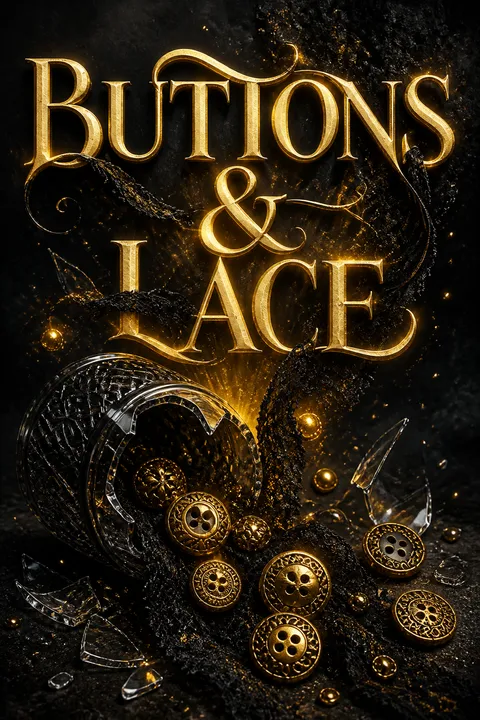
The button jar is the central plot device, transforming sex from an act of violence into a transactional path to freedom. Each button represents a sexual act willingly performed by Pearl, blurring the lines between coercion and consent. The jar is both a prison and a promise—a measure of Pearl's endurance and Crow's evolving respect for her autonomy. The device allows for the exploration of power dynamics, trust, and the possibility of healing through choice. It also serves as a countdown, building tension as Pearl approaches the threshold of freedom.
Duality of Pain and Pleasure
The novel uses the interplay of pain and pleasure as a means of character development and thematic exploration. Pearl's journey from victim to survivor is marked by her ability to reclaim her body and sexuality, even in the face of violence. Crow's dominance is tempered by his respect for Pearl's limits, allowing for the possibility of intimacy and trust. The narrative structure alternates between moments of brutality and tenderness, highlighting the complexity of human desire and the capacity for transformation.
Betrayal and Trust
The initial betrayal by Jacob sets the stage for Pearl's distrust of all men, creating psychological tension that drives the narrative. The revelation of Jacob's treachery is foreshadowed by his suspicious behavior and confirmed through Crow's investigation. This reversal forces Pearl to confront her own assumptions and choose whether to trust Crow, her new captor. The theme of betrayal is mirrored in Crow's own quest for vengeance, creating a parallel between their emotional journeys.
The Auction and Ownership
The auction scene is a pivotal plot device, dramatizing the commodification of women and the brutality of trafficking. Pearl's resistance on stage marks her as both valuable and dangerous, setting her apart from the other captives. The concept of ownership—first by Bones, then by Crow—is interrogated throughout the novel, with Pearl's struggle for agency at its core. The shifting dynamics of power and possession drive the story forward, culminating in Pearl's ultimate assertion of self.
The Playroom
Crow's playroom is both a site of danger and possibility. It is where Pearl confronts her fears, negotiates her boundaries, and reclaims her sexuality. The playroom scenes are structured as negotiations, with safe words and consent foregrounded. This device allows for the exploration of trauma, healing, and the potential for pleasure within the context of power exchange. The playroom becomes a metaphor for the larger journey from captivity to freedom.
About the Author
Other books by Penelope Sky




Download PDF
Download EPUB
.epub digital book format is ideal for reading ebooks on phones, tablets, and e-readers.








































