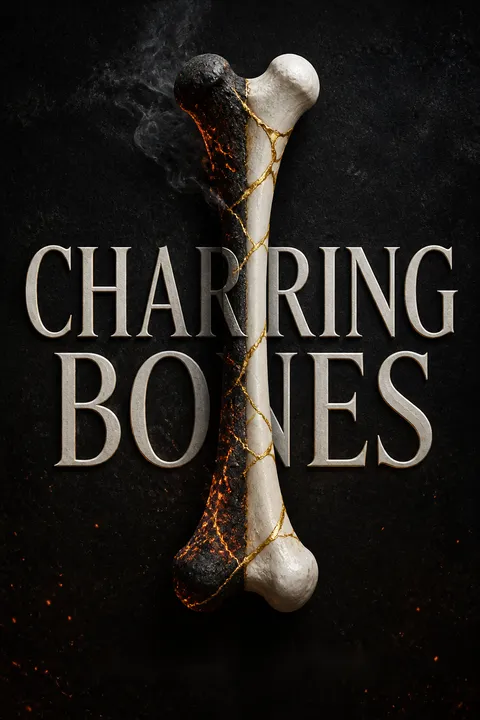

Plot Summary
Blood on the Altar
The story opens with Ainsley Morelli standing over the bodies of her family, her gun still smoking. Raised as a Mafia princess, she's been both the lamb and the butcher, forced into impossible choices by her father's ruthless ambitions. The blood on the floor is both literal and symbolic—her sacrifice and her rebellion. As she flees the scene, her mind races through memories of being used as a pawn, the trauma of her upbringing, and the chilling realization that survival means becoming the very monster she once feared. The chapter pulses with shock, grief, and the first sparks of a desperate, hard-won freedom.
Escape in the Night
With her family dead, Ainsley enacts a long-planned escape, switching cars and identities, and reaching out to her only tenuous contact in law enforcement. But her lifeline, Agent Glines, is dead, and she's left with nothing but a burner phone and a number for a stranger—Vargas. The world closes in as she realizes she's truly alone, hunted by the very organization that raised her. Her flight is frantic, her grief raw, and her hope nearly extinguished. Yet, even as she mourns the life she's lost, a stubborn ember of survival burns within her, propelling her into the unknown.
Shelter of Strangers
Vargas arranges for Ainsley to be hidden in a shelter run by a found family of ex-military and criminal outcasts. Here, she meets Celeste, Ty, and others—people with their own scars and secrets. The shelter is both sanctuary and prison, its safety contingent on silence and trust she's not sure she can give. Ainsley's trauma isolates her, but the kindness of her protectors chips away at her defenses. The chapter is thick with tension, as Ainsley weighs the risks of vulnerability against the certainty of betrayal, and the first hints of connection begin to thaw her icy resolve.
Ghosts of the Past
The past collides with the present when a voice from Ainsley's history—Gage, once Josh Ricci—bursts into her life. Their reunion is explosive, a tangle of rage, heartbreak, and unresolved longing. Gage, presumed dead, is now a hardened enforcer with his own found family. Their shared history is a minefield of betrayal and loss, each blaming the other for choices made under duress. The emotional violence of their confrontation mirrors the physical violence that shaped them, and both are left reeling, forced to confront the ghosts that haunt them.
Reunion and Ruin
Gage and Ainsley's relationship is a storm of passion and fury. Their past is revealed in fragments—secret meetings, forbidden love, and the devastating separation orchestrated by Ainsley's father. Each accuses the other of abandonment, but beneath the accusations lies a desperate yearning for the connection they once shared. Their chemistry is undeniable, but so is the pain. As they circle each other, the lines between love and hate blur, and the possibility of forgiveness flickers, fragile and dangerous.
Scars and Secrets
The narrative delves into the traumas that shaped both Ainsley and Gage. Ainsley's forced marriage, the loss of her child, and years of abuse are laid bare, as is Gage's own history of betrayal and violence. Their scars—physical and emotional—become both barriers and bridges. The found family around them offers support, but trust is hard-won. As secrets unravel, the depth of their wounds is matched only by their capacity for resilience, and the first tentative steps toward healing are taken.
The Lion and the Lamb
Ainsley, once the sacrificial lamb, claims her agency, refusing to be anyone's pawn. Gage, the lion, is forced to confront his own vulnerability and the limits of his control. Their dynamic is a dance of dominance and surrender, each learning to yield and to fight in new ways. The chapter pulses with tension as they test the boundaries of trust, desire, and forgiveness, forging a new understanding of strength and survival.
Family of Outcasts
The shelter's residents—each an exile from their own world—become Ainsley's unlikely allies. Bonds are forged in the crucible of shared pain and mutual protection. The found family's loyalty is fierce, their love unconventional but real. Together, they face external threats and internal demons, learning that family is not defined by blood, but by the willingness to fight for one another. The warmth of belonging is tinged with the ever-present threat of loss, but hope begins to take root.
War Room Promises
As the threat from the Mafia intensifies, the group prepares for war. Strategies are debated, alliances tested, and the cost of survival weighed. Ainsley and Gage, now united by both love and necessity, become central to the plan. The promise of vengeance is tempered by the desire for peace, and the family's resolve is steeled by the knowledge that the coming battle will demand everything they have. The chapter is a breathless buildup to the storm on the horizon.
Orange Skies, Black Hearts
Amidst the violence and chaos, moments of grace and tenderness shine through. The motif of orange—Ainsley's favorite color—becomes a symbol of hope, resilience, and the possibility of joy even in the darkest times. The family celebrates small victories, clings to rituals of comfort, and finds meaning in the mundane. Yet, the black hearts of their enemies—and their own—are never far, and the tension between light and shadow defines their world.
The Price of Freedom
The cost of survival becomes clear as the family faces betrayal, loss, and the ever-tightening grip of their enemies. Ainsley's past choices come back to haunt her, and the line between victim and perpetrator blurs. Freedom is won not through innocence, but through the willingness to pay the price—blood, loyalty, and the surrender of old identities. The chapter is a reckoning, as debts are paid and the true cost of liberation is revealed.
Claiming and Defiance
Gage and Ainsley's relationship reaches a crucible, as the question of ownership—of self, of each other—comes to the fore. The rituals of claiming, marriage, and family are reimagined as acts of defiance against a world that sought to break them. Their love is fierce, messy, and unapologetic, a bulwark against the forces that would destroy them. Together, they choose each other, not as captor and captive, but as equals in the fight for a future.
The Hunter Hunted
The family takes the fight to their enemies, hunting those who hunted them. Old scores are settled with brutal efficiency, and the cycle of violence is both perpetuated and broken. Ainsley, once prey, becomes predator, and the satisfaction of retribution is tempered by the knowledge of what it cost. The chapter is a cathartic release, as the hunted become the hunters, and the past is finally laid to rest.
Fire and Forgiveness
The family's home—both literal and metaphorical—is set ablaze, a final act of defiance and purification. The fire consumes the remnants of their old lives, making space for something new. Forgiveness is not easy, but it is possible, and the ashes of the past become the soil for new beginnings. The chapter is both an ending and a promise, as the family chooses to move forward together, scarred but unbroken.
The Last Sacrifice
The ultimate test comes as the family must erase themselves, sacrificing everything to protect each other. Identities are shed, graves are faked, and the world believes them dead. The pain of loss is real, but so is the freedom that comes with it. In letting go of the past, they claim the future, and the bonds that hold them are proven stronger than blood or name. The chapter is a bittersweet farewell to what was, and a leap of faith into what could be.
Ashes to Beginnings
The family finds refuge on a distant island, building a home from the ashes of their old world. The scars of the past remain, but they are no longer chains. Together, they create a life defined by choice, love, and the hard-won peace of survivors. The chapter is suffused with warmth, humor, and the quiet joy of ordinary days, as the family learns to live, not just survive.
Home in the Shadows
The family's new life is both sanctuary and exile, a place where the shadows of the past are acknowledged but not feared. The rituals of daily life—meals, games, laughter—become acts of reclamation. The children grow up surrounded by love and stories of resilience. The family's legacy is not one of violence, but of endurance, and the knowledge that home is not a place, but the people you choose to hold close.
Immortal Love, Mortal Wounds
The story closes with a meditation on love, loss, and the possibility of healing. Gage and Ainsley, scarred but whole, find peace in each other and in the family they've built. The wounds of the past are not erased, but they are no longer fatal. Love endures, not as a fairy tale, but as a hard-won truth. The final image is one of hope—a family, together, facing whatever comes next, immortal in their devotion, mortal in their wounds, and finally, free.
Analysis
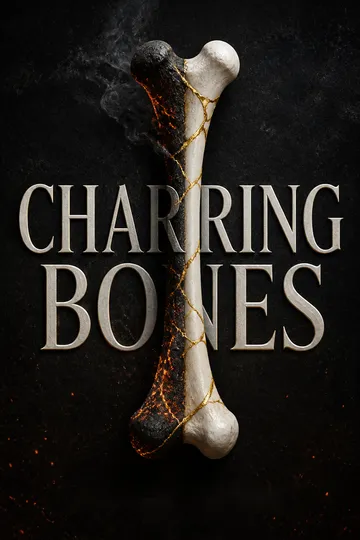
Charring Bones is a dark, unflinching exploration of trauma, survival, and the possibility of healing in a world built on violence. At its core, the novel is a love story—not just between Ainsley and Gage, but between broken people and the families they choose. The narrative refuses easy answers or redemption through innocence; instead, it insists that true freedom comes from facing the darkness, claiming agency, and forging new bonds in the ashes of the old. The book's structure—fragmented, nonlinear, and deeply psychological—mirrors the experience of trauma, inviting the reader to inhabit the characters' wounds and victories. The recurring motifs of fire, orange, and the altar serve as both warnings and promises: destruction is inevitable, but so is renewal. The lessons are hard-won—family is not blood, love is not ownership, and survival is not enough. To truly live, one must risk everything for connection, forgiveness, and the hope of a future built not on sacrifice, but on choice. In the end, Charring Bones is a testament to the resilience of the human spirit, the power of found family, and the enduring truth that even the most shattered can find home, love, and peace.
Review Summary
Charring Bones concludes the KORT series with intense emotions and a satisfying resolution. Readers praise the complex characters, especially Gage and Ainsley, whose second-chance romance captivates with its raw intensity. The book's themes of redemption, found family, and healing resonate strongly. Many reviewers highlight the author's skillful writing, balancing suspense, action, and passionate scenes. The audiobook narration by Jacob Morgan and Samantha Brentmoor receives high acclaim. Overall, fans consider it a fitting end to a beloved series, leaving them eager for the author's next work.
People Also Read






Characters
Ainsley Morelli
Ainsley is the daughter of a Mafia Don, raised to be both a prize and a pawn. Her life is marked by trauma—forced marriage, abuse, the loss of her child, and the betrayal of those she loved. Yet, beneath the scars, she is fiercely intelligent, resourceful, and resilient. Her journey is one from victimhood to agency, from being the hunted to the hunter. Her relationship with Gage is the axis of her transformation—he is both her greatest wound and her deepest solace. Psychoanalytically, Ainsley embodies the struggle to reclaim selfhood after profound violation, and her arc is one of hard-won empowerment. Her bonds with the found family are tentative at first, but ultimately, she learns to trust, love, and belong on her own terms.
Gage Porter (Josh Ricci)
Gage is a man forged in violence—sold by his mother, shaped by the Mafia, and reborn as a ruthless enforcer. Presumed dead, he builds a new life with a found family, but the return of Ainsley shatters his hard-won peace. His love for her is obsessive, possessive, and redemptive—a force that both destroys and saves him. Gage's psychological complexity lies in his struggle between vengeance and forgiveness, dominance and vulnerability. His journey is one of learning to let go of control, to trust in love, and to accept that true strength lies in the willingness to be seen and to heal. His devotion to Ainsley and his family is unwavering, and his arc is a testament to the possibility of transformation, even for the most broken.
Wells (Chief)
Wells is the head of the found family, a former Navy SEAL and Mafia heir who rejects the old ways in favor of a new code. He is both ruthless and compassionate, guiding the group with a steady hand and a fierce loyalty. His relationship with Ivy and his role as a surrogate father to the others ground him, but he is haunted by the weight of responsibility and the fear of loss. Wells's psychological depth comes from his ability to balance power with empathy, and his arc is one of learning to trust others to share the burden of leadership.
Ivy
Ivy is a survivor of her own traumas, a woman who burns down her past to build a future. Her relationship with Wells is a model of partnership and mutual respect, and her friendship with Ainsley is a lifeline. Ivy's strength lies in her ability to nurture and to fight, to hold space for pain and for joy. She is the emotional center of the group, and her arc is one of embracing vulnerability as a source of power.
Ty
Ty is a former soldier with a bleeding heart, drawn to rescue and to heal. His relationship with Rena and his role as a protector of the shelter's residents define him. Ty's struggle is with guilt and the need to atone for past violence, but his capacity for kindness and his unwavering loyalty make him a pillar of the family. His arc is one of learning to accept love and to forgive himself.
Liam
Liam is the group's wild card—a man who masks pain with humor and irreverence. His relationship with Celeste is both passionate and playful, and his loyalty to the family is absolute. Beneath the jokes lies a deep well of hurt and a fierce protectiveness. Liam's arc is one of learning to let others see his true self and to find meaning beyond survival.
Celeste
Celeste is sharp, resourceful, and always planning her next move. Her friendship with Ainsley is hard-won, built on mutual respect and shared scars. Celeste's role in the family is as both confidante and challenger, pushing others to be their best selves. Her arc is one of learning to trust and to let down her guard.
Rena
Rena brings lightness and hope to the group, her youth and optimism a counterpoint to the others' cynicism. Her relationship with Ty is sweet and grounding, and her journey into motherhood is both joyful and fraught. Rena's arc is one of growing into her strength and learning to balance vulnerability with courage.
Natasha
Natasha is the elder stateswoman of the group, a woman who has endured loss and found new purpose in caring for others. Her wisdom and warmth are a balm to the wounded, and her role as a surrogate mother is central to the family's healing. Natasha's arc is one of embracing change and finding joy in new beginnings.
Theo Vittori
Theo is the last remnant of the Mafia's old guard—a man who enables evil through inaction and self-interest. His role in Ainsley's suffering is indirect but profound, and his death marks the end of an era. Theo's psychological profile is one of weakness masquerading as strength, and his arc is a cautionary tale of the cost of complicity.
Plot Devices
Dual Timelines and Fragmented Memory
The narrative structure weaves together Ainsley and Gage's past and present, using flashbacks, letters, and memories to reveal the traumas that shaped them. This device allows the reader to experience the weight of history alongside the characters, and to understand how the past informs every choice and emotion. The fragmented, nonlinear storytelling mirrors the psychological fragmentation of trauma, and the gradual revelation of secrets builds suspense and empathy.
Found Family as Salvation
The motif of the found family is central, offering a counterpoint to the toxic, violent families of origin. The shelter, the rituals of daily life, and the fierce loyalty of the group become both plot engine and emotional anchor. This device allows for the exploration of themes of belonging, trust, and the possibility of healing through community.
Symbolism of Fire and Orange
Fire recurs as both a force of destruction and a catalyst for renewal—burning down the past to make way for the future. The color orange, Ainsley's favorite, becomes a symbol of hope, resilience, and the beauty that can be found even in ruin. These motifs are woven through the narrative, providing both foreshadowing and emotional resonance.
Cycles of Violence and Redemption
The story is structured around cycles—of abuse, revenge, and survival. Each act of violence is both a response to the past and a step toward breaking the cycle. Redemption is not found in innocence, but in the willingness to choose love, forgiveness, and new beginnings, even after unimaginable harm.
Rituals of Claiming and Defiance
The rituals of claiming, marriage, and family are used both as tools of oppression and as acts of rebellion. Ainsley's refusal to be claimed on anyone's terms but her own is a pivotal plot device, forcing both her and Gage to redefine what it means to belong to each other. The negotiation of power within their relationship mirrors the larger struggle for agency and selfhood.
Foreshadowing and Repetition
The narrative is rich with foreshadowing—Bible stories, family sayings, and recurring images (the clock, the altar, the color orange) all hint at the shape of things to come. Repetition of key phrases and motifs reinforces the themes of survival, sacrifice, and the possibility of change.
Download PDF
Download EPUB
.epub digital book format is ideal for reading ebooks on phones, tablets, and e-readers.








































