
Plot Summary
Night in the Dark Forest
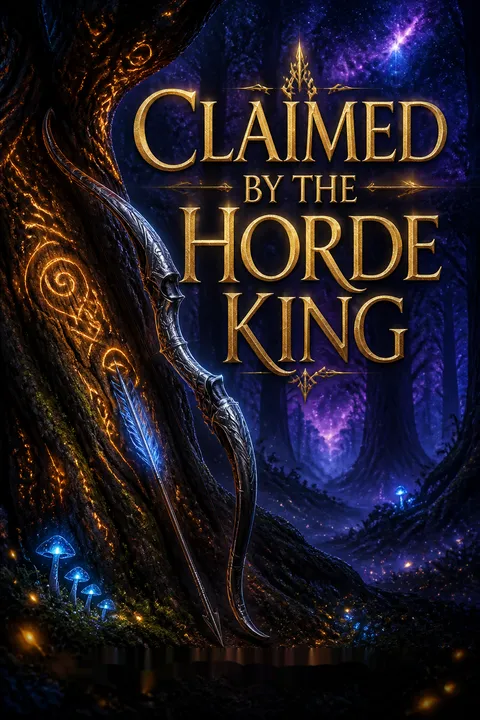
Nelle, a young human woman, braves the forbidden Dark Forest to hunt for food, risking her life to stave off hunger. Unbeknownst to her, she is watched by Seerin, the Vorakkar (horde king) of Rath Tuviri, and his warriors. Her skill and sadness catch his attention, but the law is clear: humans are forbidden to hunt, and punishment is severe. Nelle's isolation and desperation are palpable, her only comfort the memory of a lost companion, Blue, whose feathers adorn her last arrow. The night is thick with danger, not just from the forest, but from the eyes that judge her fate. The chapter sets the tone of survival, loneliness, and the looming threat of power.
Hunger and Human Cruelty
Returning to her village, Nelle faces the harsh realities of human cruelty and deprivation. She trades her meager catch for food, enduring the leering advances of Grigg, the village leader, and the simmering threat of Kier, a man who once tried to take from her by force. The village is a place of hunger, fear, and predation, where kindness is rare and power is abused. Nelle's only leverage is her skill with the bow, but even that is fragile. Her fear of humans outweighs her fear of the Dakkari, the alien rulers of the planet. The chapter deepens the sense of vulnerability and the bleakness of her world.
Judgment at Dawn
At dawn, Nelle is summoned to face the Dakkari horde, accused of breaking the law by hunting. The village gathers, but no one stands with her. Seerin, the Vorakkar, is both judge and executioner, his presence overwhelming and inhumanly beautiful. Nelle refuses to betray others, accepting her fate with numb resignation. The Dakkari law is merciless, and the punishment is to be public and exemplary. The tension between justice and mercy, power and powerlessness, is stark. Nelle's isolation is complete, and the stage is set for a reckoning that will change both her life and Seerin's.
The Whip and the Wall
Nelle is whipped before her village, her back laid open as Seerin watches. The pain strips away her numbness, leaving her raw and exposed. Yet in her suffering, she finds a strange clarity and peace, letting go of her burdens. Seerin, moved by something he cannot name, sees in her a light that calls to him. He stops the punishment, defying expectations and his own laws. The moment is transformative for both: Nelle's resilience and dignity in pain awaken something in Seerin, and he claims her, not as a prisoner, but as something more. The whip becomes a catalyst for connection.
Mercy and Markings
Seerin takes Nelle from the village, carrying her wounded body to his horde. He is haunted by shame and doubt, questioning the justice of his actions and the failures of the human settlements. Nelle's fragility and strength unsettle him, and he resolves to save her, defying the expectations of his warriors and his own second-in-command, Vodan. As she hovers between life and death, Seerin tends her wounds, feeling both monstrous and merciful. The chapter explores the complexity of power, the possibility of redemption, and the first stirrings of something like love.
Fever and the Demon King
Nelle drifts in and out of fevered dreams, cared for by Seerin and the horde's healer. She is naked and vulnerable, surrounded by strangers, yet the Dakkari treat her with unexpected gentleness. Seerin's presence is both terrifying and magnetic; he is a demon in her eyes, yet also her savior. As she recovers, she begins to see the horde not as monsters, but as a community with its own rules and kindnesses. The boundaries between captor and captive blur, and a fragile trust begins to form. The chapter is suffused with vulnerability, suspicion, and the slow thaw of fear.
Stranger in the Horde
As Nelle heals, she explores the horde encampment, encountering Dakkari customs, children, and daily life. She is an object of curiosity, but also of tentative acceptance. The horde is vibrant and alive, a stark contrast to her village. Nelle's curiosity is insatiable, and she begins to form connections, especially with the healer and a seamstress. Yet she remains an outsider, watched and guarded. Seerin's attention is constant, both protective and possessive. The chapter is rich with world-building, the clash of cultures, and the first hints of belonging.
Curiosity and Defiance
Nelle's relentless questioning both frustrates and fascinates Seerin. She challenges him, bargains for answers, and refuses to be cowed by his authority. Their interactions become a dance of wit and will, each testing the other's boundaries. Seerin is drawn to her defiance and honesty, while Nelle is both wary and intrigued by his complexity. The power dynamic shifts subtly, as Nelle gains agency and Seerin reveals vulnerability. The chapter is charged with tension, humor, and the slow burn of attraction.
The Bow and the Bargain
Seerin offers Nelle a chance to use a Dakkari bow, setting a challenge: if she hits the target, she wins a boon; if she fails, she must serve as his alukkiri, tending his skin with oils. The contest is both playful and intimate, a test of skill and trust. Nelle's pride and determination are on display, as is Seerin's desire to draw her closer. The wager becomes a metaphor for their relationship: risk, vulnerability, and the possibility of reward. The chapter is a turning point, marking the beginning of true intimacy.
Frost and Firelight
A violent storm batters the horde encampment, causing chaos and injury. Nelle risks herself to help, earning Seerin's admiration and concern. Afterwards, she is chilled to the bone, and Seerin brings her into his bed to warm her. The physical closeness breaks down barriers, and the emotional stakes rise. In the firelight, they share confessions and comfort, the storm outside mirroring the turmoil within. The chapter is suffused with tenderness, longing, and the first real sense of safety for Nelle.
The First Kiss
The tension between Nelle and Seerin finally breaks as they share their first true kiss, a moment electric with desire and vulnerability. The kiss is both a promise and a challenge, signaling a shift from wary allies to potential lovers. Old wounds and fears linger, but the connection is undeniable. The chapter is intimate and charged, the culmination of slow-burning attraction and mutual recognition. It marks the beginning of a new phase in their relationship, one fraught with risk and hope.
The Cold Season's Claim
As the cold season deepens, Nelle and Seerin's relationship intensifies. They share their bodies and secrets, finding solace and passion in each other. The physical union is transformative, healing old scars and forging new bonds. Nelle begins to feel a sense of belonging, not just to Seerin, but to the horde itself. Yet shadows remain: the threat of the council, the expectations of leadership, and the fragility of newfound happiness. The chapter is lush with sensuality, warmth, and the ache of wanting more.
Collapse and Compassion
A structural collapse in the encampment tests the horde's unity and Seerin's leadership. Nelle proves her courage and resourcefulness, earning respect and deepening her ties to the community. Seerin is forced to confront the burdens of command, the demands of tradition, and the cost of mercy. The crisis brings them closer, but also foreshadows the challenges ahead. The chapter explores the themes of responsibility, sacrifice, and the ways in which love and duty can conflict.
Warming in the Night
In the aftermath of disaster, Seerin and Nelle find comfort in each other. Seerin gives Nelle a necklace made from Blue's feathers, a symbol of memory and new beginnings. The gesture is deeply meaningful, bridging past and present, loss and love. Nelle's healing is both physical and emotional, as she begins to trust in the possibility of happiness. The chapter is gentle and hopeful, a respite before the coming storm.
Gifts and Ghosts
Nelle forges deeper connections within the horde, making friends and finding purpose. She learns new skills, helps the seamstress, and is gifted a rock by a Dakkari child—a small but profound gesture of acceptance. Yet the ghosts of the past linger: the threat of the council, the memory of pain, and the knowledge that happiness is fragile. The chapter is rich with the textures of daily life, the slow building of trust, and the ever-present shadow of loss.
The Vorakkar's Confession
Seerin reveals his past to Nelle: his origins as a street child in Dothik, the son of a prostitute, his struggle to become Vorakkar. The confession is raw and unvarnished, exposing old wounds and deep insecurities. Nelle responds with empathy and understanding, sharing her own story of abandonment and survival. Their mutual vulnerability cements their bond, transforming attraction into love. The chapter is a reckoning with the past, a laying bare of the soul.
The Council's Threat
The horde's council, led by Vodan, confronts Seerin with an ultimatum: choose Nelle and lose the support of the council and many of the horde, or give her up for the good of all. The threat is devastating, forcing Seerin to weigh love against duty, happiness against responsibility. Vodan's betrayal is especially painful, shattering Seerin's trust. The chapter is tense and heartbreaking, the stakes raised to their highest. The cost of love becomes clear.
Breaking and Betrayal
Under pressure from the council, Seerin ends his relationship with Nelle, breaking both their hearts. The scene is raw and shattering, as Nelle pleads for love and Seerin, numb and cold, turns her away. Nelle's world collapses, and she decides she cannot stay in the horde, choosing instead to return to her village. The chapter is suffused with grief, regret, and the sense of an ending. Love, it seems, is not enough.
Leaving and Longing
Nelle leaves the horde, aided by friends who grieve her loss. She returns to her village, finding it unchanged and unwelcoming. Yet she discovers she is pregnant with Seerin's child, a revelation that brings both fear and hope. Determined to protect her baby, she plans to seek out another horde, one where a human queen is accepted. The chapter is about resilience, the will to survive, and the enduring power of love, even in absence.
The Return and the Plea
Seerin, realizing his mistake and the depth of his love, defies the council and rides to Nelle's village to bring her back. Their reunion is fraught with pain and mistrust; Nelle is wary, her heart guarded. Seerin pleads for forgiveness, vowing to choose her above all else. The revelation of her pregnancy complicates matters, but also offers a path forward. The chapter is about the difficulty of healing, the courage to ask for forgiveness, and the hope of starting anew.
Forgiveness and Forever
Nelle and Seerin confront their past, their wounds, and their fears. Through honest conversation, vulnerability, and the willingness to bargain for love, they find their way back to each other. The horde is reshaped, the council disbanded, and a new future is forged. Nelle becomes Morakkari, Seerin's queen and partner, and together they prepare to welcome their child. The story ends with a sense of wholeness, belonging, and the promise of forever.
Analysis
A story of trauma, healing, and the radical power of chosen loveClaimed by the Horde King is, at its core, a romance about two wounded souls who find in each other the possibility of healing and belonging. The narrative is shaped by trauma—abandonment, violence, the scars of power—and by the struggle to trust in the face of betrayal. Through alternating perspectives, the novel explores the psychological complexity of love: its capacity to wound, to redeem, and to demand the courage to choose again and again. The world of Dakkar is a crucible, its harshness both a threat and a test. The horde, with its traditions and hierarchies, is both a source of community and a barrier to change. The novel's central lesson is that true leadership—and true love—requires the willingness to break with the past, to risk vulnerability, and to claim the right to happiness even when it seems impossible. In a world where power is so often wielded to harm, the story insists on the radical power of mercy, forgiveness, and the creation of new family. The scars we bear, it suggests, are not just marks of pain, but of survival—and, ultimately, of hope.
Review Summary
Readers largely praise Claimed by the Horde King as superior to the first installment, highlighting heroine Nelle as a standout character—resilient, forgiving, and strong-willed without being overbearing. The slow-burn romance between Nelle and Seerin is widely celebrated, along with an extended, satisfying grovel sequence. Dual POV narration is appreciated for adding depth. Common criticisms include repetitive word usage (particularly "rasped"), some unresolved plotlines, and an abrupt ending. Overall, most readers rate it 4–5 stars and eagerly anticipate future series installments.
People Also Read





Characters
Nelle
Nelle is a young human woman marked by loss, hunger, and the cruelty of her own kind. Orphaned and alone, she survives through skill and determination, wielding her bow as both weapon and shield. Her psychological landscape is shaped by abandonment and fear, yet she retains a fierce curiosity and a longing for connection. Nelle's journey is one of transformation: from outcast to beloved, from victim to agent of her own fate. Her relationship with Seerin is both a source of healing and a crucible of pain, forcing her to confront her deepest wounds and desires. Through love, she finds the courage to claim her place in the world, not as a possession, but as a partner and queen.
Seerin (Vorakkar of Rath Tuviri)
Seerin is the horde king of Rath Tuviri, a figure of immense power, discipline, and inner conflict. Born in poverty as the son of a prostitute, he clawed his way to leadership through strength and will. His golden markings and scars are both badges of honor and reminders of pain. Seerin's psyche is shaped by shame, ambition, and the burden of responsibility. His love for Nelle is transformative, awakening vulnerability and tenderness he has long suppressed. Yet he is trapped by tradition and the expectations of his council, forced to choose between personal happiness and the good of his people. His arc is one of self-realization, as he learns to trust his own judgment and claim the right to love.
Vodan (Pujerak)
Vodan is Seerin's second-in-command and oldest friend, a survivor of Dothik's streets. He is both confidant and challenger, embodying the tension between loyalty and fear of change. Vodan's skepticism of Nelle is rooted in a desire to protect the horde and Seerin, but also in his own insecurities. His betrayal is a pivotal moment, forcing Seerin to confront the limits of trust and the cost of leadership. Vodan's arc is one of regret and reconciliation, as he comes to accept Nelle and seeks to mend the rift with Seerin.
Avuli (Seamstress)
Avuli is a Dakkari seamstress who befriends Nelle, offering kindness, guidance, and a sense of community. She is a widow, marked by loss but sustained by love for her son and her craft. Avuli's acceptance of Nelle is a turning point, signaling the possibility of integration and belonging. She represents the best of the horde: generosity, resilience, and the capacity to embrace difference. Her friendship is a source of strength for Nelle, and her wisdom helps guide both protagonists toward healing.
Odrii
Odrii is Avuli's brother, a young Dakkari warrior who befriends Nelle and briefly courts her. His interest in Nelle is both genuine and a narrative device, highlighting Seerin's jealousy and the complexities of cross-cultural attraction. Odrii's arc is one of growth and acceptance, as he comes to respect Nelle's choices and supports her in times of need. He embodies the possibility of new alliances and the breaking down of old prejudices.
Grigg
Grigg is the leader of Nelle's village, a man who wields power through intimidation, manipulation, and exploitation. He represents the worst aspects of human society on Dakkar: greed, predation, and the abuse of the vulnerable. Grigg's interactions with Nelle are marked by threat and degradation, underscoring the dangers she faces not from aliens, but from her own kind. He is a foil to Seerin, highlighting the difference between power wielded with cruelty and power tempered by mercy.
Kier
Kier is a man from Nelle's village who once tried to assault her, leaving a lasting scar on her psyche. He is a constant threat, a reminder of the violence and misogyny that pervade her world. Kier's presence in the narrative serves to heighten the stakes of Nelle's vulnerability and to contrast with the evolving relationship she has with Seerin. He is a symbol of the dangers of unchecked desire and the importance of agency and self-defense.
The Healer (Kerisa)
The Dakkari healer is instrumental in Nelle's physical and emotional recovery. She bridges the gap between alien and human, offering care without judgment and teaching Nelle about Dakkari customs. Her presence is soothing and stabilizing, a counterpoint to the violence and upheaval that mark Nelle's journey. She represents the possibility of healing, both literal and metaphorical, and the importance of community support.
Seerin's Mother
Seerin's mother is a complex figure: once a prostitute in Dothik, now a favored concubine of the Dothikkar. She is ambitious, calculating, and fiercely protective of her son's legacy. Her influence is both empowering and constraining, shaping Seerin's sense of self and his understanding of power. She embodies the tension between survival and aspiration, love and manipulation. Her insistence on tradition and purity is a source of conflict, but also a catalyst for Seerin's ultimate assertion of autonomy.
The Council (Elders and Head Warrior)
The horde's council is a collective character, representing the weight of tradition, the fear of change, and the resistance to integration. Their ultimatum to Seerin is the central conflict of the narrative, forcing a choice between love and duty. The council's actions are driven by a desire to protect the horde, but also by prejudice and self-interest. Their eventual disbandment signals a new era, one in which leadership is redefined and the possibility of transformation is embraced.
Plot Devices
Dual Perspective and Internal Monologue
The narrative alternates between Nelle and Seerin's perspectives, allowing readers to inhabit both the vulnerable, questioning mind of the outsider and the conflicted, powerful psyche of the leader. Internal monologue is used extensively to reveal fears, desires, and rationalizations, creating a deep sense of intimacy and psychological realism. This device heightens the emotional stakes, as misunderstandings and secrets are laid bare to the reader even when hidden from the characters themselves.
Symbolism of Scars and Gifts
Scars—both Nelle's from the whip and Seerin's from the Trials—are recurring symbols of pain, endurance, and transformation. Gifts, especially Blue's feathers and the rock from Arlah, serve as tangible representations of memory, connection, and acceptance. These objects anchor the characters' emotional journeys, providing continuity and meaning across moments of rupture and reconciliation.
Bargains and Wagers
Bargains—whether over the bow, the right to ask questions, or the terms of intimacy—are central to the development of Nelle and Seerin's relationship. Each wager is a test of trust, vulnerability, and desire, transforming negotiation into a form of courtship. The motif of the bargain recurs at key turning points, culminating in the final reconciliation, where love itself becomes the ultimate wager.
Council Ultimatum and Forced Separation
The council's ultimatum is the primary plot device driving the central conflict. By forcing Seerin to choose between love and duty, the narrative explores the limits of power, the cost of tradition, and the possibility of change. The forced separation and subsequent exile are classic romance devices, but here they are given psychological depth, as both characters must confront their own wounds and the meaning of belonging.
Pregnancy as Catalyst
Nelle's pregnancy is both a source of vulnerability and a catalyst for agency. It reframes the stakes of her decisions, compelling her to seek safety and community not just for herself, but for her child. The pregnancy also serves as a bridge between worlds, embodying the potential for integration and the hope of a new future. It is a plot device that transforms loss into possibility.
Repetition and Ritual
Key phrases ("rei thissie," "enough now," "I love you") and rituals (the application of oils, the sharing of food, the giving of gifts) are repeated throughout the narrative, creating a sense of continuity and deepening emotional resonance. These repetitions anchor the characters' journeys, marking moments of change and return, rupture and repair.
Horde Kings of Dakkar Series
Download PDF
Download EPUB
.epub digital book format is ideal for reading ebooks on phones, tablets, and e-readers.








































