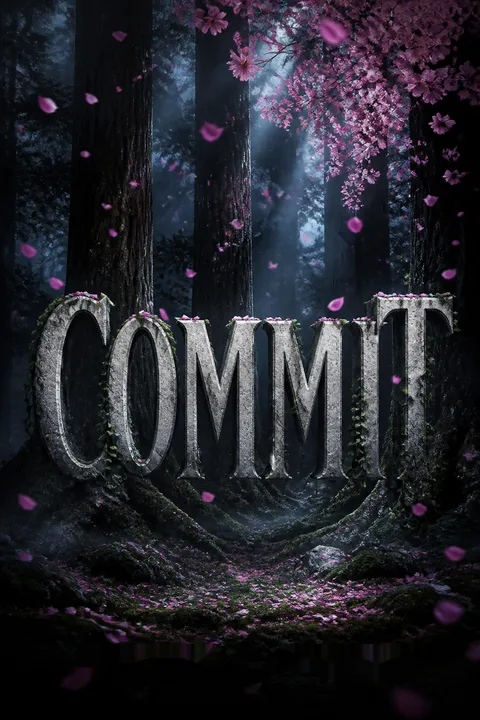

Plot Summary
Cold Streets, Broken Choices
Starling's life is a daily battle for survival on the freezing streets, her body both shield and currency. She's numb to the cold, to hunger, to the violence that stalks her every step. Yet, even as she contemplates surrendering to the snow's embrace, a stubborn spark keeps her moving. When a sharply dressed stranger catches her as she stumbles, she's wary—men like him don't belong here. His offer of help is laced with danger, and Starling's instincts scream that nothing is free. But with nowhere left to turn, she faces a choice: trust a monster or succumb to the darkness. The city's grime clings to her skin, but her spirit, battered and bruised, refuses to break—at least, not yet.
A Stranger's Offer
Hudson, a man with a shadowed past, sees something in Starling that others overlook. His proposition isn't about sex or charity—it's about possession. He's not her savior, but a predator circling his prey. Starling, used to being used, recognizes the hunger in his eyes. Yet, his offer of shelter is tempting, if only for a night's respite from the cold. As she weighs her options, the lines between victim and survivor blur. Hudson's world is one of violence and secrets, and Starling senses she's stepping into a different kind of cage. Still, the promise of warmth and safety, however fleeting, is enough to make her risk everything.
Family Ties, Fractured Hearts
Hudson's life is upended by a call: his ex-wife is dead, leaving their sons, Landon and Abbot, adrift. The reunion is fraught with resentment and regret—Hudson was never the father they needed, and his absence left wounds that never healed. Landon, the eldest, is hardened by responsibility, while Abbot, still a teenager, clings to anger and confusion. Starling, now revealed as their stepsister, is swept into the family's turmoil. The three are bound by loss, but trust is scarce. Hudson's offer to take in Abbot and Starling is met with suspicion, yet necessity forces them together. The house they share is filled with ghosts—of love, betrayal, and the hope for something better.
The Stepsister and the Assassin
Starling and Abbot, both outsiders in their own ways, find solace in each other. Their relationship is complicated—part friendship, part codependency, part forbidden romance. Hudson, meanwhile, is more than he appears: a hitman hiding in plain sight, haunted by his own failures. As Starling navigates her new home, she senses danger lurking beneath Hudson's calm exterior. The house is a fortress, but not all threats come from outside. Starling's presence awakens something primal in Hudson, and his gaze lingers too long. The boundaries between protector and predator, family and foe, begin to blur, setting the stage for a collision of desires and fears.
Funeral Ashes, New Beginnings
The funeral for Hudson's ex-wife is a tableau of pain and pretense. Old wounds are reopened as the family gathers to say goodbye. Starling, mourning the only mother figure she's known, feels both included and invisible. Abbot's grief is raw, his anger at Hudson barely contained. Landon, burdened by responsibility, tries to hold everyone together. Amidst the sorrow, Hudson's offer of shelter becomes a lifeline, but also a source of tension. The house, surrounded by redwoods and secrets, becomes a crucible where old resentments and new attractions simmer. As the ashes settle, the family must decide whether to cling to the past or forge a new, uncertain future.
Unwelcome Guests, Unspoken Fears
Life in Hudson's house is a study in contrasts: luxury and loneliness, safety and suspicion. Starling struggles to find her place, haunted by memories of abuse and betrayal. Hudson's presence is both comforting and terrifying—his kindness feels like a trap, his interest a warning. Abbot, fiercely protective of Starling, resents Hudson's authority and the growing connection between his father and stepsister. The air is thick with unspoken fears and forbidden desires. When Hudson's criminal world encroaches on their fragile peace, Starling realizes that monsters wear many faces—and sometimes, the greatest danger comes from those who claim to care.
The House of Secrets
Hudson's home is more than a sanctuary—it's a surveillance state. Cameras track every movement, and secrets are currency. Starling, ever the survivor, senses she's being watched, her privacy an illusion. Hudson's obsession grows, his need to possess her intensifying with each passing day. Abbot, caught between loyalty and longing, becomes increasingly volatile. The house, with its locked doors and hidden rooms, mirrors the emotional labyrinth the characters navigate. Trust is a luxury none can afford, and every kindness is suspect. As boundaries erode, the stage is set for betrayal, blackmail, and the ultimate test of will.
Hunger, Hope, and Surveillance
Starling's hunger—for food, for safety, for love—is matched only by Hudson's hunger for control. Their interactions are a dance of dominance and submission, each testing the other's limits. Hudson's surveillance becomes a form of intimacy, his knowledge of Starling's routines both invasive and protective. Abbot, sensing the shifting dynamics, acts out in ways that threaten to unravel the fragile peace. The house becomes a battleground of wills, with Starling caught between two men who see her as both prize and pawn. As the tension mounts, the line between protection and possession blurs, and Starling must decide how much of herself she's willing to surrender.
Lines Crossed, Boundaries Blurred
The simmering attraction between Hudson and Starling erupts into a series of boundary-crossing encounters. What begins as manipulation and coercion soon becomes a twisted form of intimacy. Starling, desperate to protect Abbot, bargains her body for his safety, entering into a pact with Hudson that is equal parts blackmail and desire. The power dynamics shift constantly—Hudson's dominance is both terrifying and addictive, while Starling's submission is laced with defiance. Abbot, sensing the betrayal, spirals into self-destruction. The house, once a refuge, becomes a prison where love, lust, and violence are inextricably linked.
The Predator's Game
Hudson's obsession with Starling reaches its zenith as he tightens his grip on her life. Every act of kindness is a calculated move, every punishment a lesson in submission. Starling, trapped by circumstance and her own conflicted feelings, learns to navigate the minefield of Hudson's moods. The outside world offers no escape—school is a gauntlet of bullies and rumors, while Hudson's criminal ties bring new dangers to their doorstep. As the stakes rise, Starling must choose between survival and surrender, knowing that either path could destroy her.
Bruises, Betrayals, and Bargains
The fragile equilibrium of the household is shattered by violence—both physical and emotional. Starling is attacked at school, her body bearing the marks of cruelty and neglect. Hudson's response is swift and brutal, his vengeance a warning to all who would harm what's his. Yet, the cost is high: Starling's trust is broken, and Abbot's absence becomes a wound that refuses to heal. Secrets come to light, and the bargains struck in desperation threaten to consume everyone involved. As the bruises fade, the scars—both visible and hidden—remain, a testament to the price of survival.
Blackmail and Surrender
Hudson's manipulation reaches its peak as he forces Starling into a corner. With Abbot's safety hanging in the balance, Starling surrenders to Hudson's demands, sacrificing her autonomy for the sake of those she loves. The power dynamic is stark—Hudson holds all the cards, and Starling's only weapon is her resilience. Yet, even as she submits, she refuses to be broken. The confession of love, when it comes, is both a victory and a defeat—a moment of vulnerability that changes everything. The house, once a battleground, becomes a crucible where pain and passion are forged into something new.
The Monster's Claim
Hudson's need for Starling becomes all-consuming, driving him to acts of violence and domination that blur the line between love and possession. Starling, battered but unbowed, learns to wield her pain as a shield. The outside world intrudes in the form of a serial killer targeting those connected to Hudson, forcing the family to confront the darkness that binds them. As the body count rises, the true nature of the threat is revealed—not all monsters are strangers, and sometimes, the greatest danger comes from within. In the end, love is both weapon and wound, and survival demands a terrible price.
Scars and Survival
In the aftermath of violence, Starling begins the slow process of healing. Therapy, friendship, and the tentative rebuilding of trust offer a path forward, but the scars—physical and emotional—are a constant reminder of what's been lost. Abbot, grappling with his own demons, finds solace in honesty and acceptance. Hudson, for all his flaws, proves capable of change, his love for Starling tempered by a newfound respect for her strength. Together, they forge a new family, one built not on blood, but on the shared experience of survival. The past cannot be erased, but the future, for the first time, holds the promise of something better.
Schoolyard Wolves
Starling's return to school is met with hostility and violence. Bullied and ostracized, she becomes the scapegoat for Abbot's absence and the target of jealous classmates. The administration turns a blind eye, and Starling is left to fend for herself. When an attack leaves her hospitalized, the family rallies around her, but the damage is done. The experience forces Starling to confront the limits of her endurance and the necessity of self-advocacy. In the crucible of cruelty, she discovers reserves of strength she never knew she had—and the resolve to never be a victim again.
The Unraveling
The web of secrets that has held the family together begins to unravel. Hudson's manipulations are revealed, and Starling's trust is shattered. Abbot's sexuality, long a source of shame and confusion, becomes a point of liberation as he embraces his truth. The true nature of the threat stalking them is exposed, and the family must band together to survive. Betrayals are confronted, forgiveness is sought, and the bonds of love are tested as never before. In the end, only honesty and vulnerability can heal the wounds that have festered for so long.
The Son's Shadow
The revelation that Landon, Hudson's estranged son, is the architect of their suffering is a devastating blow. Driven by jealousy, resentment, and a twisted need for approval, Landon becomes the monster he always feared. His campaign of terror is both personal and symbolic—a reckoning for the sins of the father visited upon the next generation. The final confrontation is brutal and cathartic, forcing Hudson, Starling, and Abbot to confront the darkness within themselves and each other. In the end, the cycle of violence is broken, but not without cost.
The Trap Springs
Starling's abduction by Landon is a descent into hell. Bound, mutilated, and silenced, she becomes both bait and battleground in Landon's war against his father. Hudson, wounded but relentless, risks everything to save her. The rescue is a bloody, desperate affair, with lives hanging in the balance. In the crucible of violence, Starling discovers a well of strength and resilience that surprises even her. The ordeal leaves scars, but also a sense of agency—she is no longer a victim, but a survivor who refuses to be defined by her pain.
Blood, Water, and Truth
The aftermath of the rescue is a reckoning. Hudson, gravely wounded, confronts the reality of his own mortality and the consequences of his choices. Starling, scarred but unbroken, finds solace in the arms of those who love her. Abbot, finally free to be himself, embraces a future built on honesty and acceptance. The family, forged in fire, emerges stronger for their trials. The truth, once a weapon, becomes a balm—healing old wounds and paving the way for forgiveness. In the end, survival is not just about enduring pain, but about finding meaning in the struggle.
Aftermath and Ashes
Six months after the ordeal, the family gathers under the cherry blossom tree—a symbol of renewal and the fragility of life. Scars remain, but so does love. Hudson and Starling, once adversaries, are now partners, their relationship tempered by hardship and healing. Abbot, supported by friends and family, finds happiness and acceptance. The ghosts of the past linger, but no longer dictate the future. Together, they build a new home—one founded on trust, respect, and the hard-won knowledge that even the most broken can be made whole.
Healing, Forgiveness, and Home
In the end, the story is one of survival—not just of violence, but of the everyday battles for dignity, love, and belonging. Starling, once a girl defined by her trauma, becomes a woman defined by her resilience. Hudson, the monster who learned to love, finds redemption in vulnerability. Abbot, the lost boy, becomes a man at peace with himself. Together, they create a family not bound by blood, but by choice—a testament to the power of forgiveness, the necessity of healing, and the enduring hope that even in a world of monsters, love can prevail.
Analysis
A modern gothic of trauma, survival, and the search for belongingCommit is a dark, unflinching exploration of trauma, power, and the messy, nonlinear path to healing. Candice Wright crafts a narrative that refuses easy answers, instead immersing readers in the psychological complexity of her characters. The novel interrogates the nature of monstrosity—who gets to be called a monster, and who is merely trying to survive? Through Starling, we witness the resilience of the human spirit, the ways in which pain can be both weapon and wound. Hudson, for all his violence, is not a caricature but a man shaped by his own scars, seeking redemption in the only way he knows how. The story's refusal to romanticize abuse, while still acknowledging the allure of dark desire, is both its strength and its challenge. Ultimately, Commit is a testament to the power of chosen family, the necessity of forgiveness, and the hope that even in a world of monsters, love—messy, imperfect, hard-won—can prevail. The lesson is clear: survival is not just about enduring pain, but about finding meaning, connection, and the courage to claim one's own story.
People Also Read

Characters
Starling
Starling is the emotional core of the story—a young woman forged in the crucible of abuse, neglect, and survival sex work. Her resilience is both her armor and her curse, making her wary of kindness and slow to trust. Starling's relationship with Abbot is complex: part friendship, part codependency, part desperate grasp at normalcy. With Hudson, she is both prey and partner, drawn to his darkness even as she fears it. Her journey is one of reclaiming agency—learning to set boundaries, to demand respect, and to believe in her own worth. Starling's scars, both visible and hidden, are testament to her endurance. By the end, she is no longer defined by her trauma, but by her capacity for healing and love.
Hudson
Hudson is a study in contradictions: a world-weary assassin with a code of loyalty, yet capable of monstrous acts. His love for Starling is obsessive, possessive, and at times coercive—he is both her captor and her savior. Haunted by his failures as a father and husband, Hudson seeks redemption in Starling, even as he manipulates and controls her. His relationship with Abbot is fraught with regret and rivalry, a mirror of his own unresolved pain. Hudson's journey is one of self-awareness—learning to temper his violence with vulnerability, to see Starling as a partner rather than a possession. In the end, his redemption is hard-won, built on the ashes of his past and the hope of a better future.
Abbot
Abbot is the youngest son, caught between the expectations of others and his own desires. His relationship with Starling is a lifeline—she is his confidante, his protector, and his first love. Yet, Abbot's struggle with his sexuality and his resentment toward Hudson leave him adrift. His journey is one of self-acceptance, learning to embrace his truth and find happiness on his own terms. Abbot's loyalty is fierce, but his anger is a double-edged sword. In the end, he finds peace not in the approval of others, but in the acceptance of himself and the love of those who matter most.
Landon
Landon is Hudson's estranged elder son, driven by jealousy, resentment, and a desperate need for validation. His intelligence and ambition mask a deep well of pain, and his actions—manipulation, violence, betrayal—are cries for attention from a father who was never there. Landon's descent into villainy is both tragic and terrifying; he becomes the monster he always feared, orchestrating a campaign of terror against his own family. In the end, Landon is both victim and perpetrator—a cautionary tale about the cost of neglect and the dangers of unaddressed trauma.
Atlas
Atlas is Hudson's employer and confidant, a man who rules his empire with a mix of ruthlessness and pragmatism. He is both a source of danger and a pillar of support, offering Hudson the resources and protection he needs. Atlas's own journey—from feared mobster to devoted husband and father—serves as a counterpoint to Hudson's struggles. His loyalty is unwavering, and his advice, though often blunt, is rooted in hard-won wisdom. Atlas represents the possibility of redemption, even for those with blood on their hands.
Kenzo
Kenzo is Atlas's right-hand man, a blend of menace and mischief. His irreverence masks a keen intelligence and a willingness to do whatever it takes to protect those he cares about. Kenzo's relationship with Hudson is one of camaraderie and competition, each pushing the other to greater extremes. He is both a source of levity and a reminder of the darkness that lurks beneath the surface. Kenzo's loyalty is absolute, and his willingness to get his hands dirty makes him an invaluable ally—and a dangerous enemy.
Eloise
Eloise's death sets the story in motion, her absence a wound that shapes the lives of her sons and Starling. In life, she was flawed—loving but limited, unable to protect her children from harm. In death, she becomes a symbol of both loss and hope, her memory a touchstone for those left behind. Eloise's legacy is complicated, but her love for Starling and Abbot is genuine, offering a glimpse of what might have been.
Claire
Claire is the queen bee of the high school, her power rooted in fear and manipulation. She is both a product and a perpetrator of the toxic environment that torments Starling. Claire's actions—bullying, violence, betrayal—are driven by insecurity and jealousy. She serves as a reminder that monsters are not always found in the shadows; sometimes, they walk the halls in broad daylight.
Kate
Kate is a younger girl Starling meets in group therapy, a mirror of her own struggles. Their friendship is a source of healing for both, offering a glimpse of the power of empathy and solidarity. Kate's journey—from victim to survivor—is a testament to the importance of support and the possibility of breaking the cycle of abuse.
Trix
Trix is Kenzo's partner and a stabilizing force in the chaos. Her presence offers comfort and perspective, reminding the others of the importance of compassion and self-care. Trix's own experiences with trauma make her a valuable ally for Starling, and her relationship with Kenzo provides a model of love that is both fierce and nurturing.
Plot Devices
Duality of Predator and Prey
The narrative structure hinges on the shifting power dynamics between Starling and Hudson, blurring the lines between predator and prey, protector and captor. This duality is mirrored in the relationships between other characters—Abbot and Landon, Atlas and Kenzo—creating a web of alliances and betrayals. The use of alternating perspectives deepens the psychological complexity, allowing readers to inhabit the minds of both victim and villain. Foreshadowing is employed through recurring motifs—cold, hunger, surveillance, scars—hinting at the violence to come and the possibility of redemption. The house itself serves as a metaphor for the characters' emotional states: a fortress, a prison, a crucible. The serial killer subplot weaves together the personal and the criminal, raising the stakes and forcing the characters to confront the darkness within and without.

Download PDF
Download EPUB
.epub digital book format is ideal for reading ebooks on phones, tablets, and e-readers.








































