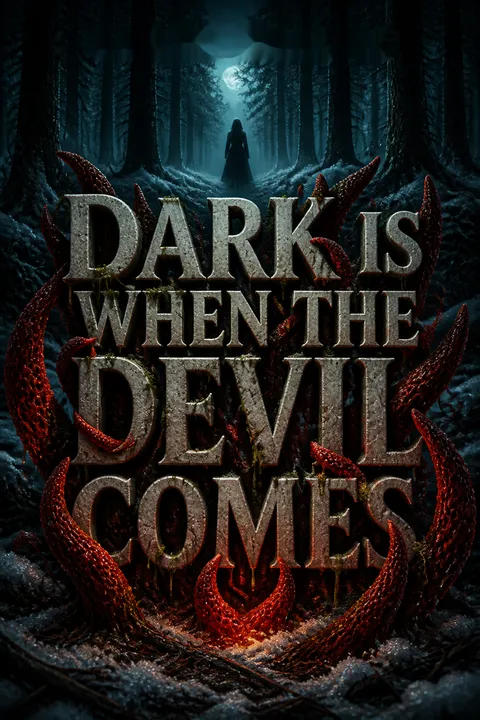

Plot Summary
Homecoming and Old Wounds
Hazel, reeling from her impending divorce and a drinking problem, returns to her childhood home in the small, insular town of Idless. Her parents are leaving for a long cruise, and she's left alone with the ghosts of her past—her fractured relationship with her sister Cathy, the memory of her failed marriage to Joe, and the physical and emotional scars of a childhood operation that left her with a teratoma and a sense of being fundamentally different. The house is filled with her mother's beloved cats and the detritus of family life, but Hazel feels like an outsider, both in her family and in her own skin. The sense of unease is palpable, and the stage is set for old wounds to be reopened.
Sisters Reunited, Secrets Unveiled
After years of estrangement, Hazel and Cathy tentatively reconnect over the phone, their conversation a mix of nostalgia, regret, and hope for reconciliation. Cathy, a single mother struggling with debt and exhaustion, is wary of exposing her children to Hazel's instability. The sisters arrange to meet, but beneath the surface, unresolved trauma and guilt linger—especially surrounding Hazel's childhood illness and the mysterious, hurtful things said in the past. Their reunion is both a chance for healing and a reopening of old scars, as both women grapple with the roles they played in each other's pain.
The Devil's Fingers Quest
Seeking distraction and a sense of purpose, Hazel throws herself into her hobby of mushroom foraging, specifically hunting for the elusive "devil's fingers" fungus. In the town square, she meets Andrew Garrison, the enigmatic owner of the infamous Bray Farm, a place with a dark history of violence and disappearance. Their conversation is laced with local folklore and subtle warnings, and Andrew grants Hazel permission to search his land—though he cautions her to avoid the house itself. The encounter is unsettling, and Hazel's fascination with decay and the hidden world of fungi mirrors her own internal rot and the secrets buried in Idless.
The Man from Bray Farm
Hazel's journey to Bray Farm with Andrew is fraught with tension and foreboding. As they drive through the dense, haunted woods, Andrew shares the tragic story of his family's car crash and the disappearance of his young sister, Maria. The landscape is saturated with myth and menace, and Hazel senses that Andrew is both a victim and a keeper of the farm's darkness. The farmhouse itself is a decaying relic, filled with the echoes of past violence. Hazel's unease grows as she realizes she may be trespassing not just on land, but on the boundaries between sanity and madness.
Into the Woods, Into the Past
Alone in the farmhouse, Hazel is drawn into the labyrinth of her own memories and the house's oppressive atmosphere. The cellar beckons with its promise of secrets, and Hazel's curiosity leads her to the brink of danger. The house is alive with the residue of past horrors—stories of murder, madness, and hauntings swirl in her mind. As Hazel descends into the darkness, she is both literally and figuratively digging into the past, unearthing the roots of her own trauma and the evil that has taken root in Bray Farm.
The Cellar Door Closes
Hazel's exploration turns to terror when Andrew traps her in the cellar, revealing his true nature as a captor and predator. The basement is a prison, furnished with a stained mattress and the remnants of previous victims. Hazel's panic is compounded by withdrawal from her medication and the realization that she is utterly isolated—her phone useless, her family unaware of her plight. The cellar becomes a crucible for her fears, both real and imagined, as she confronts the possibility of death and the resurgence of the "other sister," the monstrous presence that has haunted her since childhood.
Trapped Below, Voices Above
As days pass in the cellar, Hazel's grip on reality weakens. She is tormented by hunger, thirst, and the withdrawal from her psychiatric medication. The boundaries between hallucination and haunting blur as she hears voices—some her own, some belonging to the "other sister," a parasitic twin excised in childhood but never truly gone. The cellar is littered with evidence of previous captives, and Hazel discovers the name "Diana" scratched into the window, a chilling reminder that she is not the first. The supernatural and psychological horrors intertwine, and Hazel's sense of self begins to fracture.
The Other Sister Emerges
The "other sister" becomes a palpable presence, both a voice in Hazel's head and a spectral figure in the shadows. This entity embodies Hazel's darkest impulses—violence, hunger, and the urge to destroy. Memories of childhood cruelty, family neglect, and the operation that left her scarred resurface, fueling the monster's power. The line between Hazel and her twin blurs, and the cellar becomes a battleground for control. The horror is both internal and external, as Hazel realizes that the evil in Bray Farm is not just Andrew's, but her own.
Cathy and Suzie Investigate
Meanwhile, Cathy grows increasingly alarmed by Hazel's absence and enlists the help of Suzie, an old school friend and local pharmacist. Their investigation uncovers disturbing clues: the cats locked in a suitcase, Hazel's unopened divorce papers, and a cryptic receipt with a hidden message. The women's search is hampered by small-town gossip, police indifference, and their own complicated histories with Hazel. As they piece together the truth, they are drawn into the orbit of Bray Farm and its legacy of violence.
The Nanny Cam's Secret
Cathy's discovery of footage from her mother's nanny cam provides a breakthrough—and a new terror. The video shows Hazel walking down the hallway, followed by a black, crawling shape with impossibly long limbs and matted hair. The image confirms Cathy's childhood fears about Hazel's "other sister" and suggests that the evil at Bray Farm is not just human. The supernatural horror is now undeniable, and Cathy's determination to save Hazel is matched by a growing dread of what she might find.
Maria's Story, Hazel's Plan
In the darkness, Hazel befriends Maria, a stunted, childlike girl who claims to be Andrew's missing sister. As they communicate through the locked door, Hazel realizes that Maria is not who she seems—her memories are fragmented, her identity constructed by Andrew's delusions. Hazel hatches a desperate plan to escape, using coded messages and the help of Maria to send her location to Cathy. The bond between the two women is both maternal and fraught, as Hazel recognizes in Maria a reflection of her own lost innocence and monstrous potential.
The Monster in the House
Andrew's madness reaches its peak as he prepares to "save" Hazel through a gruesome ritual—trepanation, the drilling of a hole in her skull to release the "devil" inside. The locked room upstairs becomes a chamber of horrors, echoing the fates of previous victims. Hazel, drugged and restrained, is forced to confront both Andrew's violence and the full emergence of her "other sister." The supernatural and psychological terrors converge, and Hazel must draw on every ounce of will to survive.
Escape Attempts and Bargains
With Andrew distracted, Hazel and Maria attempt a daring escape. Maria, emboldened by Hazel's encouragement, ventures outside to retrieve a box of "serving-knees"—the trophies Andrew has kept from his victims. The plan is fraught with danger, as the monstrous twin stalks Maria in the snow. Hazel, weakened and wounded, prepares to make the ultimate sacrifice to save Maria and herself. The boundaries between victim and monster, rescuer and destroyer, blur as the house becomes a crucible for all their fears.
The Stryker and the Scar
As Cathy and Suzie arrive at Bray Farm, the final confrontation unfolds. Andrew attacks Cathy, and Maria intervenes with a homemade weapon—a "stryker"—striking Andrew down. Hazel, bleeding and delirious, is reunited with her sister in a moment of raw, painful catharsis. The scars—physical and emotional—are laid bare, and the sisters must reckon with the legacy of violence that has shaped their lives. The monstrous twin's influence lingers, threatening to consume Maria and anyone else who comes too close.
The Truth in the Woods
With Andrew incapacitated and the truth about Maria's identity revealed, Hazel realizes that the only way to end the cycle of horror is to destroy Bray Farm and the monster within. She sets the house ablaze, confronting her "other sister" in a final, fiery reckoning. The act is both an exorcism and a suicide attempt, as Hazel is willing to die to prevent the evil from spreading. The woods, once a place of secrets and suffering, become a pyre for the past.
The Fire and the End
As the house burns, Cathy and Suzie rescue Hazel from the flames, barely alive. The monstrous twin is consumed in the fire, but the scars—literal and metaphorical—remain. Andrew's crimes are uncovered, and the bodies of his victims are exhumed from the woods. Maria, revealed to be a girl named Bunny Miller, is freed from Andrew's delusions but left with her own trauma. The survivors are left to pick up the pieces, haunted by what they have seen and done.
Aftermath and Ashes
In the aftermath, Hazel and Cathy struggle to rebuild their relationship and their lives. Hazel undergoes surgery to remove the last vestiges of her "other sister"—a long black hair wrapped around her spine. Maria/Bunny begins to heal, attending school and forging a new identity. The town of Idless is forever changed by the revelations, but the cycle of pain and recovery continues. The sisters, scarred but alive, find solace in each other and in the possibility of redemption.
Rebuilding from Ruins
The final chapter finds Hazel, Cathy, and Bunny trying to move forward. The past cannot be erased, but it can be confronted and, perhaps, transformed. The woods remain, haunted but no longer all-powerful. The monstrous twin is gone, but the lessons of her existence endure: pain must be faced, secrets must be unearthed, and healing is a slow, uncertain process. The story ends with a sense of hard-won hope, as the survivors gather to honor the dead and embrace the possibility of a future free from the devils of the past.
Analysis
A modern gothic about trauma, evil, and survivalDark Is When the Devil Comes is a masterful blend of psychological thriller, gothic horror, and family drama. At its core, the novel interrogates the nature of evil—whether it is inherited, inflicted, or chosen—and the ways in which trauma can fester, mutate, and be passed down through generations. The "other sister" is both a literal monster and a metaphor for the parts of ourselves we fear and repress; her destruction is not a simple exorcism, but a painful, ongoing process of self-confrontation and healing. The novel's women—Hazel, Cathy, Suzie, Maria/Bunny—are complex, flawed, and resilient, their relationships marked by both harm and hope. The story refuses easy answers: the past cannot be undone, scars remain, and the possibility of relapse or recurrence lingers. Yet the act of facing the darkness—naming it, fighting it, and, when necessary, burning it down—offers a hard-won, ambiguous redemption. In the end, the lesson is clear: pain must be faced, secrets unearthed, and healing is possible, but never simple. The devils we carry can be confronted, if not entirely vanquished, and the future, though uncertain, is worth fighting for.
Review Summary
Dark Is When the Devil Comes receives generally positive reviews, averaging 3.85/5 stars. Readers praise Daisy Pearce's atmospheric, slow-burn horror blending supernatural and thriller elements, with many highlighting the tense sisterly dynamic between Hazel and Cathy. The English countryside setting and creeping dread are frequently celebrated. Common criticisms include a muddled middle section, underdeveloped villain motivations, and occasionally confusing narration. Many reviewers who loved Pearce's previous book, Something in the Walls, found this a worthy follow-up, while others felt it fell slightly short of expectations.
Characters
Hazel Maddon
Hazel is the novel's protagonist, a woman marked by trauma, addiction, and a profound sense of otherness. Her childhood operation to remove a teratoma left her with both a physical scar and a psychological wound—the "other sister," a monstrous twin that embodies her darkest impulses. Hazel's relationships are fraught: she is estranged from her sister Cathy, divorced from her husband Joe, and alienated from her own sense of self. Throughout the story, Hazel oscillates between victim and monster, her internal battles mirroring the external horrors she faces. Her journey is one of survival, self-confrontation, and the painful process of healing, as she ultimately chooses to destroy the source of her suffering, even at great personal cost.
Cathy Maddon
Cathy is Hazel's older sister, a single mother struggling with debt, exhaustion, and the legacy of family dysfunction. She is both tough and vulnerable, quick to anger but fiercely protective of her children. Cathy's relationship with Hazel is complicated by guilt, jealousy, and unresolved childhood trauma—she was often overshadowed by Hazel's illness and the family's focus on her recovery. Despite their estrangement, Cathy becomes the driving force behind the search for Hazel, confronting her own fears and the town's indifference. Her arc is one of reconciliation and growth, as she learns to forgive both her sister and herself.
Andrew Garrison
Andrew is the owner of Bray Farm and the novel's primary antagonist. Outwardly genial and knowledgeable about the land, he harbors a deep well of trauma stemming from his family's tragic past—the car crash that killed his parents and the disappearance of his sister, Maria. Andrew's madness manifests in ritualistic violence: he kidnaps and kills women, convinced he is "saving" them from their devils. His relationship with Maria is both paternal and delusional, as he projects his lost sister onto a series of captives. Andrew is both a product and a perpetrator of the farm's evil, his actions blurring the line between victim and monster.
Maria / Bunny Miller
Maria is introduced as Andrew's missing sister, but is later revealed to be Bunny Miller, a girl abducted and molded by Andrew's delusions. Stunted and childlike, Maria/Bunny is both a victim and a mirror for Hazel—her fragmented identity and vulnerability echo Hazel's own struggles. As the story progresses, Maria becomes a battleground for the monstrous twin's influence, embodying the novel's themes of possession, trauma, and the search for self. Her eventual rescue and tentative steps toward healing offer a glimmer of hope amid the darkness.
Suzie White
Suzie is a childhood friend of Hazel and Cathy, now working as a pharmacist in Idless. She is gentle, conscientious, and plagued by anxiety—her compulsive hand-washing and need to help others are both coping mechanisms and expressions of her deep empathy. Suzie becomes Cathy's ally in the search for Hazel, using her skills and connections to uncover crucial clues. Her arc is one of quiet bravery, as she overcomes her fears to confront the horrors of Bray Farm and support her friends.
Joe
Joe is Hazel's estranged husband, a beekeeper whose gentle, orderly world contrasts sharply with Hazel's chaos. His inability to understand or cope with Hazel's mental illness leads to their separation, and his absence haunts Hazel throughout the novel. Joe represents the life Hazel might have had—a life of stability, love, and belonging—but also the limitations of those who cannot face the darkness within themselves or others.
The Other Sister (Monstrous Twin)
The "other sister" is both a literal and metaphorical presence—a parasitic twin removed from Hazel in childhood, but never truly gone. She manifests as a voice in Hazel's head, a spectral figure in the shadows, and a force that drives Hazel toward violence and self-destruction. The twin is the novel's central symbol of repressed trauma, inherited evil, and the struggle for self-mastery. Her influence is both seductive and terrifying, and her ultimate destruction is both a victory and a loss for Hazel.
Danny
Danny is Cathy's teenage son, a skater and budding filmmaker whose curiosity and resourcefulness play a key role in the search for Hazel. His relationship with his mother is strained but loving, and his presence highlights the generational impact of trauma and the possibility of breaking the cycle.
Scout
Scout is Cathy's youngest son, a toddler whose near-abduction by Andrew underscores the stakes of the novel's central conflict. His survival and return to safety represent the fragile hope that the next generation can be spared the horrors of the past.
Mrs. Scott
Mrs. Scott is a neighbor whose observations provide both clues and red herrings in the search for Hazel. Her failing eyesight and penchant for gossip reflect the limitations of memory and the dangers of relying on incomplete narratives.
Plot Devices
Duality and the Monstrous Twin
The novel's central device is the concept of the "other sister"—a parasitic twin removed from Hazel's body but persisting as a psychological and supernatural force. This doubling is mirrored in the relationships between sisters, captor and captive, victim and monster. The monstrous twin embodies repressed trauma, inherited evil, and the struggle for self-control. The device allows the narrative to blur the boundaries between internal and external horror, making the supernatural an extension of psychological reality.
Unreliable Narration and Fragmented Memory
Hazel's perspective is shaped by trauma, medication withdrawal, and the influence of her monstrous twin. The narrative frequently shifts between lucid recollection, hallucination, and supernatural intrusion, keeping the reader off-balance and uncertain of what is real. This device heightens the suspense and mirrors the characters' own struggles to distinguish fact from fiction.
Gothic Setting and Local Folklore
Bray Farm and the surrounding woods are characters in their own right—sites of historical violence, local legend, and supernatural menace. The setting is saturated with gothic tropes: decaying architecture, hidden rooms, family secrets, and the ever-present threat of nature reclaiming civilization. Folklore about Joseph Bray, devil's fingers mushrooms, and haunted places grounds the horror in a specific, believable world.
Hidden Messages and Codes
Hazel's use of invisible ink and coded messages (smiley faces, lemon juice, receipts) is both a plot device and a metaphor for the difficulty of communicating trauma. These hidden messages allow her to reach out for help even when physically and psychologically imprisoned, and their discovery by Cathy and Suzie propels the investigation forward.
Maternal and Familial Bonds
The novel explores the complexities of family—sisters who hurt and save each other, mothers who fail and redeem, children who inherit both love and trauma. The maternal bond between Hazel and Maria/Bunny becomes a site of both healing and danger, as Hazel must choose whether to save or destroy the girl who carries her own monstrous legacy.
Cycles of Violence and Redemption
The narrative structure echoes cycles of violence—past murders at Bray Farm, repeated abductions, the recurrence of the monstrous twin. Yet the story also offers the possibility of breaking these cycles through sacrifice, confrontation, and the painful work of healing. The burning of the house, the removal of the last vestige of the twin, and the tentative rebuilding of family all serve as narrative closures and openings.
Download PDF
Download EPUB
.epub digital book format is ideal for reading ebooks on phones, tablets, and e-readers.








































