
Plot Summary
Rose Gardens and Iron Gates
Sattareh Farman Farmaian is born into the opulent yet precarious world of her father's compound in Tehran, a microcosm of old Persia's grandeur and vulnerability. Her father, Shazdeh, a Qajar prince, rules over a vast household with iron discipline and benevolent authority, embodying the old order's values of protection, hierarchy, and duty. The compound is a world apart, lush with gardens and tradition, but shadowed by the political upheavals that sweep Iran as the Qajar dynasty falls and Reza Shah rises. Sattareh's early years are marked by the tension between security and the ever-present threat of loss, as her family's fortunes and status are eroded by the new regime. The chapter sets the emotional tone of nostalgia, loss, and the longing for stability in a changing world.
Bread and Salt Bonds
The "bond of bread and salt" defines the intricate web of loyalty and dependence within the compound and Iranian society at large. Sattareh learns early that survival depends on alliances—between family, servants, and patrons. Her mother, Khanom, manages the household with relentless energy, while servants like Mashti become surrogate parents and confidants. The chapter explores the psychological need for protection in a society where being "nobody" means vulnerability to misfortune. Through stories of daily life, Sattareh internalizes the lessons of trust, secrecy, and the necessity of self-reliance, even as she witnesses the injustices and hardships faced by those outside her family's protective walls.
Daughters and Destiny
Sattareh's father, unusually progressive for his time, insists on education for all his children, including daughters. Yet, the limits of tradition are clear: girls are expected to become good wives and mothers, not independent actors. Sattareh's tomboyishness and intellectual curiosity set her apart, but when she asks to study abroad like her brothers, she is told bluntly that "a woman will be nothing." The emotional core is her struggle between filial duty and personal ambition, and the pain of realizing that her worth is circumscribed by gender. The chapter captures the bittersweet pride and frustration of a girl who yearns for more than her society allows.
Revolution's First Tremors
The fall of the Qajars and the rise of Reza Shah bring seismic changes to Sattareh's world. Her family's lands are confiscated, her father is placed under house arrest, and the compound is gradually dismantled. The chapter details the psychological impact of political instability: fear, suspicion, and the constant need to adapt. Sattareh witnesses the suffering of the poor and the arbitrary exercise of power, fueling her desire to do something meaningful for her country. The emotional arc is one of grief for a lost world and the dawning realization that survival requires both resilience and compromise.
The Lion's Fall
With the death of her father and the execution of her beloved brother Nosratdoleh, Sattareh's family is shattered. The compound is destroyed, and the extended family disperses. The chapter explores the psychological toll of repression and the dangers of speaking out. Sattareh's mother's constant warnings about secrecy and discretion become a survival strategy, but also a source of internalized fear and self-censorship. The emotional climax is the sense of being unmoored, forced to leave behind the certainties of childhood and face an uncertain future.
Exile and Return
Sattareh's journey to America for education is both an escape and a confrontation with new forms of alienation. She is dazzled by American freedom and initiative, but also shocked by waste, ignorance, and the superficiality of Western perceptions of Iran. Her loneliness is profound, but she finds purpose in social work, inspired by the American ethos of self-reliance and community action. The chapter traces her evolving identity as she navigates between cultures, ultimately returning to Iran with new skills and a mission to bring social change.
Building a New Bridge
Back in Iran, Sattareh establishes the Tehran School of Social Work, determined to train a new generation to address the country's deep social problems. She faces skepticism, bureaucratic obstacles, and the challenge of instilling values of trust, responsibility, and service in a society scarred by mistrust and opportunism. The chapter is suffused with hope and pride as her students begin to make a difference, but also with anxiety about the fragility of these gains in a system resistant to change. The emotional core is the exhilaration of building something new and the fear that it may not last.
The Party of the Wind
As Iran modernizes rapidly, Sattareh observes a growing materialism and loss of traditional values. The "party of the wind"—those who shift allegiance with the prevailing power—becomes a metaphor for the nation's moral drift. Her students and colleagues are increasingly motivated by personal advancement rather than service. The chapter explores the psychological consequences of a society where survival trumps principle, and where loyalty is contingent. Sattareh's frustration and disillusionment mount as she realizes that the foundations she has tried to build are shakier than she hoped.
Black Fog and Fire
The Islamic Revolution erupts with a force that sweeps away the old order. Sattareh witnesses the intoxicating power of mass mobilization, the charisma of Ayatollah Khomeini, and the willingness of ordinary people to sacrifice for a cause. Yet, the revolution's promise of justice quickly gives way to chaos, violence, and revenge. The chapter captures the emotional whiplash of hope and horror, as the streets fill with blood and the institutions Sattareh built are threatened by fanaticism and opportunism. The psychological toll is acute: fear, betrayal, and the loss of faith in progress.
The True Believer's Test
Arrested by her own students and accused of being an enemy of the revolution, Sattareh endures a harrowing ordeal of interrogation and uncertainty. Her fate hangs on the intervention of a humane cleric, Ayatollah Taleqani, who vouches for her character. The chapter explores the psychology of fanaticism, the dangers of guilt by association, and the precariousness of individual worth in times of upheaval. Sattareh's survival is a matter of luck and connections, not justice. The emotional arc is one of terror, humiliation, and the bitter relief of escape.
Harj-o-Marj: Chaos Unleashed
In the aftermath of the revolution, Iran descends into harj-o-marj—lawless chaos. Old bonds of loyalty dissolve, and opportunism, denunciation, and violence become the norm. Sattareh is forced into hiding, her property is seized, and her life's work is dismantled by those she once trusted. The chapter is a meditation on the fragility of civilization and the ease with which fear and resentment can destroy community. The emotional core is grief, anger, and the slow, painful acceptance of exile.
The End of the Compound
As Sattareh prepares to leave Iran, she reflects on the destruction of her family's world—the compound, the gardens, the traditions that shaped her. The chapter is suffused with nostalgia and regret, but also with a hard-won wisdom about the limits of individual agency in the face of history. Sattareh recognizes that her efforts, though sincere, could not overcome the deep currents of mistrust, opportunism, and external interference that have shaped Iran's fate. The emotional resolution is a bittersweet acceptance of loss and the necessity of moving forward.
Lessons from Exile
In exile, Sattareh struggles with displacement, grief, and the challenge of starting over in a foreign land. She finds solace in her profession, her family, and the small acts of service that give life meaning. The chapter explores the psychological resilience required to adapt to loss and the importance of community, even in diaspora. Sattareh's reflections on America are more nuanced now—she sees both its freedoms and its blindness, its generosity and its complicity in Iran's suffering. The emotional arc is one of healing, humility, and the search for belonging.
The Bridge Over Nothing
Sattareh's story becomes a warning about the perils of building a society without solid foundations—of pursuing modernization without justice, and of forgetting the lessons of history. The "bridge over nothing" is a metaphor for Iran's rapid but unstable transformation, and for the personal and collective amnesia that allows old patterns of oppression and opportunism to reassert themselves. The chapter is a call to remember, to learn, and to build with care. The emotional tone is elegiac but not hopeless.
The Man with the Microphone
Ayatollah Khomeini's rise is traced through the lens of mass psychology: his ability to channel collective anger, offer simple answers, and demand total allegiance. Sattareh observes the dangers of charismatic leadership and the ease with which crowds can be manipulated. The chapter explores the emotional appeal of certainty in times of crisis, and the risks of surrendering critical thought for the comfort of belonging. The emotional arc is one of fascination, fear, and the recognition of the limits of reason in the face of faith.
Aftershocks and Acceptance
In the aftermath of revolution and exile, Sattareh comes to terms with her losses and the limits of her power to shape events. She finds meaning in small acts of kindness, in the resilience of those who continue to serve despite adversity, and in the hope that seeds planted may one day bear fruit. The chapter is a meditation on acceptance, humility, and the enduring value of compassion. The emotional resolution is one of peace, tempered by sorrow.
The Simorgh's Absence
The final chapter returns to the Persian myth of the Simorgh, the legendary bird who brings salvation in times of chaos. Sattareh reflects on the absence of such a redeemer in her own life and in Iran's history. The chapter is a lament for the unfulfilled promise of justice and unity, but also an affirmation of the human capacity to endure, remember, and hope. The emotional tone is one of longing, tempered by the wisdom that comes from having lived through—and survived—the earthquake of history.
Analysis
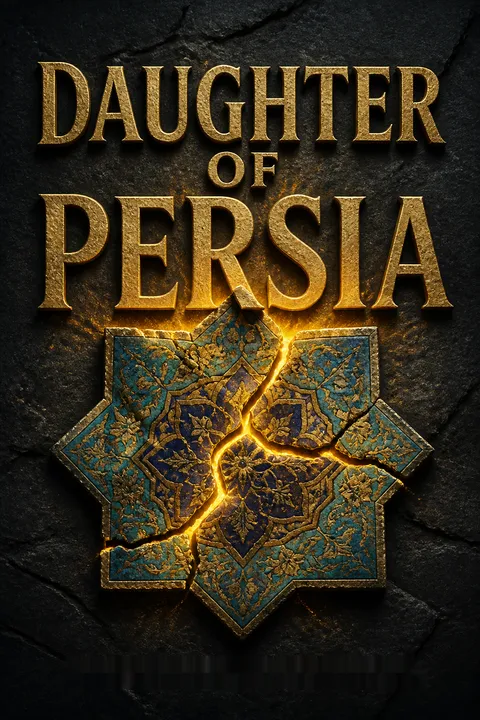
Daughter of Persia is both a personal memoir and a sweeping allegory of Iran's twentieth-century transformation. Through Sattareh's eyes, we witness the collapse of old certainties, the promise and peril of modernization, and the devastating costs of revolution and exile. The book's central lesson is the fragility of trust, community, and progress in a society marked by deep insecurity, opportunism, and external interference. Sattareh's journey—from privileged daughter to pioneering reformer to dispossessed exile—mirrors Iran's own trajectory, offering a nuanced critique of both tradition and modernity. The narrative warns against the dangers of building without foundations, of pursuing change without justice, and of forgetting the lessons of history. Ultimately, the memoir is a testament to resilience, humility, and the enduring value of compassion, even in the face of betrayal and loss. It challenges readers to reflect on the meaning of home, the responsibilities of privilege, and the necessity of hope in times of darkness.
Review Summary
Reviewers overwhelmingly praise this memoir as a richly detailed, compelling account of both one woman's remarkable life and twentieth-century Iranian history. Many highlight the book's balanced political perspective, vivid cultural insights, and the author's extraordinary courage in founding social work in Iran. Persian-language reviewers appreciate its honest portrayal of the Qajar and Pahlavi eras, while some note occasional bias given the author's background. The dramatic final chapters covering the Islamic Revolution are frequently cited as particularly gripping. Several readers describe it as essential reading for understanding modern Iran.

Characters
Sattareh Farman Farmaian
Sattareh is the memoir's narrator and central figure, embodying the tension between tradition and modernity, duty and self-actualization. Born into privilege but marked by loss, she is shaped by her father's authority and her mother's pragmatism. Her psychological journey is one of striving for agency in a society that limits women, and of seeking meaning through education, service, and reform. Her relationships—with family, servants, students, and colleagues—are complex, marked by both loyalty and betrayal. Over time, she evolves from a sheltered girl to a pioneering social worker, a builder of institutions, and finally an exile who must reconcile her ideals with the realities of history and human nature.
Shazdeh (Abdol Hossein Mirza Farman-Farma)
Sattareh's father is a towering presence—authoritative, disciplined, and forward-thinking within the bounds of his era. He embodies the old order's virtues of protection, justice, and hierarchy, but also its limitations: his love is conditional, his progressivism stops at the threshold of gender equality. Psychologically, he is both nurturing and distant, shaping his children's destinies while remaining emotionally reserved. His decline and death symbolize the end of an era and the fragility of inherited privilege.
Khanom (Massumeh, Sattareh's mother)
Khanom is the emotional heart of the family, managing the household with tireless energy and fierce devotion. Her piety and traditionalism are both a source of strength and a constraint, teaching Sattareh the values of duty, secrecy, and self-sacrifice. Psychologically, she is marked by anxiety, fear of betrayal, and the need for control, but also by deep compassion and adaptability. Her evolution—from a child bride to a matriarch who supports her daughter's ambitions—mirrors Iran's own journey through upheaval and change.
Mashti
Mashti is more than a servant; he is a protector, confidant, and moral touchstone for Sattareh. His simplicity, superstition, and fatalism reflect the worldview of Iran's poor, but his loyalty and kindness are unwavering. Psychologically, he embodies the insecurity of those without power, always dependent on the goodwill of others. His death, neglected and anonymous, is a searing indictment of a society that fails its most vulnerable.
Nosratdoleh (Prince Firuz)
Sattareh's half-brother is the family's golden child—brilliant, extravagant, and beloved by Shazdeh. His rise and fall mirror the fate of the old elite: from power and influence to disgrace and execution. Psychologically, he is both entitled and vulnerable, undone by his inability to adapt to changing times. His death is a turning point, marking the family's irrevocable loss and the dangers of standing out in a society ruled by suspicion.
Ayatollah Khomeini
Khomeini is the embodiment of the revolution's promise and peril: a figure of unwavering conviction, able to channel collective anger and offer simple answers to complex problems. Psychologically, he is both austere and magnetic, inspiring devotion and fear. His rise is a study in the power of charisma, the seduction of certainty, and the dangers of ideological purity. His leadership brings both hope for justice and the reality of repression and chaos.
Esther
Esther, Sattareh's secretary, represents the possibility of trust and solidarity in a world marked by betrayal. Her devotion, courage, and willingness to risk her own safety for Sattareh's sake are a counterpoint to the opportunism and fear that pervade the narrative. Psychologically, she is resilient, compassionate, and principled, embodying the best of the values Sattareh tries to instill in her students.
Zamani
Zamani, a rural recruit to the School of Social Work, is initially blunt, impulsive, and unsophisticated. Over time, he becomes a dedicated professional, embodying the potential for transformation through education and service. Psychologically, he represents the challenges and rewards of bridging Iran's urban-rural divide, and the importance of humility, perseverance, and growth.
Ashari and Isadi
These students, motivated by resentment, opportunism, and a sense of grievance, orchestrate Sattareh's arrest during the revolution. Psychologically, they are products of a society that has failed to instill values of responsibility and critical thinking, instead fostering envy, suspicion, and a readiness to denounce. Their actions are a microcosm of the larger dynamics of revolutionary fervor and the dangers of mob justice.
Ayatollah Taleqani
Taleqani is a rare figure of integrity and humanity in the revolutionary leadership. His intervention saves Sattareh's life, and his warnings about the dangers of fanaticism and vengeance are prescient. Psychologically, he embodies the possibility of reconciliation, the importance of justice tempered by mercy, and the tragic marginalization of moderate voices in times of upheaval.
Plot Devices
Memoir as National Allegory
The memoir's structure uses Sattareh's life as a microcosm of Iran's journey from tradition to modernity, stability to chaos, and hope to disillusionment. Her family's compound is a metaphor for the old order, its destruction paralleling the nation's unraveling. The interplay of personal and political events—education, exile, revolution—creates a layered narrative that blurs the boundaries between individual and collective fate.
Foreshadowing and Recurring Motifs
The narrative is rich in foreshadowing: the warnings about secrecy, the lessons of bread and salt, the stories of betrayal and survival. These motifs recur at moments of crisis—during the revolution, Sattareh's arrest, and her exile—underscoring the persistence of certain patterns in Iranian history and psychology. The motif of the Simorgh, the legendary redeemer, frames the longing for justice and the recurring absence of true deliverance.
The Party of the Wind
The concept of the "party of the wind"—those who shift allegiance with power—serves as both a plot device and a psychological theme. It explains the rapid reversals of fortune, the ease of betrayal, and the difficulty of building lasting institutions. The device is used to critique both the old elite and the revolutionaries, highlighting the dangers of a society without stable values or trust.
Interrogation and Testimony
Sattareh's arrest and interrogation are structured as a test of character and a microcosm of the revolution's moral ambiguity. The process reveals the dangers of guilt by association, the arbitrariness of justice, and the importance of connections over merit. The device allows for a psychological exploration of fear, shame, and the limits of agency in times of upheaval.
Exile and Return
The memoir's narrative arc is circular: from the security of the compound, through exile and return, to a final, permanent exile. This structure mirrors the cycles of Iranian history—order, chaos, rebuilding, and loss—and underscores the psychological toll of displacement. The longing for home, and the recognition that it can never be fully regained, is a central emotional thread.
Download PDF
Download EPUB
.epub digital book format is ideal for reading ebooks on phones, tablets, and e-readers.








































